


Talk to us
08071791510
Talk to us
08071791510
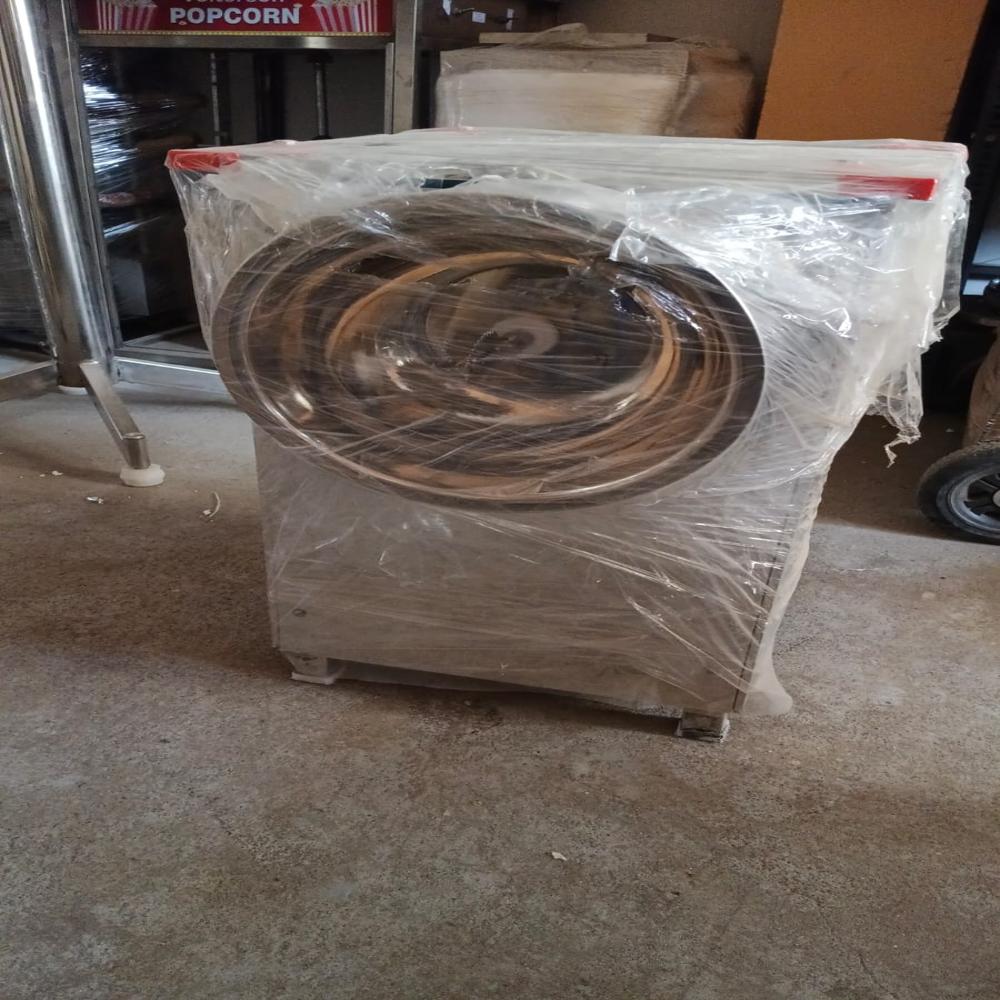
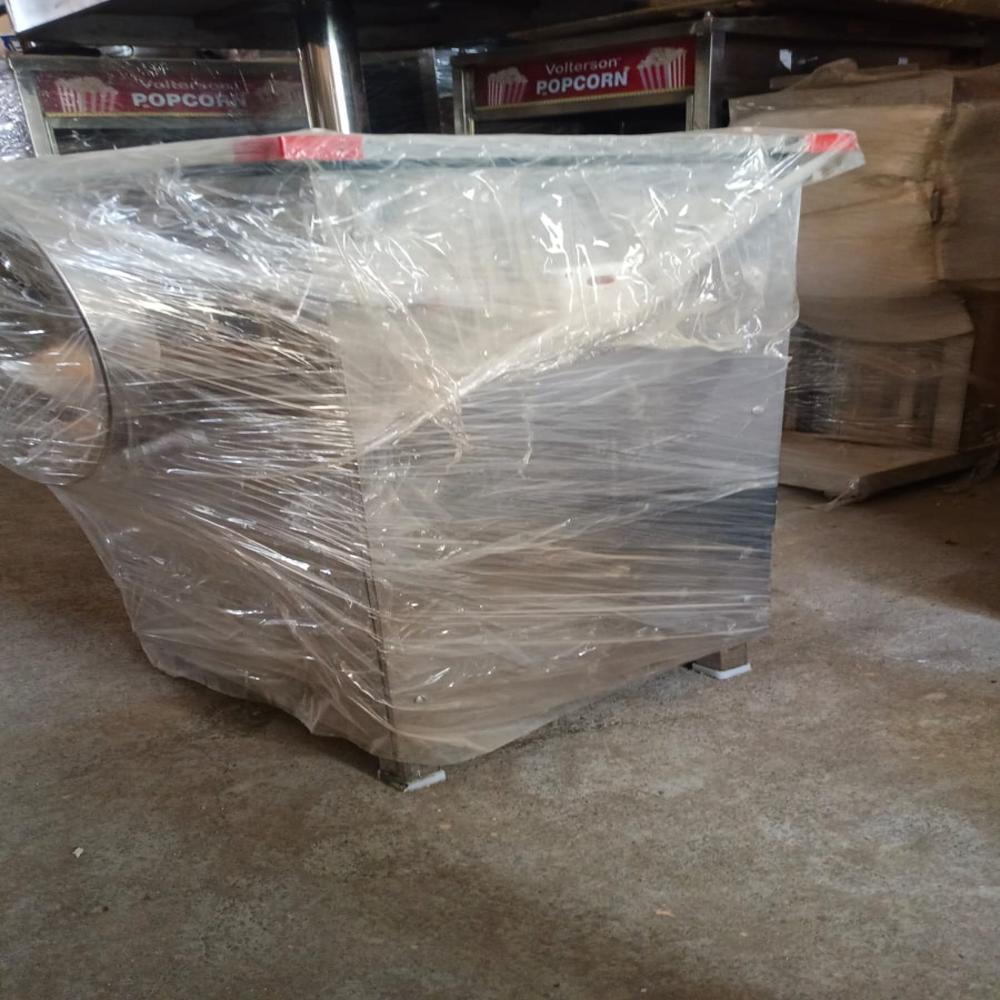
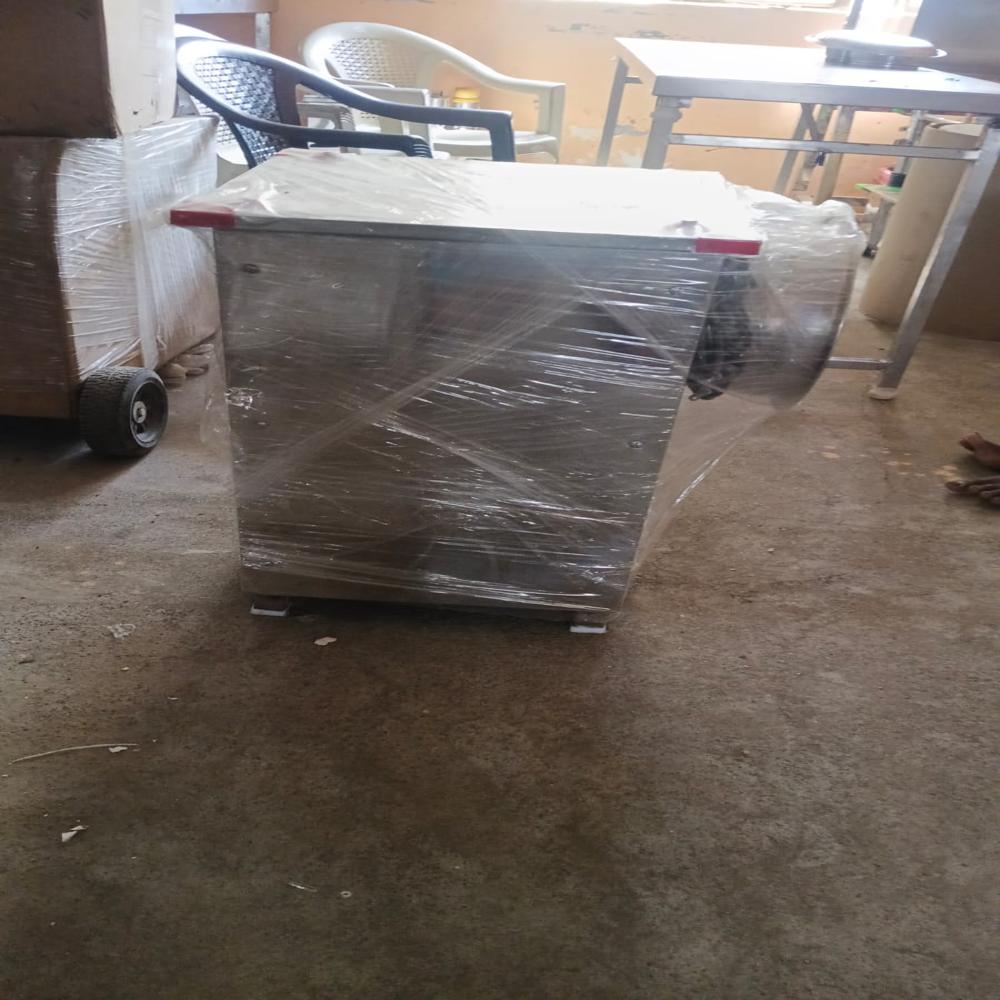
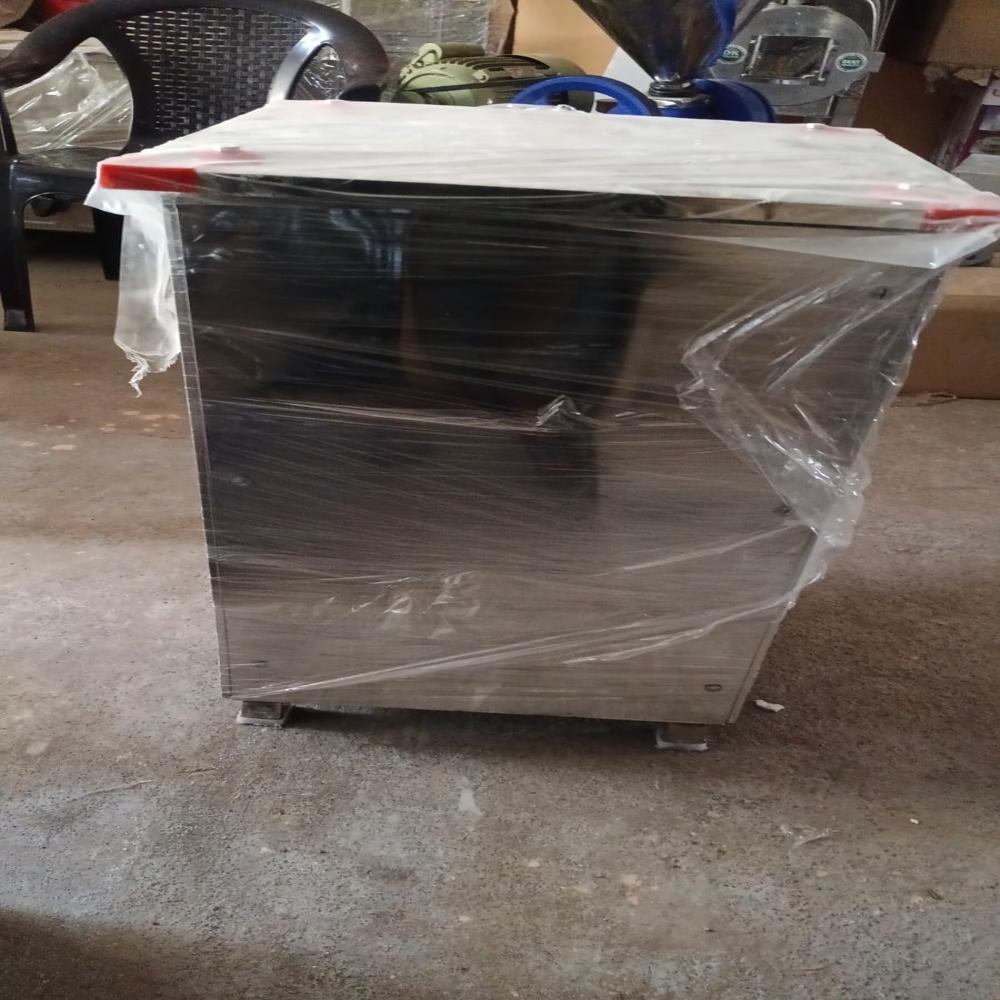
An industrial-grade, premium bench-type coconut scraper is a foundational appliance designed for high-efficiency, high-volume operations. Whether utilized in commercial kitchens, food processing units, or traditional culinary environments, this specific mechanical configuration bridges the gap between labor-intensive manual methods and fully automated processing lines.
The structural architecture of a bench-type coconut scraper determines its structural integrity, operational lifespan, and resistance to structural fatigue under high-torque conditions. Unlike light-duty domestic models or handheld motorized units, a bench-type configuration relies heavily on a rigid, heavy-scale base design to neutralize kinetic energy and damp rotational vibrations during extended processing cycles.
The primary frame is engineered using premium structural materials. Depending on the specific application environmentcommercial processing versus strictly regulated sanitary food productionthe chassis uses either heavy-gauge, food-grade SUS304 (Stainless Steel 304) or a composite of heavy cast iron treated with anti-corrosive powder coatings.
Stainless Steel: Chosen for its superior resistance to acidic compounds, moisture, and the naturally occurring fatty acids found in coconut water and milk . It prevents oxidation and surface pitting, ensuring the machine meets global sanitation standards (NSF, FDA, and CE certifications).
Chassis Thickness: The top deck and load-bearing panels feature steel plates . This structural density prevents the top surface from flexing or warping when an operator applies heavy physical pressure with a hard coconut shell against the high-speed rotating head.
The "bench-type" geometry is optimized for dual-modality installation: it can function as a standalone tabletop unit or be permanently bolted to a stainless-steel preparation table. The Center of Gravity (CoG) is intentionally engineered low and centered directly underneath the motor housing.
This low-slung, wider-base profile prevents tipping risks even if a damaged or non-concentric coconut shell induces temporary rotational imbalances. The working height is structurally calibrated to align with standard commercial kitchen counter heights , minimizing operator lumbar strain during multi-hour production shifts.
High-velocity rotary motion naturally generates harmonic frequencies that can cause machine walking, accelerated fastener loosening, and structural crystallization if left unmanaged. To counteract these forces, the bench scraper features:
Internal Gussets: Triangular structural braces welded within the interior framework to distribute torsional stress evenly across the perimeter.
Elastomeric Isolation Pads: Heavy-duty, high-density neoprene rubber feet or isolation mounts fixed to the base. These pads absorb high-frequency micro-vibrations, reducing acoustic emissions and protecting the supporting bench from frictional wear.
Flanged Anchor Points: Pre-drilled structural tabs positioned at the base perimeter, allowing operators to run heavy anchor bolts directly into the masonry or heavy steel framework of the processing plant for permanent, zero-movement stability.
The performance profile of a bench-type coconut scraper is governed by its electromechanical powertrain. Processing mature, fibrous, and hardened coconut meat requires a balance of high rotational torque and thermal resilience to prevent the motor from stalling or burning out under constant friction.
The machine uses a commercial-grade, single-phase or three-phase High-Torque Induction Motor. Unlike universal carbon-brush motors found in domestic appliances, induction motors have no contact brushes to wear down, generate minimal electrical noise, and deliver an exceptionally long service life.
Power Rating: Standard configurations feature motors rated from 0.5 Horsepower (HP) up to 1.5 HP (approximately 370W to 1100W), depending on the diameter and number of active scraping heads.
Insulation Class: Built to Class F or Class H insulation standards, allowing the internal copper windings to withstand operating temperatureswithout insulation degradation. This is vital for operations in hot, tropical environments or unconditioned production facilities.
Enclosure Rating: The motor housing complies with Totally Enclosed Fan Cooled (TEFC) or Totally Enclosed Non-Ventilated (TENV) design criteria, securing an IP55 or IP66 ingress protection rating. This ensures that moisture, fine sugar-laden coconut water mists, and airborne debris cannot enter the internal stator and rotor assemblies.
Speed regulation is highly critical for optimal scraping. If the rotational speed is too slow, the blade will catch on the fibrous husk, creating dangerous kickbacks for the operator. If it is too fast, centrifugal forces will frictionally heat the coconut meat, triggering premature oil separation (lipolysis) and turning the fine shreds into an undesirable paste.
Optimal RPM: The drivetrain is geared or direct-driven to maintain a steady operational speed.
Torque Profile: The motor is engineered with a high starting torque and a flat continuous torque curve. When the operator forces a dense coconut shell against the blade, the motor maintains its set RPM without significant velocity drops, preventing thermal overload and uneven shred yields.
The transition of mechanical power from the motor spindle to the scraper blade assembly utilizes one of two advanced configurations:
Direct-Drive Transaxle: The scraper shaft is an extension of the motors main rotor armature. This eliminates pulleys, belts, and gears, minimizing mechanical transmission losses, reducing maintenance points, and providing a highly compact layout.
Heavy-Duty Inline Reducer Gearbox: For specialized ultra-high-torque industrial variants, a hardened steel helical gear reduction system is utilized. This converts high motor speeds into high-impact, lower-RPM torque vectors, allowing the machine to tackle the hardest, matured copra-grade coconuts with minimal mechanical strain.
Bearing Architecture: The drive shaft is supported by double-shielded, deep-groove precision ball bearings (such as SKF or NSK variants). These bearings are packed with high-temperature, food-grade synthetic grease, preventing premature failure from water or fine particulate ingress.
The scraping head is the functional core of the appliance. Its structural shape, the angle of its teeth, and its specific metallurgy directly dictate the quality, fluffiness, and yield of the scraped coconut flakes.
Because the blade is subject to constant friction, mechanical abrasion, and exposure to corrosive fruit acids, it is machined out of specialized martensitic stainless steel.
Hardness Profile: Post-machining, the blades undergo a vacuum heat-treatment process to achieve a Rockwell Hardness . This ensures the teeth maintain their sharp cutting edges over hundreds of operating hours before requiring physical sharpening or replacement.
Bio-Compatibility: The alloy contains zero toxic heavy metals and exhibits high passivation performance, meaning it forms a microscopic, self-healing chromium oxide layer that prevents rust even if stored wet between cleaning intervals.
The scraper head is designed as an elongated dome or a truncated conical structure, mirroring the natural internal geometry of a halved coconut shell.
Tooth Density: The surface of the head features a highly optimized matrix of laser-cut or CNC-milled cutting teeth. A standard commercial head features between 48 and 96 independent teeth arranged in a multi-start helical pattern.
Staggered Alignment: The teeth are offset relative to one another. As the head completes a full $360\circ$ rotation, no two teeth track through the exact same groove on the coconut meat. This prevents the formation of deep ridges, balances user handling forces, and yields fine, uniform, thread-like flakes instead of irregular chunks.
Rake and Clearance Angles: Each individual tooth is engineered with a specific rake angle and a relief angle. This allows the tooth to slice through the dense coconut meat cleanly rather than scraping or tearing it, preserving the delicate cell structures and keeping the natural oils bound within the shred matrix.
At operating speeds exceeding 1000 RPM, any weight variation across the scraping head will create massive centrifugal forces, resulting in strong vibrations that can damage the internal bearings.
Dynamic Balancing: Every scraper head is dynamically balanced on digital balancing rigs to a residual imbalance grade
Tapered Shaft Mounting: The head is attached to the drive spindle via a precision machined Morse taper or a dual-spline locking shaft secured by an inverted, flush-mounted retaining screw. This ensures zero radial play during operation while enabling rapid, tool-free swaps when switching between different blade configurations (e.g., fine flakes for milk extraction versus coarse shreds for confectionery garnishes).
High-speed rotating equipment fitted with aggressive cutting teeth presents significant operational risks if not managed with robust safety systems. A premium bench-type coconut scraper integrates multiple mechanical, electrical, and behavioral safety guards to protect operators from injury.
No-Volt Release (NVR) Switch: The main power interface uses an electromagnetic NVR safety switch. In the event of a facility-wide power failure or an accidental unplugging event, the switch automatically drops out to the "Off" position. When grid power is restored, the machine will not spontaneously restart, requiring a deliberate manual press of the green start button by the operator.
Emergency Stop Mushroom Button: Strategically positioned on the front chassis or top deck is a prominent, red, twist-to-release Emergency Stop (E-Stop) button. This switch is directly wired to the primary power input, instantly cutting power to the motor control circuit when slapped.
Dual-Series Safety Interlocks / Foot Pedal Control: Advanced industrial models feature a low-voltage pneumatic or electronic foot pedal control system (often called a "dead-man's switch"). The machine will only rotate as long as the operator keeps their foot pressed firmly down on the pedal. The moment the foot is lifted or if the operator slips, power to the motor is cut, and an internal electronic braking system halts the blade within fractions of a second.
Articulated Splatter and Finger Guards: An adjustable, heavy-duty transparent polycarbonate shield arches directly over the rotating scraping head. This shield performs two functions: it prevents the operator's hands or loose clothing from accidentally contacting the spinning blade, and it blocks high-velocity flying coconut fragments, directing them downward into the collection tray.
Extended Spindle Housing: The drive shaft is housed inside an extended, heavy-walled structural collar. This layout spaces the sharp rotating head far enough forward from the motor face to give the operator ample finger clearance around the perimeter of the coconut shell.
Integrated Thermal Overload Protectors (TOP): Embedded deep within the motors copper stator windings is a bimetallic thermal sensor. If the operator applies excessive force for a sustained period, causing the motor to draw high current and heat up, the sensor trips at a calibrated limit. This opens the control circuit and shuts down the machine before permanent thermal damage can occur.
Residual Current Circuit Breaker (RCCB) Integration: The internal wiring architecture includes a dedicated grounding lug linked to a double-insulated power cable. This ensures that any internal short-circuit or moisture-induced insulation breakdown instantly channels electrical current to the ground, tripping the upstream circuit breaker and preventing operator shock.
A well-designed bench-type coconut scraper must balance mechanical power with ease of use. Optimizing operator posture, reducing physical resistance, and maximizing yield per coconut half are vital metrics for commercial viability.
The placement of the scraping head relative to the bench surface is carefully planned to accommodate the natural physical movements of an operator. The shaft projects outwards horizontally or at a slight downward angle . This angle aligns with the natural resting position of an operator's forearms when holding a hemisphere-shaped object. By working with the body's natural mechanics, the design significantly reduces fatigue in the wrists, shoulders, and lower back during long shifts.
To achieve a maximum yield with minimal waste, the scraping process follows a structured sequence:
Axial Alignment: The operator holds the halved, de-husked coconut shell firmly with both hands, aligning the center axis of the coconut with the center tip of the rotating scraper head.
Progressive Compression: The shell is pushed forward smoothly along the horizontal axis. The fine teeth at the tip of the dome pierce the softest, innermost layers of the coconut meat first.
Orbital Pitch and Yaw: The operator gently pivots and rotates the shell through a series of pitch and yaw movements. This sweeping action allows the wider base of the conical scraper head to shave down the thicker sections of meat located along the equator of the shell.
Perimeter Finishing: The depth-calibrated teeth cleanly remove the meat down to the dark brown inner seed coat (testa) without puncturing it, keeping the output pure white and free of bitter shell particles.
To eliminate product loss, the area beneath the scraper head features an integrated, wide-mouth collection hopper or a polished stainless steel chute. This collection area has curved, seamless corners to prevent moist coconut flakes from getting stuck in crevices.
The chute slopes downward angle, using gravity to channel the freshly scraped coconut smoothly into deep food pans or mixing bowls placed beneath the bench deck.
In food processing operations, hygiene and sanitation are just as critical as raw performance. Coconut meat has a high moisture content and a rich concentration of fats and sugars, making it highly susceptible to rapid bacterial colonization (such as Salmonella, E. coli, and Listeria) if processing equipment retains food residues.
| Component | Material | Cleaning Protocol | HACCP Risk Factor |
| Scraping Head | Hardened SUS420 | Daily deep clean + chemical sanitization | High (Direct Food Contact) |
| Chassis / Frame | Gauge SUS304 Stainless Steel | Wipe-down with food-safe detergent | Medium (Splatter Zone) |
| Drive Shaft Seal | Viton Triple-Lip | Visual inspection for oil/grease leaks | High (Contamination Source) |
| Isolation Mounts | Neoprene Rubber | Weekly pressure wash and inspection | Low (Non-Contact Zone) |
The bench-type coconut scraper is built around strict Hazard Analysis Critical Control Point (HACCP) design guidelines.
Seamless Welding: All joint areas across the top deck, collection chute, and rear splashbacks are continuous TIG (Tungsten Inert Gas) welded and ground down to a smooth, polished radius (minimum 2mm radius). This eliminates sharp internal steps, pockets, and microscopic pits where organic food particles can lodge and rot.
Thread Minimization: Threaded fasteners are kept out of the direct food-contact and splash zones. Where bolts are structurally required, they feature domed, un-slotted sanitary cap nuts fitted with integrated blue silicone gaskets to seal out water and juices.
IP66 Washdown Capabilities: The electrical systemincluding the motor enclosure, switch boxes, conduit entries, and cable glandsis fully sealed against moisture penetration. This allows operators to clean the entire machine using low-pressure water hoses, foaming sanitizers, and warm water washdowns without risking electrical shorts or internal corrosion.
Quick-Demount Splat Guards: The safety shields and collection components can be removed without tools via heavy-duty wing screws or quick-release toggle clamps. This allows kitchen staff to detach these pieces and run them through high-temperature commercial dishwashers for complete sterilization.
Maintaining a bench-type scraper at peak performance requires attention to three primary mechanical areas:
[Daily Clean] -> [Weekly Lubrication] -> [6-Month Seal Inspection] -> [Annual Bearing Swap] Shaft Seal Inspection: The point where the rotating drive shaft emerges from the motor/gearbox housing uses a premium, triple-lip Viton oil seal. This seal must be checked regularly to ensure that aggressive fruit juices haven't degraded the elastomer, which could allow liquids to enter the front motor bearing or let mechanical grease contaminate the food zone.
Blade Sharpening Protocol: Over extended use, processing hard-shell coconuts will eventually dull the cutting teeth. The scraping head is designed to be refreshed using a specialized diamond-coated rotary file or replaced entirely via the quick-swap spindle system.
Fastener Torque Audits: Due to the cyclic loads inherent to high-RPM operation, maintenance schedules mandate a bi-weekly torque verification of all critical structural fastenersspecifically the motor mounting bolts and base anchor pinsusing calibrated torque wrenches to prevent component shifting.
Investing in a commercial bench-type coconut scraper is highly driven by operational efficiency and measurable return on investment (ROI). Analyzing the economic impacts, processing throughputs, and application domains highlights why this configuration remains a vital asset for modern food processing infrastructures.
The versatility of the bench-type scraper makes it an essential tool across several sectors:
Commercial Coconut Milk Extraction Plant: The unit acts as the primary grinding mechanism. The uniform, finely cut flakes roll straight into hydraulic or screw-type cold presses, maximizing the yield of first-press virgin coconut milk and reducing the moisture content of the remaining waste cake.
Confectionery and Baking Houses: By swapping out standard heads for specialized cross-cut blades, the machine can produce desiccated long-thread flakes, medium shreds, or fine coconut flour powders used in premium pastry production.
Industrial Catering and Hospitality Hubs: Large-scale institutional kitchenssuch as those operating in corporate campuses, universities, and hospitalsrely on the compact footprint of bench-type models to prepare fresh bases for authentic curries, chutneys, and traditional desserts daily.
While the upfront cost of an industrial bench-type scraper is higher than simple domestic alternatives, its long-term cost benefits are compelling.
Labor Optimization: By replacing manual scraping methods, a single bench unit can handle the workload of 4 to 6 full-time kitchen hands. This allows facility managers to reallocate staff to skilled assembly or packaging roles, dramatically lowering overall labor overhead.
Waste Reduction: Manual scraping often leaves up to 15% of useful meat attached to the hard shell due to operator fatigue or imprecise tools. The precision dome geometry of the bench scraper head ensures extraction down to the millimeter, recovering thousands of dollars in raw product annually across high-volume production lines.
Longevity vs. Replacement Costs: Light-duty consumer models frequently fail under the demands of commercial use, leading to costly downtime and repeated replacement cycles. An industrial bench unitwith its rigid steel chassis, induction motor, and hardened stainless steel bladesis engineered for a service life exceeding 5 to 10 years, offering a highly reliable and profitable mechanical asset.
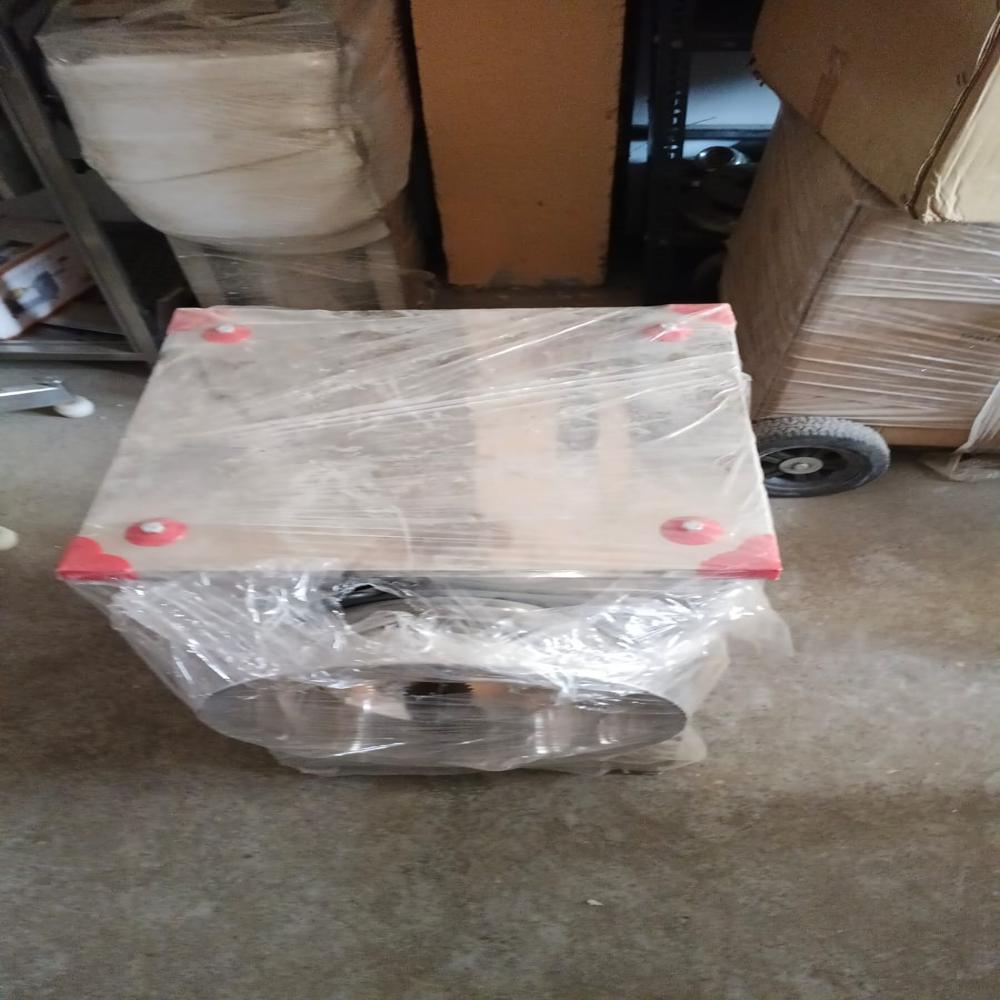
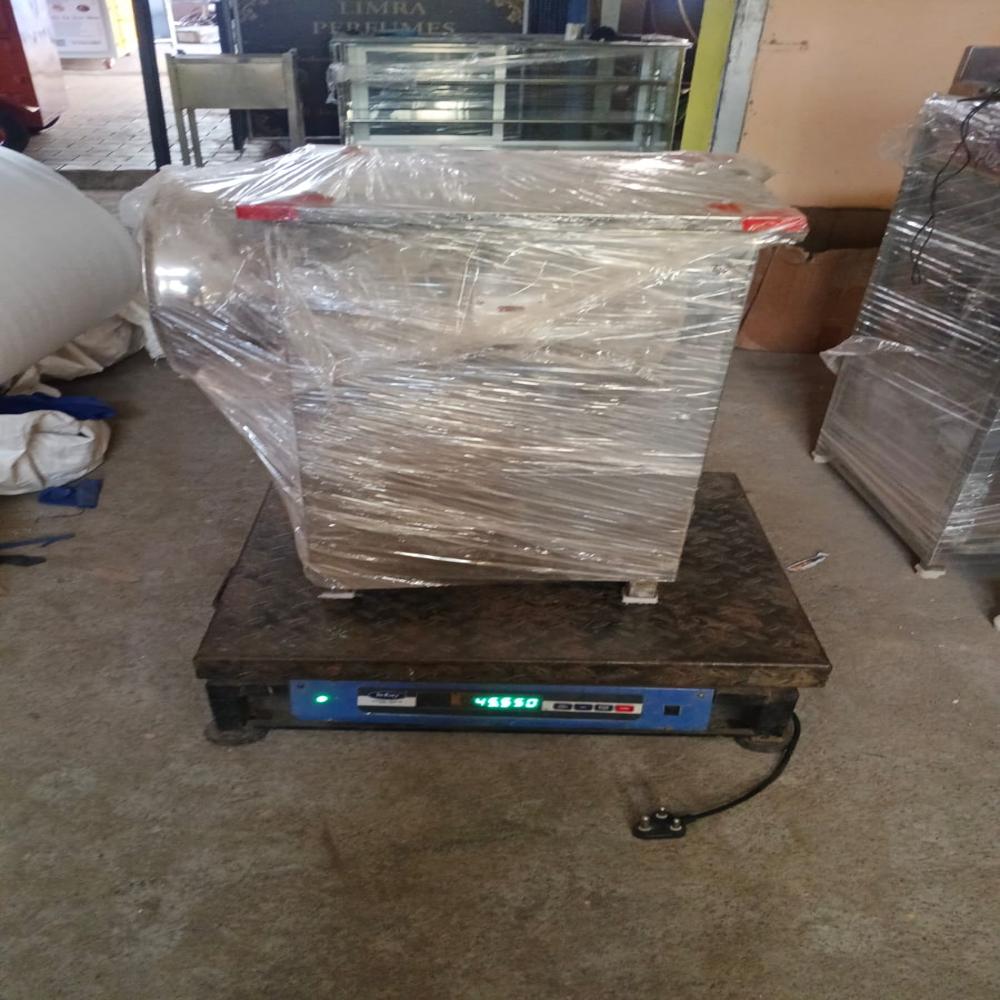

Price:
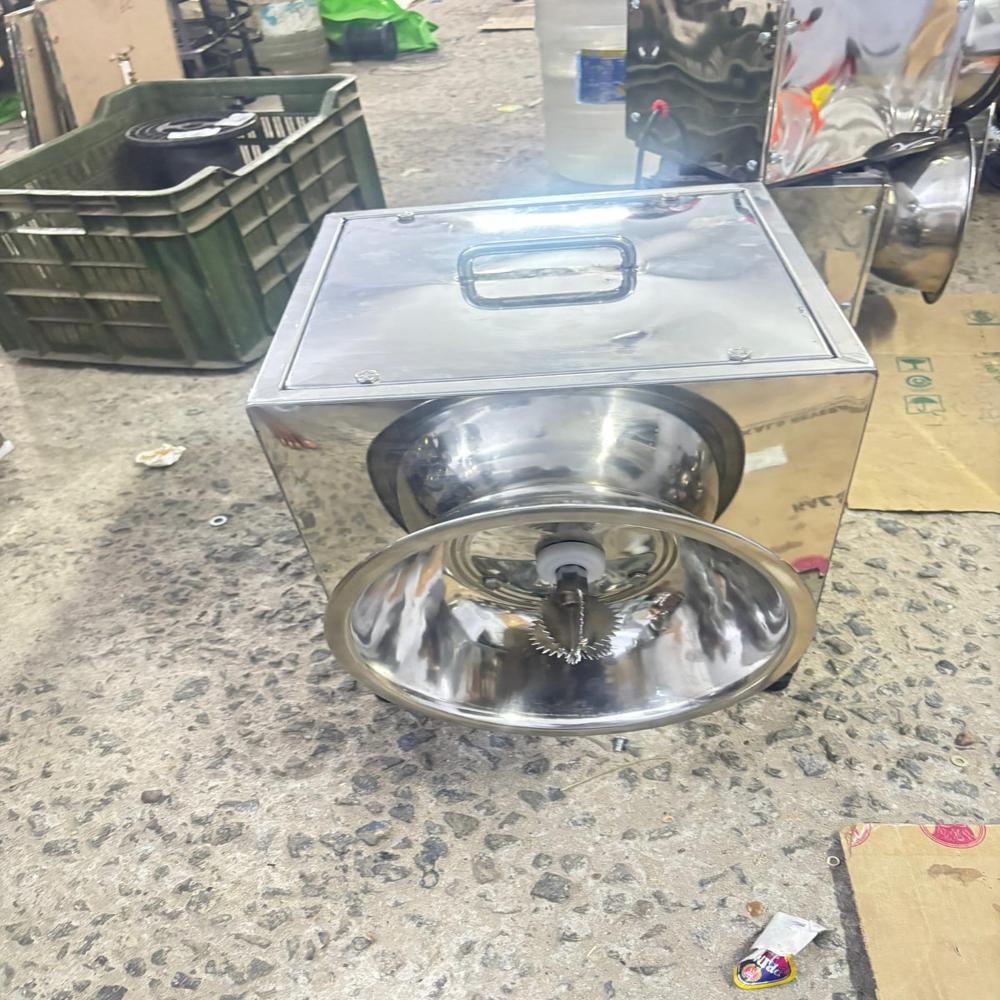
Price 7500.0 INR / Number
Minimum Order Quantity : 1 Number
Capacity : 30 Pcs/hr
Weight (kg) : 9 (approx) Kilograms (kg)
Operating Temperature : 50 Celsius (oC)
Feature : ECO Friendly, Low Noice, Lower Energy Consumption, Compact Structure, High Efficiency
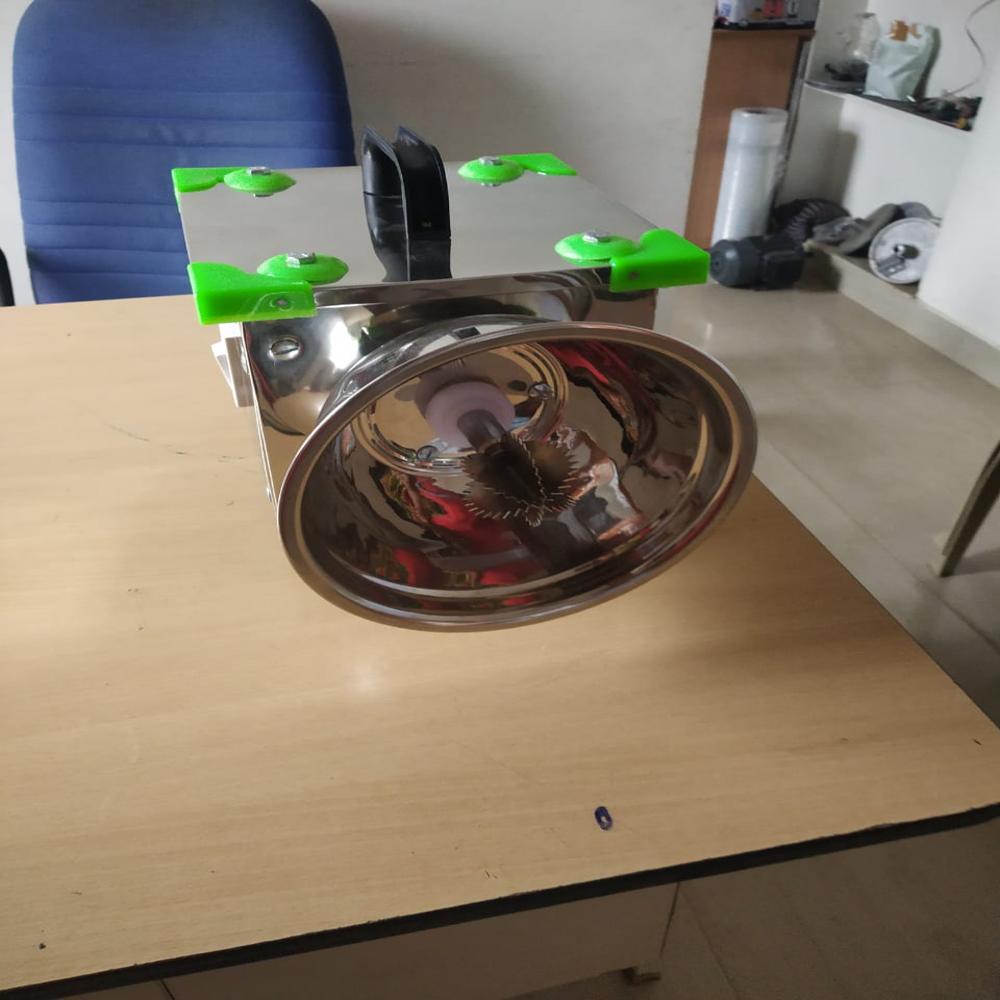
Price 3500.0 INR / Number
Minimum Order Quantity : 1 Number
Capacity : 25 Pcs/hr
Weight (kg) : 5.5 (approx) Kilograms (kg)
Operating Temperature : 50 (approx) Celsius (oC)
Feature : Low Noice, Lower Energy Consumption, Compact Structure, High Efficiency, ECO Friendly
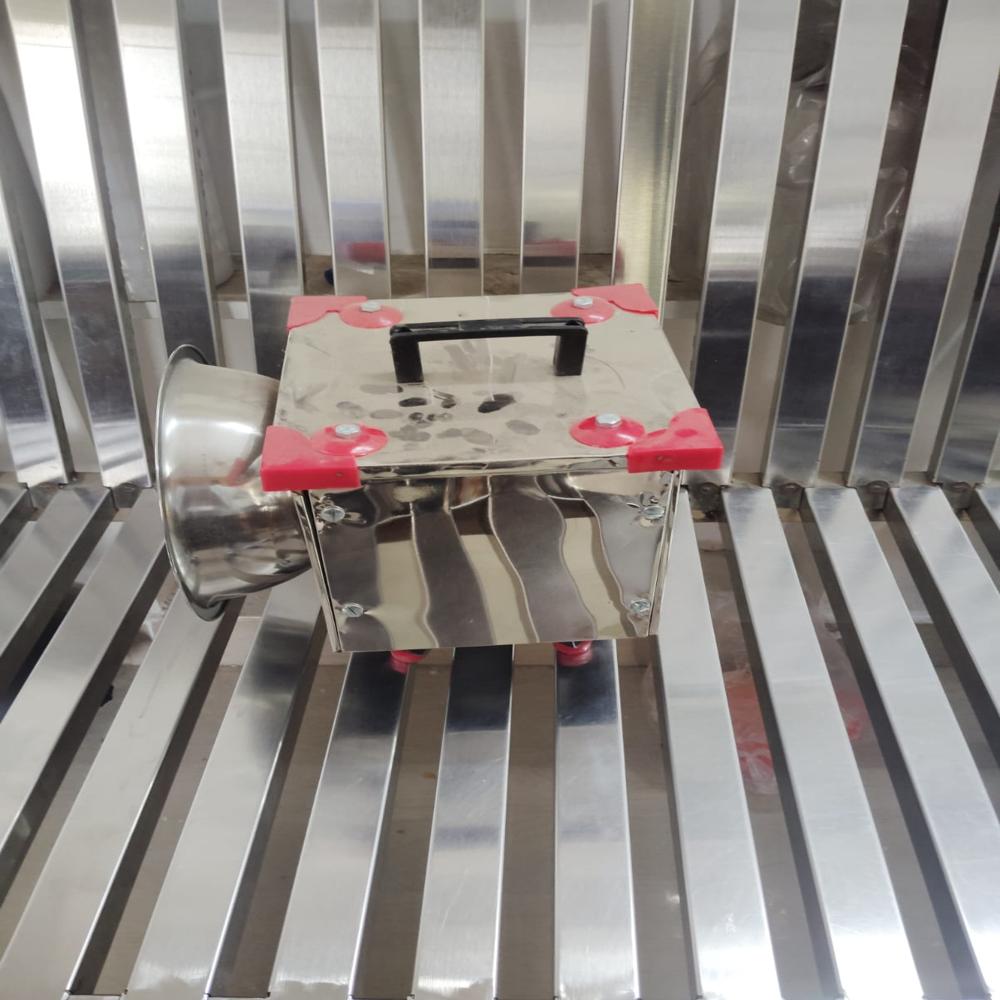
Price 2500.0 INR / Number
Minimum Order Quantity : 1 Number
Capacity : 20 Pcs/hr
Weight (kg) : 4.5 (approx) Kilograms (kg)
Operating Temperature : 50 (approx) Celsius (oC)
Feature : Low Noice, ECO Friendly, Lower Energy Consumption, Compact Structure, High Efficiency
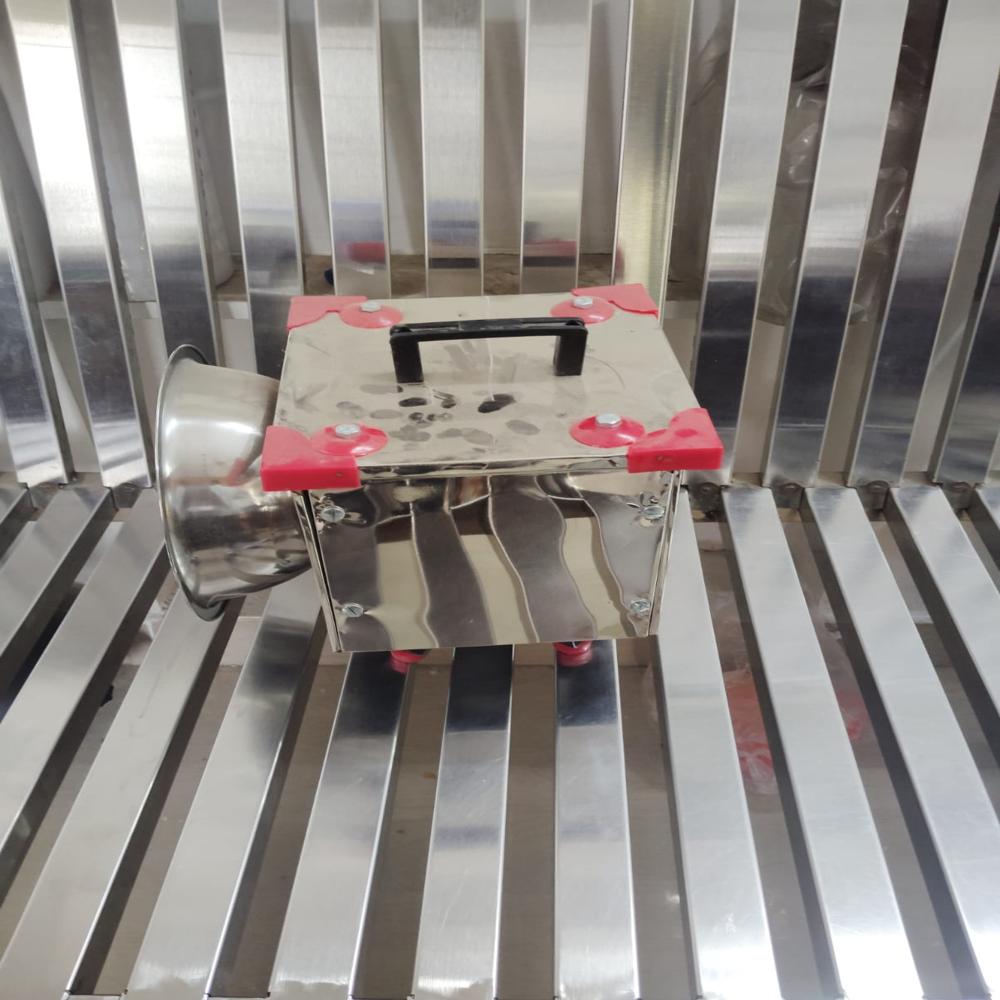
Price 2500.0 INR
Minimum Order Quantity : 1 Number
Capacity : 20 Pcs/hr
Weight (kg) : 4.5 (approx) Kilograms (kg)
Operating Temperature : 50 (approx) Celsius (oC)
Feature : ECO Friendly, High Efficiency, Low Noice, Lower Energy Consumption, Compact Structure

 Send Inquiry

 Send Inquiry