


Talk to us
08071791510
Talk to us
08071791510
To understand why a dedicated tool exists just to wash rice, one must first look at the anatomy and biochemistry of a rice grain. Rice washing is not merely a hygienic practice to remove dirt; it is a critical chemical and physical preparation step that fundamentally alters the texture, aroma, and presentation of the cooked grain.
When rice is milledthe process where the outer husk, bran, and germ are mechanically stripped away to produce white ricethe intense friction fractures a small percentage of the cells on the surface of the endosperm. This creates a fine, powdery residue of free linear starch (primarily amylose and amylopectin) that clings to the outside of the polished grain. In Japanese culinary traditions, this residual powder is known as iko.
If rice is cooked without removing this surface dust, a series of counterproductive chemical reactions occur during the boiling process:
Gelatinization Overload: As the water heats up, this free surface starch instantly dissolves into the surrounding liquid, gelatinizing long before the water penetrates the core of the grain.
The Slurry Effect: The cooking water transforms into a thick, viscous paste. This paste seals the rice grains together, trapping steam unevenly and preventing the proper convective circulation of heat within the pot or rice cooker.
Textural Ruin: The result is a pot of rice that is gummy, sticky, and clumped on the outside, yet frequently undercooked or chalky at its center.
A rice washer solves this by using hydrodynamic shear stress (water pressure and friction) to dislodge and isolate these free starch molecules from the grain's surface without damaging the structural integrity of the cell wall beneath.
Rice grains are porous structures. The moment they come into contact with water, they begin to absorb it through a process called capillary action.
The first phase of water contact is incredibly rapid. If rice is left sitting in its own cloudy, starch-saturated washing water for more than a few seconds, the grain will act like a sponge, reabsorbing the dissolved starch dust along with any oxidation byproducts (stale bran oils) present on the surface. This imparts a flat, slightly chalky, or stale flavor to the final product.
An engineered rice washer ensures that the water is kept in continuous motion, instantly separating the dislodged starch particles and flushing them down a drain before the grain has a chance to reabsorb the cloudy effluent.
Beyond starch management, the physics of a rice washer address modern agricultural realities. While contemporary milling facilities are highly sanitary, bulk rice distribution chains can still introduce external contaminants.
Particulate Removal: Talc, glucose, or starch powders are sometimes used as processing aids during milling to enhance the glisten of white rice. A rice washer mechanically rinses these compounds away.
Heavy Metals and Microplastics: Studies have shown that thorough rinsing under turbulent water flow can significantly reduce surface-bound contaminants, including trace residues of arsenic (which tends to accumulate in the outer layers of rice) and microplastics picked up during bulk polymeric packaging processes.
Debris Separation: By exploiting differences in specific gravity (buoyancy), specialized rice washers allow heavy particles like small stones or grit to sink into a sediment trap, while lighter particles like stray husks, chaff, or insect fragments float to the top and are skimmed away by weir overflows.
Rice washers span a vast spectrum of engineering complexityfrom passive, human-powered ergonomic vessels to multi-stage, high-throughput pneumatic systems used in industrial food factories. Understanding the structural taxonomy of these tools reveals how form dictates functional efficiency.
The simplest modern rice washer is a specialized manual colander or bowl, typically injection-molded from food-grade polymers (such as polypropylene) or stamped from high-gauge stainless steel. Unlike a standard kitchen colander, which features generic drainage holes across its entire base, a manual rice washer is highly engineered:
Solid Base with Asymmetric Perforations: The bottom of the bowl is solid, allowing water to pool temporarily so the grains can be swirled and massaged. The drainage perforations are localized to a single side wall or an extended front pouring lip.
Micro-Sized Slits: The drainage holes are executed as ultra-fine vertical or horizontal slits. This dimension is critical: it must be small enough to prevent broken or small-grain varieties (such as broken jasmine or short-grain sushi rice) from escaping or getting wedged in the gaps, yet large enough to allow rapid, unhindered exit of high-viscosity, starch-laden water.
Interior Agitation Ribs: The inner walls of high-quality manual washers feature raised, molded ridges or step-like contours. When the user swirls the rice in a circular motion, these ridges act as gentle speed bumps, introducing mild friction that coaxes the grains to rub against one another rather than just sliding along a smooth plastic surface. This simulates the traditional hand-rubbing technique (morigome) without requiring excessive physical force.
Stepping up into mechanical assistance, semi-automatic countertop units are common in high-volume residential kitchens, small sushi bars, and catering operations. These devices operate without an electric motor, relying instead on the fluid dynamics and kinetic energy of domestic water lines.
The Vortex Chamber: These washers feature a cylindrical or conical basin connected directly to a sink faucet via a flexible high-pressure hose. The water enters the bottom of the chamber through angled tangential nozzles.
Hydro-Centrifugal Motion: The angled entry vectors force the water into a rapid, self-sustaining vortex. The rice grains are caught in this upward-spiraling maelstrom, causing them to collide gently with each other at a controlled velocity. This fluidizes the bed of rice, ensuring that 100% of the grain surface area experiences uniform shear stress.
Continuous Weir Decanting: As the water level rises to the top of the cylinder, it encounters a perimeter overflow weir shielded by a fine-mesh screen. The starchy, lighter water spills out over the top and runs directly into the sink basin, while the heavier, washed rice remains trapped within the swirling fluid core at the bottom.
For large-scale commercial entitiessuch as central commissary kitchens, bento production lines, sake breweries, and large restaurantsmanual or fluid-jet methods are wildly inadequate. These operations utilize heavy industrial machines .
Pneumatic Lift and Pipe-Flow Washers: These industrial monsters often avoid mechanical impellers altogether, as spinning metal blades or paddles would pulverize the fragile grains. Instead, they use pneumatic air-injection and venturi-effect water pumps. Dry rice is dropped into a large hopper, where a high-velocity stream of water and compressed air lifts the grains vertically through a series of internal pipes. The turbulent multi-phase flow (air-water-rice) strips surface starch within seconds during transit through the pipe network.
Mechanical Agitator/Scrubber Washers: Models that do use mechanical agitation employ ultra-smooth, high-density resin impellers operating inside a soft-walled silicone or rubberized lining. The rotational speed is calibrated to a precise RPM range where the centrifugal force matches the friction threshold of the grain-on-grain contact, polishing away the surface dust .
The design of a rice washer must withstand demanding environmental challenges: continuous exposure to high moisture, abrasive friction from thousands of sharp-edged crystalline grains, and the necessity of maintaining absolute biological cleanliness. The selection of materials and the study of surface interaction (tribology) are foundational to a premium rice washer's design.
Tribology is the science of friction, wear, and lubrication interacting surfaces. In a rice washer, the "surfaces" in question are the individual grains of rice interacting with one another and with the walls of the machine.
Dry rice grains possess sharp, jagged edges at a microscopic level due to the fractures sustained during the milling process. When water is added, it acts as a boundary lubricant. If the lubrication film is too thick (too much water, low rice concentration), the grains float freely without touching, resulting in zero polishing action.
If the lubrication film is too thin (too little water, high rice concentration), the friction coefficient spikes violently, leading to severe structural mechanical stress:
Fissuring: The mechanical stress causes microscopic fractures across the width of the grain.
Starch Loss: Deep structural starches are exposed, leading to nutrient loss and a mushy cook.
Broken Grains: The grains break in half, ruining the uniform distribution of heat during cooking.
Advanced automated rice washers utilize sensors to regulate the exact weight ratio of rice to waterfrequently maintaining an optimal kinetic friction window where the starch dust is sheared off through gentle grain-on-grain abrasion, while the force never exceeds the internal tensile yield strength of the specific rice strain.
For manual rinsing vessels, product designers must carefully account for human anatomy and physical mechanics:
Volumetric Capacity and Weight Distribution: The handle of a manual washer must be anatomically neutral, placing the center of gravity directly beneath the users wrist joint to minimize strain and fatigue during the vigorous swirling motions.
Tactile Finishes: Handles are regularly over-molded with thermoplastic elastomers (TPE) or soft-grip rubbers. This ensures a secure, non-slip purchase even when the users hands are completely wet and coated in slick, slippery starch emulsions.
The Pouring Angle: The pouring lip must be angled so that when the vessel is tilted, the water level falls rapidly across the micro-slits while the dry-bed angle keeps the remaining rice pooling away from the exit pathway, preventing accidental spills.
Whether executing a manual rinse cycle in a premium home kitchen or programming a multi-stage industrial apparatus, the mechanical procedure of rice washing must adhere to strict chronological parameters to prevent grain damage and optimize hydration.
Dry rice is placed into the washing vessel. Cold water is dumped rapidly over the rice until it is completely submerged. The water must be cold; warm water activates the surface enzymes and initiates pre-gelatinization, which permanently ruins the starch structure.
The user must stir the rice briskly for no more than 10 seconds and immediately pour off the first wash water. This initial effluent contains the highest concentration of loose dust and stale bran oils. Speed is critical here to prevent the grains from absorbing this contaminated water.
With the bulk of the loose water drained away, the rice is left damp but not submerged. Using a cupped hand, the user gently presses down and rotates the bed of rice against the interior agitation ribs of the bowl in a rhythmic, circular pattern f.
The force applied must be uniform. This action replicates the classic morigome technique, causing the damp grains to rub against one another, stripping away the stubborn, semi-adherent outer layer of starch that survived the initial flush.
Fresh cold water is introduced into the vessel again. The rice is swirled smoothly to suspend the newly freed starch particles into the body of the fluid. The water is immediately poured out through the micro-slit drainage window. This step is repeated two to three times.
The user observes the optical clarity of the exiting water; it does not need to be crystal clear (as some starch will always dissolve), but it must transition from an opaque, milk-like appearance to a translucent, misty clarity.
The rice is allowed to rest in the fully drained colander for 5 to 10 minutes. This allows surface-bound water droplets to migrate off the exterior coat via gravity, creating a uniform moisture profile across the entire batch before it is placed into the final cooking pot with measured water.
In a fully automated commercial or industrial rice washing system, this entire process is managed via a programmable logic controller (PLC) executing a precise sequence of valve operations, sensor reads, and fluid pumps.
As the food service industry scales up to feed massive urban populations, the engineering inside commercial rice washers undergoes a dramatic shift. These machines are high-precision industrial systems that integrate fluid mechanics, optical sensing, and internet-of-things (IoT) diagnostics.
A major advancement in modern commercial rice washers is the inclusion of inline optical turbidity sensors. Turbidity refers to the cloudiness or haziness of a fluid caused by large numbers of individual particles that are generally invisible to the naked eye. In this context, it measures the exact concentration of suspended starch dust in the wash effluent.
The sensor works by transmitting an infrared light beam through the wastewater stream as it exits the washing chamber. A phototransistor positioned directly opposite measures the amount of light scattered or absorbed by the suspended starch particles. The sensor outputs a reading in Nephelometric Turbidity Units (NTU).
Adaptive Washing Windows: Traditional timers wash rice for a fixed duration, regardless of whether the incoming batch is heavily dusted or relatively clean. A closed-loop PLC system constantly samples the NTU rating during the wash cycle.
Automated Cycle Termination: The machine continues to cycle water and air through the rice bed until the effluent's NTU drops below a pre-programmed threshold . Once this value is reached, the PLC instantly halts the water pump and opens the discharge valve. This prevents over-washing, which wastes water and risks structural fracturing of the grain, while ensuring consistent quality across varying batches of raw product.
At the cutting edge of commercial food engineering are ultrasonic rice washers. These systems use acoustic energy to achieve unprecedented levels of cleanliness and structural preservation without using mechanical impellers or high-pressure water jets.
As these sound waves travel through the water, they create alternating cycles of high and low pressure.
During the low-pressure cycle, thousands of microscopic vapor bubbles or cavities form within the fluid. During the subsequent high-pressure cycle, these micro-bubbles collapse violentlya process known as acoustic cavitation.
The implosion of these bubbles generates localized micro-jets of water with velocities reaching hundreds of kilometers per hour and microscopic temperature spikes at the exact point of collapse. When these micro-jets strike the surface of a rice grain, they instantly dislodge stuck starch molecules, agricultural chemical residues, and micro-contaminants.
Because the energy is applied at a microscopic molecular scale, there is zero macroscopic mechanical stress placed on the rice grain. The structural breakage rate drops to absolute zero, and the overall washing time is cut down compared to standard mechanical agitation methods.
The rice washer is not a culturally agnostic tool; its development, geometry, and mechanical principles are deeply rooted in global agronomy and regional culinary traditions. The variance in how different societies grow, harvest, and consume rice has directly influenced the evolution of these specialized tools.
To trace the origins of advanced rice washing technology, one must look to Japan, where short-grain Japonica rice is the foundational staple. Japonica rice has a high concentration of amylopectin, the starch component responsible for sticky, chewy textures. Because it is naturally sticky, managing the free surface starch dust (iko) is incredibly critical.
Historically, Japanese home cooks washed rice using a rhythmic hand-kneading technique known as toji or morigome. This process was often physically brutal in the winter months, as traditional protocols mandated using near-freezing well water to preserve the grain's structural crispness.
The desire to automate this process led directly to the invention of the first commercial rice washing machines in the mid-20th century. As sushi grew into a multi-billion dollar global culinary phenomenon, the demands placed on these machines intensified.
Sushi rice requires every single grain to be perfectly glazed, distinct, and holding an exact amount of vinegar seasoning without ever becoming mushy. This culinary standard drove the development of the optical sensors and pneumatic pipe-washers detailed in Chapter 5.
In contrast to the short-grain traditions of East Asia, South and Southeast Asian culinary landscapes are dominated by Indica rice varieties, such as long-grain white rice, Jasmine, and Basmati.
Structural Fragility: Long-grain varieties have a high aspect ratio (length to width). From a structural mechanics standpoint, they are far more prone to snapping and fracturing mid-body under mechanical bending stresses than a round, stout short-grain.
Starch Breakdown Profiles: Long-grain rice contains a significantly higher ratio of amylose to amylopectin. Amylose is a linear starch that does not gelatinize into a sticky paste as easily as amylopectin. Therefore, the primary goal when washing long-grain rice is not intense scrubbing, but rather high-volume fluid flushing to wash away field dust, chaff, and processing residues.
As a result, rice washers engineered for long-grain markets favor gentler water-vortex designs over mechanical impellers or rib-heavy scrubbing walls. They prioritize high fluid exchange rates over raw kinetic friction, ensuring the slender grains survive the cycle intact.
To conclude this definitive analysis, it is necessary to contrast the varying operational methodologies across performance benchmarks. This evaluation highlights how selecting the right rice washing system directly impacts resource efficiency, processing speed, and food quality.
In the modern industrial landscape, water consumption is a key operational metric. A primary disadvantage of manual and semi-automatic water-jet washing systems is their high rate of water waste.
Because water is cheap at a domestic faucet level, users tend to over-flush systems, allowing thousands of liters of clean water to pour directly down the drain. On an industrial scale, this approach is both financially non-viable and environmentally irresponsible.
Advanced commercial rice washers handle this challenge through multi-stage counter-current rinsing circuits.
In this setup, water from the final, clean polish rinse is not thrown away. Instead, it is captured and pumped backward into the secondary wash tank to handle the intermediate rinse phase.
That intermediate water is then moved back again to execute the initial high-volume flush on the incoming dry rice hopper. By recycling water against the processing flow of the grain, modern industrial rice washers cut total water footprints, setting a strong benchmark for sustainable engineering in the modern food automation sector.
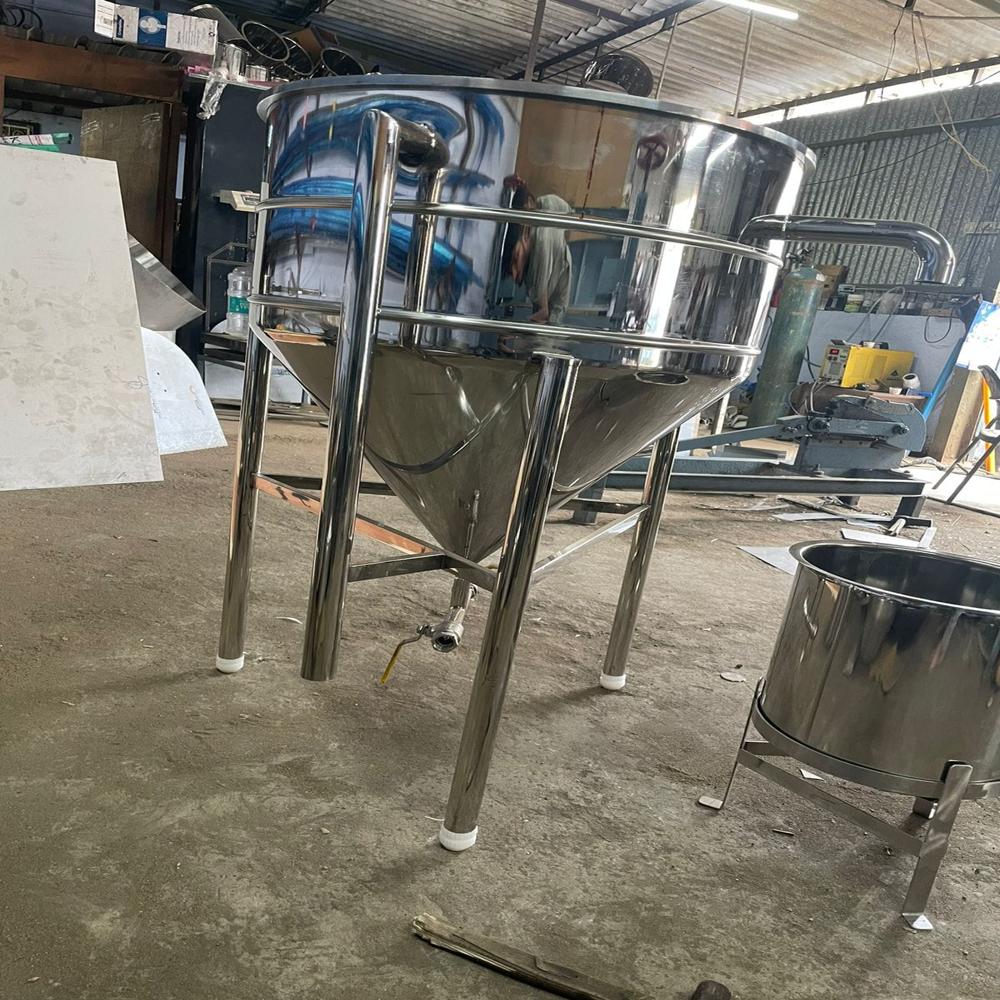
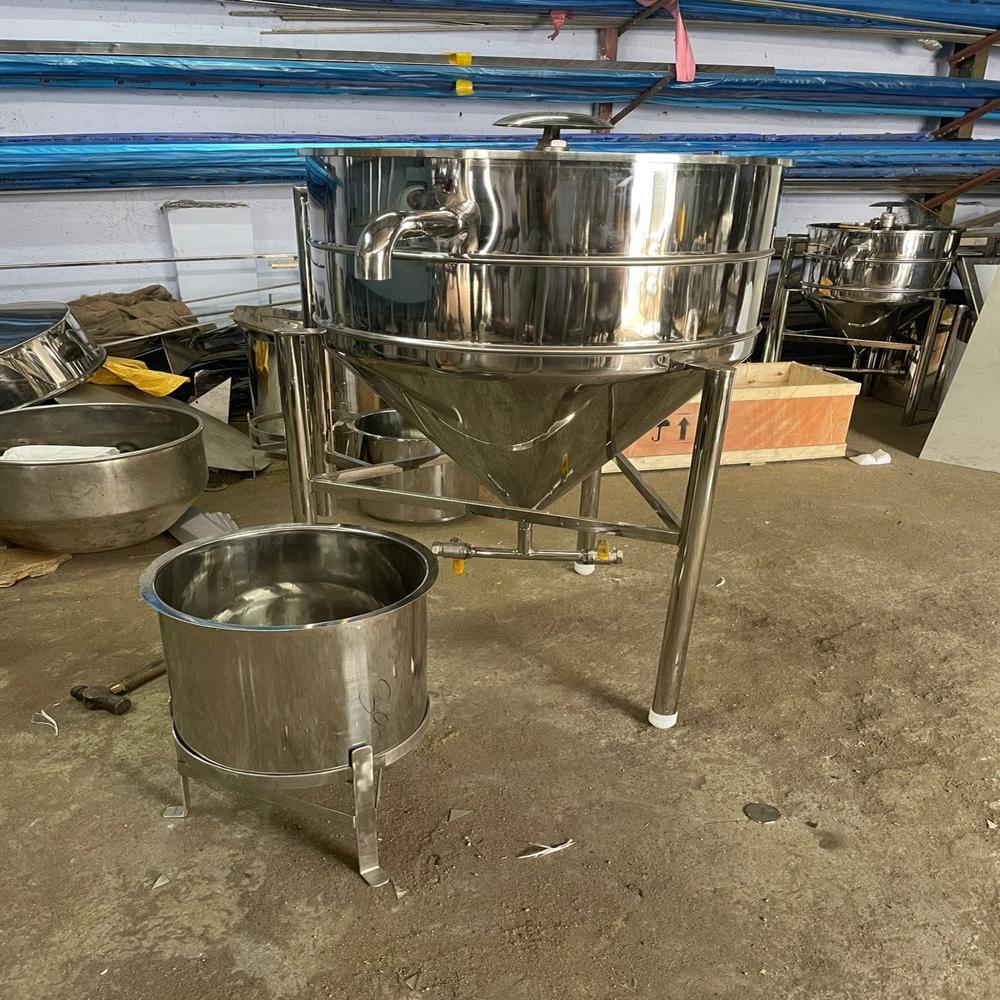
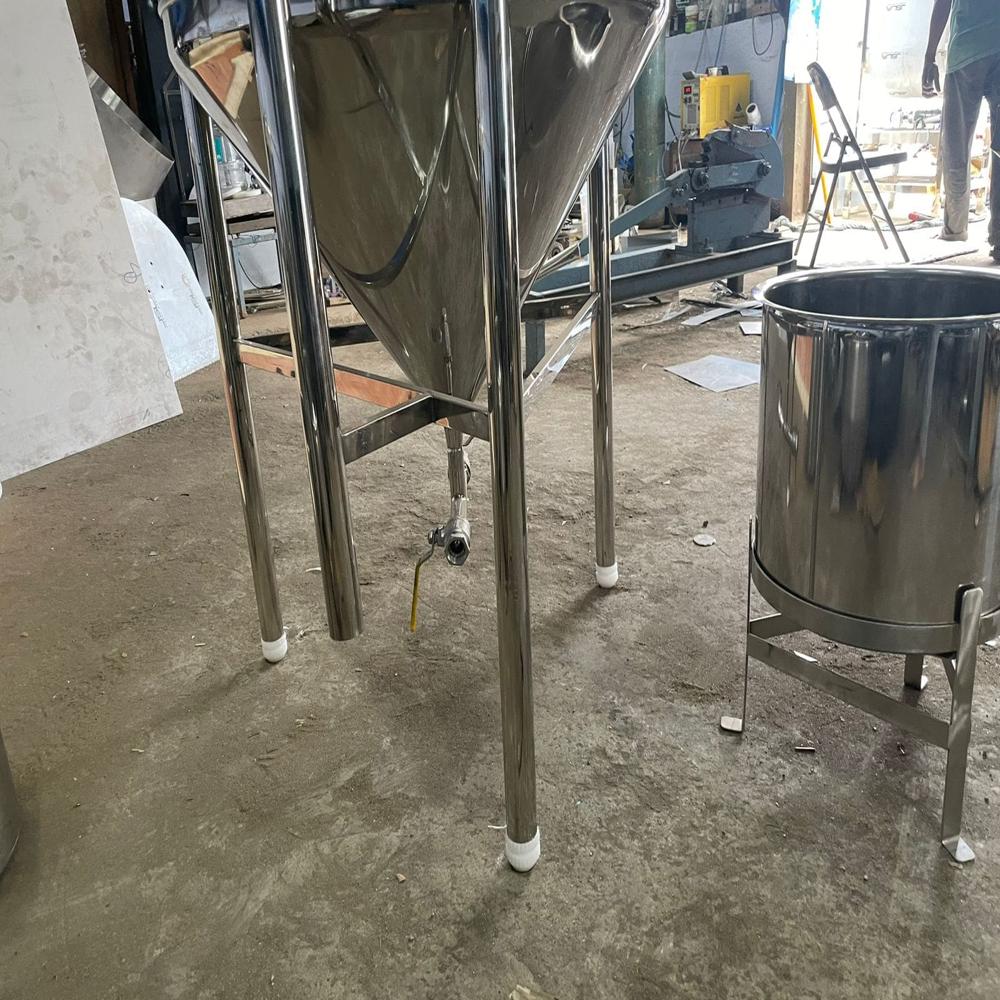
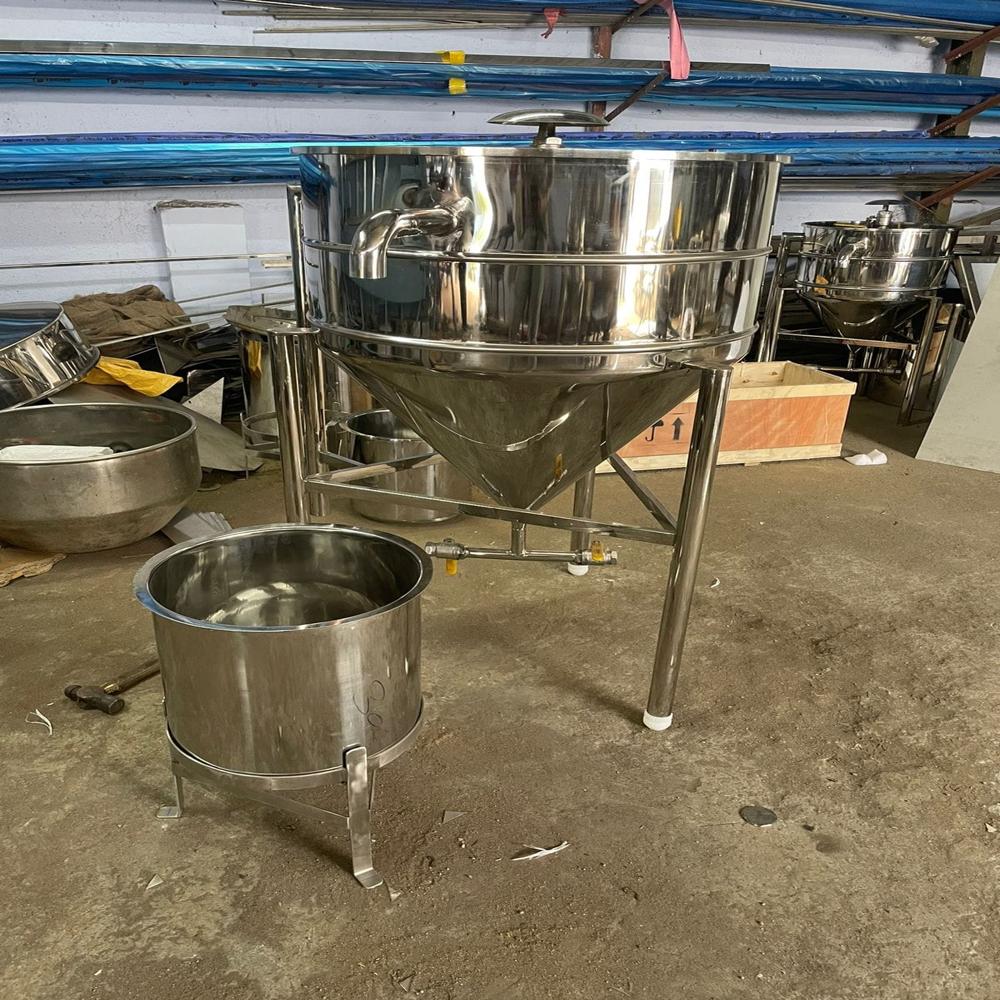
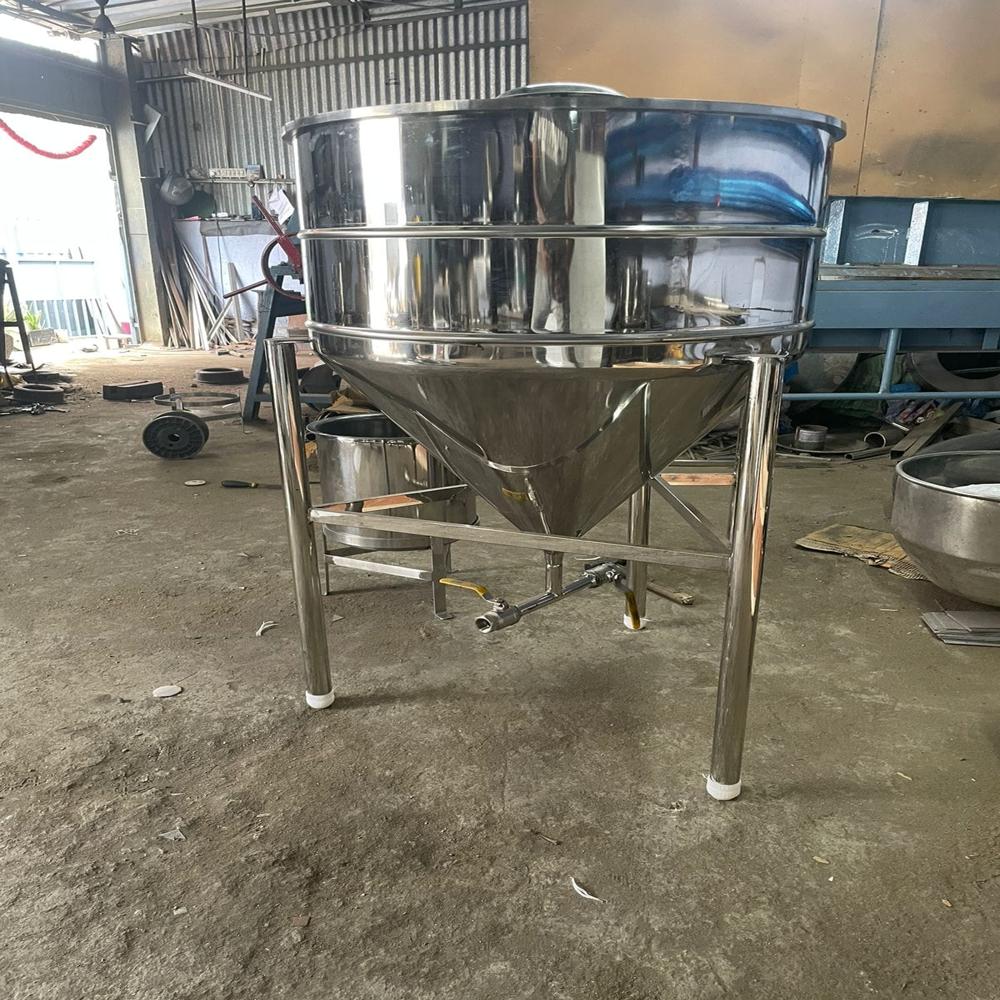
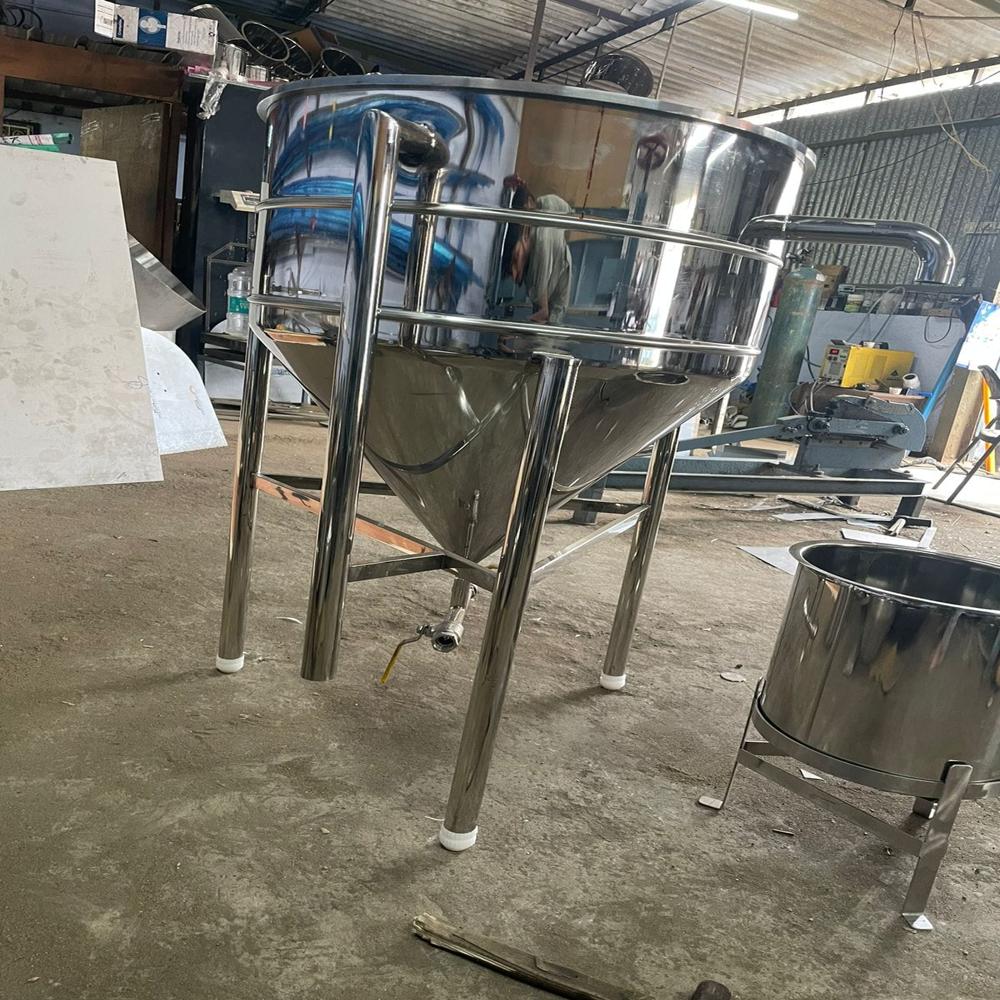

Price:
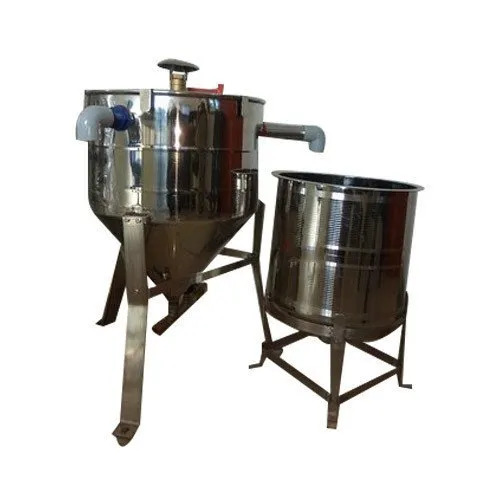
Price 22000.0 INR / Number
Minimum Order Quantity : 1 Number
Computerized : No
Dimension (L*W*H) : 22*23*40 (approx) Inch (in)
Type : RICE WASHER
Width : 23 (approx) Inch (in)

 Send Inquiry

 Send Inquiry