


Talk to us
08071791510
Talk to us
08071791510
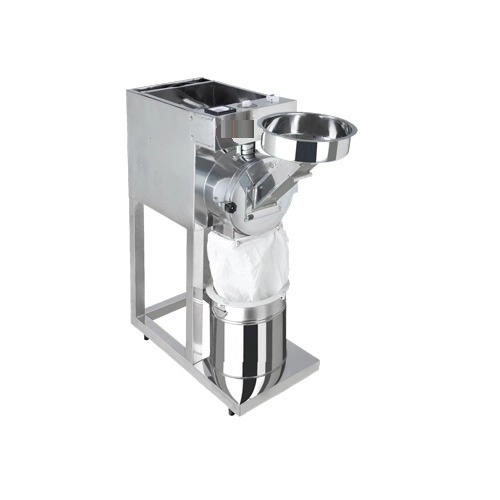
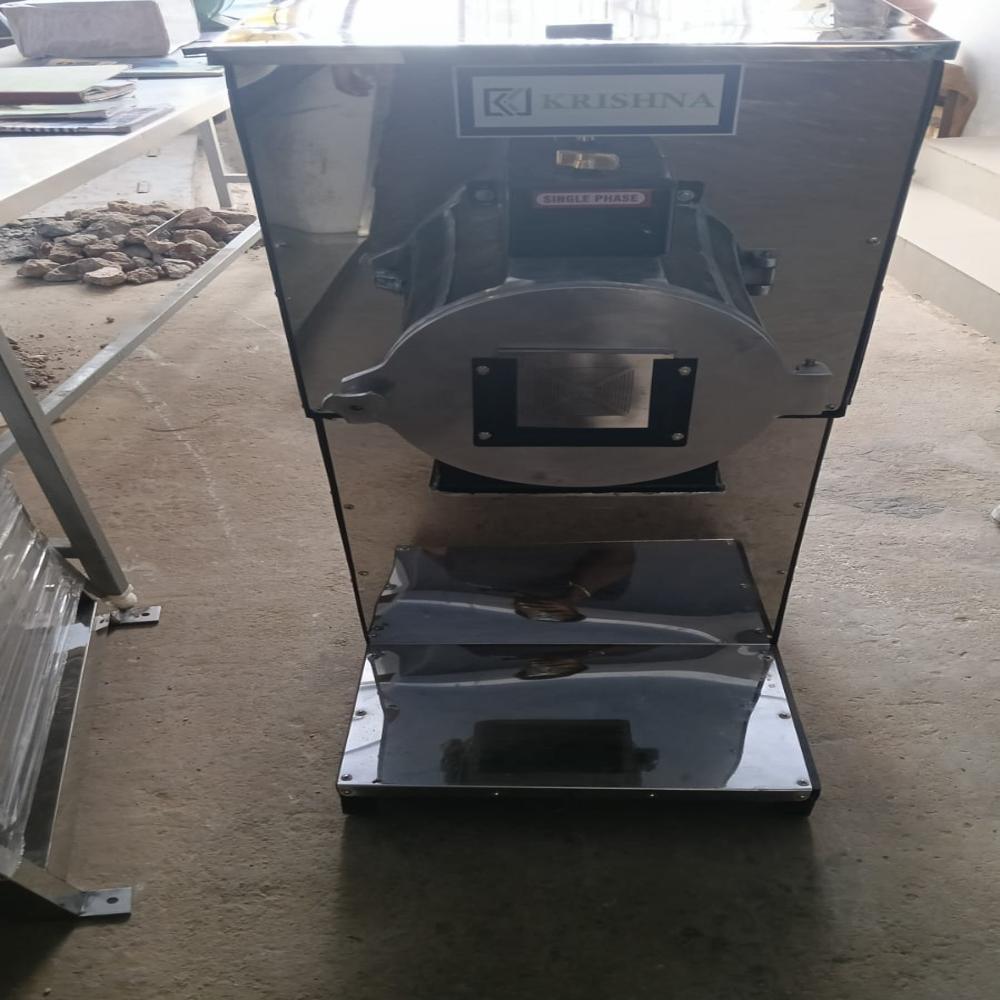
A pulverizer is a highly efficient, heavy-duty mechanical crushing and grinding device engineered to disintegrate solid materials into fine particles, granules, or micro-fine powders. While small kitchen appliances process delicate foods, industrial and commercial pulverizersare built to shatter the toughest, densest materials through high-velocity impact, shearing, and attrition.
An exhaustive, deep-dive technical description of a pulverizer is broken down below across seven critical structural, mechanical, and operational pillars.
The physical architecture of a pulverizer dictates its mechanical strength, load capacity, and operational life. Industrial pulverizers are engineered to endure intense kinetic vibrations, high centrifugal forces, and abrasive wear over thousands of hours of operation.
The foundation of any industrial or high-capacity commercial pulverizer is its frame. Heavy-duty units utilize premium cast iron or thick-gauge structural carbon steel for the mounting chassis. This dense base acts as an inertial dampener, absorbing the heavy vibrations produced by high-velocity motor rotation.
The grinding chamberthe zone where materials are subjected to high-energy impactsis typically forged from specialized alloys depending on the target industry:
Grade 304 or 316 Stainless Steel: Mandatory for food processing, pharmaceuticals, and cosmetic applications to ensure chemical inertness, corrosion resistance, and complete prevention of batch contamination.
High-Manganese Steel or Tungsten Carbide Liners: Utilized in mining, metallurgy, and recycling industries. These ultra-hard materials prevent the inner walls of the chamber from wearing down when continuously bombarded by abrasive rock, glass, or mineral samples.
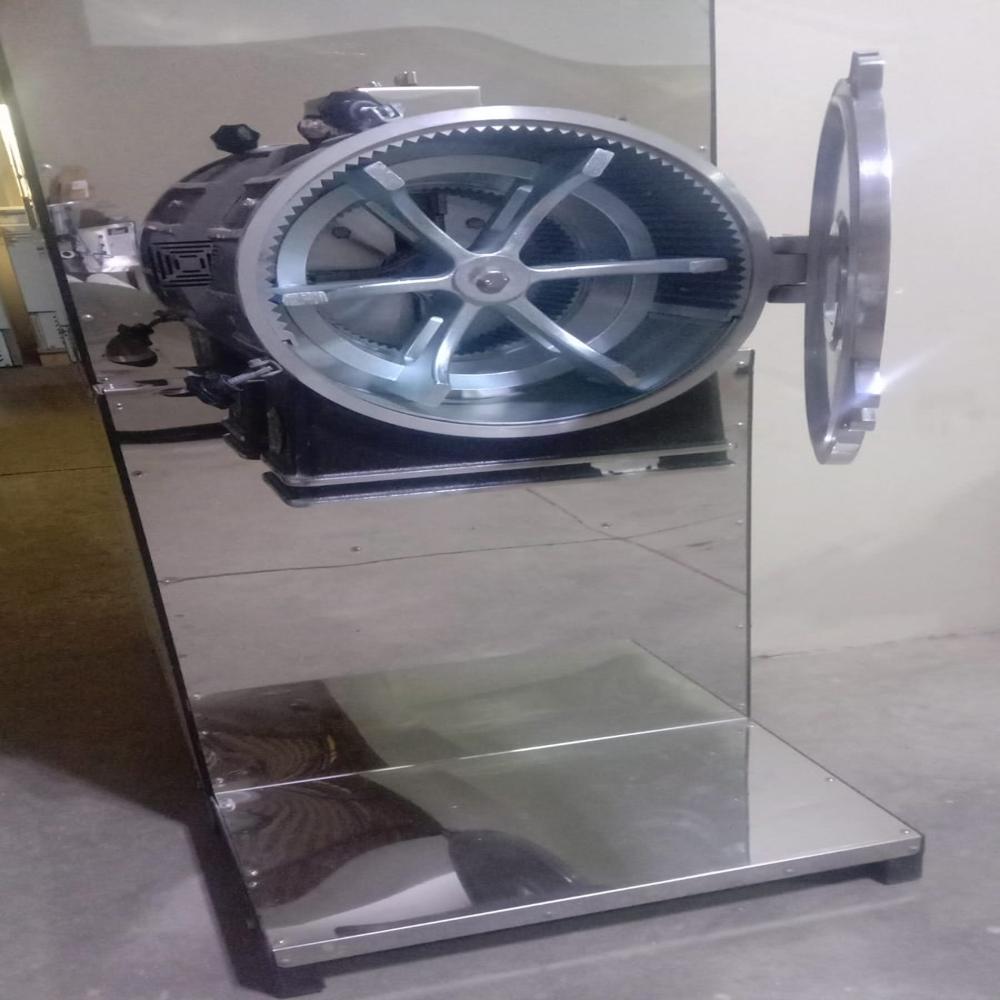
Many advanced batch-capacity pulverizers (such as the DC-1000A structure) employ a specialized swing-type or tilt design. The grinding assembly is mounted on a central pivoting axis flanked by rigid structural brackets. This configuration allows the operator to manually rotate or tilt the main body around its horizontal axis.
The tilting design offers immense operational advantages:
Effortless Discharge: Once a dense material is pulverized into a fine powder, lifting and tipping a heavy machine is impractical. The swing mechanism allows the operator to tilt the chamber directly over a collection tray, pouring out the contents completely.
Total Cleaning Access: It allows the user to orient the chamber downward or horizontally, making it simple to sweep out residual dust or sanitize the internal surfaces between different material batches.
Gravity-Assisted Processing: In some specialized continuous setups, minor tilt variations help feed raw material through the intake and towards the path of the spinning blades.
The interior chamber is engineered as a seamless cylinder or dome to eliminate dead zones where material could accumulate and escape the grinding path. The lid is typically a deep, matching dome that provides vertical headroom, allowing materials to fly upward and cycle back down into the cutting vortex.
Because fine powders can easily become airborne and escape through the smallest gaps, pulverizer lids feature heavy-duty locking configurations. Industrial units utilize multi-point toggle clamps, quick-release swing bolts, or threaded hand-wheels . These clamps compress a thick, high-density silicone or fluoroelastomer (Viton) gasket seated inside a machined groove along the rim, establishing a completely dust-tight, pressurized seal.
The capacity of a pulverizer to disintegrate tough materials relies fundamentally on its power plantthe electric motorand how effectively that rotational energy is transferred to the grinding elements.
Pulverizers demand exceptionally high starting torque and sustained rotational power. Even a mid-sized commercial batch unit (like the 1000g model) is powered by a massive motor . Large-scale industrial continuous pulverizers scale up significantly further, utilizing multi-horsepower three-phase induction motors .
Premium pulverizers explicitly use 100% pure copper-wound armatures and stators. Coppers superior electrical conductivity means it experiences far less internal resistance compared to aluminum wiring. This maximizes electrical efficiency, minimizes inductive heating, and allows the motor to maintain its target RPM when hitting sudden, dense resistancesuch as a large chunk of dehydrated turmeric root or an industrial polymer sample.
To achieve rapid particle disintegration without relying on brute compression alone, pulverizers run at blistering speeds. Commercial impact mills operate at velocities .
Velocity ) is squared in the kinetic energy equation, doubling the RPM quadruples the impact energy delivered by the blade tip to the raw material. The blade tips move at near-sonic speeds, causing incoming brittle solids to shatter immediately upon impact through pure kinetic shockwaves rather than gradual cutting.
In high-speed batch pulverizers, the blade assembly is typically mounted directly onto the extended shaft of the motor (Direct-Drive Configuration). This layout eliminates the energy losses associated with belts, gears, or pulleys, ensuring 100% of the motors torque is delivered straight to the grinding zone.
To handle the immense radial and axial loads generated at these velocities, the drive shaft is supported by heavy-duty, double-shielded chrome steel ball bearings. These bearings are packed with high-temperature synthetic grease to prevent thermal expansion and friction-induced seizing during prolonged grinding cycles.
The actual destruction of material within a pulverizer is executed by the internal rotor or blade assembly. The geometry, weight, and positioning of these components determine the machine's efficiency across different material classes.
Standard kitchen blenders rely on simple flat blades, but professional dry pulverizers utilize a multi-layered, three-dimensional blade stack mounted on a single central spindle. Each tier of the blade assembly serves a highly specific aerodynamic and mechanical function:
The Bottom Tier (Chamber Sweepers): These blades are curved downward to skim just millimeters above the floor of the grinding chamber. Their primary role is to continuously kick up heavy particles that settle due to gravity, throwing them back up into the primary impact zone and preventing material from caking or compacting at the base.
The Middle Tier (Primary Impact Blades): This is the thickest, heaviest set of blades in the stack. They feature wide, flat strike faces optimized to deliver maximum kinetic impact to falling chunks of raw material, fracturing them into small granules.
The Top Tier (Aerodynamic Vortex Blades): Positioned at the apex of the stack, these blades feature upward-swept flanges. They act as an internal fan, creating a powerful downward low-pressure vortex in the center while pushing air upward along the perimeter walls. This continuous air circulation forces large unground particles down into the path of the middle blades, creating a uniform particle size distribution.
Pulverizer blades are subjected to extreme abrasive wear and must withstand hitting hard obstructions without snapping. They are typically laser-cut from high-tensile 301 or 304 Spring Stainless Steel or hardened tool steels, which undergo precise heat-treating to balance hardness with structural toughness.
Unlike standard kitchen tools, pulverizer impact blades do not require a razor-sharp edge. Instead, they feature a slightly blunt, squared-off strike face. This design ensures that material is broken apart by high-velocity impact shattering rather than slicing, which extends blade life and eliminates the need for frequent sharpening.
While batch mills use a spin-blade layout, larger continuous industrial pulverizers implement alternative rotor formats to match specific production scales:
Hammer Mill Rotors: Feature a central shaft supporting rows of heavy, free-swinging steel "hammers." As the rotor spins, centrifugal force extends the hammers outward to smash incoming material against internal liner plates.
Pin Mill Rotors: Consist of two interlocking metal discs studded with rows of thick steel pins. One disc remains stationary while the other spins at high speed; material is fed into the center and is sheared apart as it forces its way outward through the labyrinth of spinning pins.
A primary advantage of a high-performance pulverizer is its ability to process a vast spectrum of materials that would easily stall, jam, or damage standard consumer grinding equipment.
In food manufacturing, pulverizers are critical for creating highly consistent ingredients and reducing processing times:
Gluten-Free Ultra-Fine Flours: Pulverizing hard grains like sorghum, millet, chickpeas, and brown rice into silky flours with zero graininess.
Micro-Fine Confectionery Sugar: Transforming standard granulated sugar into 100-mesh or finer powdered sugar for icings and fillings in under 30 seconds.
Dehydrated Vegetable Seasonings: Grinding brittle, dehydrated tomato flakes, onions, garlic, and mushrooms into free-flowing, intense flavor powders used in instant soups and spice mixes.
Fibrous Plant Matter: Pulverizing tough, fibrous culinary ingredients like dried ginger, lemongrass, and thick pods into fine powders without leaving behind stringy fibers.
The pharmaceutical and Ayurvedic fields rely heavily on high-speed pulverizers to extract the maximum active surface area from dry botanical ingredients:
Hard Woody Roots: Shattering dense, fibrous medicinal roots such as Ashwagandha, Turmeric, Ginseng, and Licorice into easily dissolvable or encapsulate-ready powders.
Barks and Stems: Grinding woody cinnamon bark, neem bark, and herbal stems into ultra-fine medicinal dust.
Resins and gums: Pulverizing natural crystalline resins like frankincense, myrrh, and gum arabic for therapeutic or aromatic applications.
Beyond organic matter, industrial pulverizers easily break down tough inorganic compounds:
Geological and Mining Samples: Crushing raw core samples, rocks, quartz, and soil into a fine powder for chemical assaying and mineral analysis in laboratories.
Cosmetic Base Preparation: Pulverizing hard chunks of Bentonite clay, Multani Mitti (Fuller's earth), and activated charcoal crystals into smooth, micro-fine powders for face masks and cosmetics.
Agricultural Supplements: Grinding clean, dry eggshells or animal bones into a fine dust to create easily absorbed calcium additives for livestock feed and agricultural soil conditioning.
Operating a heavy-duty machine spinning at speeds over 25,000 RPM requires comprehensive electronic safety systems, robust circuit protection, and careful thermal management.
| Safety Subsystem | Component Type | Primary Protective Function |
| Circuit Overcurrent Protection | Air-Circuit Breaker / Reset Button | Instantly cuts electrical supply if current exceeds safe thresholds, protecting motor windings. |
| Thermal Protection | Internal Overload Protector (OLP) | Monitors internal heat accumulation and halts operation before insulation breaks down. |
| Operational Control | Countdown Timer Dial (1 to 5 Mins) | Regulates run time automatically, preventing user error and excessive heat generation. |
| Vibration Anchorage | Suction-Cup Rubber Feet | Secures the high-velocity machine to the work surface to eliminate physical drift. |
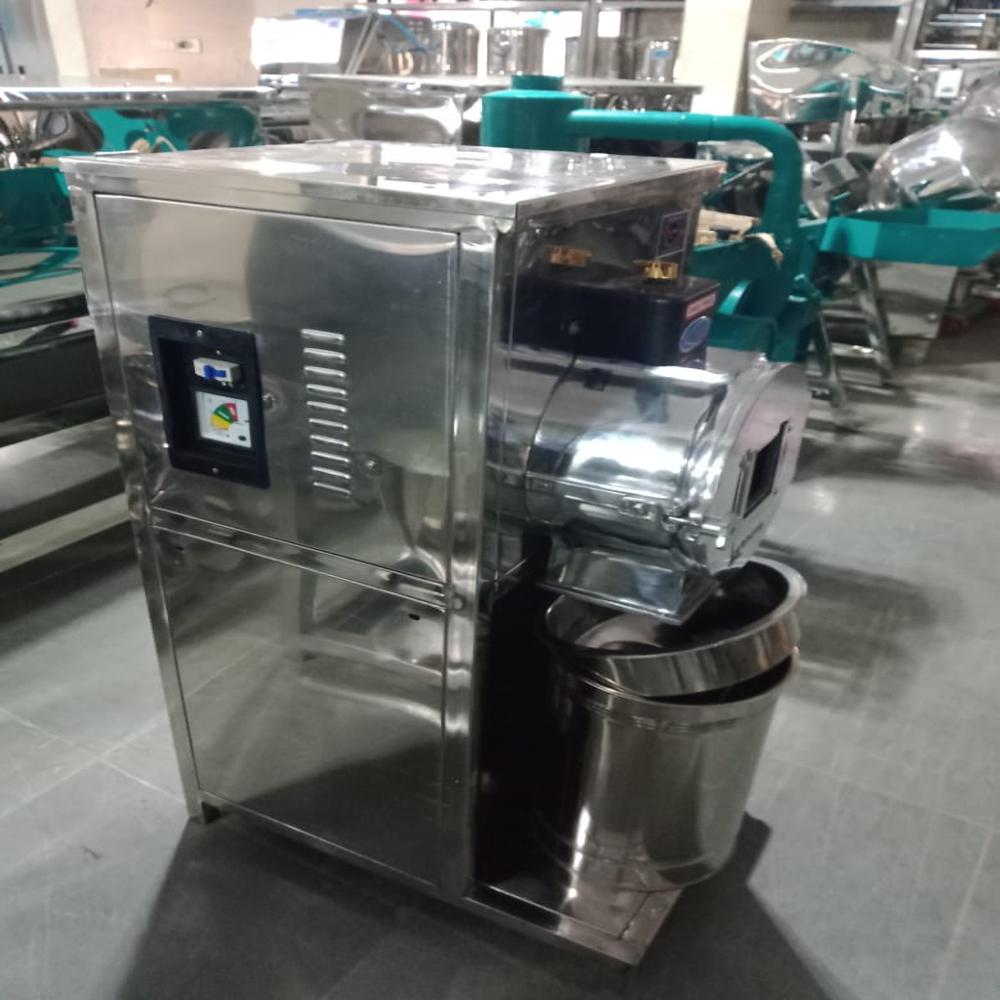
Pulverizers frequently encounter immense resistance when processing large, dense chunks of raw material. This resistance can cause the motor to draw excess electrical current, posing an immediate risk of overheating or short-circuiting. To prevent motor burnouts, professional units incorporate a dedicated Air-Circuit Breaker / Overload Protector (OLP) switch, typically mounted on the exterior base or control panel.
If the internal temperature of the motor coils or the current draw exceeds a safe threshold, the breaker trips mechanically, instantly cutting power to the motor. Once the unit cools or the jam is cleared, the operator can simply press the reset button to restore operation.
To prevent user error from over-processing materials or running the machine for dangerously long cycles, pulverizers use an integrated mechanical or digital countdown timer switch. Operators can dial in an exact processing timetypically ranging from 1 to 5 minutes.
The machine automatically shuts off when the timer reaches zero. This feature ensures precise recipe repeatability across batches while preventing the motor from running continuously and overheating the material inside the chamber.
The immense rotational kinetic energy inside the chamber creates an equal and opposite torque force on the base of the machine. Without proper anchorage, a lightweight or unsecured mill can slide or "walk" across slick stainless steel workstations.
To counteract this movement, pulverizer bases feature wide-set, heavy-duty rubber suction-cup feet. These specialized feet create a firm vacuum seal against smooth industrial work surfaces, keeping the machine safely anchored in place during intense grinding cycles.
Achieving a professional-grade powdered output depends as much on separating and grading the particles after grinding as it does on the spinning blades themselves.
The fineness of a pulverized powder is universally measured using the Mesh Scale, which counts the number of openings per linear inch of a screen.
A lower mesh count indicates a coarser powder, suitable for standard spices or granulations.
A higher mesh count represents an ultra-fine, velvety dust, which is required for pharmaceutical capsules, cosmetics, and premium baking flours.
High-velocity pulverizers can easily reduce hard materials down into an adjustable range depending on total run time.
In batch-type pulverizers, particle size is primarily controlled by modifying the duration of the grinding cycle. However, to guarantee absolute uniformity and eliminate any stray, oversized particles, a matching stainless steel sifter or grading sieve is utilized alongside the machine.
Once the chamber is tilted and discharged, the raw powder is passed through the sifter screen. Fine particles that meet the mesh specification pass right through into the final collection tray, while any remaining oversized pieces are retained on top of the mesh and returned to the pulverizer chamber for a quick secondary processing cycle.
In large-scale continuous industrial pulverizers, manual sifting is replaced by integrated Air Classifiers. An internal fan generates a controlled upward airstream inside the grinding chamber.
Lightweight, micro-fine particles that have reached the target size are caught by the airflow and drawn out into a cyclone collector. Heavier, unground particles fall right back down into the grinding zone. This continuous pneumatic sorting system eliminates the need for manual sifting, maximizing throughput for non-stop industrial processing.
Because pulverizers operate under extreme physical stress and high rotational friction, following meticulous maintenance and cleaning protocols is essential to extending the life of the drive components and maintaining strict sanitary standards.
For pulverizers used primarily for dry milling, minimizing exposure to moisture inside the grinding chamber is highly recommended. Introducing water to fine residual dust can create a stubborn, sticky paste that wedges itself into the drive shaft seal, which can dry out and lock up the spindle over time. The preferred maintenance routine follows a dry workflow:
Chamber Sweeping: Use a high-density natural bristle brush to sweep the chamber walls, the underside of the blades, and the lid rim, collecting all loose powder.
Compressed Air Blowing: Utilize a low-pressure compressed air line or a dedicated blower to clear out any ultra-fine dust trapped in the threads of the locking clamps, cooling vents, and around the blade spindle.
Sanitization Wipe: Wipe down the interior surfaces with a clean microfiber cloth lightly dampened with food-grade isopropyl alcohol . This sanitizes the stainless steel surface and evaporates almost instantly, leaving behind zero moisture that could rust the blades or ruin subsequent dry batches.
The mechanical connection where the motor shaft drives the blade assembly must be checked regularly for wear. In direct-drive setups, users must ensure that the primary locknut securing the blade stack to the spindle remains tightened to the exact torque specification. If this nut loosens due to vibration, the blades can wobble, which accelerates bearing wear and can permanently distort the drive shaft.
Operators must also follow a strict rule for longevity: always allow the motor to come to a complete, dead stop before opening the lid clamps or tilting the machine. Forcing the unit to tilt or opening the lid while the blades are slowing down creates imbalanced gyroscopic loads that put severe stress on the motor bearings.
Over months of continuous operation, hitting hard materials will gradually wear down the leading edge of the blades. To keep the machine performing optimally:
Inspect Regularly: Check the blade faces for pitting, micro-cracks, or uneven wear that could throw the assembly out of balance.
Maintain Rotor Balance: If one blade loses significantly more mass than the other, it creates an asymmetric weight distribution. Even a milligram of imbalance generates heavy centrifugal forces that can shatter the drive bearings and ruin the motor.
Replace as Sets: Always replace blades as a complete, factory-balanced set rather than changing a single blade. This simple practice keeps the machine running smoothly and quietly for years of reliable, high-speed pulverizing.

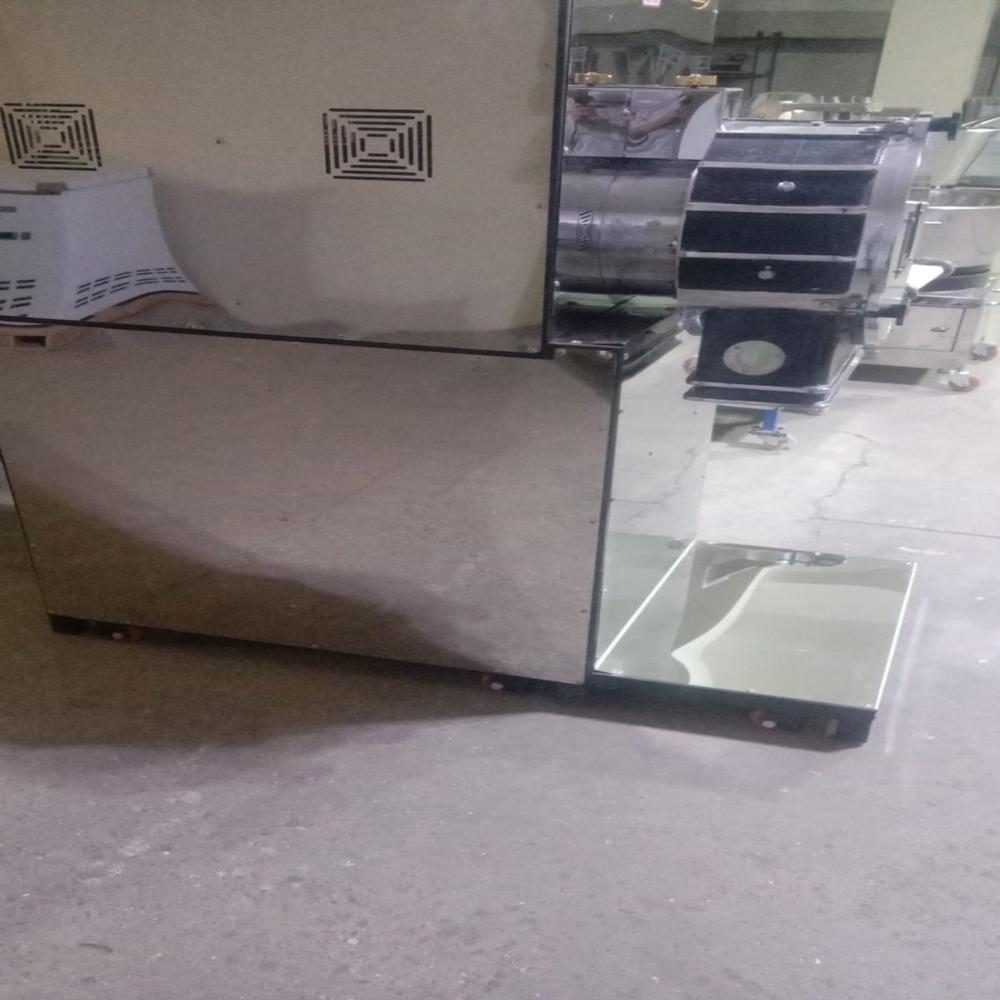

Price:
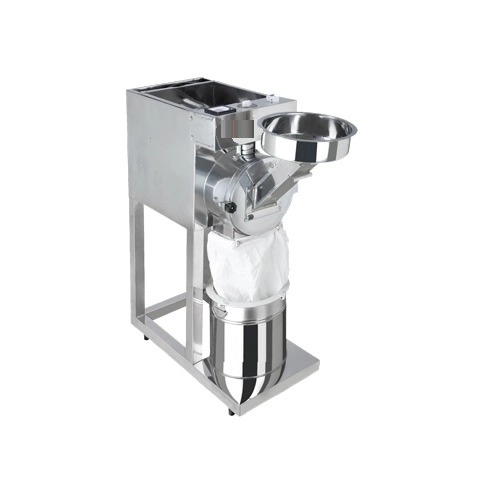
Price 32000.0 INR / NUMBER
Minimum Order Quantity : 1 Number
Usage : Other, Dough Kneading
Machine Type : ELECTRICAL
Product Shape : Other
Material : Stainless Steel
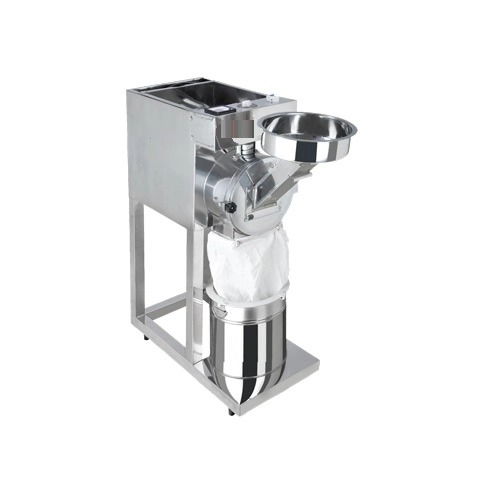
Price 32000.0 INR / NUMBER
Minimum Order Quantity : 1 Number
Usage : Other, Commercial/Industrial
Machine Type : ELECTRICAL
Product Shape : Other
Material : Stainless Steel

Price 32000.0 INR / Number
Minimum Order Quantity : 1 Number
Usage : Other, Dough / Atta Kneading
Machine Type : ELECTRICAL
Product Shape : Other
Material : Stainless Steel

 Send Inquiry

 Send Inquiry