


Talk to us
08071791510
Talk to us
08071791510
The coconut palm (Cocos nucifera), frequently referred to as the "Kalpavriksha" (the wish-fulfilling tree) in ancient Sanskrit literature, is a foundational element of coastal economies and culinary heritage across the global tropics. From South Asia to Southeast Asia, East Africa, and the Caribbean, the white, nutrient-dense internal endospermthe coconut meatis an indispensable ingredient in daily diets. It provides the flavor and structural base for staples like South Indian chutneys, Sri Lankan sambols, Indonesian rendang, and Thai green curries, alongside traditional sweets like ladoos and modaks.
Despite its culinary value, extracting fresh coconut meat presents a severe physical challenge. The meat is securely housed inside a highly resilient, woody endocarp (the shell), which is protected by a thick, fibrous outer husk.
Historically, accessing this meat required manual, labor-intensive, and inherently hazardous tools:
The Stationary Blade (Boti or Bathan): This traditional tool features a long, curved, serrated blade mounted vertically onto a heavy wooden or iron base. The operator sits on the floor, stabilizes the base with their foot, and manually forces a coconut half against the exposed sharp edge.
The Inherent Hazards: This method demands intense physical exertion from the lower back, shoulders, and wrists. Slipping against the exposed blade frequently caused severe lacerations, and years of daily use often led to chronic musculoskeletal disorders.
As agrarian societies transitioned into dense urban centers during the mid-to-late 20th century, the time-intensive nature of traditional coconut scraping became a major bottleneck in home cooking. While large-scale industrial shredders existed for commercial oil mills and desiccated coconut processing plants, these bulky, high-horsepower units were completely unsuited for residential kitchens, small food stalls, or boutique catering operations.
This stark divide drove the development of the Small-Scale Coconut Scraper. Engineered specifically to bridge the gap between exhausting manual labor and overpowering industrial machinery, this compact appliance scales down industrial mechanical principles into an ergonomic, space-saving countertop tool. It delivers automated speed while maintaining a compact footprint tailored for modern kitchens.
From an engineering perspective, a small-scale coconut scraper balances torque, rotational velocity, structural rigidity, and material longevity. Whether operated via a human-powered hand crank or an automated electric motor, its internal systems follow a precise mechanical layout.
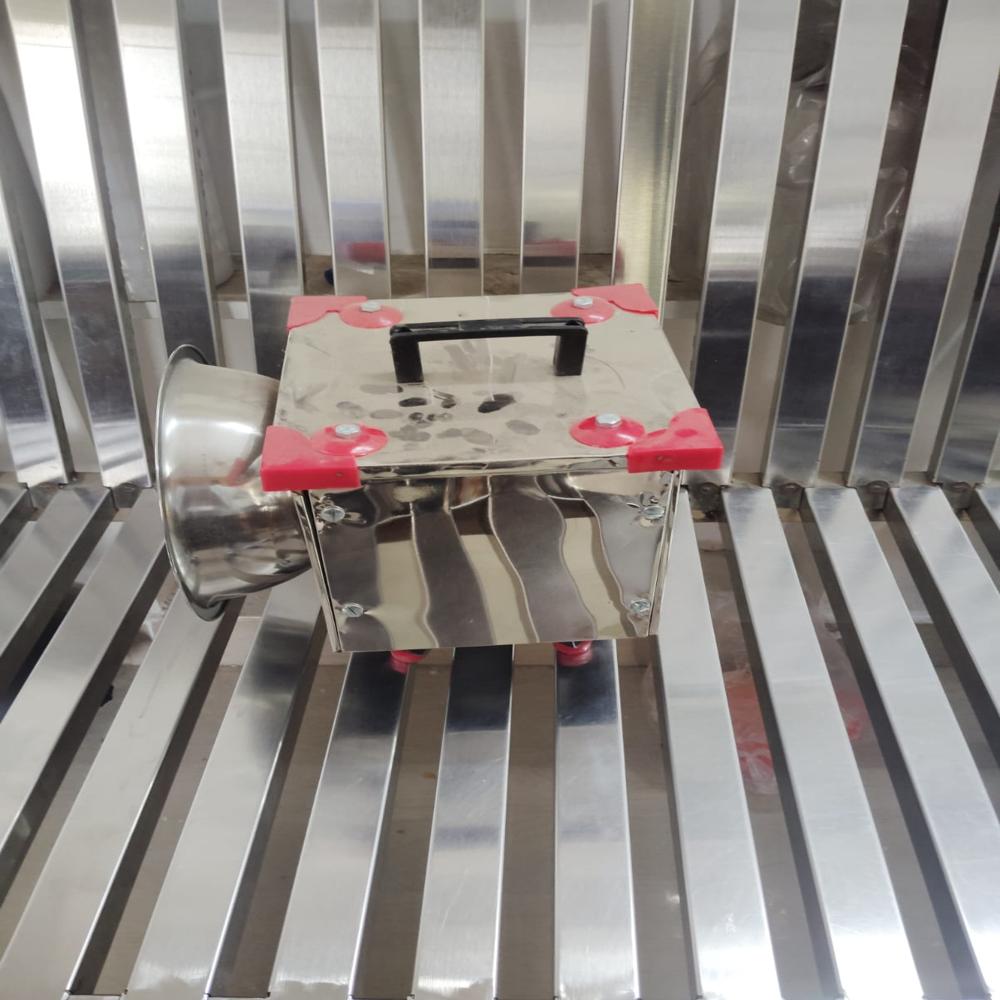
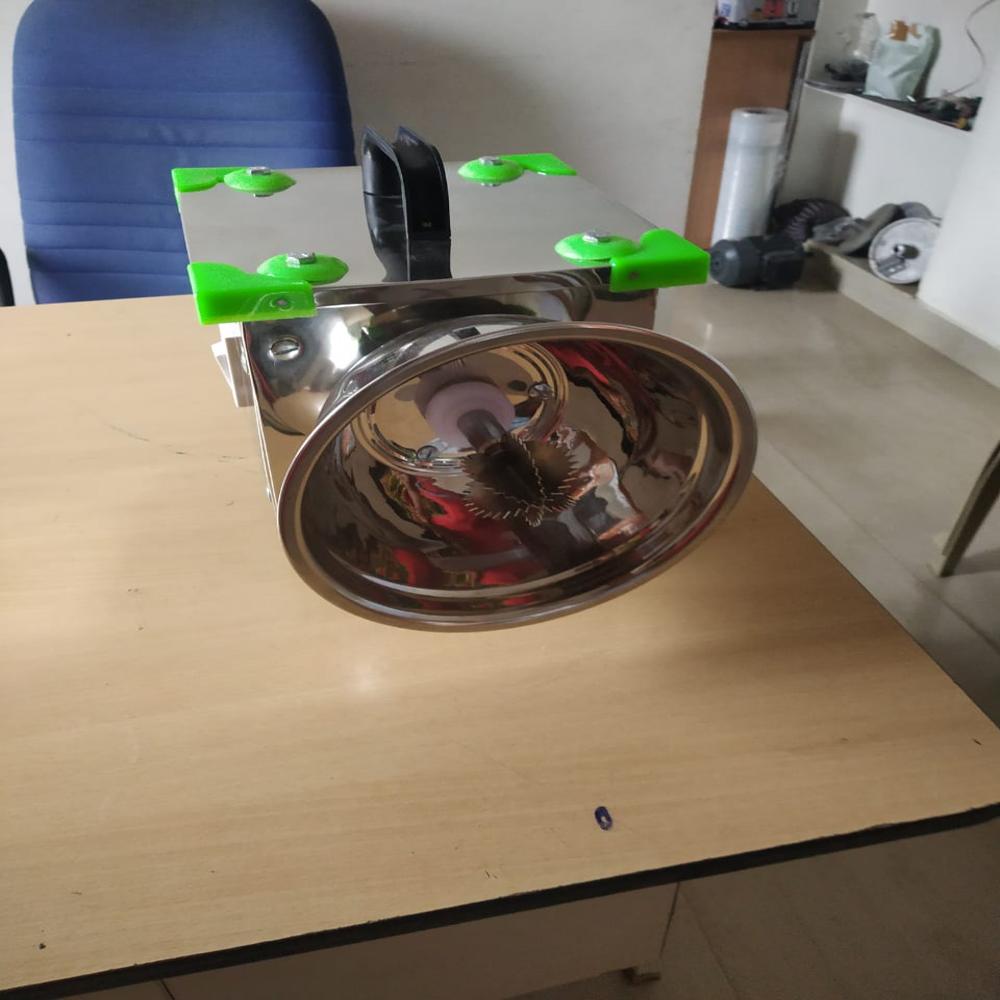
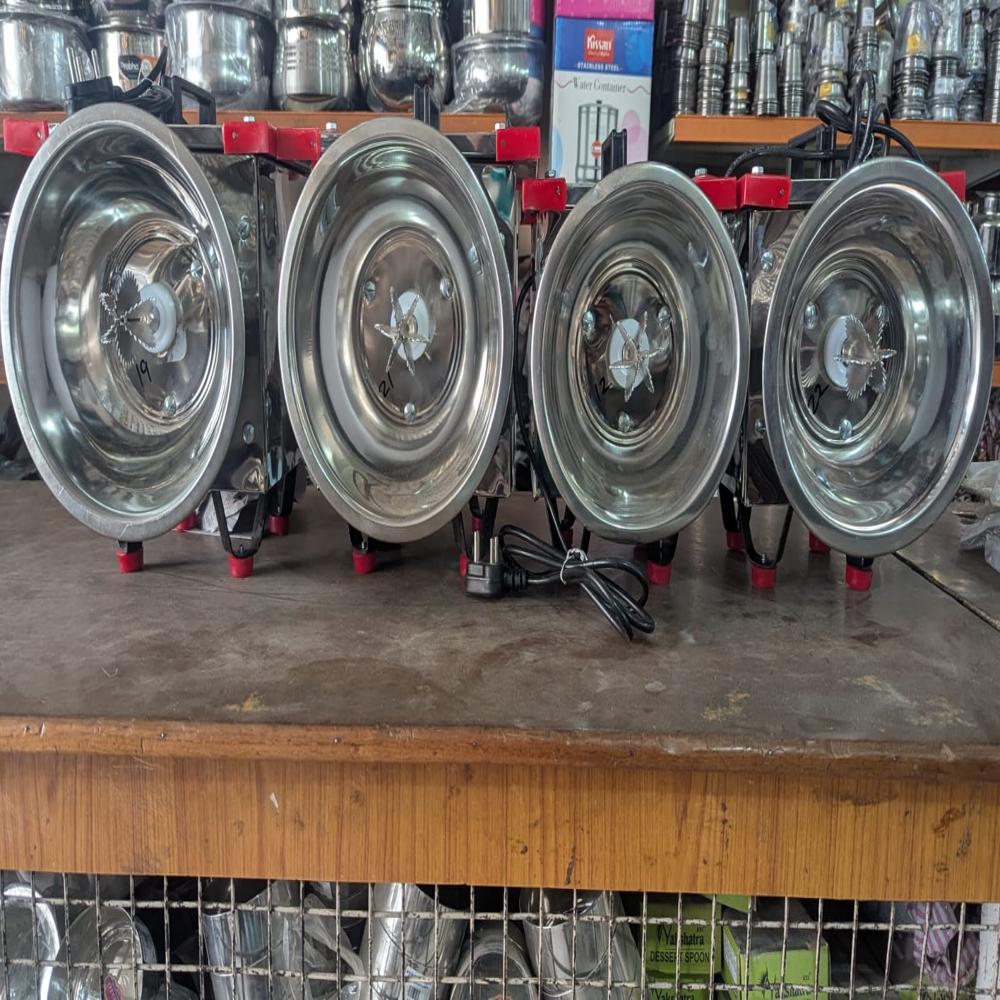
[ The scraping head directly contacts the coconut meat. Its design mimics the natural prolate spheroid or truncated cone shape of a standard coconut interior, maximizing surface contact as it spins.
Serration Topography: The surface features a dense network of sharp, miniature teeth arranged in a helical or staggered pattern. Rather than crushing or pulverizing the meat into an oily paste, these teeth act as individual micro-chisels that cleanly shave off uniform, aerated flakes.
Metallurgy (SS304): Premium heads are manufactured from Food-Grade 304 Austenitic Stainless Steel. This alloy contains roughly 18% chromium and 8% nickel, creating a self-healing chromium oxide passive film on its surface. This film provides vital protection against the highly corrosive organic acids and high moisture levels found in fresh coconuts, preventing rust and ensuring no metallic taste transfers to the food.
Because scraping exerts simultaneous downward and lateral forces, the appliance must remain completely stable during operation. Small scrapers achieve this through three primary mounting designs:
Vacuum Suction Base: A heavy-duty rubber suction pad at the base is controlled by an external lever. When engaged, it creates a powerful vacuum seal against smooth countertops (like granite, marble, or polished laminate), preventing sliding or tipping.
C-Clamp Assembly: Commonly used on manual models, an adjustable heavy-duty metal clamp secures the base directly to the edge of a table or countertop.
Weighted Rubberized Feet: Electric models often combine high-density, vibration-dampening rubber feet with a weighted internal base plate to anchor the unit through gravity and friction.
Designing a small coconut scraper requires careful consideration of human factors. Unlike standard food processorswhere ingredients are sealed inside a jar and processed remotelya coconut scraper requires a human-machine partnership. The user holds the rigid coconut half in their hands and manually guides it against a spinning metal blade.
Traditional floor scraping puts severe stress on the lumbar spine, hamstring muscles, and knee joints. The countertop scraper shifts this work plane to standard counter height , allowing the operator to stand or sit upright.
A common flaw in early mechanical designs was the erratic dispersion of scraped coconut. Modern small scrapers solve this by integrating a wide-mouthed collection tray or a detachable curved splash guard directly behind the blade. This shield captures the trajectory of the falling flakes and channels them neatly into a bowl below, keeping the workspace clean and sanitary.
Proper post-operational care directly dictates the performance and hygiene of a small coconut scraper. Because coconut meat has a high fat and moisture content, improper cleaning leads to rancidity and bacterial growth.
Coconut meat contains roughly 33% oil and 45% water. When scraped, a thin film of lipids and micro-particles coats the blade and splash guard. If left exposed to air, these unsaturated and saturated fatty acids undergo oxidative rancidity, producing a sour odor and creating a sticky, stubborn film. This nutrient-rich organic residue also serves as an ideal breeding ground for foodborne pathogens, including bacteria and molds.
Avoid Abrasives: Do not use abrasive steel wool or harsh chlorine bleach on the stainless steel head. These scratch the polished surface, creating microscopic grooves where bacteria can easily hide.
Shaft Lubrication: Over time, washing can deplete the internal lubricant of the drive shaft. Applying a drop of food-grade mineral oil or pure coconut oil to the shaft entry point every few months maintains smooth rotation and preserves the rubber seals.
The mechanics of how coconut meat is extracted have a direct, scientifically verifiable impact on its taste, texture, and performance in recipes.
Coconut meat is comprised of thousands of individual plant cells containing water, proteins, and microscopic droplets of coconut oil.
When individuals try to save time by cutting coconut meat into chunks and throwing them into a high-speed blender, the heavy impact blades crush the plant cell walls. This forces the bound oil out of its cellular structure, turning the mixture into a greasy, dense paste. When heated, this exposed oil can oxidize rapidly, occasionally leaving a heavy, soap-like aftertaste.
In contrast, the sharp, miniature teeth of a small scraper head shear through the meat cleanly, shaving off incredibly thin layers. This technique keeps most of the cell walls intact. The resulting flakes are light, aerated, and fluffy, retaining their natural sugars and internal moisture.
For dishes requiring fresh coconut milk, the quality of the scraped flakes is critical:
First Press (Thick Milk): Fluffy, uniformly scraped coconut creates an ideal surface area for manual pressing. When squeezed, it easily releases its concentrated, nutrient-dense primary emulsion.
Second Press (Thin Milk): Because the cellular structure remains largely intact, the flakes absorb warm water efficiently during a second wetting, enabling a highly effective secondary extraction.
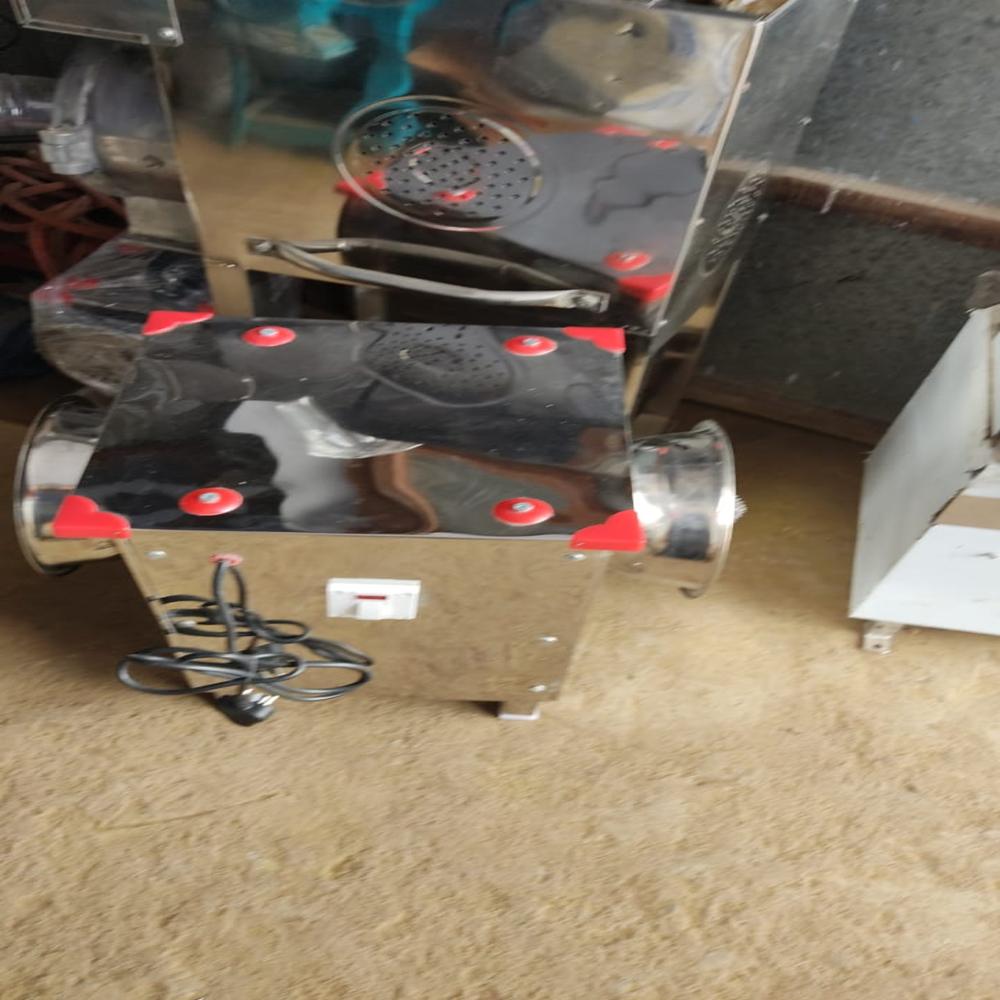
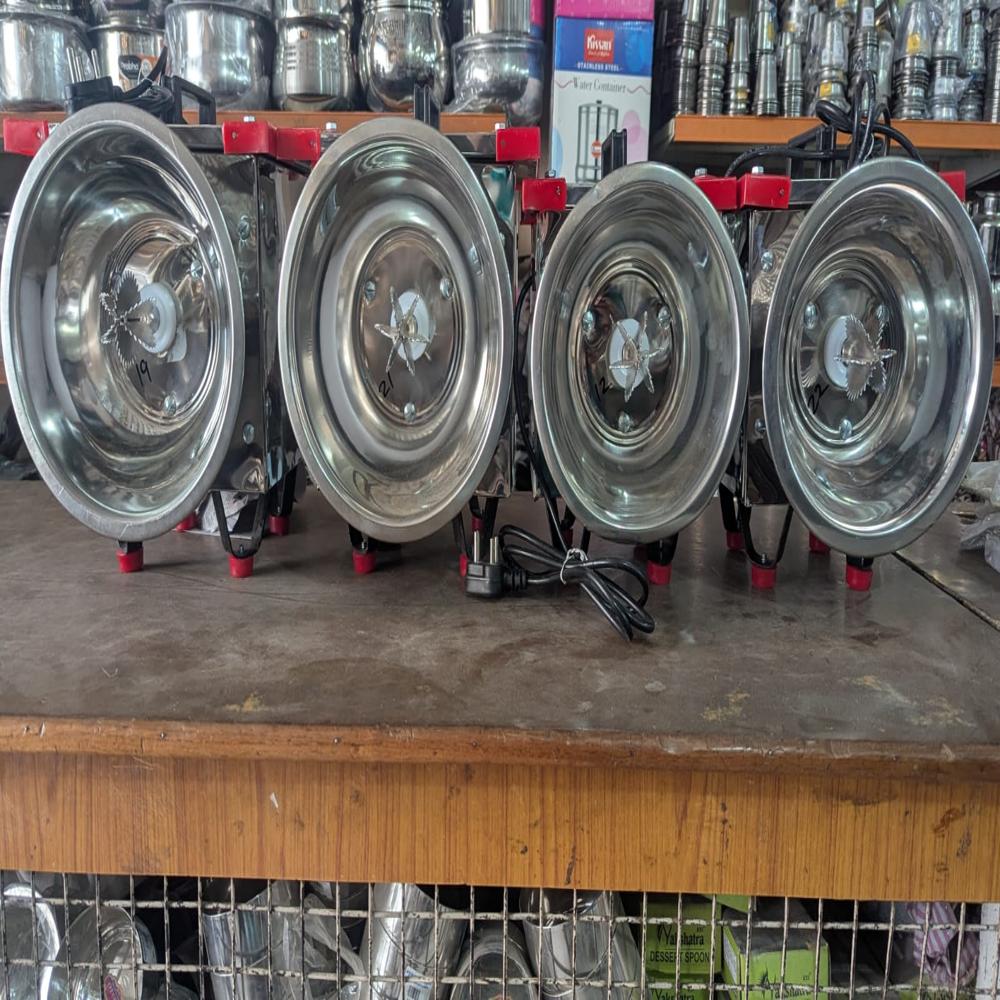

Price:
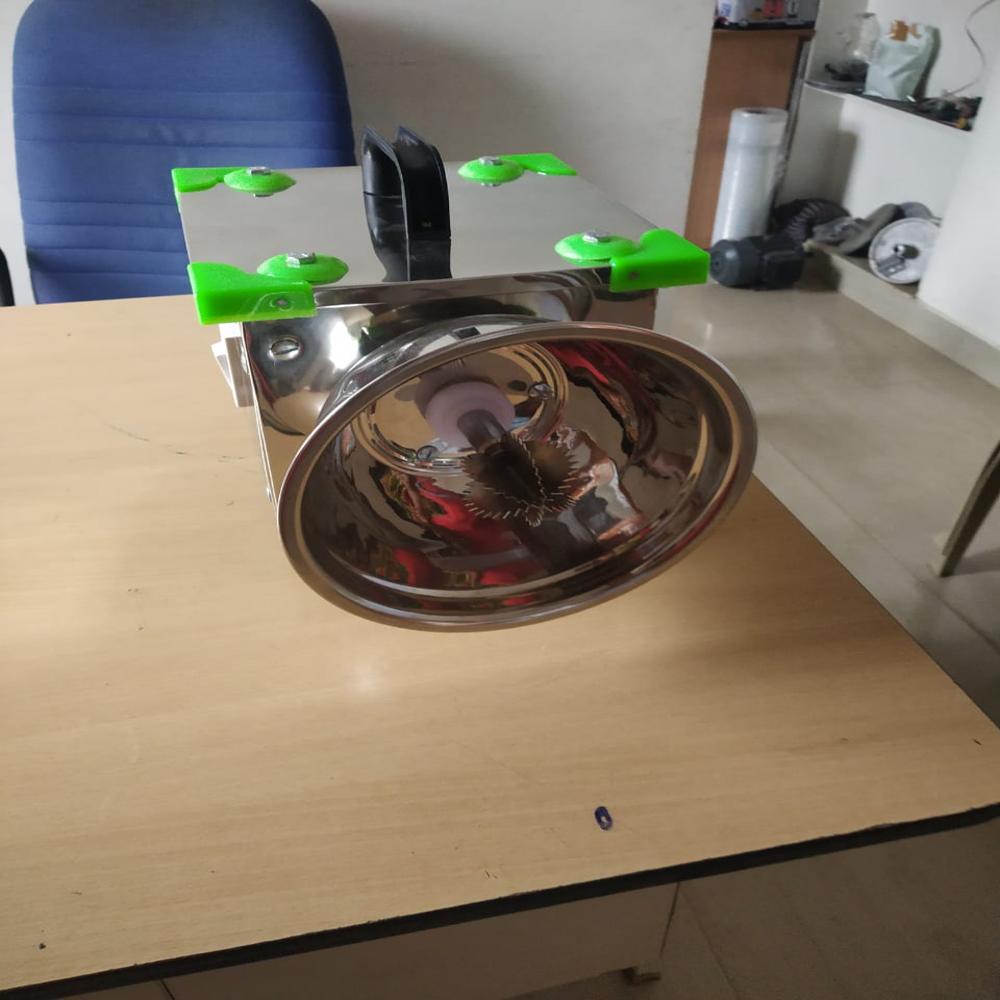
Price 3500.0 INR / Number
Minimum Order Quantity : 1 Number
Speed Mode : Fixed
Function Type : Grinding
Computerized : No
Color : Other
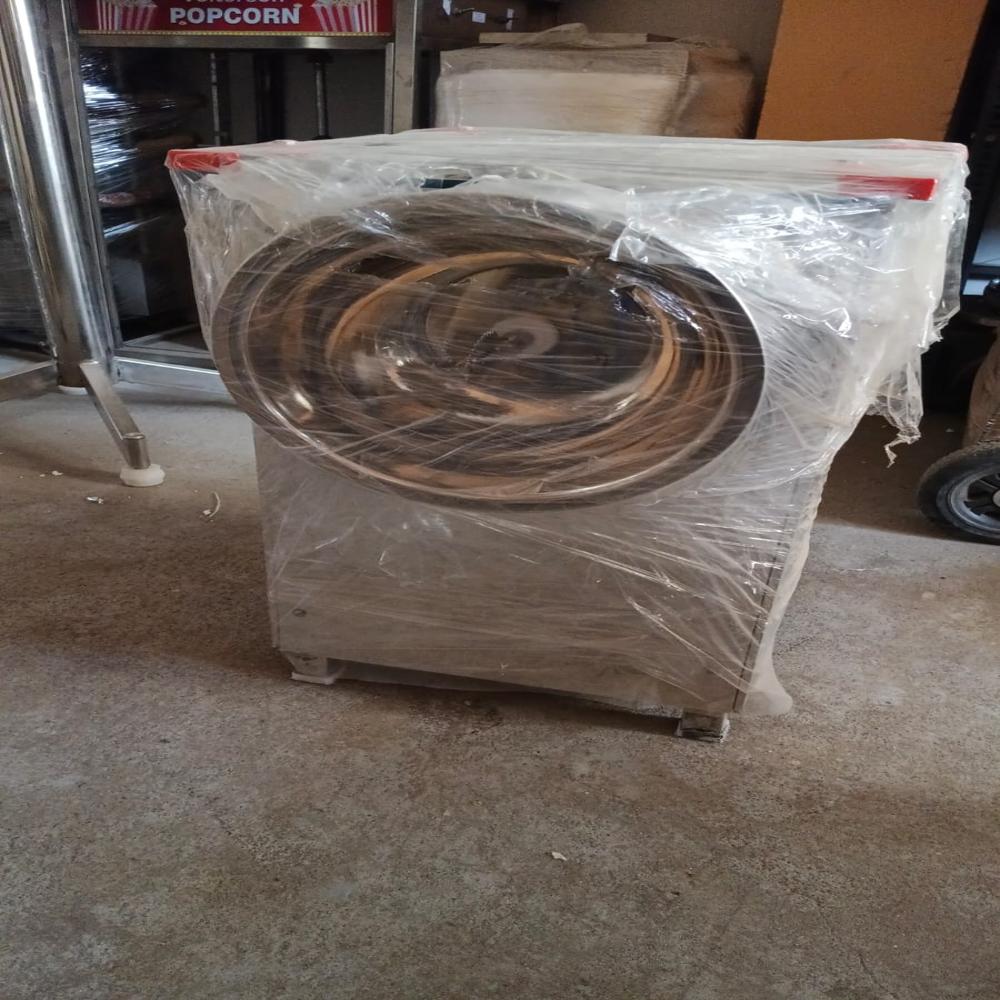
Price 9500.0 INR / Number
Minimum Order Quantity : 1 Number
Speed Mode : Fixed
Function Type : Grinding
Computerized : No
Color : Other
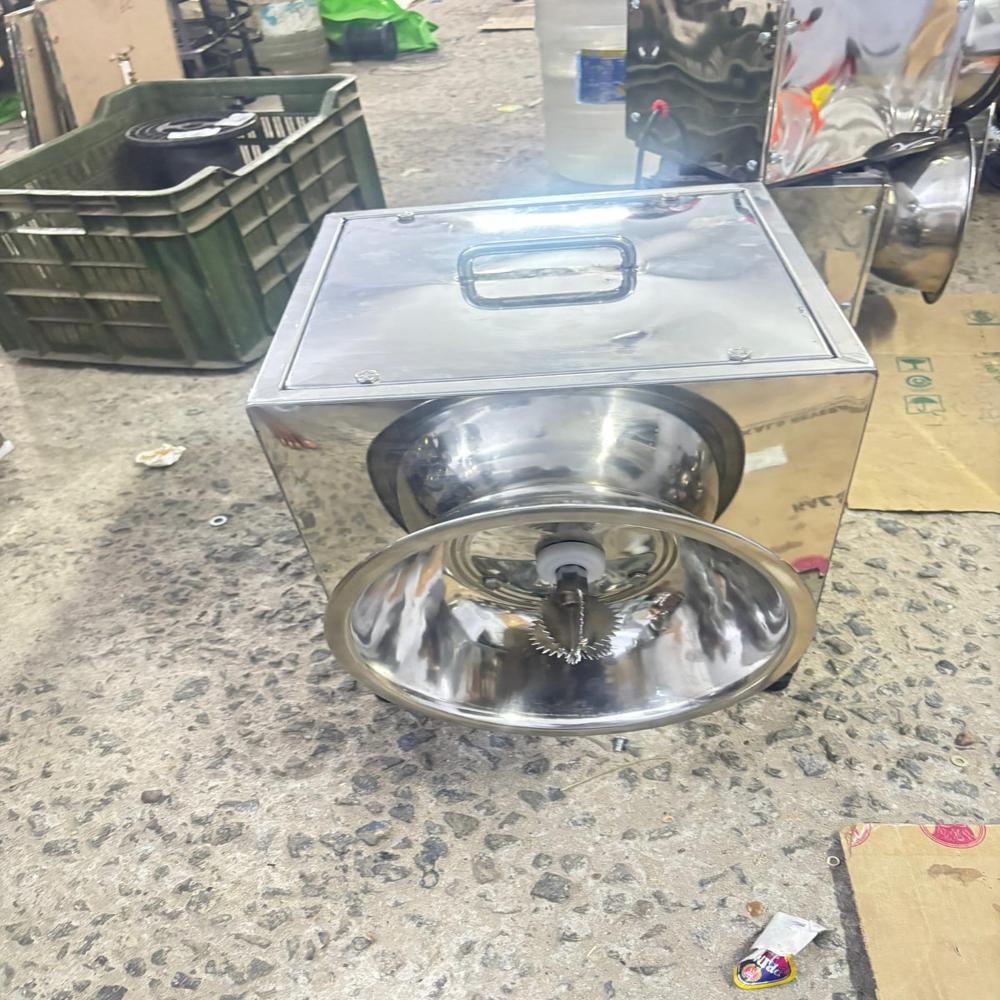
Price 7500.0 INR / Number
Minimum Order Quantity : 1 Number
Speed Mode : Fixed
Function Type : Grinding
Computerized : No
Color : Other
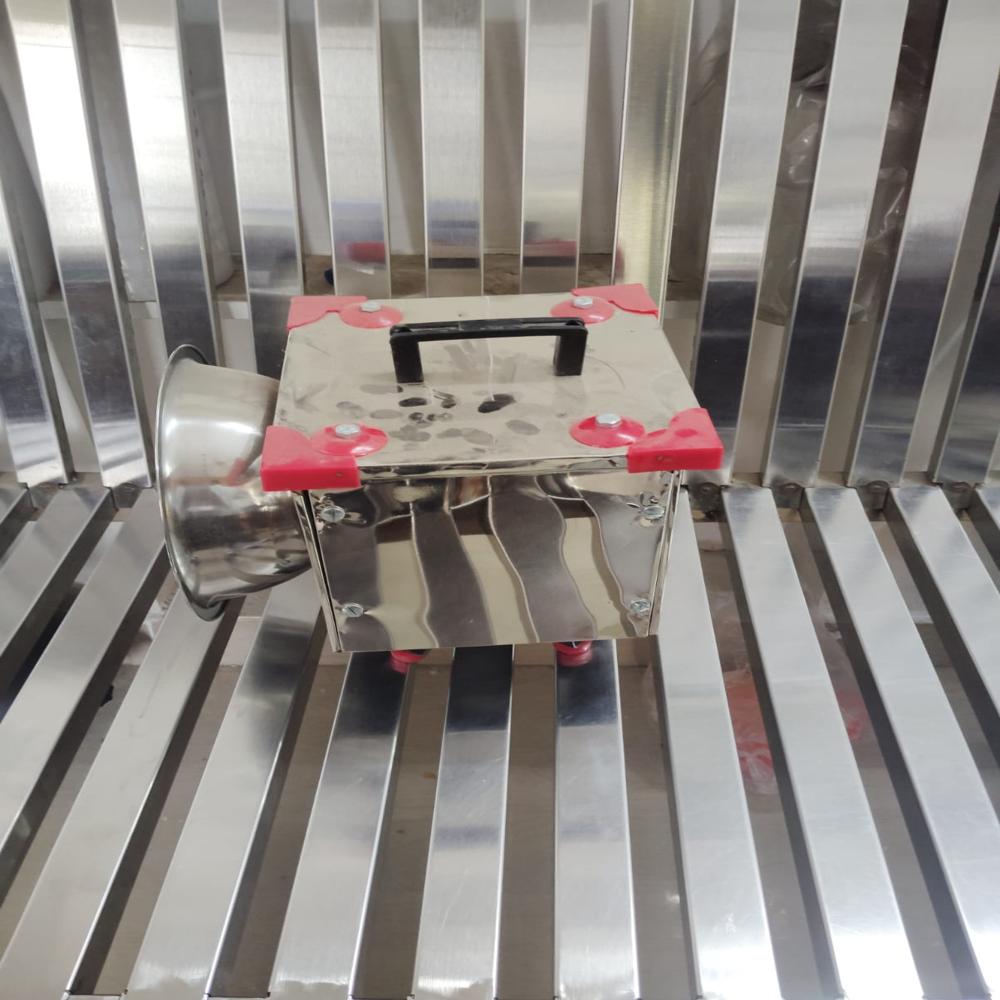
Price 2500.0 INR
Minimum Order Quantity : 1 Number
Speed Mode : Fixed
Function Type : Grinding
Computerized : No
Color : Other

 Send Inquiry

 Send Inquiry