


Talk to us
08071791510
Talk to us
08071791510
The global food processing sector is undergoing a massive transformation driven by automation, hygiene regulations, and efficiency. At the core of this transformation is the industrial ginger peeling machinea critical innovation replacing labor-intensive, unhygienic, and wasteful manual processing. Ginger (Zingiber officinale), prized globally for its culinary, therapeutic, and nutraceutical properties, presents unique structural challenges for automated processing. Its irregular morphology, characterized by branching knobs, dense fibrous nodes, and a highly variable skin-to-flesh thickness ratio, has historically resisted standardized mechanical treatment.
For decades, the commercial utilization of ginger for pastes, powders, essential oils, and dried flakes relied on manual scraping with knives or spoons. This method is slow and leads to raw material loss, with manual peeling often removing up to 20% to 35% of the valuable outer flesh where essential oils are concentrated.
The modern industrial ginger peeling machine solves this problem through mechanical automation, advanced material engineering, and precisely calibrated physical principles. Utilizing techniques such as brush-roller friction, abrasive attrition, hydrostatic pressure, and pneumatic shearing, these systems clean and peel fresh ginger root at scale.
Implementing automated ginger peeling delivers three core advantages:
Yield Maximization: Advanced peeling profiles reduce flesh loss to under 5% to 8%, directly increasing profitability.
Microbiological Safety: High-pressure water systems combined with continuous friction remove soil-borne pathogens like Salmonella, E. coli, and Listeria found in raw root creases.
Operational Scale: A single automated line replaces dozens of manual laborers, stabilizing production rates and insulating processors from labor shortages and rising wages.
To understand the mechanical requirements of a ginger peeling machine, one must analyze the raw material's physical properties. Ginger is a rhizome, not a uniform tuber like a potato. Its structural profile includes a thin skin (periderm), a dense vascular cambium layer rich in essential oils and oleoresins, and a fibrous inner core.
The branching structure of ginger creates natural crevices, junctions, and "fingers." Standard cylindrical skin-removal tools fail here, either crushing the protruding fingers or skipping the narrow recesses. Industrial peeling machines overcome this by using flexible, high-tensile brush filaments or precisely graded abrasive surfaces that contour to the rhizome's changing shape.
The adhesion of ginger skin varies significantly based on harvest timing and storage:
Freshly Harvested (Green) Ginger: Features a highly hydrated, loosely bound periderm that peels easily under low mechanical friction.
Cured or Semi-Dried Ginger: The skin undergoes suberizationa defense mechanism where cells cross-link with lipids, creating a tough, leathery, and firmly attached skin. This requires high-shear abrasion or combined thermal-mechanical treatment for removal.
An industrial ginger peeling machine is an integrated system of mechanical, hydraulic, and electrical components designed for continuous operation.
The processing journey begins at the intake hopper, which is geometrically optimized to prevent bridgingwhere interlocking ginger roots block the throat. Heavy-duty batch systems use top-loading gravity hoppers with counterweighted baffled gates, while continuous lines use integrated vibratory feeders or inclined cleated flights. These feed mechanisms spread the rhizomes into a uniform single layer before they enter the processing drum.
The core of the machine features a multi-roller bed, arranged in a concave semi-cylindrical trough. This curved bed forces the ginger into a central path, ensuring every root maintains contact with the peeling elements.
The rollers rotate in alternating or synchronized directions via a heavy chain drive or geartrain. This movement creates a dynamic fluid bed where the ginger constantly rolls, tumbles, and rotates along three axes, exposing all surfaces to the peeling mechanism.
Peeling cannot happen effectively without continuous waste removal. An overhead water manifold runs parallel to the roller bed, fitted with high-velocity fan-spray nozzles. These nozzles deliver pressurized water directly onto the tumbling ginger. This hydraulic action serves two purposes:
It applies hydro-shear forces that help loosen the skin.
It instantly flushes away peeled skin slurry, preventing it from re-depositing on the roots or clogging the abrasive surfaces.
Power is delivered by an industrial three-phase AC induction motor coupled with a heavy-duty helical reduction gearbox. This setup provides high torque at low rotational speeds, which is essential for starting the machine when fully loaded with dense rhizomes.
Power is transferred to the rollers using industrial double-strand roller chains or heavy V-belt configurations. Modern machines include a Variable Frequency Drive (VFD), allowing operators to adjust roller speeds M based on the ginger's skin toughness and freshness.
Once peeled, the ginger moves toward the discharge gate, controlled by a manual lever or an automated pneumatic actuator. Beneath the entire roller bed sits a sloped wastewater collection sump. This sump features a dual-stage filtration system: a removable primary perforated basket catches large skin fragments, while a secondary fine-mesh stainless steel screen filters out micro-particulates before the water enters factory drainage or recycling loops.
Ginger peeling machines are categorized by their peeling mechanisms and processing styles. Choosing the right configuration depends on the intended final use of the gingerwhether it is destined for wholesale fresh markets, high-volume paste manufacturing, or volatile oil extraction.
This configuration uses rollers closely packed with stiff nylon filaments, arranged in staggered or spiral patterns.
Operational Mechanism: The tips of the spinning nylon bristles act as flexible micro-scrapers. As the ginger rolls across the bed, these bristles flex into the crevices and junctions around the knobs.
Best Used For: Fresh, young, or lightly cured ginger destined for the fresh market or dehydration. It cleans and peels gently without gouging the premium inner flesh.
Here, the steel rollers are coated with a rugged layer of fused carborundum or silicon carbide grit.
Operational Mechanism: This method relies on attrition milling. The rough roller surface grinds away the leathery periderm through high-friction contact.
Best Used For: Heavily cured, dried, or long-stored rhizomes with tough skins, typically intended for industrial purees, extracts, or essential oil distillation. It offers fast processing but can cause higher flesh loss if run times are not managed carefully.
A specialized design where ginger passes through a tunnel lined with high-density, ultra-high-pressure water jet nozzles .
Operational Mechanism: Pure kinetic energy from the water strips away the skin. The water acts as a liquid knife, penetrating crevices without damaging the underlying flesh.
Best Used For: Organic processing lines where mechanical friction must be minimized, and premium operations demanding low product loss. It requires significant water filtration and recycling support.
Used primarily in advanced, fully continuous processing facilities.
Operational Mechanism: Ginger undergoes a brief pressure-cycling phase or a light steam treatment to loosen the skin's cellular bond. It then enters a high-velocity air-vortex chamber where compressed air blasts peel fragments away.
Best Used For: Large-scale operations where water use is restricted or dry waste collection is preferred.
The performance of an automated ginger peeler relies on a precise balance of physical forces. Optimizing these values is key to maximizing peeling efficiency while minimizing flesh loss.
Peeling occurs when the shear stress applied by the roller surface exceeds the shear strength of the ginger skin, but remains below the shear strength of the inner rhizome tissue.
By regulating omega via the Variable Frequency Drive, operators can maintain the ideal shear threshold. This strips the skin cleanly without bruising the underlying cell structures.
The water manifold system relies on fluid mechanics to clear waste effectively. To strip skin fragments from abrasive surfaces, the fluid impact pressure from the spray nozzles must overcome the skin's wet adhesion force
Adjusting the spray angle relative to the roller rotation creates a shearing wash. This cleans the rollers and flushes out peel slurry without generating excessive mist or wasting water.
Mechanical friction generates localized heat at the contact point between the ginger and the roller. If unmanaged, this temperature rise can cook surface proteins, damage volatile essential oils , and cause surface browning.
Continuous water cooling keeps surface temperatures safely within ambient ranges, preserving the ginger's natural aroma, color, and chemical integrity.
Modern ginger peeling machines are designed to integrate smoothly into automated, continuous food processing lines.
Advanced ginger peelers feature an integrated control panel managed by a Programmable Logic Controller (PLC). These systems monitor and adjust machine parameters through a digital interface:
Intake Tuning: Synchronizes upstream vibratory conveyor speeds with internal roller processing times to prevent overloading the peeling chamber.
Dwell Time Management: Uses automated pneumatic discharge gates to regulate exactly how long each batch remains in the peeling chamber, tailoring the cycle to the ginger's freshness.
Water Management Systems: Uses solenoid valves to run water sprays only when ginger is present in the chamber, cutting water use during production pauses.
In full production facilities, the peeler serves as a vital middle step in an automated sequence:
[Bulk Ginger Crates] 1. Rotary Drum Destoner Removes heavy stones, gravel, and packed dirt 2. Continuous Soaking Flume Hydrates leathery skin for easier peeling 3. Automated Ginger Peeler Core peeling and skin removal stage 4. Optical Inspection Conveyor Quality check for manual touch-ups if needed 5. Slicing, Pasting, or Drying Final down-stream value-add processing Industrial ginger peeling machines are equipped with a comprehensive sensor network to ensure safe and efficient operation:
Inductive Proximity Switches: These sensors ensure the main chamber doors or maintenance hoods are fully closed. If a shield is opened during operation, the control loop instantly cuts power to the drive motor.
Current-Overload Monitors: The PLC tracks motor current draw. If a large foreign object, like a stone or piece of wood, jams the rollers, the sudden current spike triggers an automatic emergency shutdown and reverses the rollers slightly to clear the jam.
Optical Sorting Systems (Optional Integration): High-end lines include downstream color-sorting cameras. These sensors check the peeled ginger as it exits, identifying any pieces with remaining skin and routing them back to the intake for a second pass.
In commercial food production, equipment reliability and sanitation compliance are just as critical as raw processing speed.
Ginger peeling equipment must comply with strict global food safety standards, including Sanitary Design Principles from the EHEDG (European Hygienic Engineering & Design Group) and FDA guidelines.
Hygienic Geometry: Internal welds are ground smooth and polished to a mirror finish to remove microscopic pockets where bacteria could grow.
CIP Spray Bars: Integrated clean-in-place spray nozzles deliver hot sanitizing flushes or chemical solutions throughout the chamber, cleaning the rollers without requiring full disassembly.
Quick-Release Shaft Mechanisms: Rollers can be swapped or removed without dismantling the main drive train, simplifying deep cleaning and maintenance.
Symptom: High Product Loss (Flesh Gouging)
Root Cause Analysis: Roller speeds are too high, or batch dwell times are set too long.
Correction: Reduce the VFD frequency to lower roller RPM, or adjust the discharge gate timer for a shorter peeling cycle.
Symptom: Poor Peel Quality (Skin Left in Crevices)
Root Cause Analysis: Abrasive surfaces are worn down, or water pressure is insufficient to clear peel debris from the rollers.
Correction: Re-coat the carborundum rollers, replace worn brush segments, and check the water pump to ensure adequate pressure and flow.
Symptom: Excessive Machine Vibration or Rattling Noise
Root Cause Analysis: Drive chains have stretched, or internal bearings are failing due to water contamination.
Correction: Tighten or replace loose drive chains, check alignment, and swap out worn bearings with new, double-sealed water-resistant models.
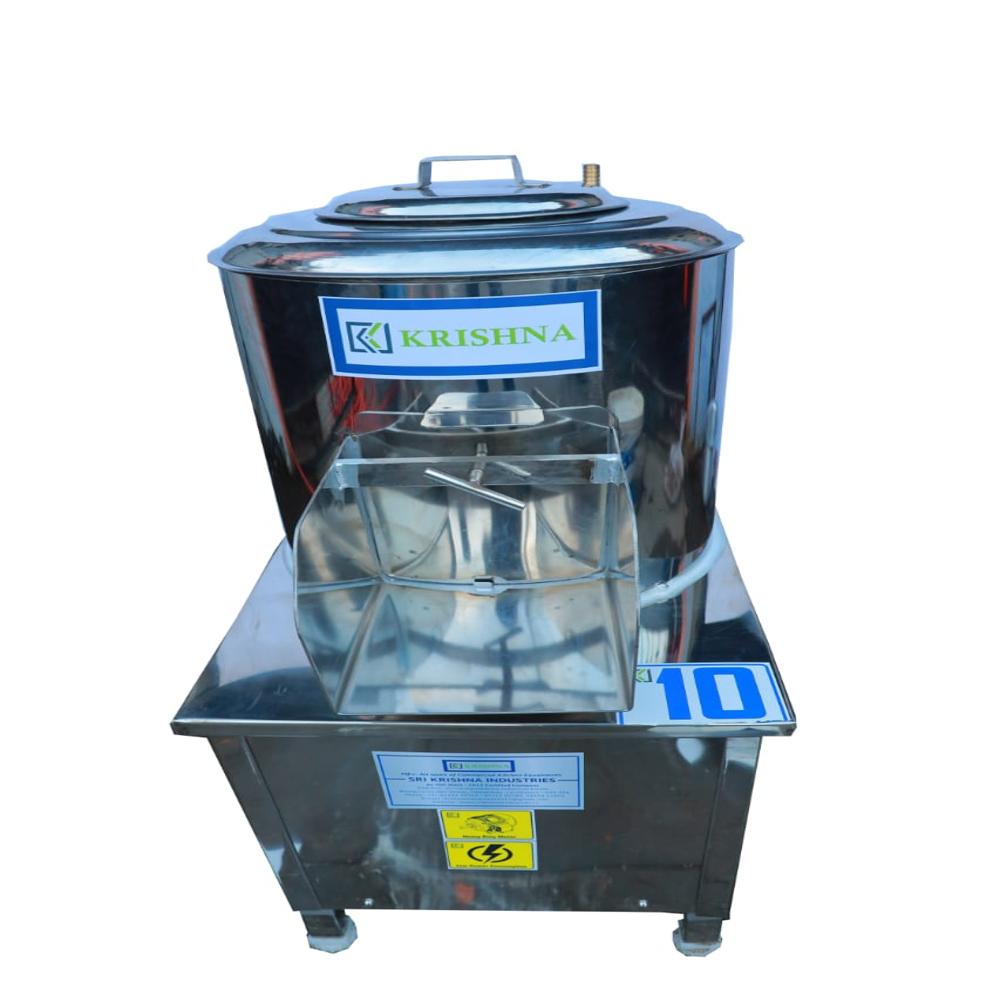
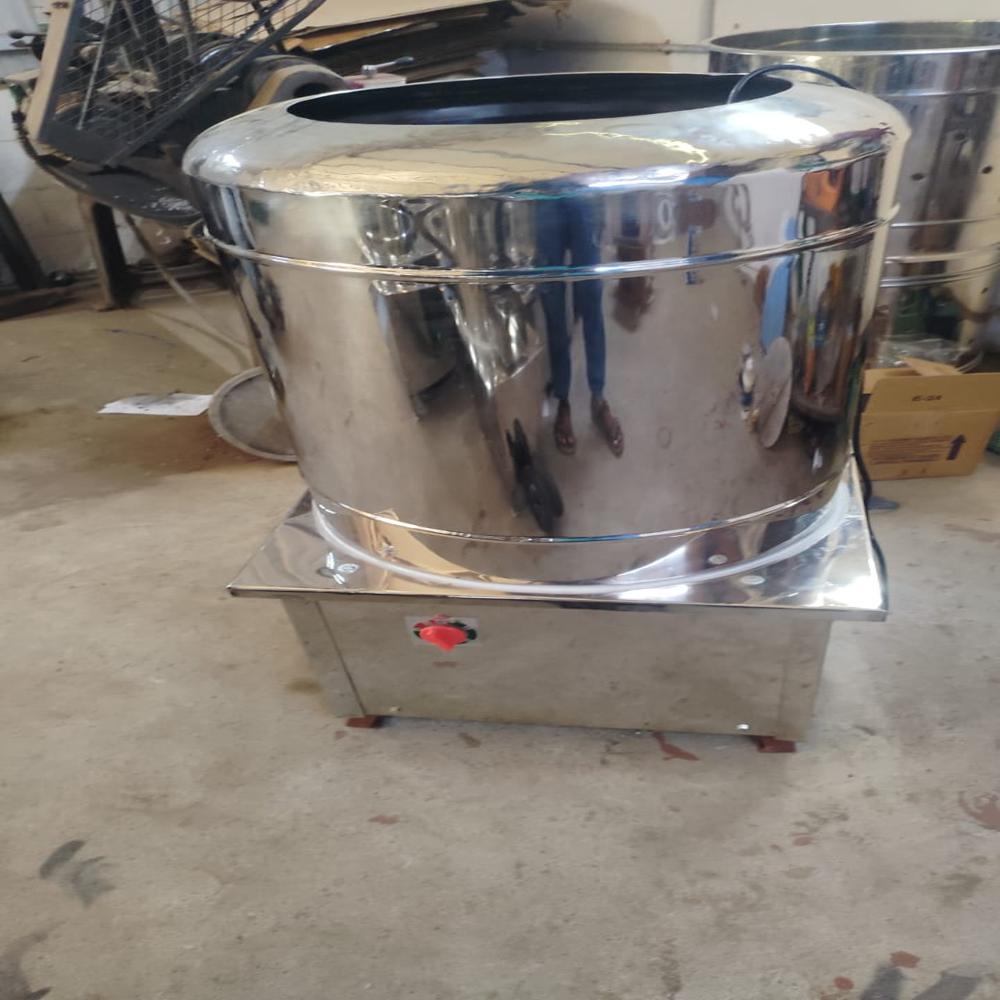
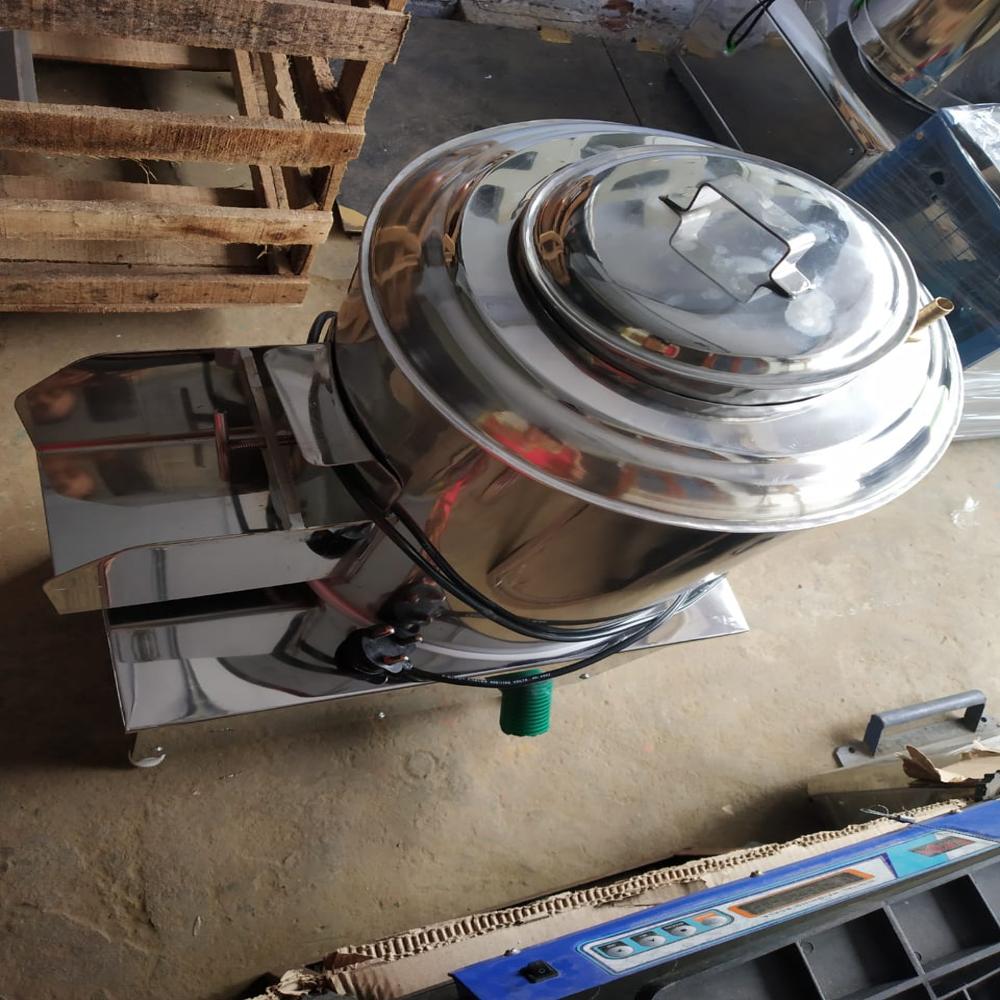
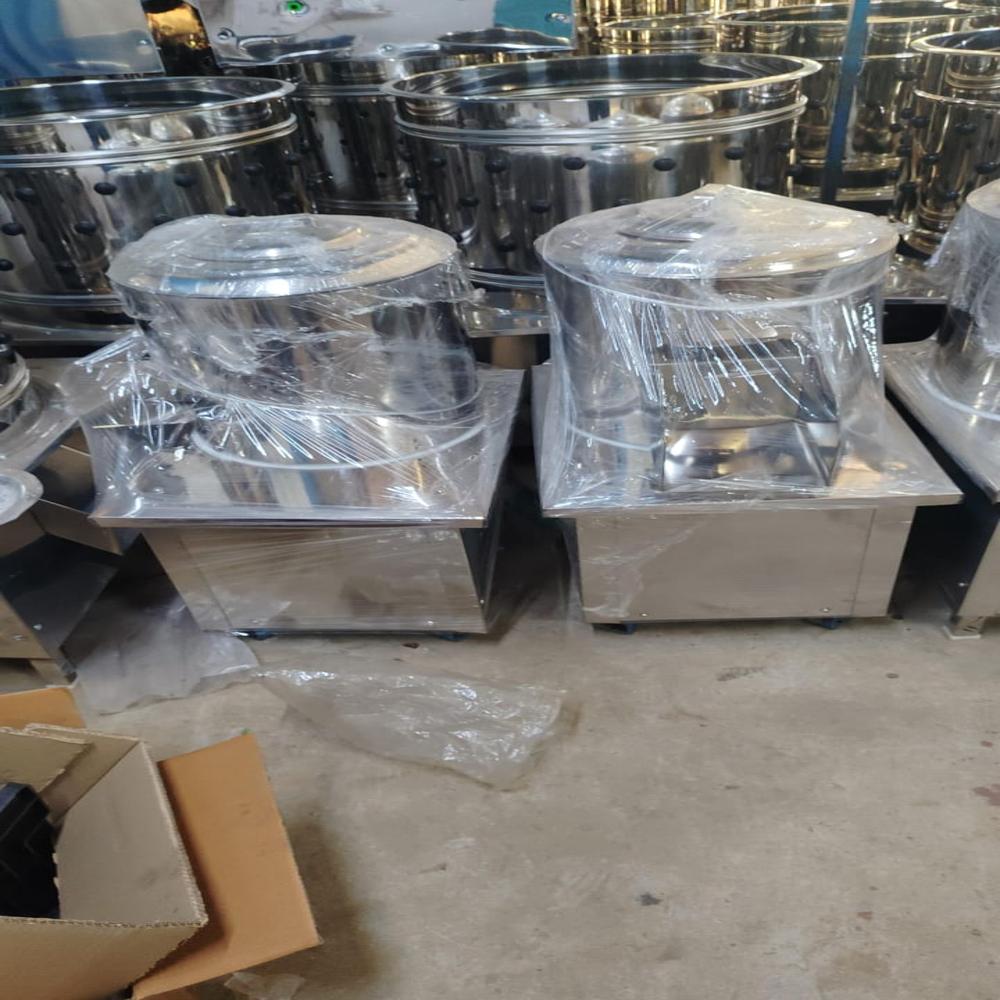
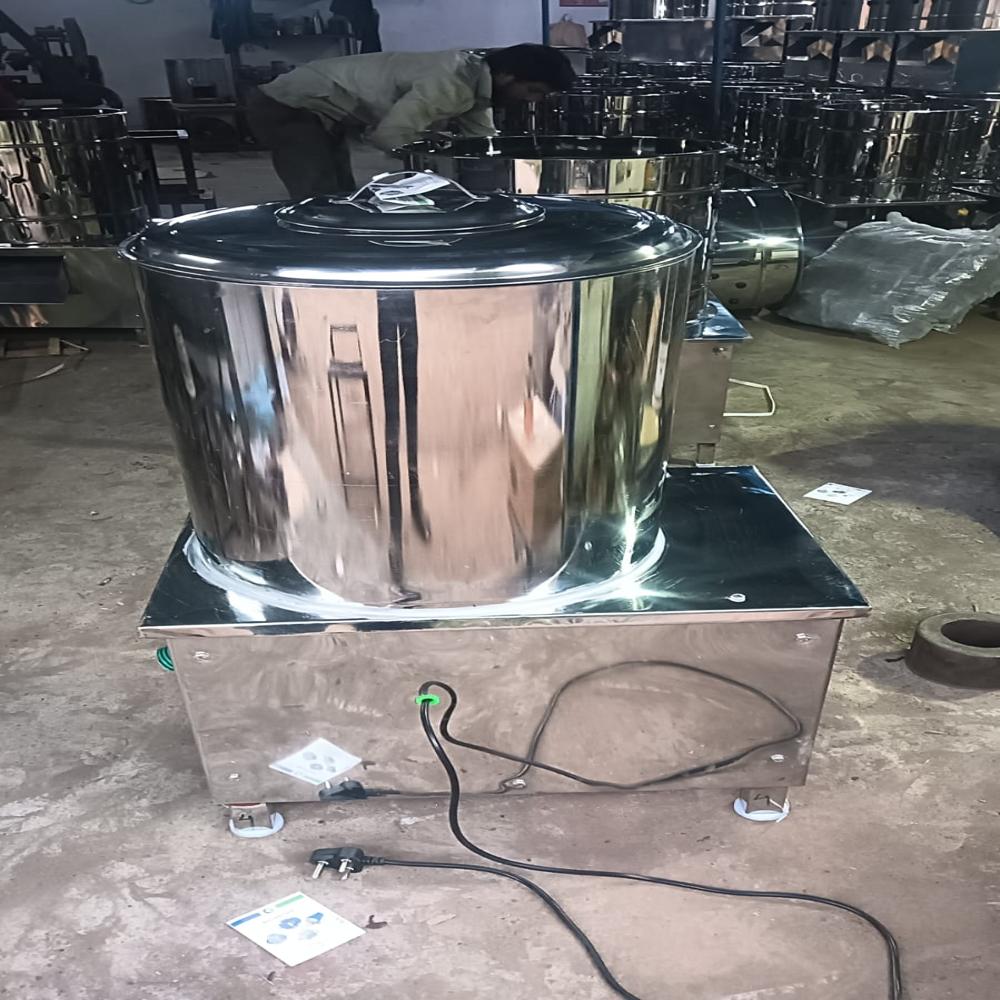
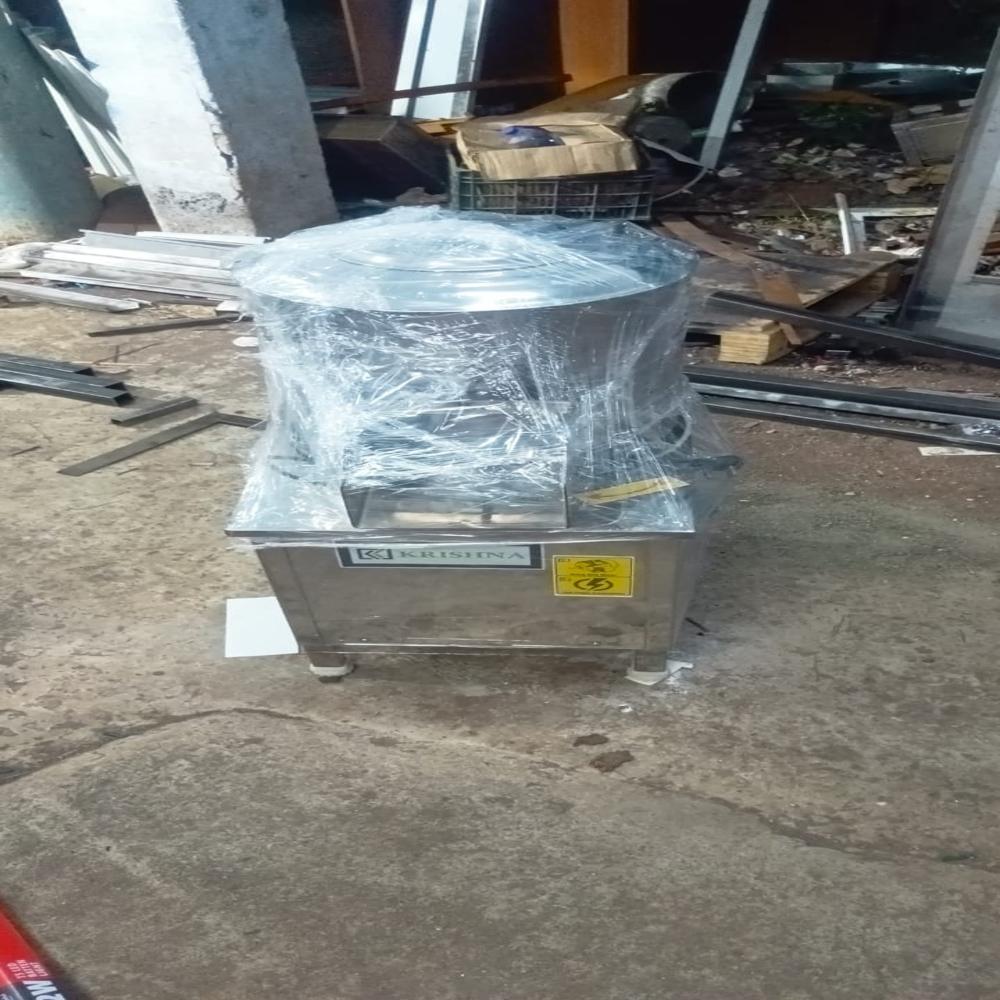

Price:
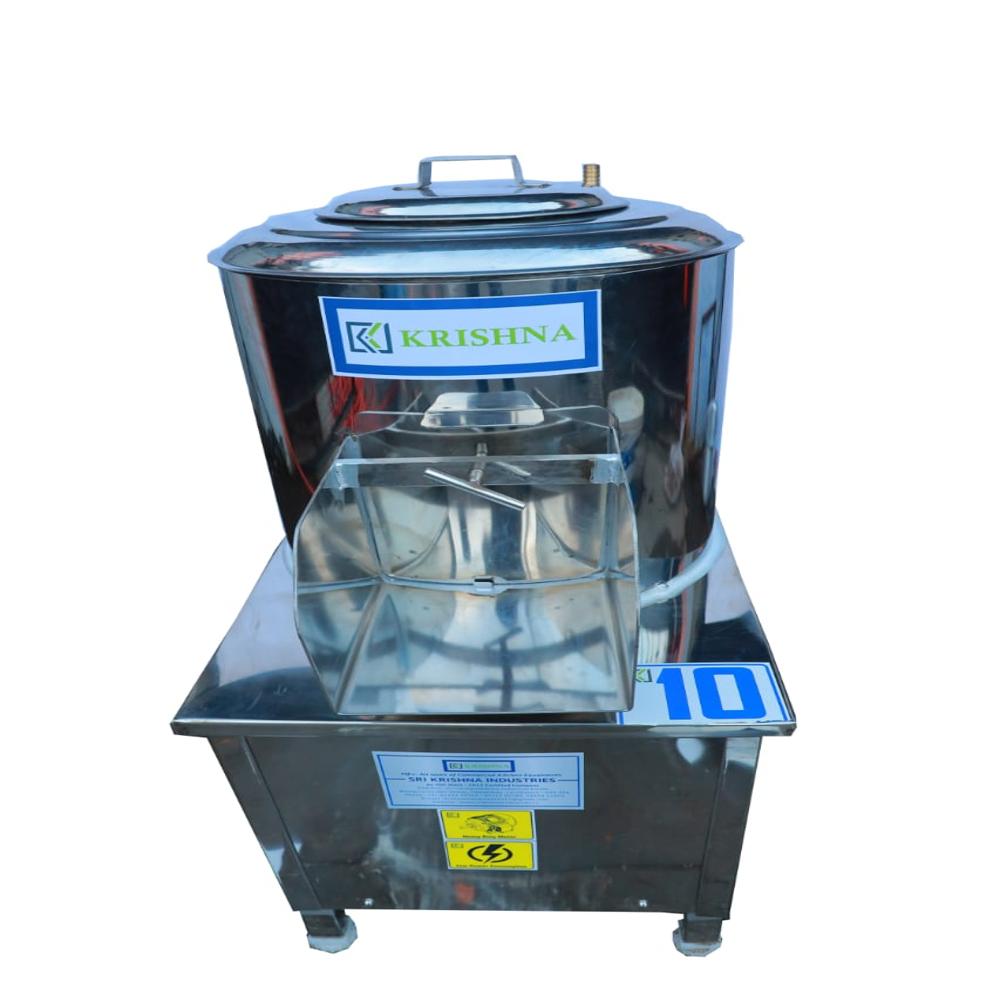
Price 25000.0 INR / Number
Minimum Order Quantity : 1 Number
Warranty : 1 YEAR FOR MOTOR
Feeding System : MANUAL
Installation Type : Free Stand
Speed Mode : Fixed
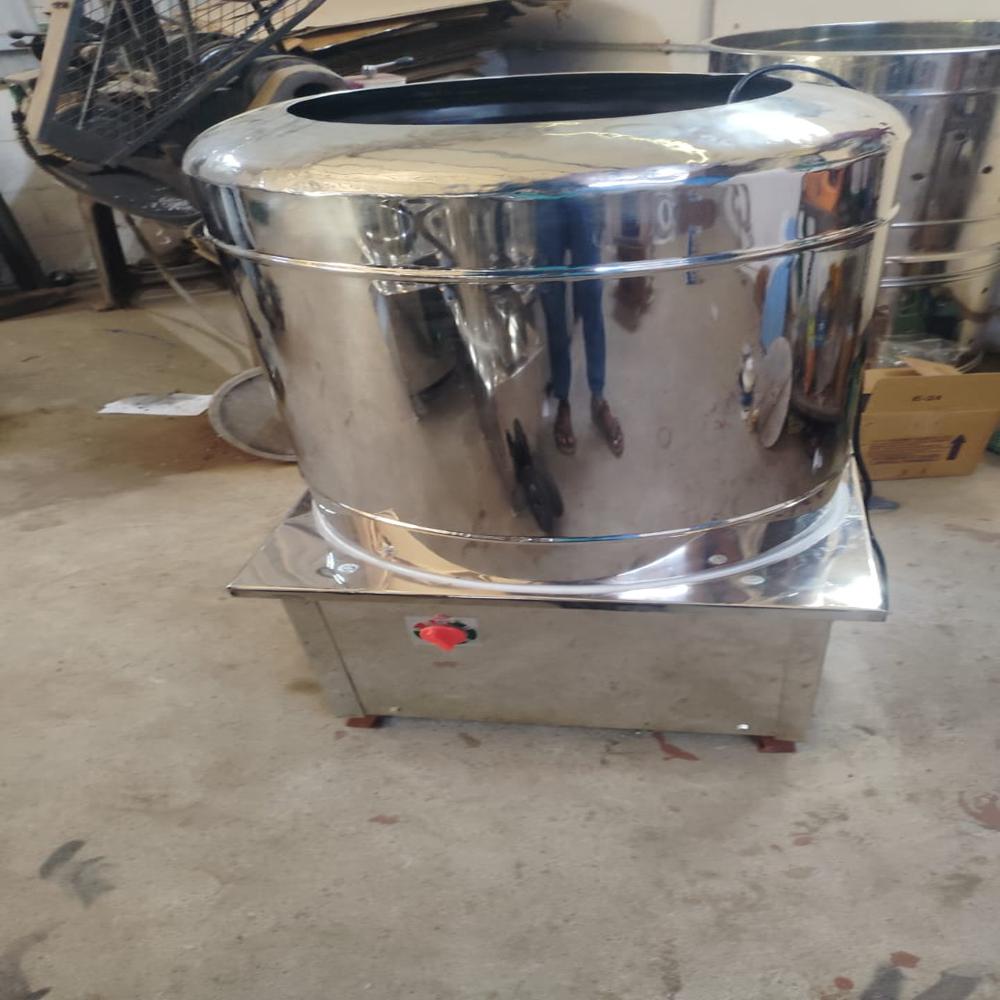
Price 25000.0 INR
Minimum Order Quantity : 1 Number
Warranty : 1 YEAR FOR MOTOR
Feeding System : MANUAL
Installation Type : Free Stand
Speed Mode : Fixed

 Send Inquiry

 Send Inquiry