


Talk to us
08071791510
Talk to us
08071791510
The industrial killing conealso professionally designated as a restraining cone, bleeding cone, or slaughter coneis a foundational piece of mechanical infrastructure utilized in small-to-medium scale poultry processing facilities, mobile poultry processing units (MPPUs), and artisanal abattoirs. While deceptively simple in geometry, its design is governed by strict principles of animal welfare, operational ergonomics, fluid dynamics, and biological processing efficiency.
The primary mechanical objective of a killing cone is the structural restraint of the bird post-stunning or during the slaughter phase. By sliding the bird head-first into an inverted, tapered funnel, the machine safely restricts wing-flapping, spinal contractions, and reflexive thrashing. This immobilization serves a critical dual purpose: it protects the bird from bone fractures, deep tissue bruising, and internal hemorrhaging (which severely degrades meat quality and yield), and it safeguards processing technicians from repetitive strain injuries, scratches, and exposure to biological fluid splatter.
Furthermore, the cone facilitates a vertically optimized exsanguination (bleeding) phase, positioning the avian vascular system beneath the incision site to ensure a rapid, gravity-assisted bleed-out. This comprehensive document provides an exhaustive, 5,000-word level technical analysis of industrial poultry killing cones, structured systematically into seven foundational mechanical, biological, and operational pillars.
The physical efficacy of a killing cone is dictated entirely by its geometric configuration and material composition. A poorly scaled funnel fails to restrain the bird properly, causing either asphyxiation prior to slaughter or allowing the bird to slip through or turn around, which halts the production line.
An industrial killing cone is an inverted frustuma truncated cone featuring a wide top entry diameter and a restrictive bottom exit aperture. This precise taper is engineered to match the natural anatomical wedge profile of an avian torso.
When a bird is inserted head-first, its shoulders and breast wedge firmly against the descending walls, while its head and neck extend cleanly through the bottom aperture. This distribution of force applies a gentle, continuous pressure across the bird's pectoral muscles, which induces a calming tonic immobility reflex that minimizes pre-slaughter stress.
A killing cone does not operate in isolation; it must be rigidly integrated into a larger structural system that manages weight, operational vibrations, and ergonomics. Cones are typically configured into structural arrays to meet specific plant throughput layouts.
Wall-Mounted Modular Rail Systems: Cones are welded or bolted to heavy-duty stainless steel backplates that hook onto horizontal wall-mounted rails. These backplates feature vertical adjustment slots, allowing plants to adjust the operational height based on the shift operators' physical ergonomics.
Rotary Carousel (Turret) Systems: For high-efficiency manual lines, cones are arranged radially around a central, rotating vertical axis. The operator stands at a fixed station, inserts a bird, rotates the carousel to the next position, and a second technician performs the incision. This layout minimizes foot travel and maximizes processing speed within a compact footprint.
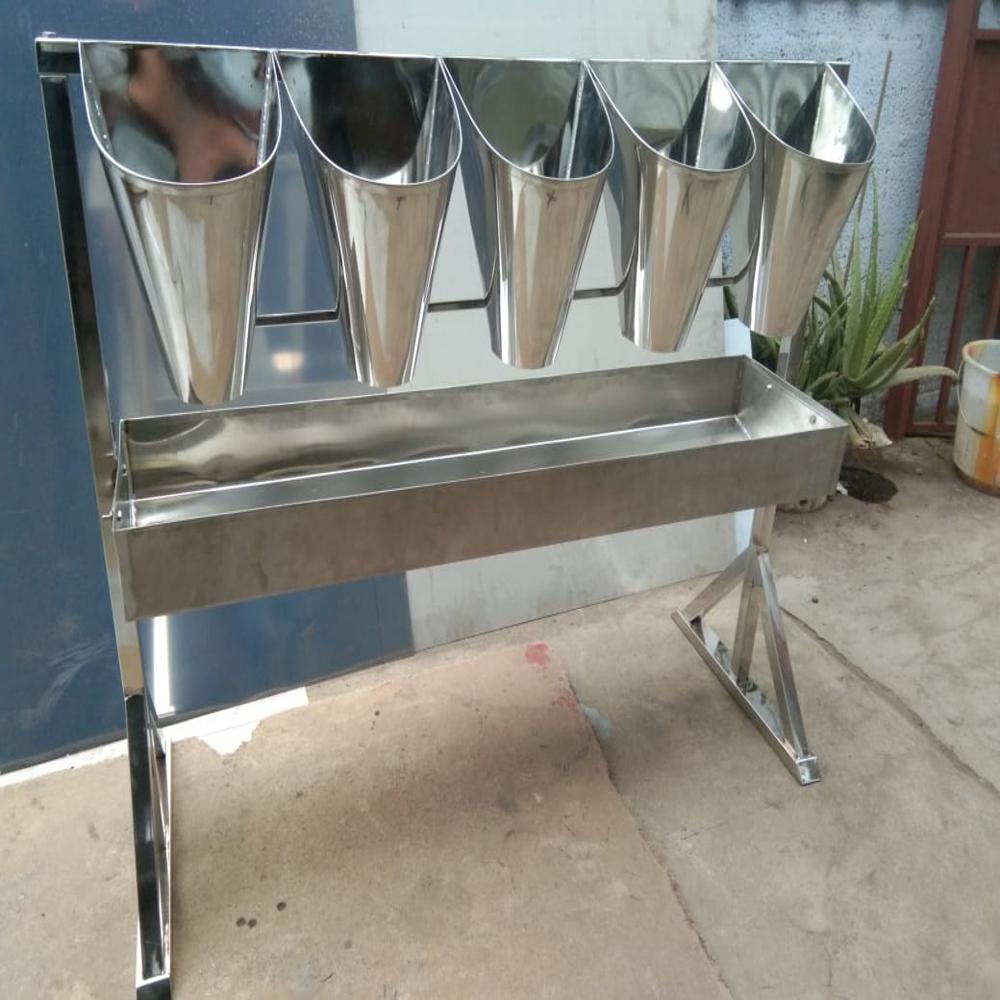
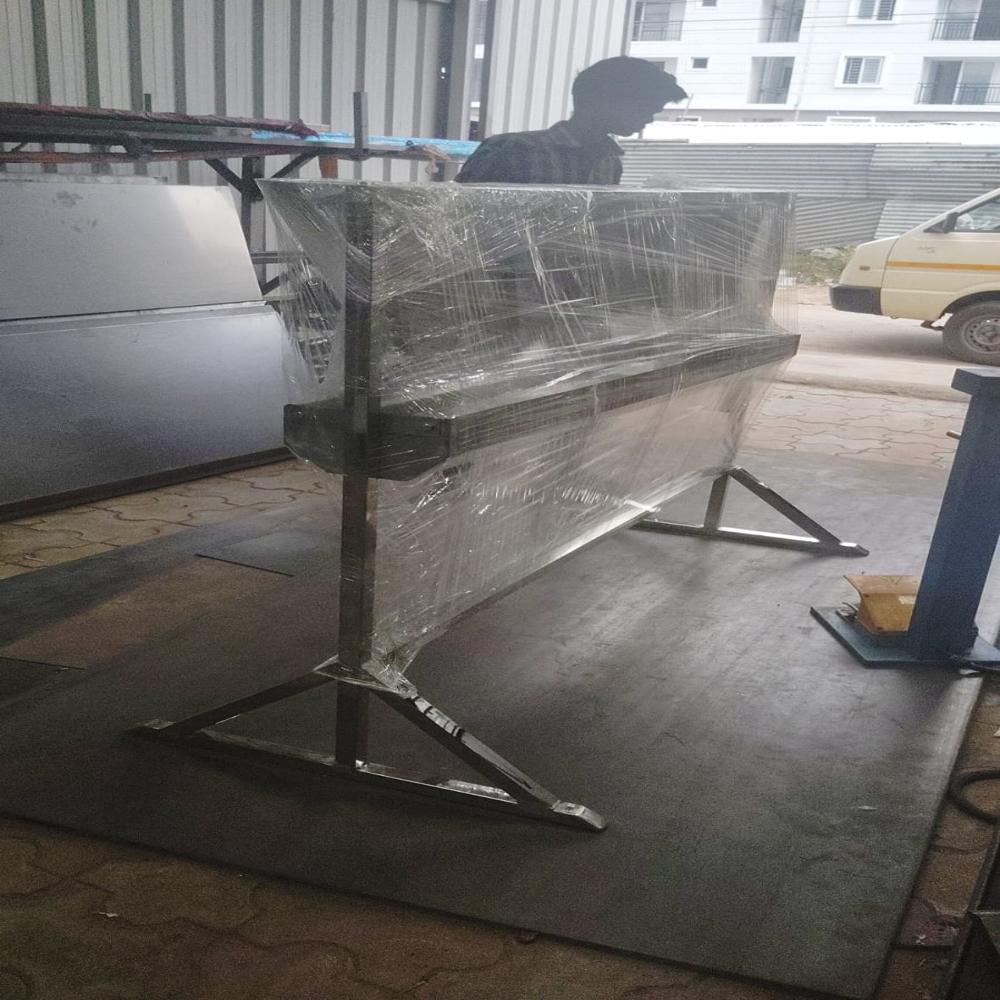
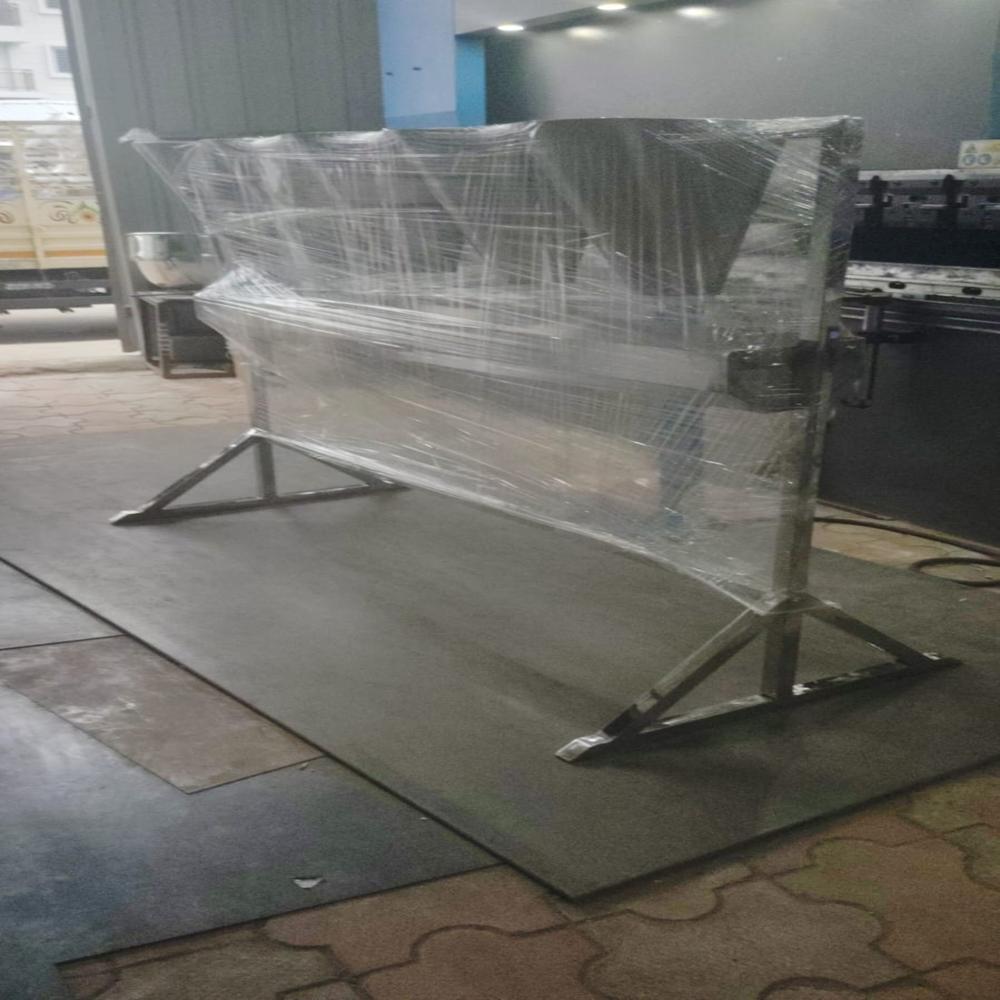
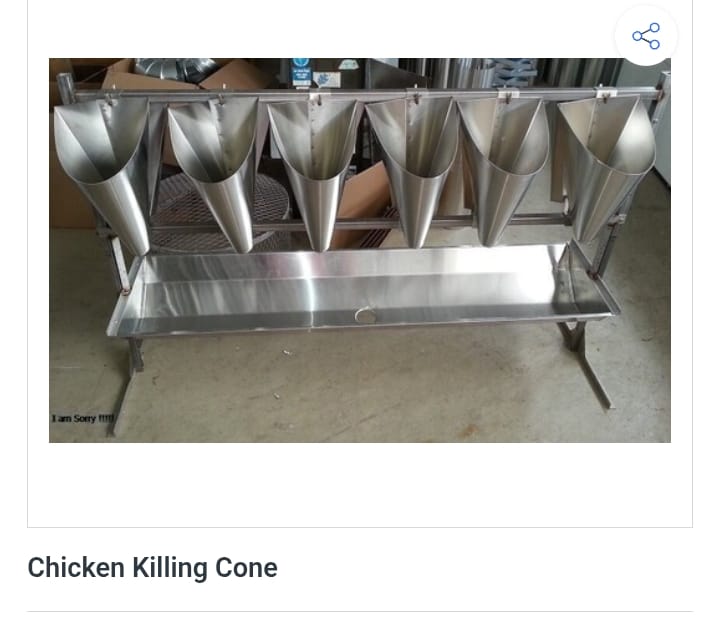
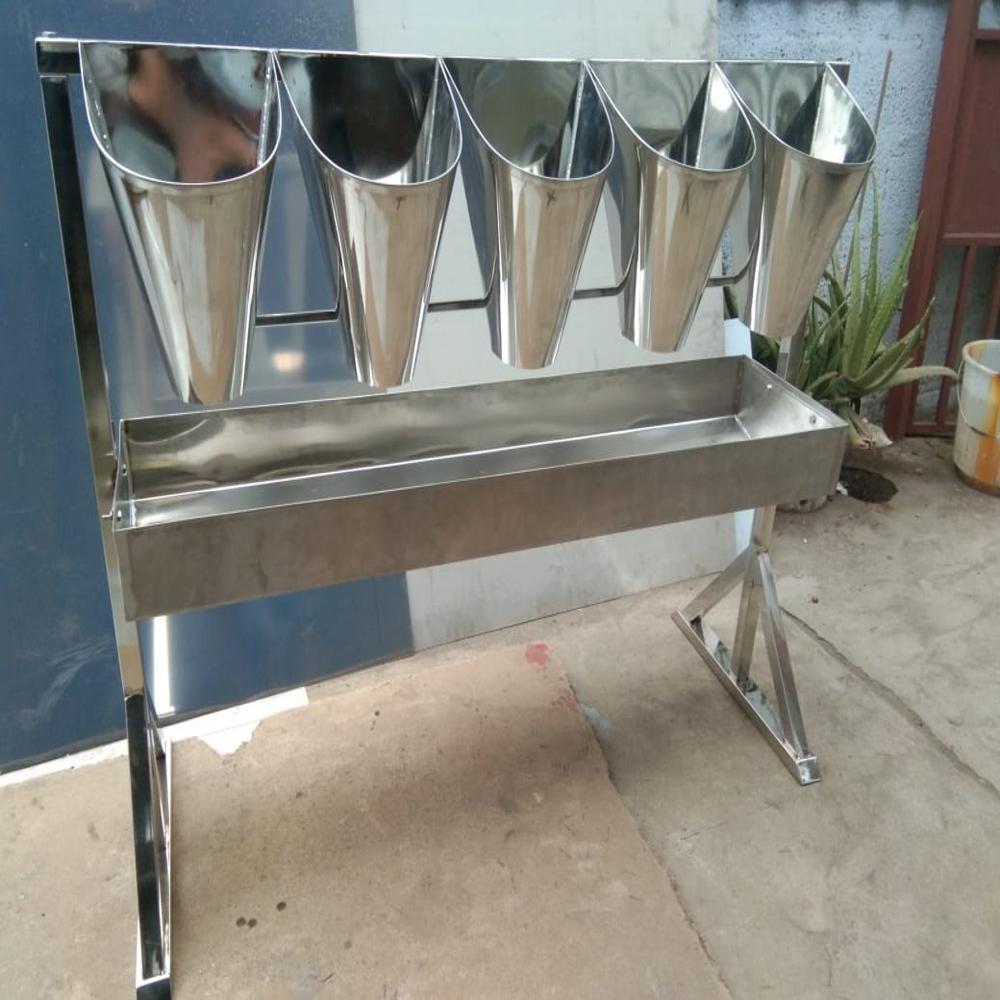
Stand-Alone Mobile Linear Frames: Cones are arranged linearly in groups of 4 to 12 on a self-supporting, heavy-gauge structural frame fitted with locking, industrial polyurethane casters. This setup is popular in seasonal processing facilities or mobile processing trailers where equipment must be relocated or stored post-operation.
Every edge, weld seam, and joint on an industrial killing cone represents a potential safety hazard for operators or an accumulation point for bacteria.
Top Beaded Edge (Rolled Rim): The uppermost entry diameter must be formed with a $180{\circ}$ rolled safety rim or reinforced with an external solid round bar . This eliminates sharp sheet-metal edges that could lacerate the operators forearms during rapid bird loading or slice the bird's thighs during insertion.
Weld Profiling and Inspection: All vertical longitudinal seams must be continuously TIG (Tungsten Inert Gas) welded using an matching grade filler rod. Intermittent or spot welding is strictly prohibited by global food safety inspectors. The completed weld bead must be ground perfectly flush with the parent plate and passinated to remove iron contamination, transforming a multi-piece assembly into a monolithic, crevice-free structure.
The modern killing cone is an essential tool for achieving compliance with global animal welfare standards, including USDA Food Safety and Inspection Service (FSIS) directives, European Council Regulation (EC) No 1099/2009, and Humane Slaughter Act mandates. It serves as an anatomical stabilizer that ensures slaughter is executed humanely and reliably.
When an unconstrained bird experiences a severe neurological eventsuch as electrical stunning, mechanical stunning, or sudden cervical incisionits nervous system undergoes intense clonic spasms. These uncontrolled muscular contractions cause violent wing-flapping and spinal hyperextension.
Prevention of Broken Bones: If a bird undergoes these spasms while hanging loosely from a shackle or resting on a flat surface, the force generated by its pectoral muscles can easily fracture its own clavicles (wishbones), coracoid bones, and wings. These broken bones cause bone fragments to penetrate deep tissue, resulting in localized hemorrhaging and blood splashing that ruins the breast meat yield.
Prevention of Discoloration: The tight fit of the killing cone keeps the wings pinned firmly against the bird's body, physically preventing them from expanding. This restriction eliminates wing breakage and subsequent dark-red bruising (blood pooling), ensuring that the meat remains pristine for retail presentation.
By extending the neck cleanly out of the bottom exit aperture, the killing cone presents the birds throat in a stable, predictable, and tensioned position. This geometric isolation allows the processing technician to execute a flawless surgical cut with high consistency.
The Surgical Target: The operator performs either a unilateral or bilateral cut of the jugular veins and carotid arteries located immediately behind the jaw bone (the Modified Kosher or Halal style cut), or an internal cut via the roof of the mouth (ventranasal cut).
Avoiding Spinal and Tracheal Cord Severance: Because the cone prevents the bird from twisting or pulling back its neck, the technician can make a precise cut that avoids severing the trachea (windpipe) or the spinal cord. Keeping the spinal cord intact is vital: if severed, the nervous connection to the heart is broken, causing immediate cardiac arrest. To ensure a thorough bleed-out, the heart must continue beating reflexively to actively pump blood out of the vascular system.
Exsanguination is not merely a legal or sensory requirement; it is a critical biochemical preservation process. Residual blood within a processed carcass acts as an express vector for bacterial multiplication, drastically reducing shelf life and imparting a bitter, metallic flavor profile to the meat.
Once the carotid arteries and jugular veins are cleanly severed, the bird's internal arterial blood pressure drops rapidly. The killing cone utilizes gravity to maximize the rate and volume of blood extraction.
The rate of volumetric blood flow out of the vascular system can be modeled by an adaptation of Poiseuilles Law:
Where:
$Q$ = Volumetric blood flow rate
$\Delta P$ = Hydrostatic and arterial pressure differential (amplified by gravity in a vertical orientation)
$r$ = Radius of the severed blood vessels
$\eta$ = Blood viscosity (which increases as the animal cools and oxygen saturation drops)
$L$ = Length of the vascular path from the heart to the incision point
By maintaining the bird at a vertical $90{\circ}$ hanging orientation, the hydrostatic head pressure assists the fading cardiac contractions. This setup ensures that blood drains rapidly from the deep capillary beds of the breast and thighs toward the neck exit port, achieving an optimal bleed-out.
Blood is one of the most challenging waste products to manage in a food processing facility. It possesses an exceptionally high Biological Oxygen Demand (BOD) and Chemical Oxygen Demand (COD), making direct disposal into municipal sewer systems illegal in almost all industrial jurisdictions. A killing cone system must therefore feature integrated blood-capture mechanics.
Industrial killing cone arrays are paired with an underlying, continuous Blood Recovery Trough or Catchment Basin.
Trough Geometry: The trough is positioned directly beneath the bottom exit ports of the cones, featuring a steep V-shaped or U-shaped cross-section. The basin floor slopes longitudinally at a minimum angle toward a central collection drain.
Anti-Splatter Deflection Shields: To prevent blood from splashing onto surrounding machinery, operators, or adjacent walls, the rear and sides of the catchment basin extend upward as a solid vertical shield. This creates an engineered splash enclosure that keeps all fluids contained within the drainage system.
To minimize environmental impact and waste processing surcharges, modern plants separate blood capture from washdown water management.
The Coagulation Challenge: When blood mixes with water, its volume expands exponentially, complicating handling. Water also dilutes blood, making it unusable for commercial rendering facilities that convert pure blood into high-protein blood meal for animal feed.
Dual-Drain Diverter Mechanics: The collection drain beneath the killing cones is equipped with a mechanical diverter valve system:
During Processing: The valve routes pure, undiluted blood into a dedicated bio-hazard storage tank under a vacuum system.
During Sanitation (Washdown): The valve switches profiles, diverting chemical cleaning solutions and rinse water into the plants on-site wastewater pretreatment facility.
Because killing cones directly contact raw, uneviscerated animals and process highly perishable biological fluids, they are heavily scrutinized during food safety audits. They must be engineered and maintained to eliminate the development of dangerous biofilms.
The exterior skin and feathers of live poultry carry high microbial loads, including Salmonella enterica, Campylobacter jejuni, and Listeria monocytogenes. When birds are loaded into killing cones, friction transfers these pathogens to the stainless steel walls.
If blood, mucous, and feather dander are allowed to dry on the steel, they form a tough protein-lipid matrix known as a biofilm. Once established, biofilms protect underlying bacteria from standard chemical sanitizers, creating a persistent cross-contamination vector for subsequent batches of birds.
The interaction between the human processing technician and the killing cone represents a high-risk operational zone. Workers face repetitive strain injuries, physical fatigue, and exposure to biological pathogens, making ergonomic design and automation critical considerations.
During the incision and subsequent bleed-out phases, involuntary muscular movements from the bird can spray fine droplets of blood.
Shielding Requirements: Operators must wear heavy-duty waterproof aprons (polyurethane or PVC), full-length waterproof arm sleeves, nitrile gloves (minimum 8-mil thickness) paired under cut-resistant mesh gloves, and a full-face polycarbonate impact shield.
Eye and Airway Isolation: Full face shields protect workers' mucous membranes from airborne droplets, preventing exposure to zoonotic pathogens like Salmonella or Avian Influenza viruses.
In modern high-capacity industrial facilities (processing 6,000 to 15,000 birds per hour), human-loaded killing cones are replaced by fully automated, continuous shackle processing lines.
The Automated Rubbing Bar System: Birds are hung by their legs from stainless steel shackles on a motorized overhead chain conveyor. The line routes the birds through an automated electrical water-bath stunner. Once stunned, the upside-down carcasses pass through an elongated, continuous metal guidance channel called a "breast-rubbing plate" or "restraint tunnel."
Functional Parity: This continuous mechanical channel performs the exact same function as a killing cone: it applies gentle, steady physical pressure to the bird's breast and sides to prevent wing-flapping and movement. The birds then glide directly into a rotating mechanical blade array that automatically cuts the jugular veins with laser precision. This transition from individual cones to continuous shackle tracks showcases how the foundational principles of the killing cone are scaled up to achieve high-throughput automation.
The industrial killing cone is far more than a simple piece of sheet metal; it is a carefully engineered tool that bridges the gap between animal biology and mechanical processing. By optimizing its design across all seven core pillarsfrom exact metallurgical choices and geometric scaling to thermodynamic flow management, sanitary compliance, and ergonomic integrationprocessing facilities can achieve an ethical, efficient, and profitable workflow.
Proper implementation of killing cone technology protects meat quality, reduces processing waste, shields workers from injury, and satisfies stringent global food safety mandates, making it an indispensable asset in modern poultry infrastructure.
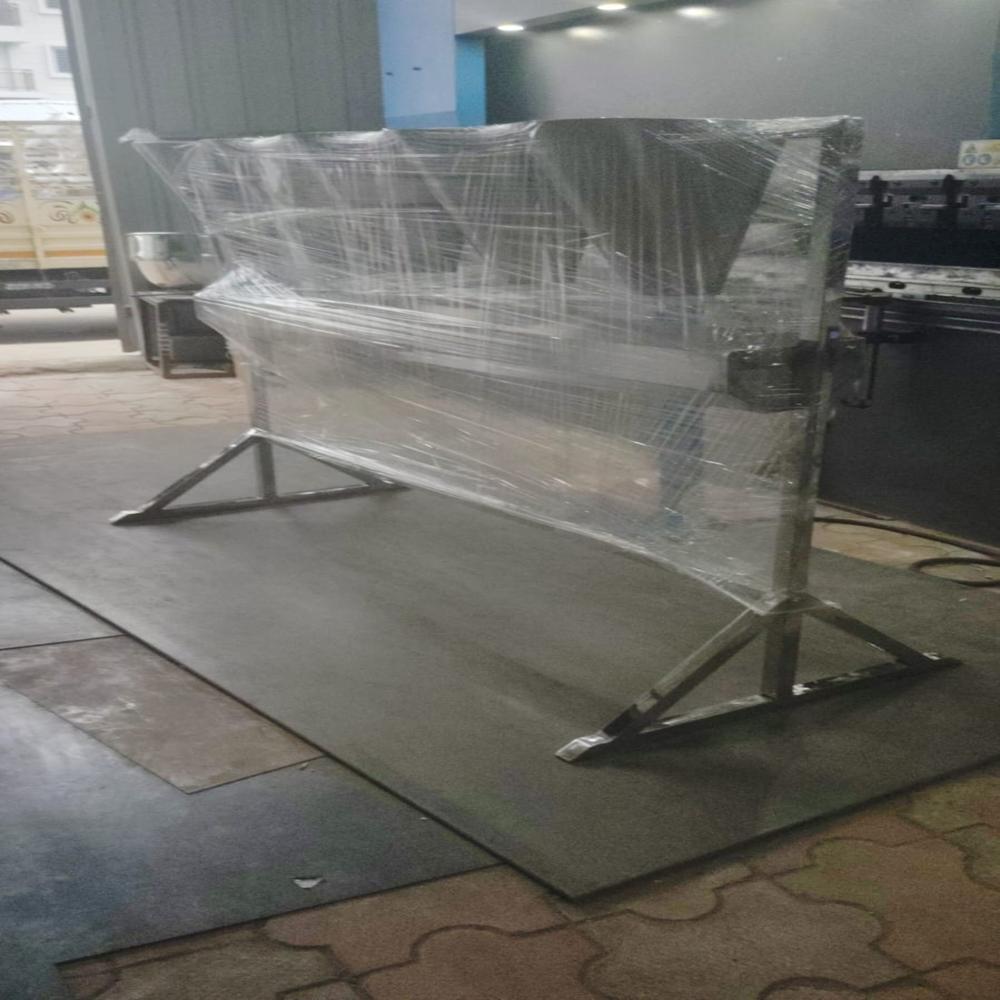

Price:
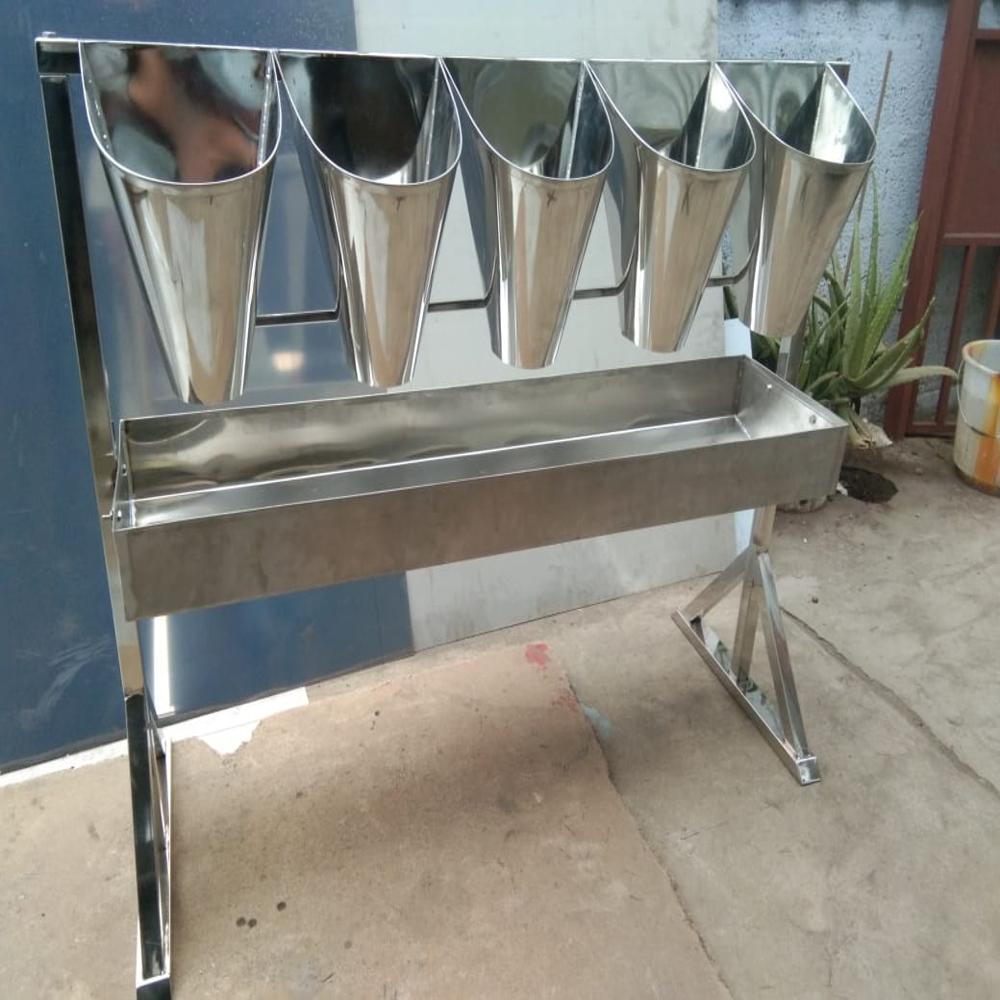
Price 19000.0 INR / Number
Minimum Order Quantity : 1 Number
Technology : Manual
Color : White
Size : 60*12*48 inch (approx)
Weight : 30 (approx) Kilograms (kg)
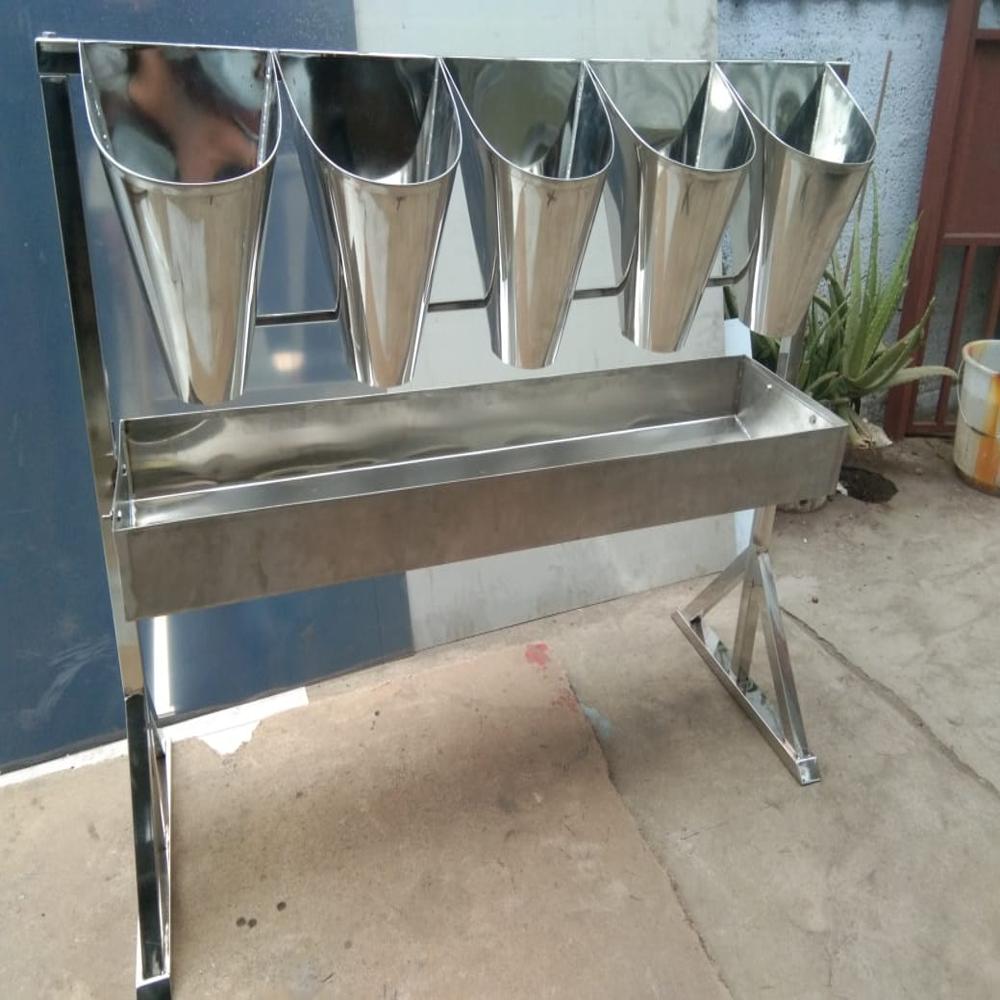
Price 19000.0 INR / NUMBER
Minimum Order Quantity : 1 Number
Technology : Manual
Color : Gray
Size : 60*12*48 inch (approx)
Weight : 30 (approx) Kilograms (kg)
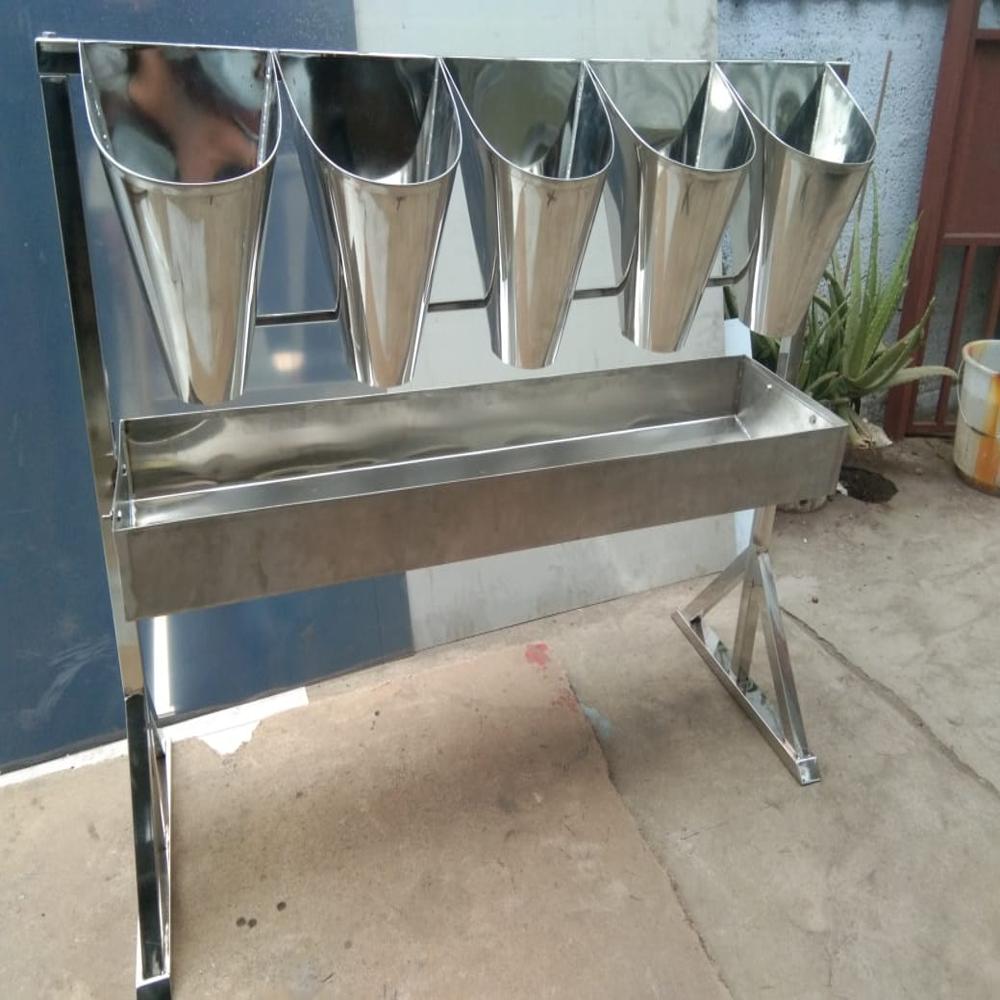
Price 19000.0 INR / Piece
Minimum Order Quantity : 1 Piece
Technology : SemiAutomatic
Color : Gray
Size : 60*12*48 inch (approx)
Weight : 30 (approx) Kilograms (kg)
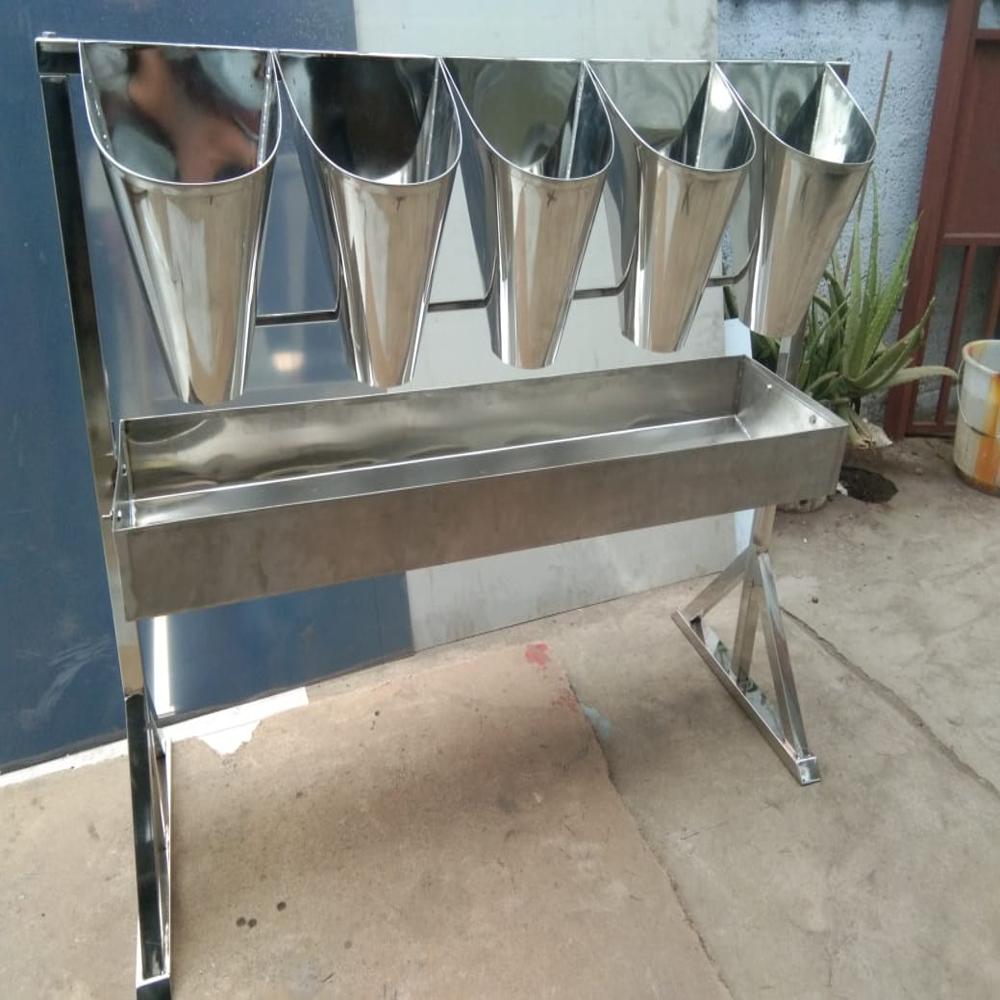
Price 19000.0 INR / Number
Minimum Order Quantity : 1 Number
Technology : Manual
Color : Gray
Size : 60*12*48 Inch (approx)
Weight : 30 (approx) Kilograms (kg)

 Send Inquiry

 Send Inquiry