


Talk to us
08071791510
Talk to us
08071791510
For centuries, traditional South Indian cuisine has relied on the foundational element of perfectly ground batters. Historically, this was achieved using an Aattukal (a large, manual stone mortar and pestle). The mechanical action of heavy stone shearing against stone creates a highly specific texture and thermodynamic profile that cannot be replicated by high-speed steel blades.
The modern table top wet grinder is a direct mechanical evolution of this ancient culinary tool. Invented in Coimbatore, Indiawhich now holds the Geographical Indication (GI) tag for the appliancethe motorized wet grinder downsized industrial-scale food processing technology into a compact, elegant countertop appliance.
Understanding the difference between a high-speed mixer-grinder (blender) and a dedicated wet grinder is fundamental to understanding its necessity in the kitchen.
High-speed blades cut, chop, and tear ingredients through sheer kinetic impact. This process generates massive frictional heat, which oxidizes food particles, denatures essential proteins, and kills the wild microflora required for natural fermentation.
Conversely, a wet grinder uses slow-speed, high-torque crushing. The heavy granite stones roll over a granite base plate, gently pressing and shearing the grains. This process breaks down starches while simultaneously trapping microscopic air pockets within the liquid matrix.
For staples like Idli and Dosa batters, fermentation is the bridge between raw ingredients and digestible, nutrient-dense food. The gentle crushing action of a wet grinder keeps the batter temperature low. Keeping the temperature low is vital because heat activates undesirable bacterial strains that create a sharp, unpleasant sourness rather than the complex, mild lactic acid profile desired for perfect batters.
Furthermore, the superior aeration achieved by stone grinding provides the necessary oxygen levels for initial microbial multiplication, leading to a spectacular rise during the fermentation cycle.
A table top wet grinder is a sophisticated piece of electromechanical engineering designed to balance high torque, structural stability, and food-safe operation within a compact footprint.
The rotational speed of the motor ) must be stepped down to an optimal grinding speed of approximately. This is achieved using a reduction drive system.
V-Belt Transmission: The most common configuration involves a high-tensile rubber V-belt connecting a small motor pulley to a large drum pulley. This system acts as a mechanical shock absorber; if a hard foreign object jams the stones, the belt slips, preventing the motor coils from burning out.
Gear-Driven Systems: Found in heavy-duty variants, direct gear drives eliminate belt slippage completely, ensuring absolute power transmission. However, they require highly precise manufacturing and internal lubrication, making them heavier and slightly louder.
The drum contains the entire mass of the ingredients during processing.
Material Selection: Premium models use high-grade, non-magnetic Stainless Steel. This prevents chemical leaching, resists corrosion from acidic batters, and ensures structural rigidity under high centrifugal forces.
Capacity Mechanics: Table top models are categorized by volume. This rating indicates the volume of soaked ingredients the drum can effectively process without overflow or mechanical strain.
The stones are the primary functional element of the machine. They are carved from high-density, food-grade natural granite blocks.
Conical vs. Cylindrical Stones:
Cylindrical Stones provide a uniform grinding surface across their width, offering excellent crushing capability for standard rice grains.
Conical Stones travel along a differential path speed across their surface area, creating a highly efficient shearing action that speeds up grinding time and reduces wear on the motor.
Groove Architecture: The stones feature strategically carved grooves that act as mini-shovels, constantly directing ingredients underneath the primary crushing point.
The consumer market offers distinct variations of table top wet grinders, each engineered to address specific user preferences, space constraints, and functional requirements.
This is the most widespread configuration. The drum sits securely atop a center spindle extending from the base housing.
Mechanism: To empty or clean the unit, the user unlocks the top arm assembly, releases the stone holder, and lifts the entire stainless steel drum off its housing.
Pros: Highly portable, easy to store, and simple to clean in standard kitchen sinks
Engineered specifically to eliminate the need to lift heavy drums, tilting grinders are mounted onto a robust, pivoting structural frame.
Mechanism: The base of the grinder features a mechanical lock-and-lever system. Once grinding is complete, the user unlocks the mechanism and tips the entire drum horizontally to pour the batter directly into a storage vessel.
Pros: Highly ergonomic; ideal for commercial environments, elderly users, or those with mobility limitations.
A highly advanced variant where both the drum and the inner stones rotate simultaneously in opposite directions.
Performance Metrics: By introducing counter-rotational kinetic forces, the relative speed of interaction between stone and food particles doubles without increasing the actual motor speed. This halves standard grinding times .
Modern engineering has transformed the wet grinder from a single-purpose tool into a versatile kitchen workstation through specialized power-takeoff (PTO) attachments:
Achieving culinary excellence and ensuring machinery longevity requires strict adherence to proper operational workflows. Wet grinders are precision instruments that rely on precise liquid-to-solid ratios and step-by-step loading techniques.
Before plugging in the machine, ensure the base is resting on a flat, dry, level surface to minimize vibrational harmonics. Lower the drum onto the central drive coupling and rotate it slightly until it drops completely into place.
Next, insert the stone assembly over the center pin. Lower the top lock arm and secure the spring-loaded tension screw tightly.
Critical Operational Rule: Never turn on a wet grinder with dry ingredients inside the drum. Doing so causes immediate stone-on-stone friction, which fractures the granite surfaces, creates fine stone dust that ruins the food, and can crack the drive gears.
.
Once the stones are turning smoothly, begin adding your soaked grains or lentils gradually, spoon by spoon, over a period of 2 to 3 minutes.
Adding the entire batch at once creates an instant mechanical overload that can stall the motor, slip the drive belt, or trigger the thermal overload protector.
The ratio of water to solid matter determines the final aeration, temperature control, and performance of the machine.
Urad Dal (Black Gram): Requires a highly disciplined, gradual addition of ice-cold water. The mucilaginous proteins (arabinogalactans) trap air beautifully when kept chilled. Water should be added in small splashes every few minutes to allow the batter to expand into a light, cloud-like foam.
Rice: Requires less delicate care but needs sufficient water to prevent the formation of a thick, gummy paste that strains the motor. The water helps rinse starch off the stones during operation, keeping the grinding action efficient.
A table top wet grinder is a long-term investment. With meticulous maintenance, high-quality units can easily perform at peak efficiency for decades. Neglecting hygiene, however, leads to biological contamination and premature mechanical failure.
Cleaning should be performed immediately after the batter is emptied. If leftover starch dries out, it turns into a cement-like adhesive that locks components together and damages seals when restarted.
Drum Axis Care: Wash the stainless steel drum thoroughly. Ensure the center spindle housing is completely clean. Wipe the exterior bottom of the drum dry before placing it back onto the base to prevent water droplets from seeping into the motor housing.
The drive shaft extending from the base housing uses specialized synthetic rubber oil seals. Over time, fine starch particles can sneak past these seals, abrasive wearing them down until water begins leaking down into the motor bearings.
Inspect the top of the base unit weekly. If you notice any gray or dark fluid buildup beneath the drum seat, change the rubber seals immediately to avoid damaging the motor.
New rubber V-belts stretch slightly during their first few months of service. If you hear the motor spinning normally but notice the drum slowing down or stalling under a heavy load, the belt has likely loosened.
Most grinders feature adjustable motor mounts underneath the base plate. Loosening the mounting screws, sliding the motor slightly backward to restore belt tension, and retightening the screws restores full performance.
While originally engineered for South Indian culinary staples, the unique low-speed stone-on-stone mechanism of the table top wet grinder has made it an essential tool worldwide for artisanal chocolate makers and specialty food producers.
To turn raw cacao nibs into smooth, luxurious chocolate, the sugar crystals and cacao solids must be reduced to a particle size below 20 microns. The human tongue cannot detect individual particles below this threshold, making the chocolate feel silky smooth.
Standard blenders cannot achieve this because they lack the necessary continuous shearing force. A table top wet grinder acts as an exceptional small-scale melangeur.
The Chocolate Refiner Modification: When using a standard wet grinder for chocolate making, users often replace the standard high-tension tension springs with lighter, adjustable tension systems. Because cacao nibs release natural cocoa butter fats when crushed, the machine does not require added water. Instead, the ingredients turn into a rich, fluid mass solely through mechanical pressure and heat.
Aeration and Volatile Acid Removal: The open-drum design of the table top grinder is highly beneficial for chocolate production. As the stones continuously aerate the liquid chocolate over a 24-to-48-hour cycle, harsh, volatile compounds like acetic acid naturally escape into the air, mellowing the chocolate's flavor profile.
Commercial nut butters often contain hydrogenated oils and stabilizers to prevent separation. A table top wet grinder allows you to create ultra-smooth, single-ingredient gourmet nut butters from almonds, cashews, pistachios, or macadamias.
The stones crush the cell walls of the roasted nuts, completely releasing their natural oils. The continuous grinding transforms dry, crumbly nut meal into a glossy, velvety liquid butter without requiring any extra oils or emulsifiers.
Operating a high-torque mechanical appliance requires clear safety guidelines and an understanding of how to resolve common operational issues.
Electrical Grounding: Wet grinders operate around water and metallic drums. Always ensure the appliance is plugged into a properly grounded 3-pin electrical outlet. Never cut off the grounding pin to fit a 2-pin extension cord.
Interlock Protection: Modern premium grinders feature magnetic safety interlocks. The machine will not start if the top arm is open or improperly locked, protecting hands from moving parts.
No Manual Interventions: Never reach into the drum with your hands, spoons, or spatulas while the drum is spinning. If you need to scrape down the sides of the drum, turn off the power switch completely before doing so.
When investing in a table top wet grinder, use this reference checklist to find the model that best fits your workflow:
By balancing capacity, stone geometry, and build quality, you can choose an appliance that perfectly bridges traditional culinary textures with the speed and convenience of modern kitchen engineering.
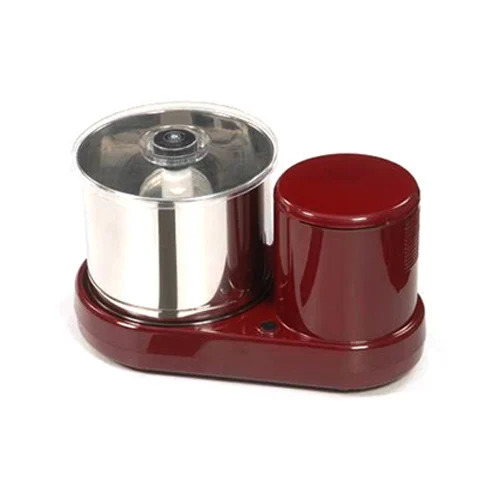
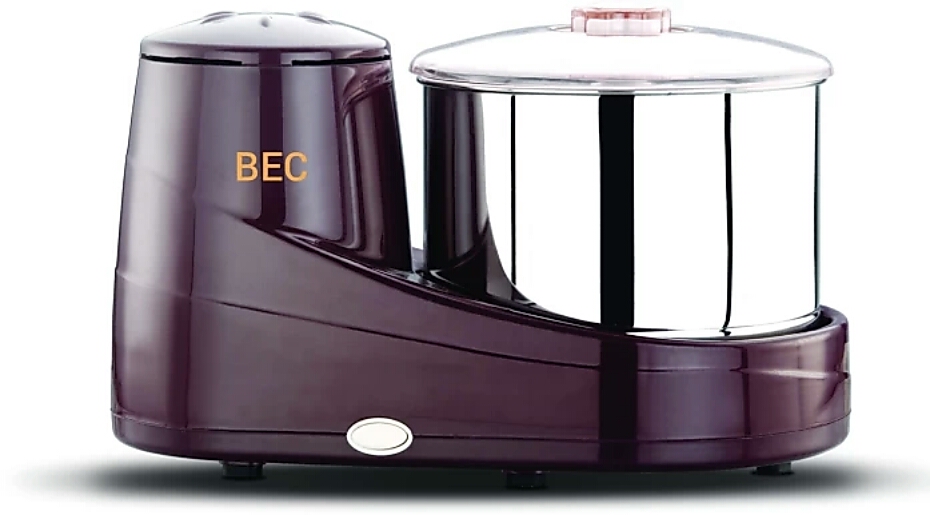
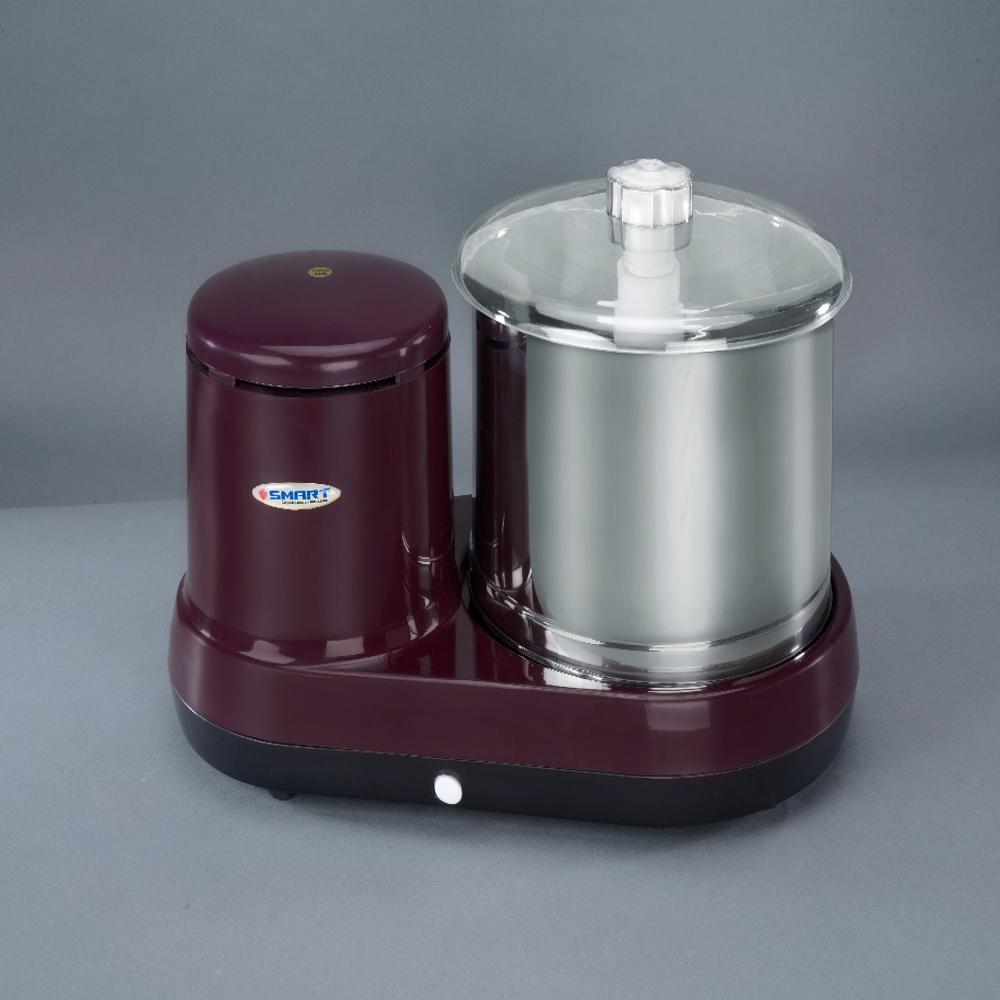
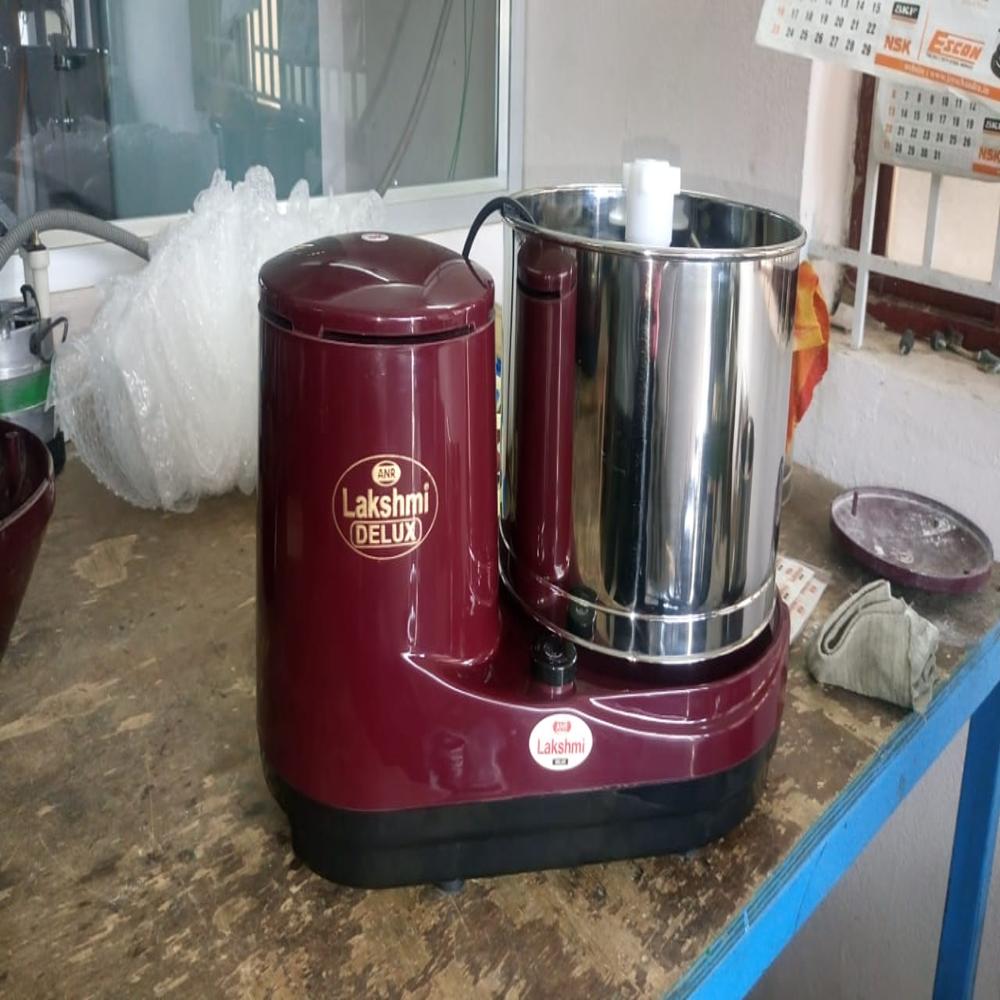
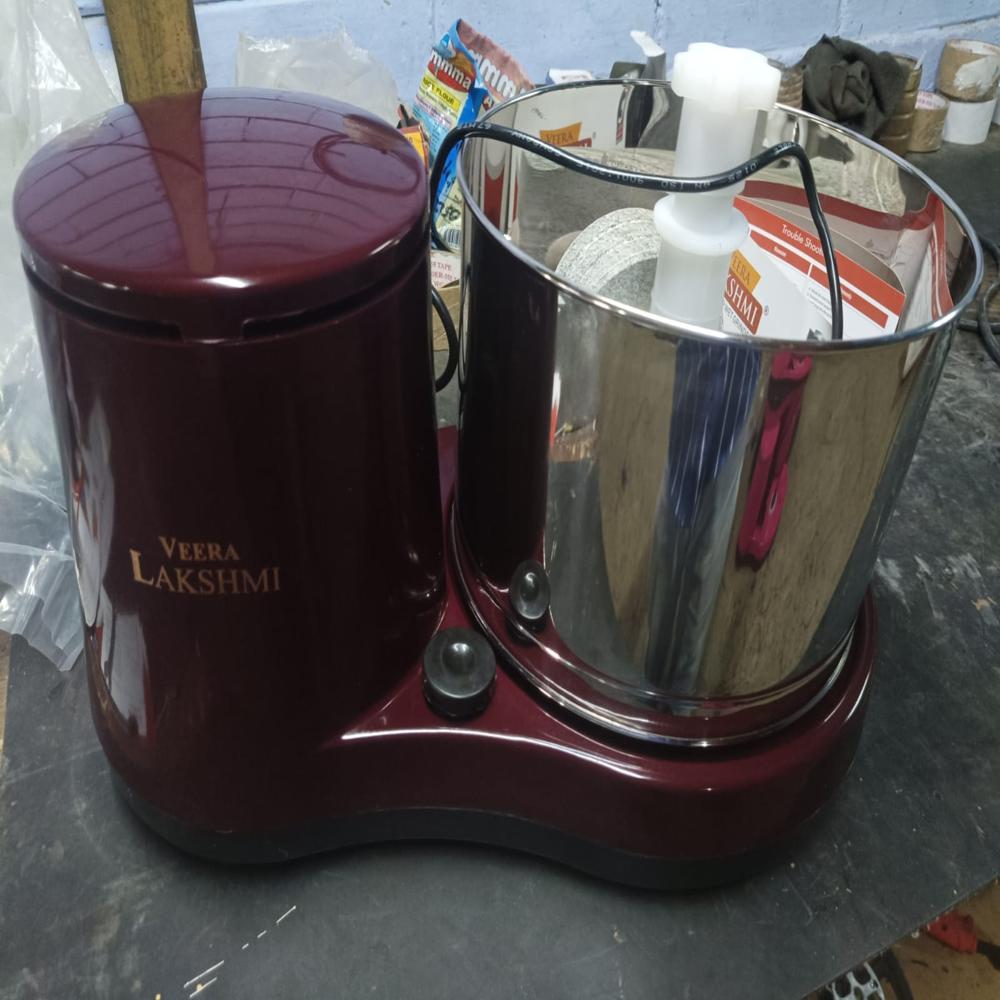
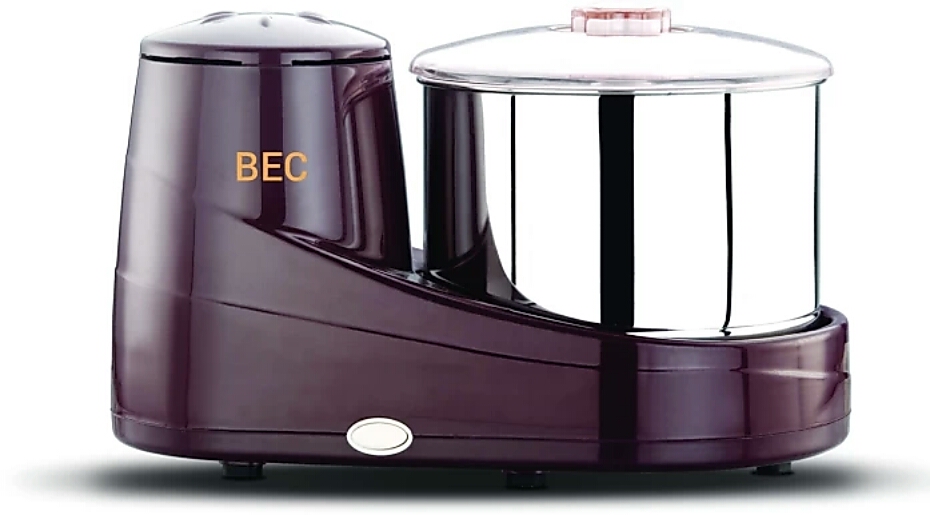
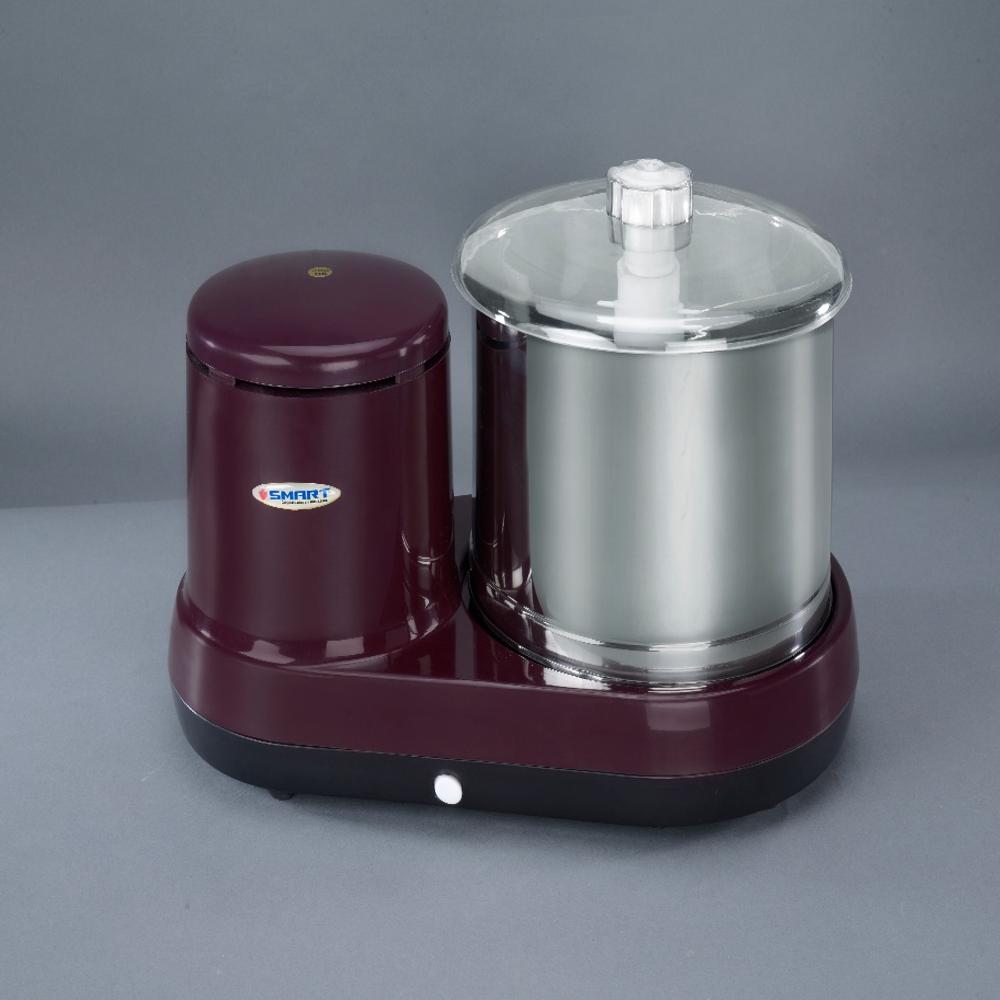
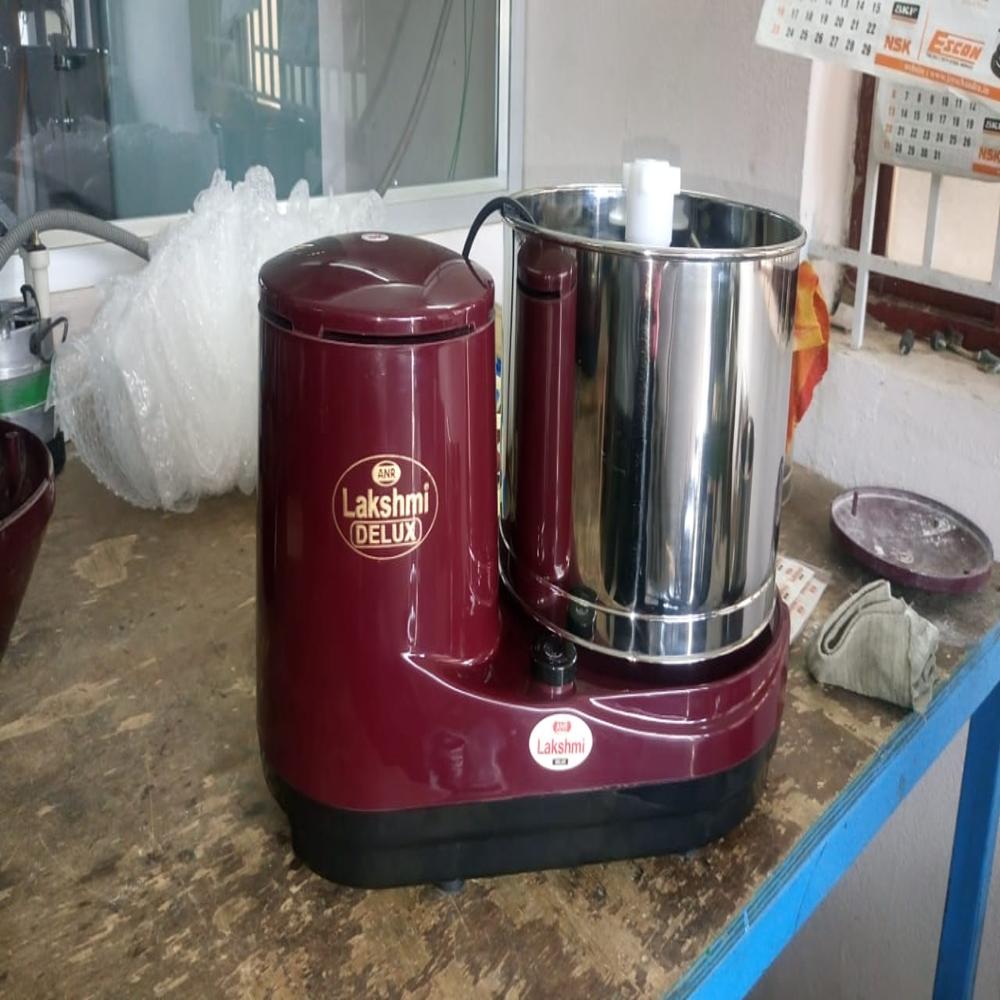
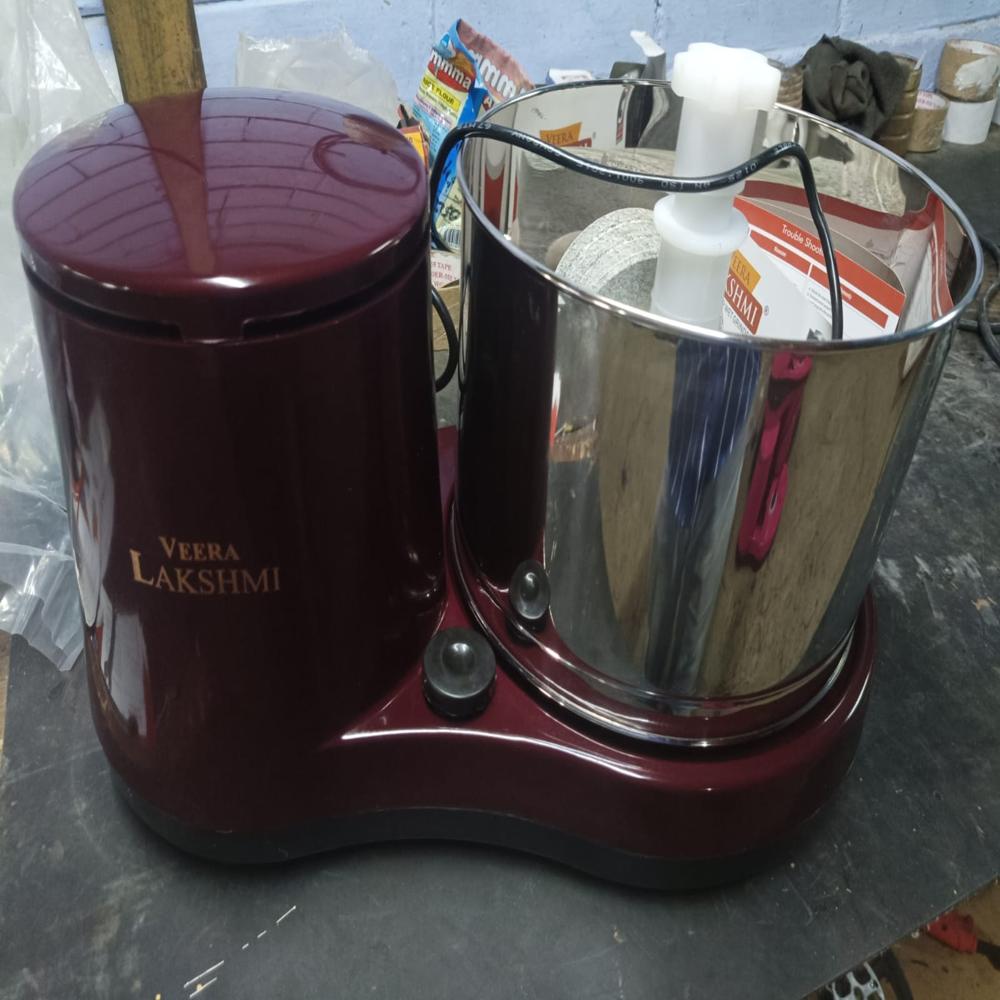
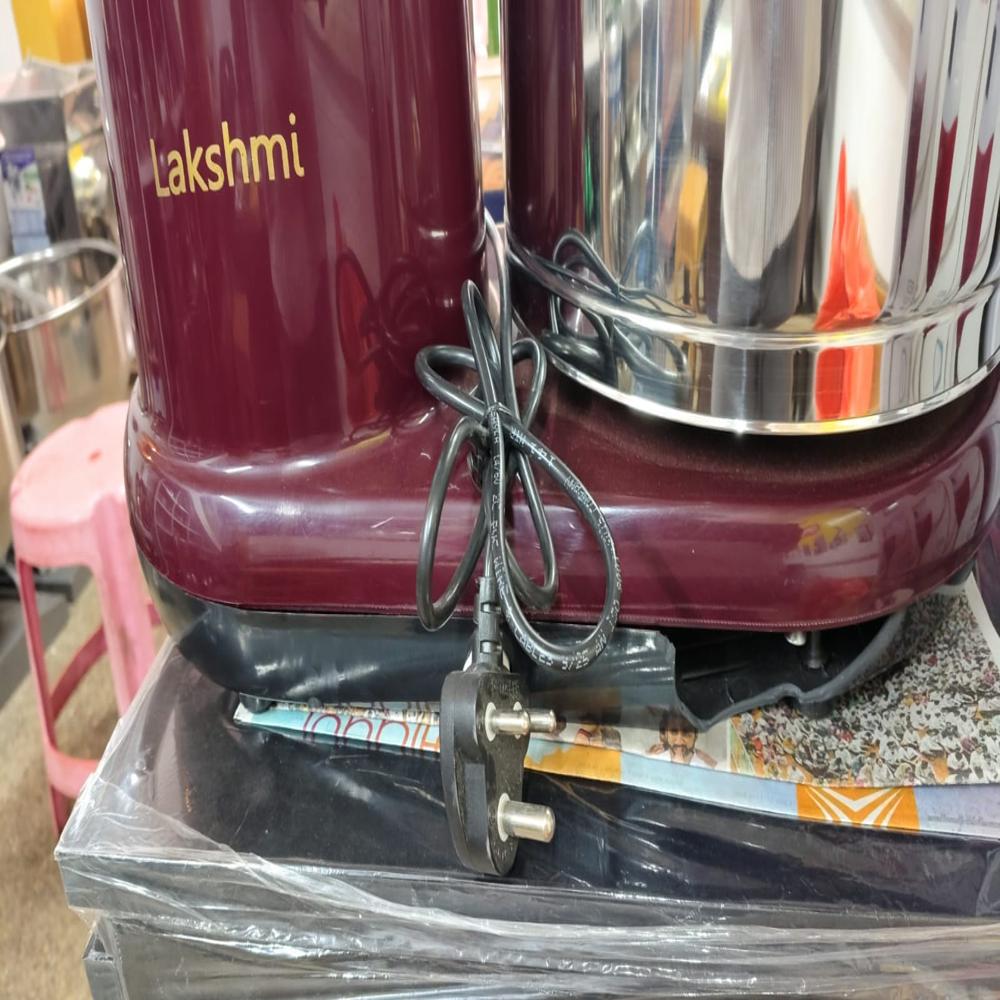

Price:
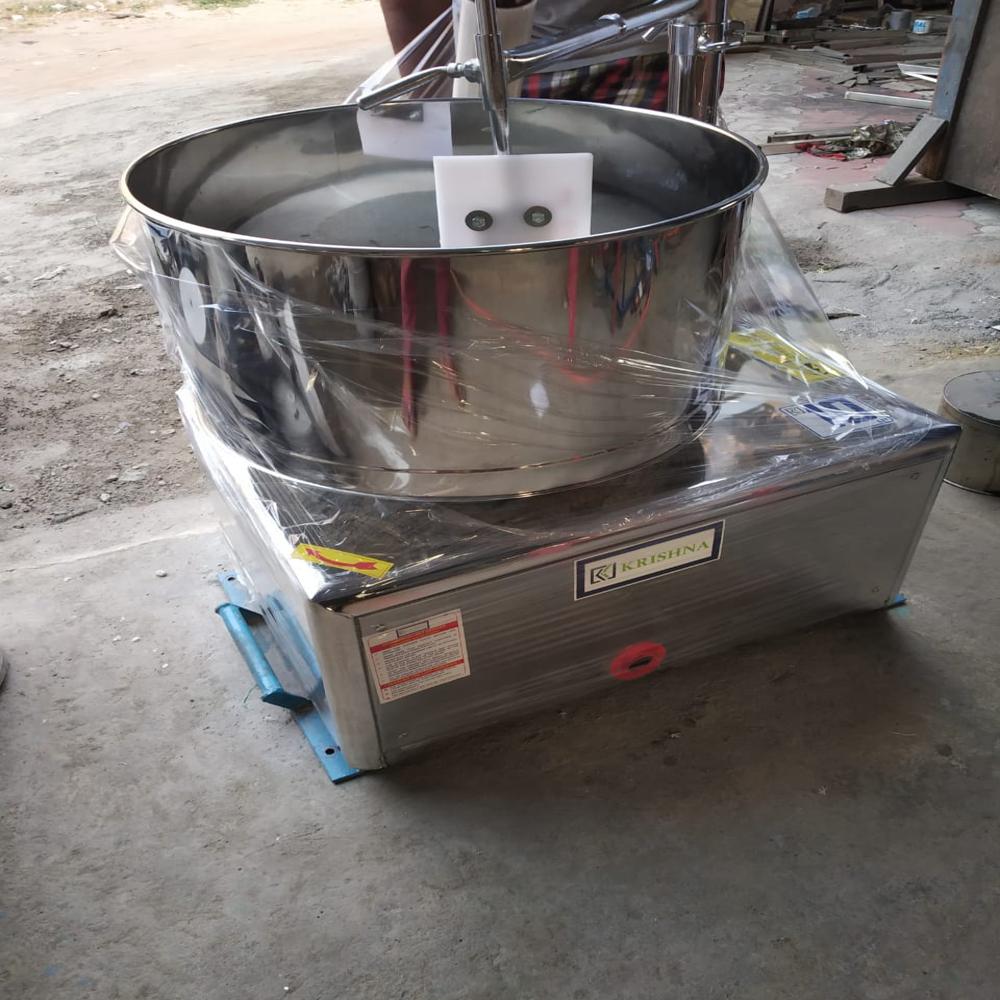
Price 26000.0 INR / Piece
Minimum Order Quantity : 1 Piece
Warranty : 1 YEAR FOR MOTOR
Voltage : 220 Volt (v)
Feeding System : MANUAL
Noise Level : 50 (approx) db
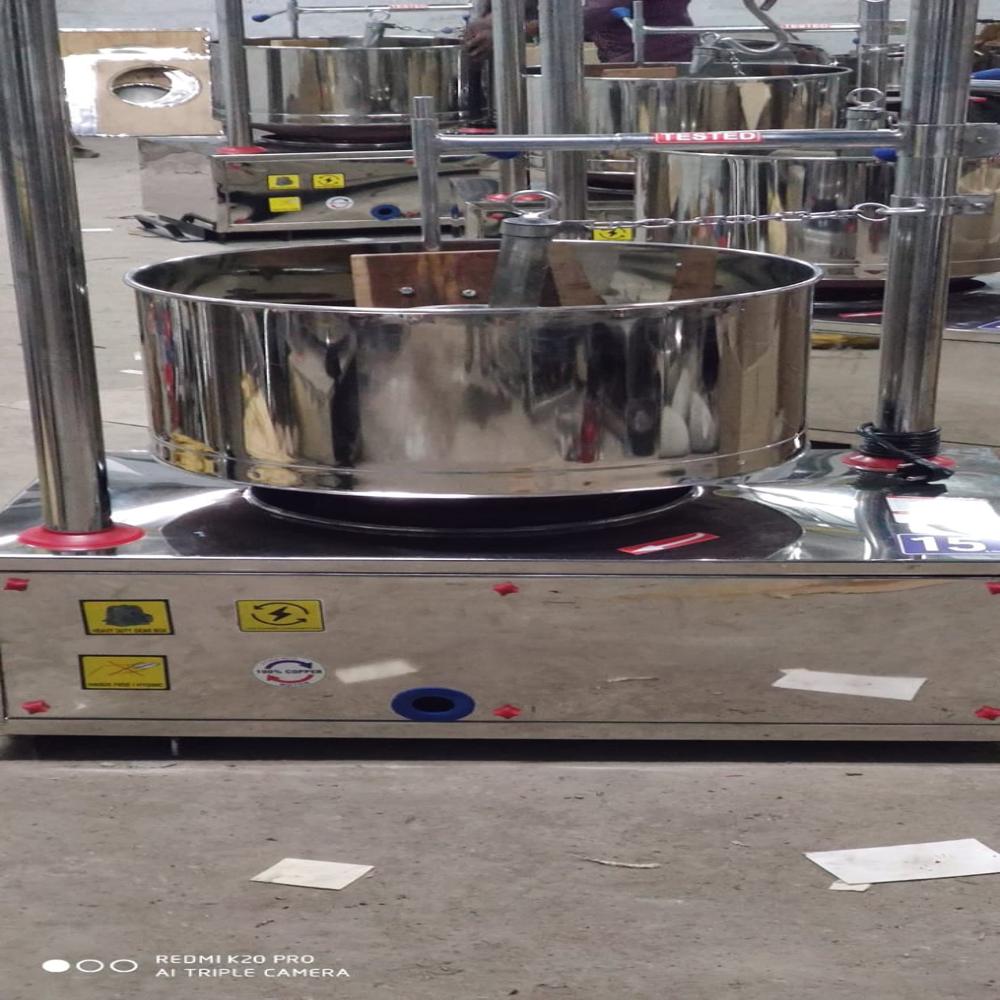
Price 35500.0 INR / Number
Minimum Order Quantity : 1 Number
Warranty : 1 YEAR FOR MOTOR
Voltage : 220 Volt (v)
Feeding System : MANUAL
Noise Level : 50 (approx) db
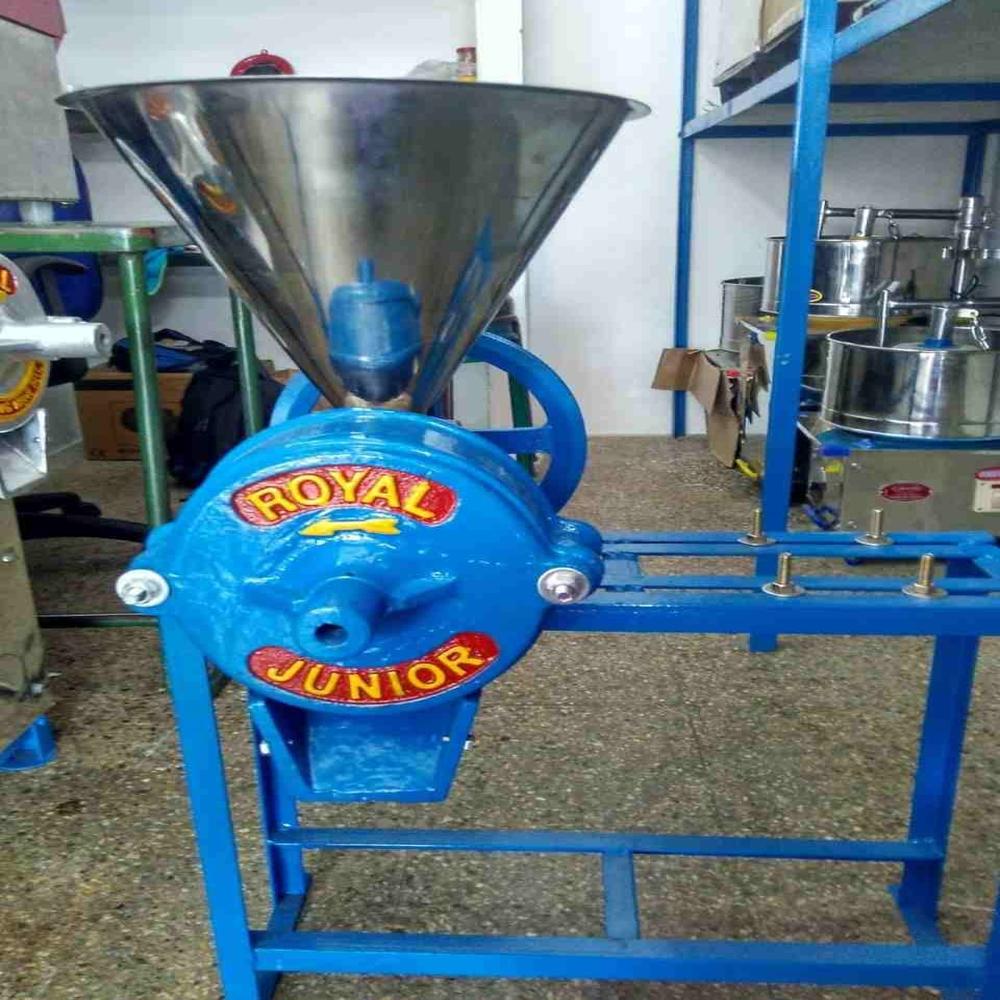
Price 24000.0 INR / Number
Minimum Order Quantity : 1 Number
Warranty : 1 YEAR FOR MOTOR
Voltage : 220 Volt (v)
Feeding System : MANUAL
Noise Level : 65 (approx) db
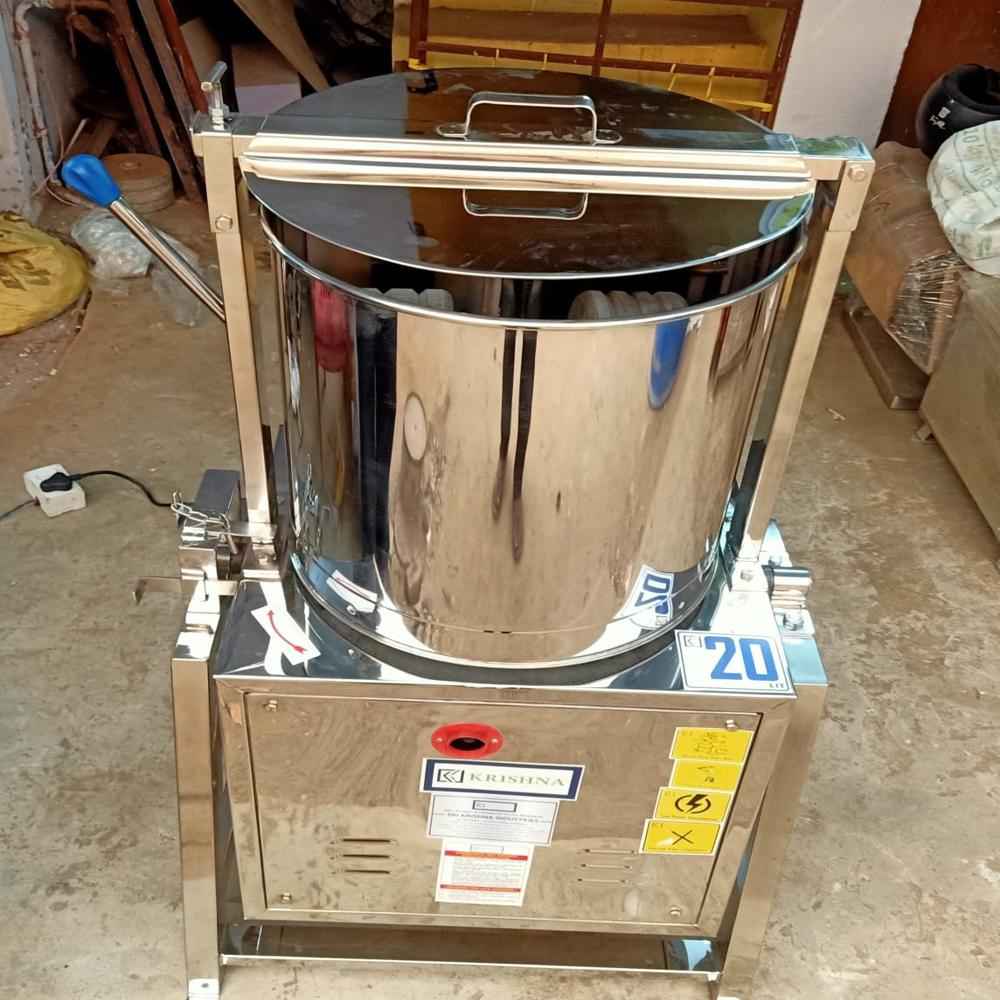
Price 40000.0 INR / Number
Minimum Order Quantity : 1 Number
Warranty : 1 YEAR FOR MOTOR
Voltage : 220 Volt (v)
Feeding System : MANUAL
Noise Level : 50 (approx) db

 Send Inquiry

 Send Inquiry