


Talk to us
08071791510
Talk to us
08071791510
The commercial food processing and catering sectors require high-performance, robust, and relentless equipment to meet bulk food production demands. At the center of this landscape is the Conventional Wet Grinder (10-Litre Capacity). Unlike domestic tilting or tabletop models, a 10-litre conventional wet grinder represents a critical operational bridge: it transitions a food business from manual, low-volume culinary preparation to automated, high-yield, and highly predictable commercial production.
This heavy-duty industrial appliance is specifically engineered to handle the strenuous, continuous grinding of soaked grains, lentils, and spices. It is primarily used to produce batters for foundational South Indian staples like Idli, Dosa, Vada, and Appam, as well as complex paste formulations for industrial kitchens, hotels, hostels, and small-scale food manufacturing units.
The design philosophy of a 10-litre conventional wet grinder focuses on mechanical durability, structural mass, and thermal stability. Industrial food preparation demands hours of continuous mechanical stress. If a grinding machine suffers from structural deflection, excessive heat generation, or premature bearing failure, it compromises the food yield and causes expensive operational downtime.
The conventional layout addresses these challenges by using a stationary, deep-drawn food-grade stainless steel drum paired with a rotating internal stone assembly. This assembly features two or three heavy, precision-profiled granite stones driven by a high-torque, low-RPM transmission system. This configuration prioritizes high crushing mass over high speed, which minimizes frictional heat buildup. Keeping the batter cool preserves the wild yeast strains essential for natural fermentation, ensuring the final food product achieves its traditional taste, texture, and rise.
Every component of a conventional 10-litre wet grinder is selected to withstand the challenging environment of a commercial kitchen, where moisture, organic acids, salt, and abrasive forces are constantly present.
The grinding drum is constructed from AISI 304 Austenitic Stainless Steel. This alloy contains approximately 18% chromium and 8% nickel, making it highly resistant to corrosion from the organic acids naturally produced during grain soaking and fermentation.
Surface Finish: The interior of the drum is polished to a high-gloss, sanitary finish (mirror finish or fine satin). This prevents microscopic food particles from lodging in surface imperfections, inhibiting bacterial growth and bio-film formation.
Structural Integrity: The bottom of the drum is reinforced with a thick circular plate, which is mechanically locked or precision welded to the vertical walls. This reinforcement prevents the base from flexing under the immense downward pressure of the granite rollers.
The performance of a wet grinder depends heavily on its stone elements. Industrial wet grinders use premium-grade, non-porous, fine-grained natural black granite sourced from specialized quarries.
Hardness and Composition: The granite must register high on the Mohs hardness scale to minimize mineral shedding into the food matrix. It must be free from structural micro-fissures, quartz veins, or soft mineral pockets that could fracture under high pressure.
The Roller Stones: The two or three cylindrical roller stones are mounted onto a central shaft assembly. The outer faces of these stones are often grooved with calculated diagonal channels. These grooves create a micro-pump effect that continuously draws grains beneath the stones for efficient crushing.
The Bottom Stone Bed: A thick, circular slab of matching granite is secured at the base of the stainless steel drum. The face of this bottom stone is precision-leveled. The interaction between the rotating roller stones and this stationary bed creates the high-shear zones required to reduce grain sizes down to the micron level.
The internal chassis must be rigid to maintain precise alignment between the motor pulley and the main drive shaft.
The Structural Chassis: Built from heavy mild steel channels or angles, the frame is fully welded and treated with anti-corrosion primers and automotive-grade polyurethane paint. This coating protects the frame from the humid, water-receptive environments typical of commercial wash zones.
The Top Bridge / Yoke Assembly: A heavy-duty cast-iron or thick steel lock-arm spans the top of the drum. This bridge locks the central stone shaft into position, holding the rollers securely against the bottom stone. It features a heavy-duty tensioning screw or spring-loaded assembly that allows operators to adjust the grinding pressure based on the density of the ingredients.
Transforming high-speed electrical energy into low-speed, high-torque mechanical crushing force requires a well-engineered powertrain.
The machine is powered by a continuous-duty, high-torque capacitor-start, capacitor-run (CSCR) single-phase motor or an industrial three-phase induction motor.
Insulation Class: The motor windings are specified to Class F or Class H insulation ratings, allowing them to withstand internal operating temperatures without insulation breakdown. This is vital during prolonged operations in hot, poorly ventilated commercial kitchens.
Ingress Protection (IP Rating): The motor housing meets IP55 standards, meaning it is protected against dust ingress and low-pressure water streams from any direction. This rating allows operators to safely wash down the machine without risking electrical shorts.
A standard induction motor runs at approximately 1440 RPM. Directing this speed into a wet grinder would cause the batter to instantly eject from the drum due to centrifugal force, while generating friction that would cook the ingredients. To prevent this, a speed reduction system is used to lower the output .
To achieve this 11:1 reduction efficiently without overloading a single stage, modern conventional grinders often utilize a dual-stage pulley system.
Step-Down Configuration: A small-diameter pulley on the motor shaft drives a significantly larger pulley on an intermediate or main drive shaft using high-grip V-belts (typically A-section or B-section belts). This mechanical advantage multiplies the torque, allowing the machine to start smoothly even when fully loaded with dense grains.
Shock Absorption: V-belt drives offer a key advantage: they naturally absorb shock. If an operator accidentally drops a hard foreign object into the grinding drum, the belts will slip on the pulleys rather than transferring the sudden shock directly to the motor shaft. This protects the expensive motor from scorching its windings or snapping its shaft.
Because the main drive shaft operates directly beneath a wet processing drum, it requires robust sealing to prevent water damage.
Double-Row Ball Bearings: The main drive shaft is supported by heavy-duty, double-row ball bearings or tapered roller bearings that handle both vertical thrust and radial loads.
Viton Oil Seals & Mechanical Glands: To prevent water and abrasive batter from leaking into the bearing housing, the shaft is sealed with premium Viton rubber oil seals paired with a mechanical deflector ring. This system ensures that any liquid escaping the upper seals is directed away from the bearings and safely drained out of the chassis.
The 10-litre conventional wet grinder is more than a mechanical crusher; it is a specialized tool optimized for food science. Understanding its performance requires analyzing what happens to grain structures at a microscopic level during operation.
Wet grinding relies on two simultaneous physical forces: compression (crushing) and shear (tearing).
Compression: As soaked rice or lentils pass under the heavy granite rollers, the immense weight of the stones breaks down the starch granules and protein matrices.
Shear: Because the roller stones have a wide contact surface relative to the curved path of the drum, different points along the stone's face travel at slightly different linear speeds. This velocity differential creates a high-shear zone that stretches and refines the particles into a smooth paste, rather than simply smashing them.
When preparing Urad Dal (black gram) for idli batter, the primary goal is to release mucilaginous proteins (specifically arabinogalactans) and stretch them into a stable, elastic foam that traps air bubbles.
Micro-Aeration: The slow, steady rotation of the granite stones continuously folds air into the viscous batter. This mechanical aeration creates a light, whipped structure, significantly increasing the volume of the batter. A high-quality wet grinder can expand the volume of urad dal batter by 2.5 to 3.5 times its original dry volume.
Starch Damage Control: High-speed blade grinders cut and shatter starch molecules, which releases excessive free starches that make batter sticky and dense. The low-RPM stone grinding method preserves the integrity of these starch complexes, yielding a batter that retains its structural strength and rises perfectly during steaming or baking.
Fermentation relies on wild yeasts and lactic acid bacteria ($Lactobacillus$) naturally present on the grains. These microorganisms are highly sensitive to heat.
If batter temperatures exceed 38C to 40C during grinding, these beneficial microbes can be damaged or killed, resulting in flat, unfermented batter with an unpleasantly sour, chemical taste.
The large thermal mass of the heavy granite stones absorbs structural friction, keeping the temperature rise of the batter well within safe limits (typically less than a 3C to 5C increase over ambient temperatures during a 30-minute cycle). This optimal temperature range jump-starts healthy, reliable fermentation.
To maximize the lifespan of a 10-litre commercial grinder and maintain strict food safety standards, operators must follow rigorous operational and maintenance schedules.
Pre-Operational Inspection: Ensure the drum is clean and free of residual moisture or dust. Check that the granite rollers rotate freely on their shafts. Swing the top bridge into place and tighten the locking mechanism to secure the stone assembly.
No-Load Initiation: Always turn the machine on before adding ingredients. Starting the motor with a dry, fully loaded drum creates massive resistance that can trip circuit breakers, slip the drive belts, or scorch the motor windings.
Hydration Step: Pour a small amount of water into the drum immediately after starting the machine. This lubricates the contact faces between the granite stones, preventing dry friction damage.
Gradual Loading: Slowly add the soaked grains or lentils into the drum along with metered amounts of water. Adding the ingredients gradually allows the stones to crush the material efficiently without bogging down.
Monitoring and Adjustment: Throughout the cycle, check the viscosity of the batter. Add water in small, controlled amounts to maintain an even flow beneath the stones.
Unloading the Batter: Once the batter reaches the desired texture, use a specialized commercial food scoop to safely remove it while the machine completes its final slow rotations, or turn off the machine completely depending on your facility's safety guidelines.
Regular maintenance keeps industrial machinery running reliably and prevents costly, unexpected breakdowns during peak production times.
| Frequency | Target System | Action Protocol |
| Daily | Food-Contact Surfaces | Wash down the stainless steel drum and stone assemblies with hot water and food-safe sanitizers. Clear any batter residue from the central shaft. |
| Weekly | Belt Drive Transmission | Inspect V-belt tension. Adjust the motor mounting bolts if the belts show signs of slipping or flapping. Check for edge fraying. |
| Monthly | Electrical Enclosures | Clean the motor housing cooling fins to remove dust and flour debris. Inspect power cables for wear or cracking. |
| Quarterly | Bearing Architecture | Check for structural play in the main drive shaft. Apply food-grade, high-temperature EP2 grease to grease nipples. |
| Bi-Annually | Stone Dressing | Inspect the grinding surfaces of the granite stones. If the face becomes smooth, use a stone-dressing hammer to recreate micro-grooves. |
No Hand Ingress: Operators must never reach into the drum with their hands or metal utensils while the stones are moving. To adjust or check the batter safely, always use long-handled spatula tools or pause the machine entirely.
Electrical Grounding: The machine must be connected to a dedicated, properly grounded electrical line featuring a residual current circuit breaker (RCCB) or ground fault circuit interrupter (GFCI). This shields operators from electric shocks in wet kitchen environments.
Emergency Cut-Off: Install a highly visible, waterproof, mushroom-head Emergency Stop Switch near the workstation. This allows operators to instantly shut down power to the machine if an emergency arises.
Investing in a 10-litre conventional wet grinder is a strategic decision that directly influences a food service business's bottom-line profitability and operational scalability.
When scaling production, businesses often compare traditional stone grinders against high-speed commercial blenders or cutter-mixers. While blenders offer speed, they fall short on yield and quality for specialized batters.
For a commercial kitchen producing idlis and dosas, the financial benefits of upgrading to a 10-litre wet grinder are substantial:
Increased Volume Output: A commercial blender shears through ingredients quickly but fails to fully unlock the starches and proteins that expand batter volume. A stone wet grinder achieves an aeration expansion factor up to 40% higher than high-speed blade systems.
Direct Ingredient Cost Savings: This high expansion rate means you need fewer raw ingredients to produce the same volume of finished batter. Over months of high-volume commercial production, these savings on raw grains and lentils can completely offset the initial purchase cost of the grinder.
Reduced Product Spoilage: Because stone grinding generates very little friction heat, the raw batter stays cool and unfermented during the cycle. This gives kitchen managers precise control over the fermentation process, leading to a more consistent final product with a longer shelf life and less daily waste.
When sourcing a professional 10-litre conventional wet grinder, equipment buyers should look for the following quality indicators:
True Material Certification: Request written verification that all food-contact surfaces are genuine AISI 304 stainless steel, and ensure the granite stones are free of synthetic resin fillers.
Motor Reliability Data: Choose models equipped with motors from recognized industrial manufacturers that offer clear thermal overload protection and verified IP55 ratings.
Local Spare Parts Support: Verify that replacement partssuch as matched V-belts, precision oil seals, and replacement granite rollersare readily available from local suppliers to ensure your kitchen avoids costly operational delays.
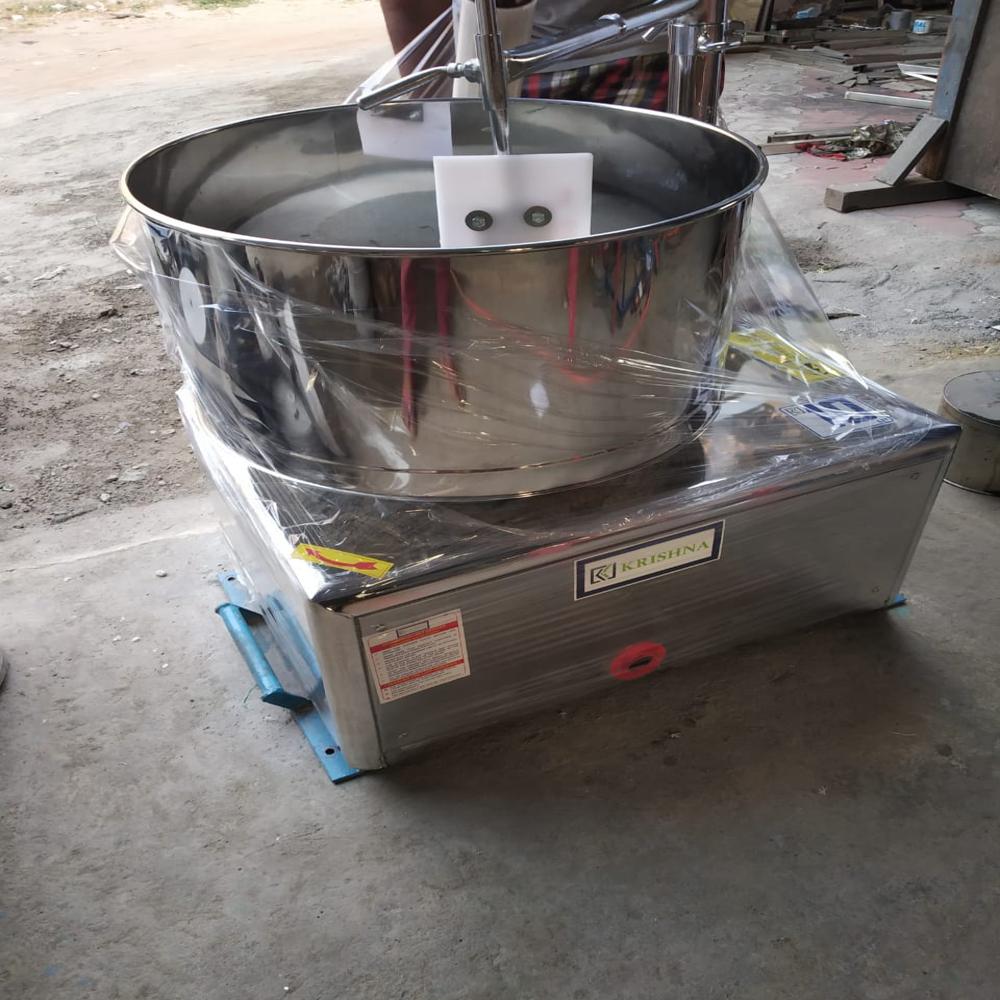

Price:
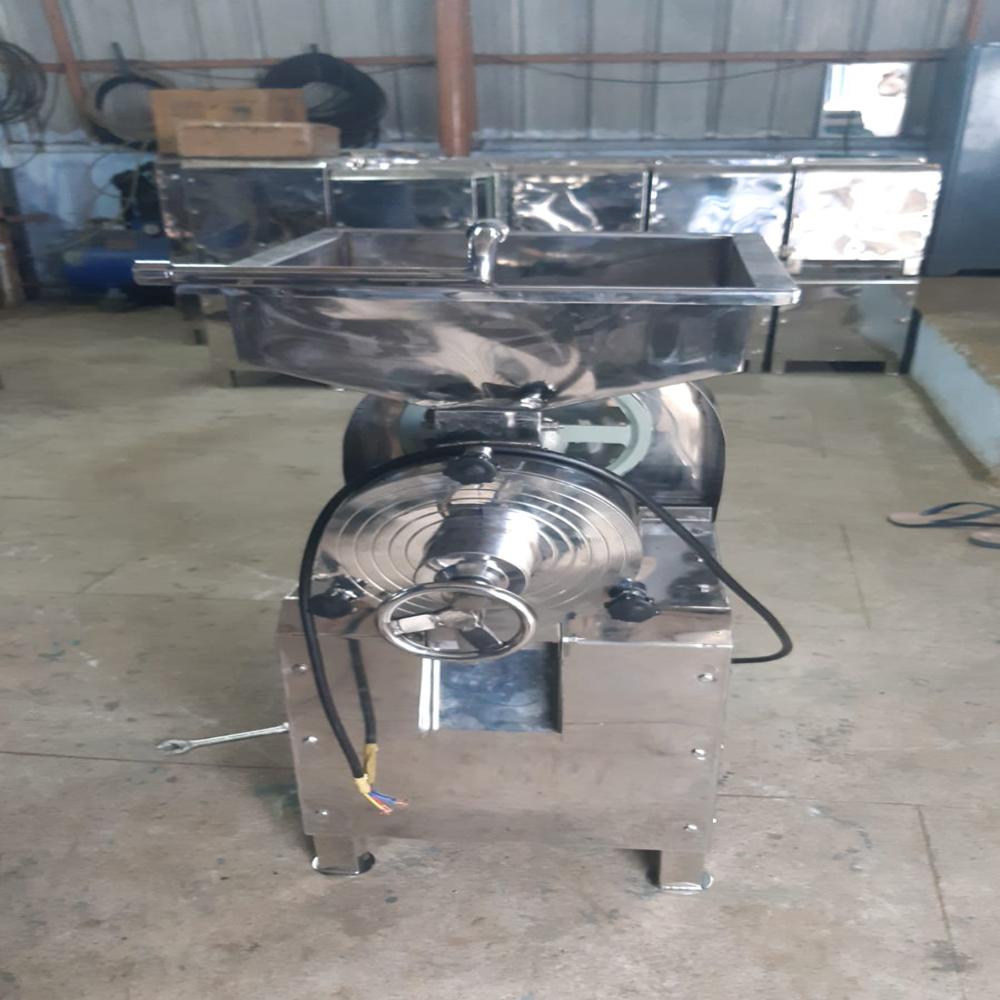
Price 41700.0 INR / Number
Minimum Order Quantity : 1 Number
Weight (kg) : 8590 (approx) Kilograms (kg)
Material : Stainless Steel
Control System : Manual
Color : Other
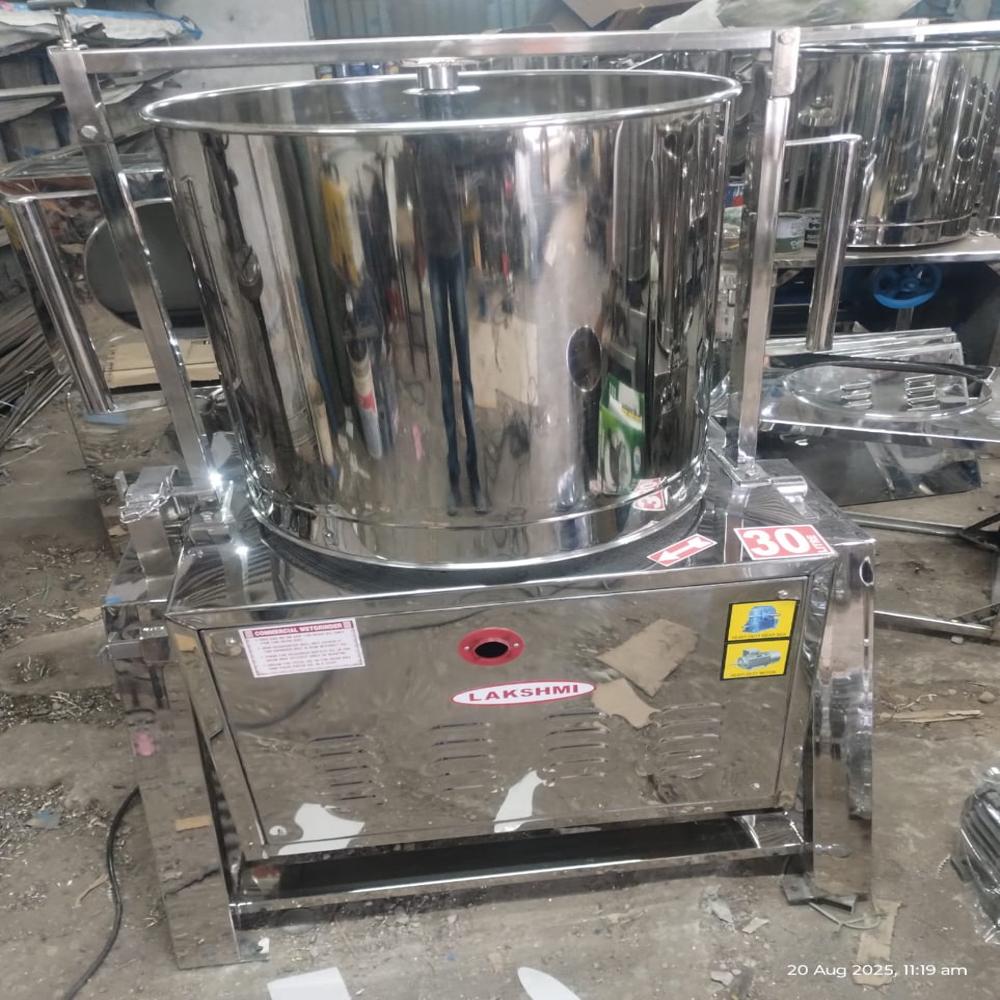
Price 70000.0 INR / Unit
Minimum Order Quantity : 1 Unit
Weight (kg) : 180 (approx) Kilograms (kg)
Material : Stainless Steel
Control System : Manual
Color : Other
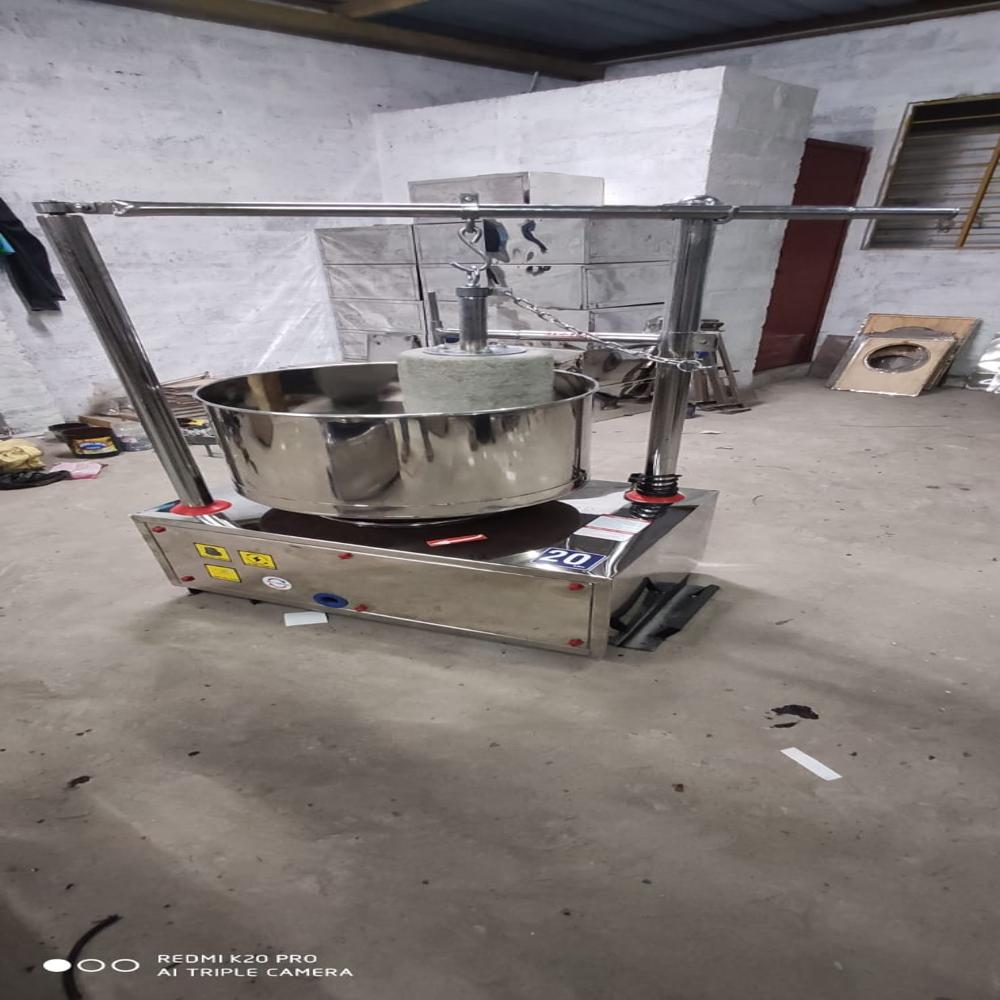
Price 45500.0 INR / Number
Minimum Order Quantity : 1 Number
Weight (kg) : 130 (approx) Kilograms (kg)
Material : Stainless Steel
Control System : Manual
Color : Other
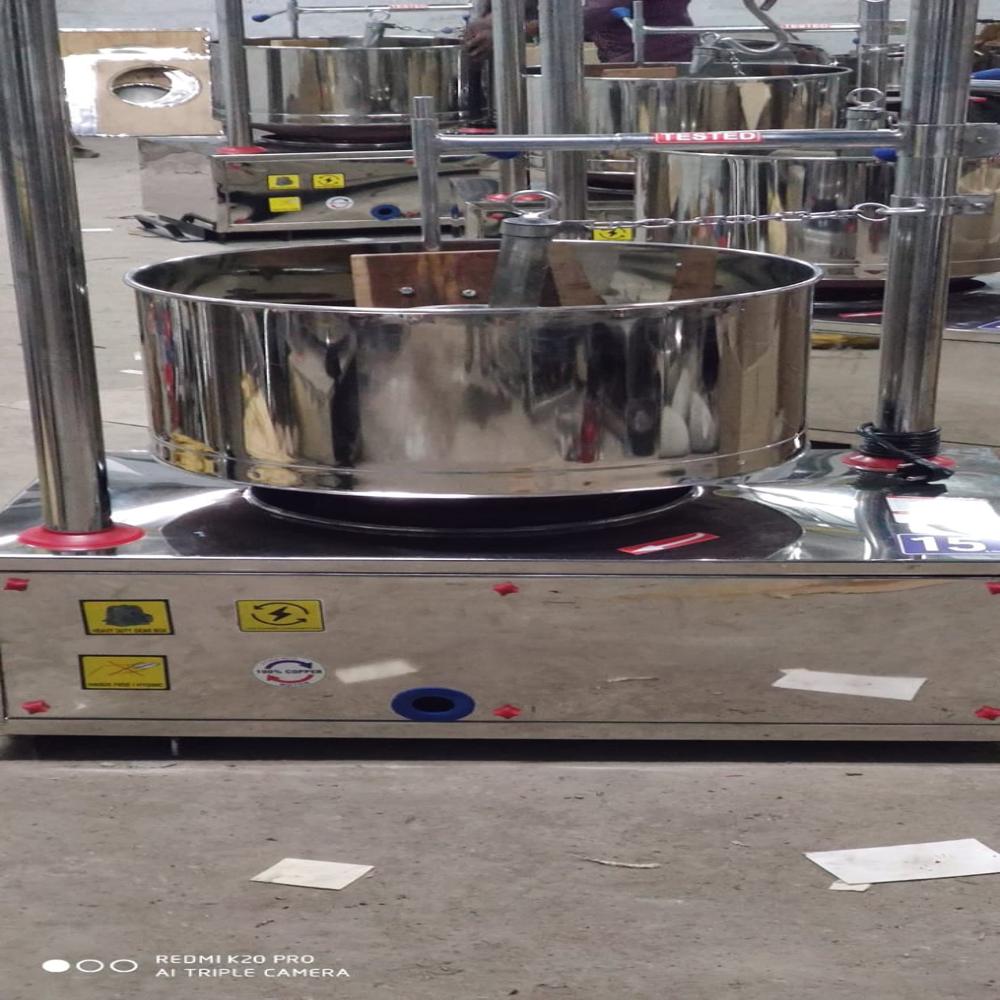
Price 35500.0 INR / Number
Minimum Order Quantity : 1 Number
Weight (kg) : 120 (approx) Kilograms (kg)
Material : Stainless Steel
Control System : Manual
Color : Other

 Send Inquiry

 Send Inquiry