


Talk to us
08071791510
Talk to us
08071791510
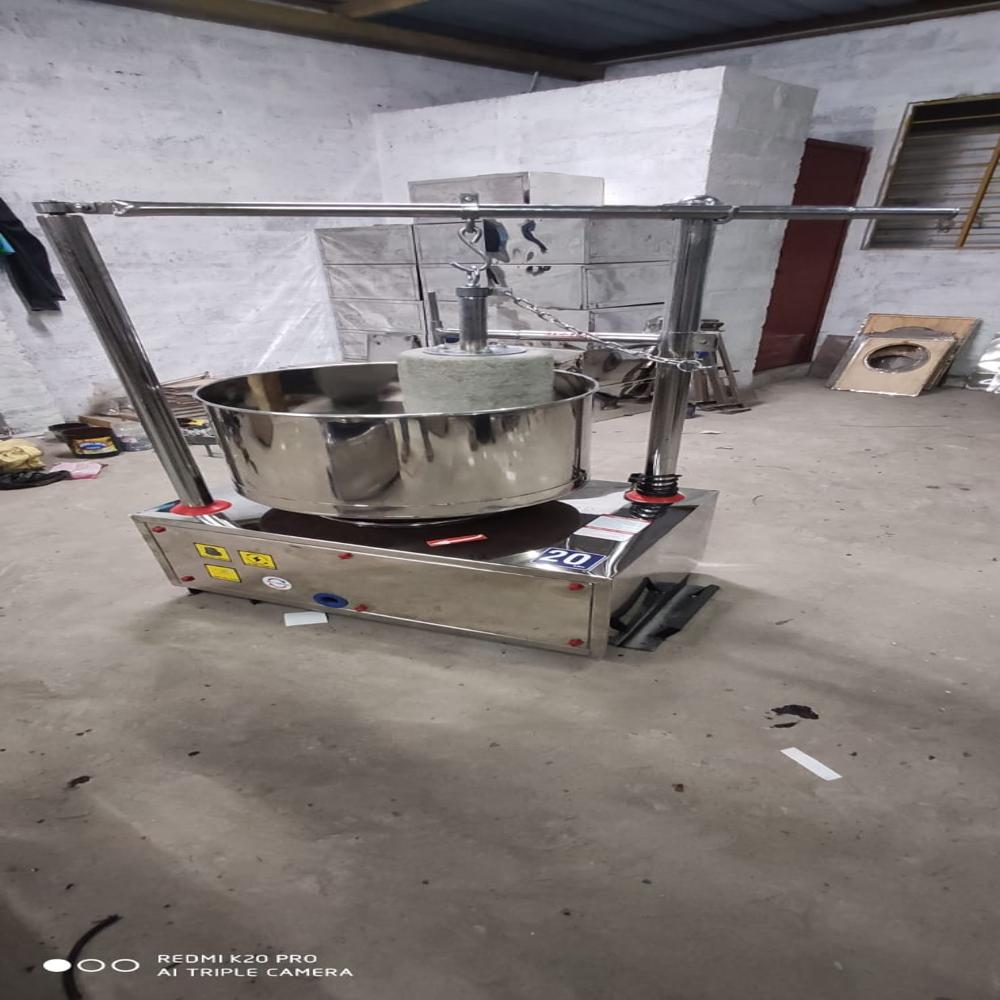
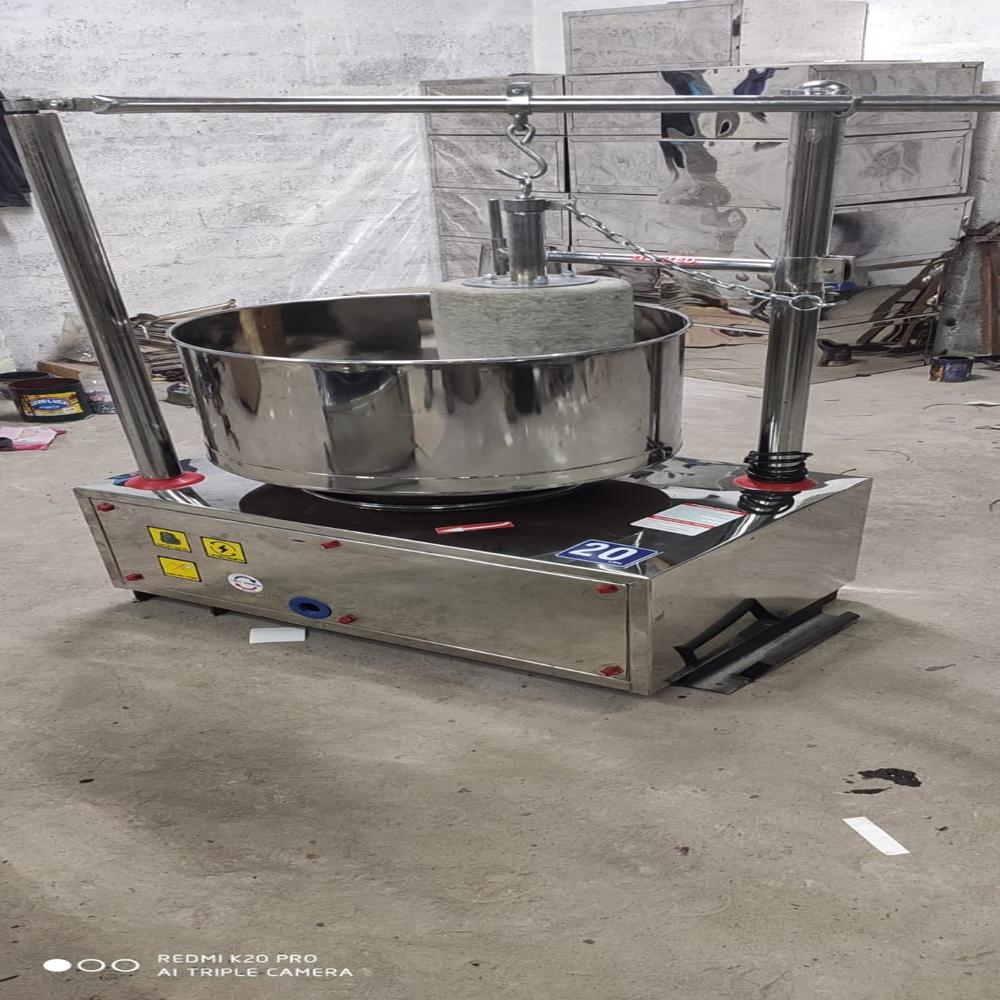
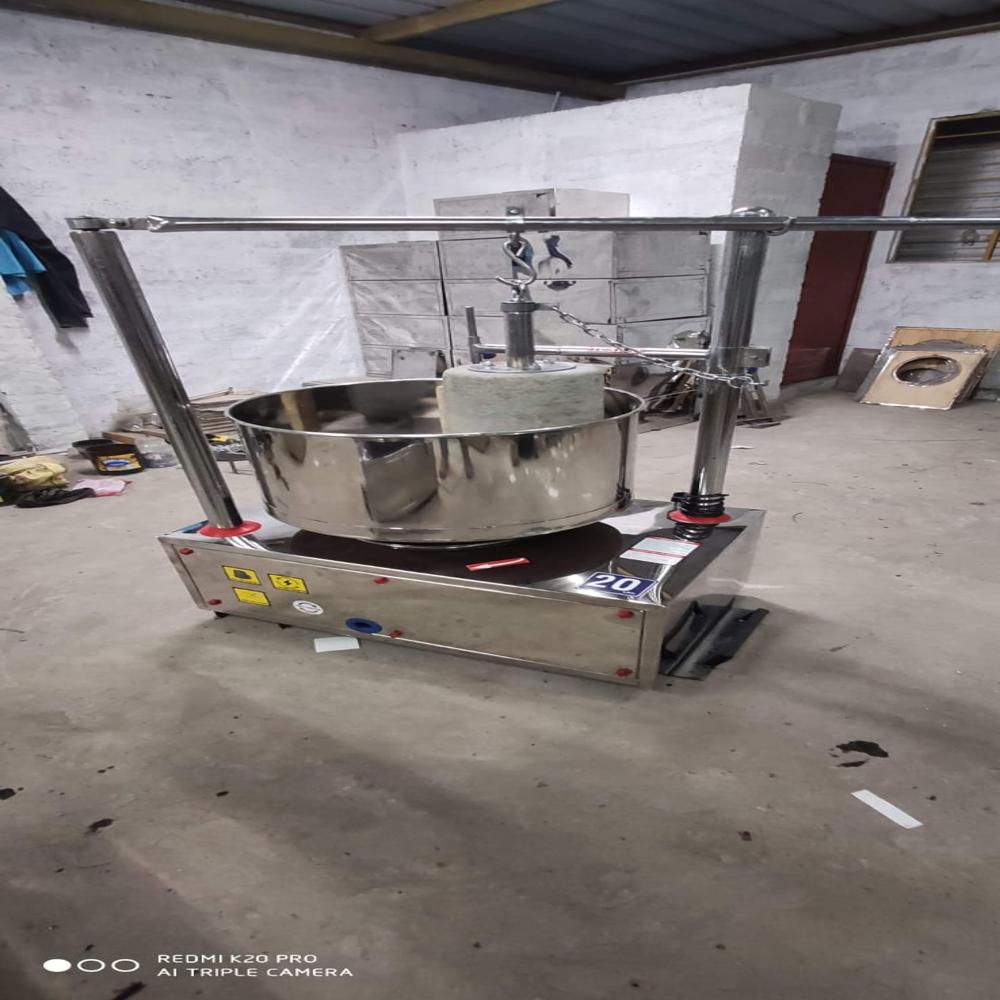
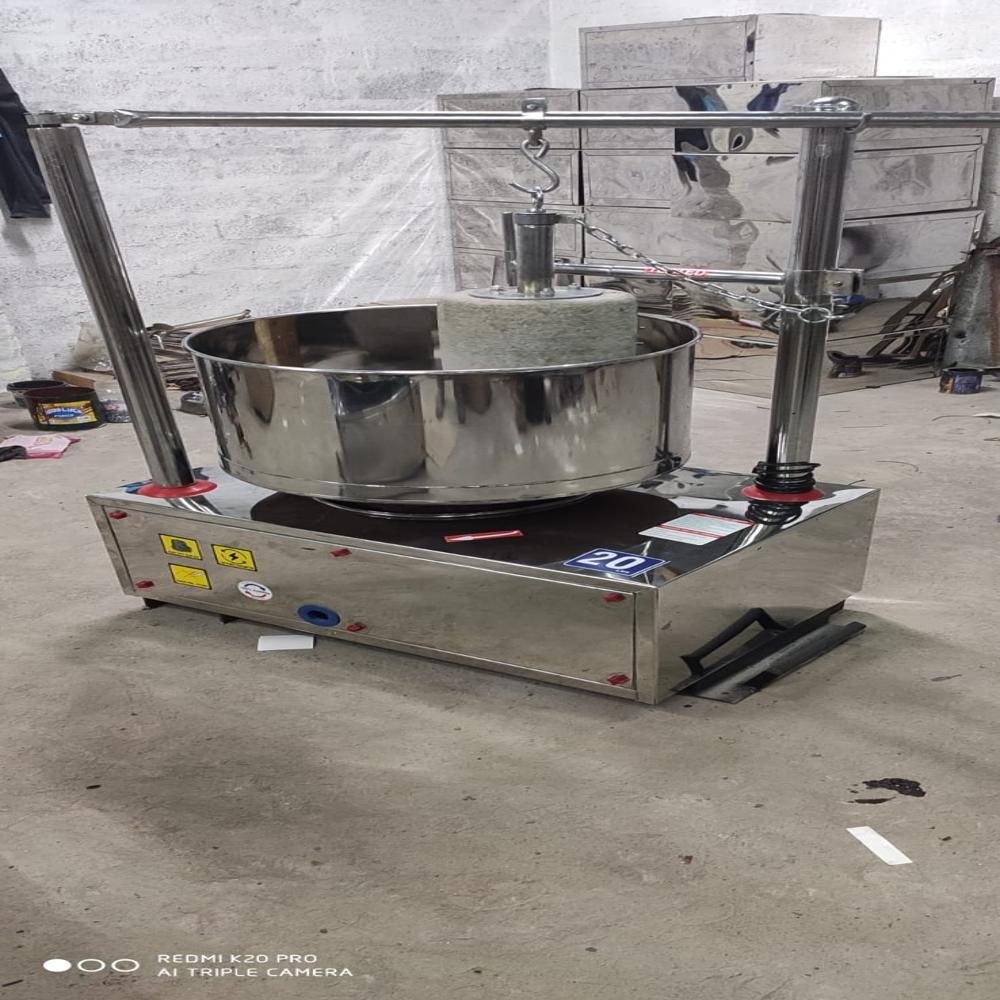
The 20-liter conventional wet grinder bridges the gap between medium-scale commercial food prep and massive, fully automated industrial refining plants. Unlike tilting models or smaller tabletop units, the conventional box-type design prioritizes structural rigidity, immense torque transfer, and sustained running capacity. It is explicitly engineered to handle high-density rice and urad dal batters, processing up to 20 liters of soaked raw ingredients per batch without thermal degradation or mechanical strain.
In the food machinery manufacturing sector, this specific configuration is considered the workhorse of traditional South Indian commercial kitchens. Its design balances physical footprint with high-volume output, making it an essential acquisition for businesses operating on tight production schedules where equipment downtime directly translates to revenue loss. By utilizing high-density granite grinding stones interacting with a rotating stainless steel drum, it preserves the authentic texture and temperature-sensitive qualities of food starches far better than high-speed blade cutters or micro-pulverizers.
The structural architecture of a 20-liter conventional wet grinder is engineered to withstand extreme torsional stress and continuous vibrational loads. Every material selected directly influences the machine's operational lifespan, hygiene compliance, and structural integrity.
The outer shell features a fully enclosed box structure. In premium industrial configurations, this casing is fabricated using Food-Grade 304 Stainless Steel (SS) with a thickness ranging from 1.2 mm to 1.5 mm (16 to 18 gauge). The closed-box geometry serves a dual purpose:
It completely seals internal mechanical components (motor, pulleys, belts, bearings) from external moisture, water splashes during washdowns, and stray batter.
It provides a wide, low-center-of-gravity footprint that naturally dampens operational vibrations, eliminating the need for permanent floor anchoring in most kitchen layouts.
Beneath the exterior stainless steel skin lies a rugged internal skeleton. This chassis is typically constructed from heavy-gauge Mild Steel (MS) channel iron or angle frames, welded continuously and coated with rust-inhibiting primers or powder coatings. This internal framework bears the direct weight of the motor and the massive drive assembly, ensuring the exterior SS body does not flex or warp under load.
The 20-liter drum is a critical component subjected to constant abrasive friction and chemical exposure from organic acids in food.
Material: Constructed exclusively from high-gauge, non-magnetic SS 304.
Base Plate: The bottom of the drum features a thick, machined plate designed to house the bottom grinding stone securely. This base is reinforced to prevent any wobbling or eccentricity during high-capacity rotation.
Finishing: Mirror-polished interior surfaces to ensure smooth food contact, prevent bacterial harboring in micro-crevices, and facilitate rapid cleaning.
A rigid, overhead bridge or top-arm assembly securely clamps the roller stone shaft into place. This arm is often made of heavy forged iron or thick SS casting, equipped with a heavy-duty locking mechanism (such as an adjustable tension screw or toggle latch). This ensures that once the roller stones are lowered into the drum, they maintain uniform, unyielding downward pressure against the bottom stone.
To efficiently grind 20 liters of dense, soaked grains into a fine, aerated paste, the machine relies on a highly optimized mechanical power transmission system that converts high-speed motor rotation into high-torque, low-RPM drum rotation.
The heart of the 20-liter grinder is an industrial-grade, high-torque induction motor.
Power Rating: Typically equipped with a 2 HP (Horsepower) motor, though heavy-duty industrial variations may upgrade to a 3 HP unit to handle continuous back-to-back batches.
Electrical Phase: Available in both Single-Phase for standard commercial properties and Three-Phase for industrial zones. Three-phase motors are highly preferred in manufacturing due to their superior energy efficiency, smoother torque delivery, and lower risk of winding burnout under prolonged loads.
Insulation Class: Class F or Class B insulation standards are mandatory to allow the motor windings to safely withstand temperatures generated during 8-to-12-hour production shifts.
Grinding batter at this speed would instantly cook the ingredients due to frictional heat, destroying the wild yeasts necessary for fermentation. Therefore, a massive speed reduction is required:
Target Drum Speed: The drum is calibrated to rotate at a steady 120 to 140 RPM.
Transmission Mechanism: This reduction is achieved through a multi-stage V-belt drive system using premium-grade rubber V-belts (typically A-section or B-section belts) paired with balanced cast-iron pulleys. Alternatively, top-tier industrial models utilize an oil-immersed, heavy-reduction worm gearbox. Gearbox drives offer nearly 98% energy transmission efficiency, eliminate belt slippage under heavy loads, and require significantly less tension adjustment over time.
The vertical center shaft that rotates the drum is machined from high-tensile carbon steel or SS 410. It is supported by dual heavy-duty taper roller bearings or deep-groove ball bearings housed in a dust-proof, water-resistant cast-iron hub. This bearing assembly absorbs both the radial forces of the belt pull and the massive axial forces exerted by the weight of the granite stones and batter.
The superior culinary output of a conventional wet grinder over modern high-speed blending technology lies entirely within its stone crushing mechanics. The 20-liter unit utilizes a time-tested three-stone interaction system consisting of one stationary circular bottom stone and two cylindrical roller stones.
The grinding components are sourced from selected, high-density, flawless natural granite blocks. This granite must be entirely free of structural fissures, quartz veins, or soft mineral pockets that could fracture or chip into the food supply.
Hardness: Chosen for extreme abrasive resistance, ensuring minimal stone-wear over years of daily operation.
Porosity: Micro-textured surfaces provide natural gripping action against grains, pulling them beneath the rollers rather than letting them slide uselessly around the drum.
| Component | Physical Characteristic | Functional Role |
| Bottom Stone | Flat, circular slab permanently locked into the base of the rotating SS drum. | Forms the uniform grinding floor; rotates along with the drum casing. |
| Roller Stones | Two independent, heavy cylindrical granite wheels mounted on a central horizontal axle. | Sit vertically on top of the bottom stone. They do not have an independent motorized drive; instead, they rotate via pure surface friction as the bottom stone turns beneath them. |
As the drum turns, the ingredients are drawn into the wedged clearance zone between the rotating bottom stone and the free-spinning roller stones. This subjects the food particles to two simultaneous mechanical forces:
Compressive Crushing: The sheer dead-weight of the granite rollers (often enhanced by top-arm spring tension) pulverizes the cellular structure of the grains.
Low-Speed Shearing: Because the linear velocity varies across the face of the cylindrical roller relative to the circular bottom stone, a natural shearing action occurs. This stretches and refines the starches and proteins without generating heat.
This low-temperature shearing action is critical for creating premium-grade batter. It allows proteins (specifically in urad dal) to form stable, complex molecular matrices that trap microscopic air pockets. This natural aeration causes the batter to expand significantly during the grindoften yielding up to 1.5x to 2x more volume of finished batter compared to high-speed blade blenders, which chop ingredients, destroy protein chains, and generate heat that pre-cooks delicate starches.
Operating an industrial 20-liter wet grinder efficiently requires strict adherence to standardized processing sequences to maximize throughput and preserve machinery health.
While labeled as a "20-Liter" grinder, users must understand the distinction between total structural volume and optimal batch capacity:
Dry Ingredient Capacity: A standard 20L unit is optimized to take in approximately 5 kg to 6 kg of dry rice or dal per batch.
Wet Finished Volume: Upon adding the calculated water ratio (typically 1:1 up to 1:1.5 depending on grain quality), the final volume of the expanded, aerated batter will reach the full 20-liter mark near the upper safety rim of the drum.
To achieve maximum efficiency, operators should follow a disciplined processing window:
Pre-Start Inspection: Ensure the drum is clear of debris, the roller stones are correctly seated, the top arm is locked down securely, and a small amount of water is added to the drum before switching on the motor. Running granite stones completely dry will cause immediate frictional scoring and permanent surface damage.
The Grain Feed Phase: Once the machine is running smoothly at full RPM, the soaked grains are fed gradually over a 3-to-5-minute window. Dumping the entire 6 kg of dry-equivalent grain into the drum at once can jam the roller stones, stall the motor, snap the transmission belts, or trip the electrical breakers.
The Grinding Window: For a standard batch of idli or dosa batter, the grinding cycle runs for 30 to 45 minutes. Urad dal typically refines faster (1520 minutes) due to its high mucilaginous content and need for rapid aeration, while raw rice requires the full 40-minute window to eliminate grit.
Water Management: The operator must monitor the batter's viscosity continuously, adding water in controlled, periodic increments. Too little water increases friction, overloading the motor and heating the batter; too much water thins the mixture prematurely, reducing the stone-to-grain contact efficiency and lengthening the cycle time.
Once the desired micro-particle consistency is reached, the batter is discharged. In conventional box grinders, this is performed manually using food-safe polymer scoops while the drum rotates slowly, or via a specialized bottom-drain food valve if equipped. A well-managed commercial operation can easily cycle 10 to 12 batches in a standard 8-hour workday, producing roughly 200 to 240 liters of premium finished product daily.
Setting up a 20-liter industrial wet grinder requires careful planning regarding the physical floor space, utility connections, and operator safety ergonomics.
Given that a fully loaded 20-liter grinderincluding its internal chassis, granite components, motor, and fluid loadcan easily weigh between 180 kg to 220 kg, floor selection is critical:
Surface Composition: The unit must be placed on a perfectly level, reinforced concrete floor. Leveling prevents uneven bearing wear and ensures uniform stone contact.
Operational Clearance: While the machine itself occupies an average footprint of roughly 36" x 24", an operational clearance zone of at least 24 inches must be maintained on all sides to allow for safe operator movement, ingredient staging, batch discharging, and routine maintenance access.
Operating high-voltage machinery in wet kitchen environments presents serious electrical hazards. The following safety integrations are mandatory:
Industrial Control Panel: The grinder should never be connected directly to a standard wall toggle switch. Instead, it must be routed through an Industrial Starter Panel or a Magnetic Contactor Switch equipped with integrated Overload Relays (OLR). This system automatically cuts power to the motor instantly if a stone jam causes an amperage spike, preventing catastrophic motor burnout.
Ingress Protection (IP Rating): All external switches, push-buttons, and electrical junction boxes must carry a minimum of an IP55 water-splash-proof rating.
Grounding/Earthing: Double-fault grounding with a heavy-duty copper conductor connected directly from the internal iron chassis to the facility's main earthing pit is non-negotiable to protect operators from stray electrical leakage.
To optimize cleanup workflows, the machine should ideally be positioned near an industrial floor drain trap. Because conventional grinders require thorough washing at the end of every shift, having a dedicated water supply line or overhead flexible hose nozzle adjacent to the machine minimizes cleanup times and reduces water tracking across the facility floor.
To ensure a 20-liter conventional wet grinder maintains operational efficiency over a 10-to-15-year lifecycle, facility managers must implement a strict daily, weekly, and monthly maintenance regimen.
Over months of continuous grinding against hard rice grains, the micro-textures of the granite stones will naturally wear down, becoming smooth and polished. This condition is known as "stone glazing."
The Symptom: Grinding cycles take significantly longer (e.g., stretching from 35 minutes to over an hour), and the batter feels gritty rather than smooth.
The Solution: Periodic Stone Dressing. This process involves using a specialized mechanical dressing hammer or a cold chisel to manually tap and create microscopic pits and grooves across the grinding faces of both the bottom stone and the roller stones. This restores the high-friction cutting profile of the stone. For heavy commercial operations, dressing should be scheduled every 4 to 6 months.
The extreme forces inside the bearing hub and transmission paths require disciplined lubrication to prevent metal-on-metal galling:
Main Center Shaft Bearings: Must be packed with high-temperature, water-resistant lithium-complex grease via the designated grease nipples every 30 operating days.
Gearbox Models: The gear oil (typically industrial gear oil grade ISO VG 220 or 320) must undergo its first flush and replacement after the initial 100 hours of break-in operation, followed by annual or bi-annual oil changes depending on shift intensity.
Belt Tension Calibrations: For belt-driven units, check belt deflection weekly. Loose belts slip, causing a drop in drum RPM, increased batch times, and rapid belt degradation; over-tightened belts apply destructive lateral loads on both the motor and drive-shaft bearings, leading to premature structural failure.
| Operational Fault | Probable Root Cause | Corrective Action Protocol |
| Motor hums but drum fails to rotate |
1. Stones jammed by oversized or unsoaked food chunks. 2. Severe V-belt slippage or breakage. 3. Low supply voltage or dropped phase in 3-phase lines. |
1. Disconnect power, lift top arm, clear stones of obstructions. 2. Inspect belt tension; replace worn or snapped V-belts. 3. Verify incoming voltage using a multimeter before restarting. |
| Excessive operational noise or harsh grinding vibration |
1. Uneven or un-leveled floor positioning. 2. Severe wear or pitting in the main shaft bearings. 3. Loosened locking bolts on the internal MS chassis or motor mount. |
1. Use a spirit level and install heavy-duty rubber vibration-dampening pads. 2. Remove drum assembly, inspect bearings for play, replace if necessary. 3. Conduct a complete structural bolt-tightening audit. |
| Batter turns grey or contains fine black particles |
1. Excessive downward tension on the stones with insufficient water. 2. Mechanical bearing grease leaking past worn oil seals into the drum base. |
1. Adjust top-arm tension screw; ensure proper water-to-grain ratio. 2. Immediately replace the vertical shaft oil seals (V-rings / Lip seals) and sanitize the drum. |
| Batter temperature rises significantly during grind |
1. Grinding cycle extended far beyond normal limits due to smooth stones. 2. Inadequate water feeding throughout the cycle. |
1. Stop production and schedule an immediate stone dressing procedure. 2. Train operators to maintain standard fluid viscosity profiles. |
Because rice and dal batters are highly perishable organic mixtures prone to rapid bacterial fermentation, the grinder must be cleaned thoroughly at the end of every production shift.
Flushing: Run the machine briefly with clean, lukewarm water to loosen stuck batter before dismantling.
Stone Extraction: Release the top arm, unlock the horizontal shaft, and lift out the roller stones using an overhead hoist or a two-person manual lift lift-bracket.
Scrubbing: Wash the stones and internal drum surfaces using food-grade, non-scented sanitizing detergents and stiff nylon brushes. Avoid wire brushes or harsh chemical acids that can degrade the granite structure or pit the stainless steel.
Drying & Storage: Wipe down the exterior SS box body and leave the top arm open, allowing the internal drum and granite components to air-dry completely. This prevents mold formation and eliminates sour odors, ensuring the machine meets local food safety regulations.
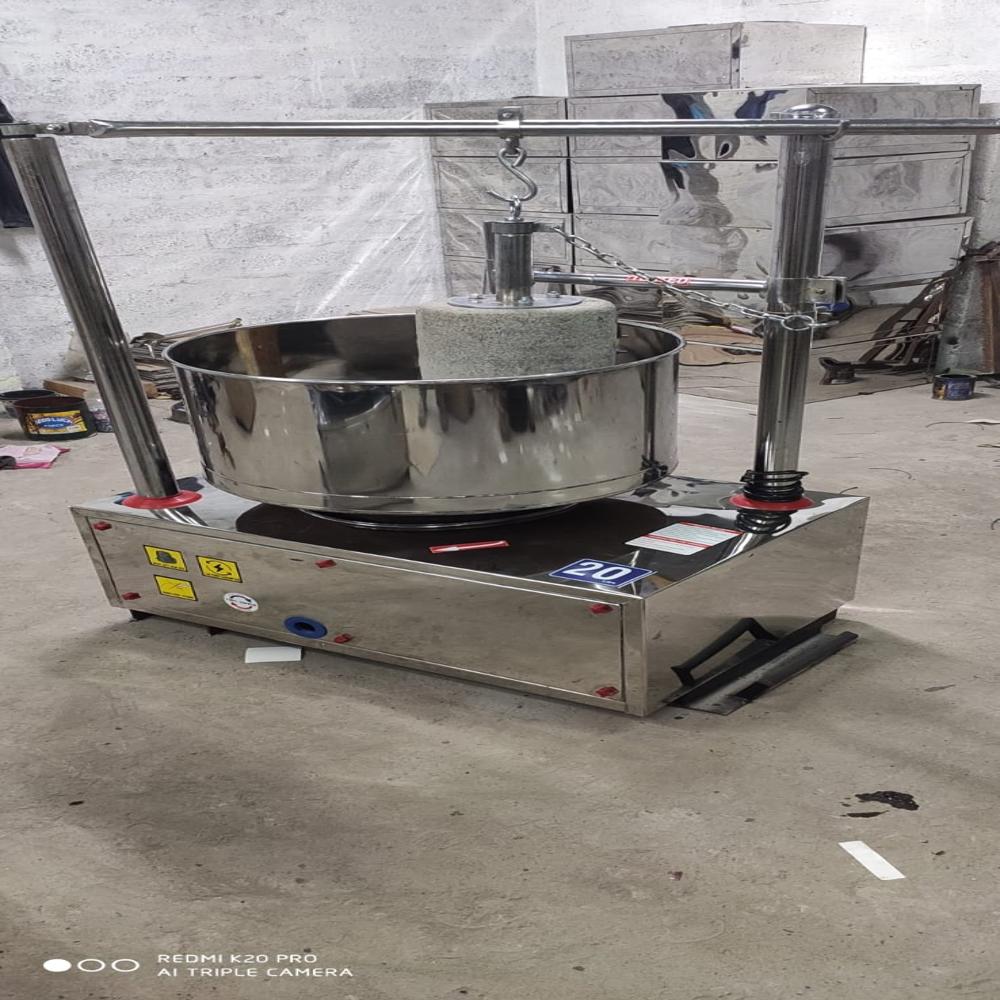
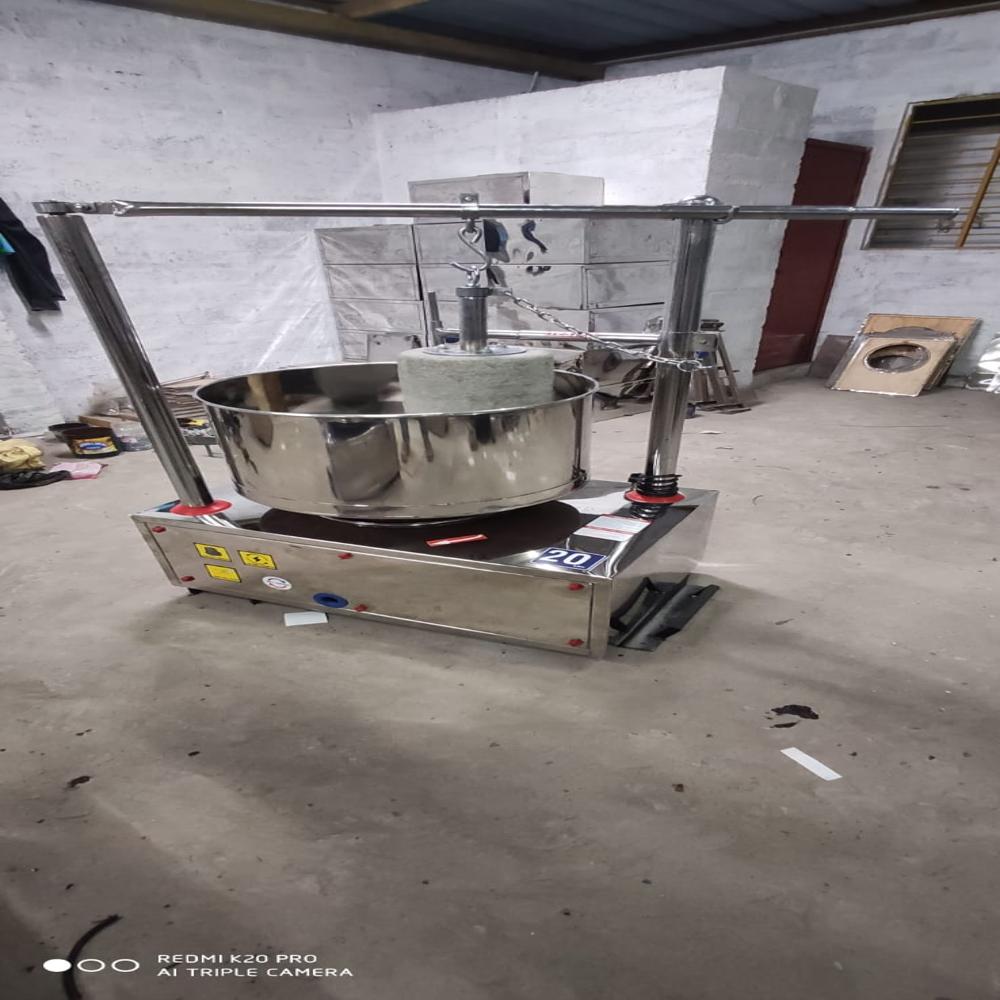

Price:
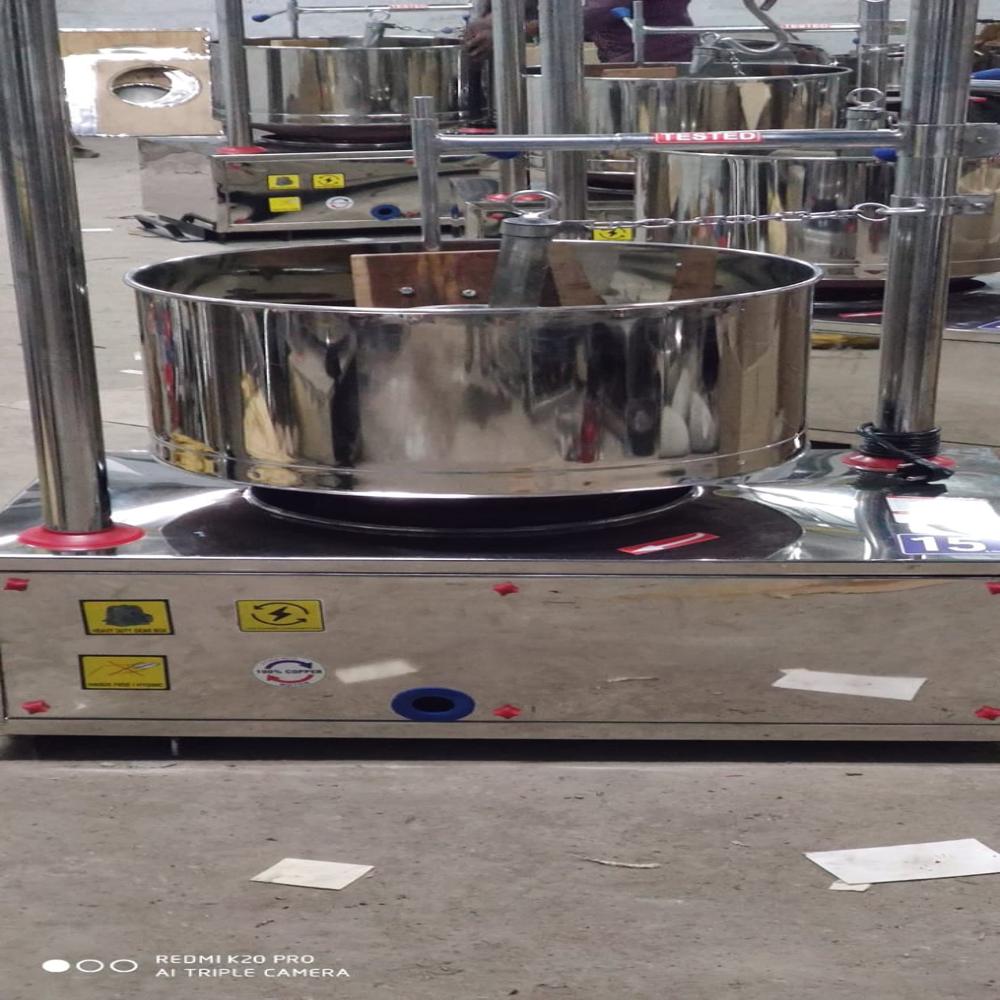
Price 35500.0 INR / Number
Minimum Order Quantity : 1 Number
Automatic : Yes
Product Type : CONVENTIONAL LIFTING TYPE WET GRINDER 15 LTR
Material : Stainless Steel
Feeding System : MANUAL
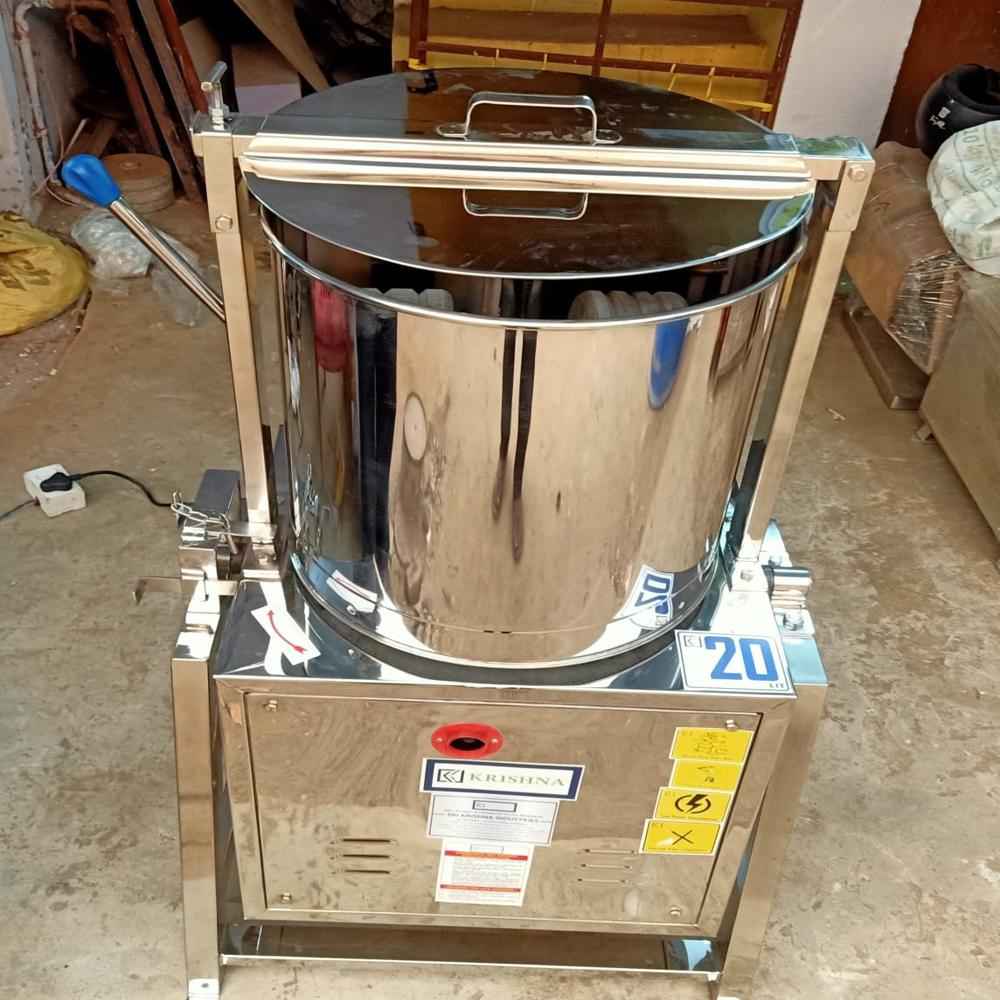
Price 40000.0 INR / Number
Minimum Order Quantity : 1 Number
Automatic : Yes
Product Type : TILTING WET GRINDER 20 LTR
Material : Stainless Steel
Feeding System : MANUAL
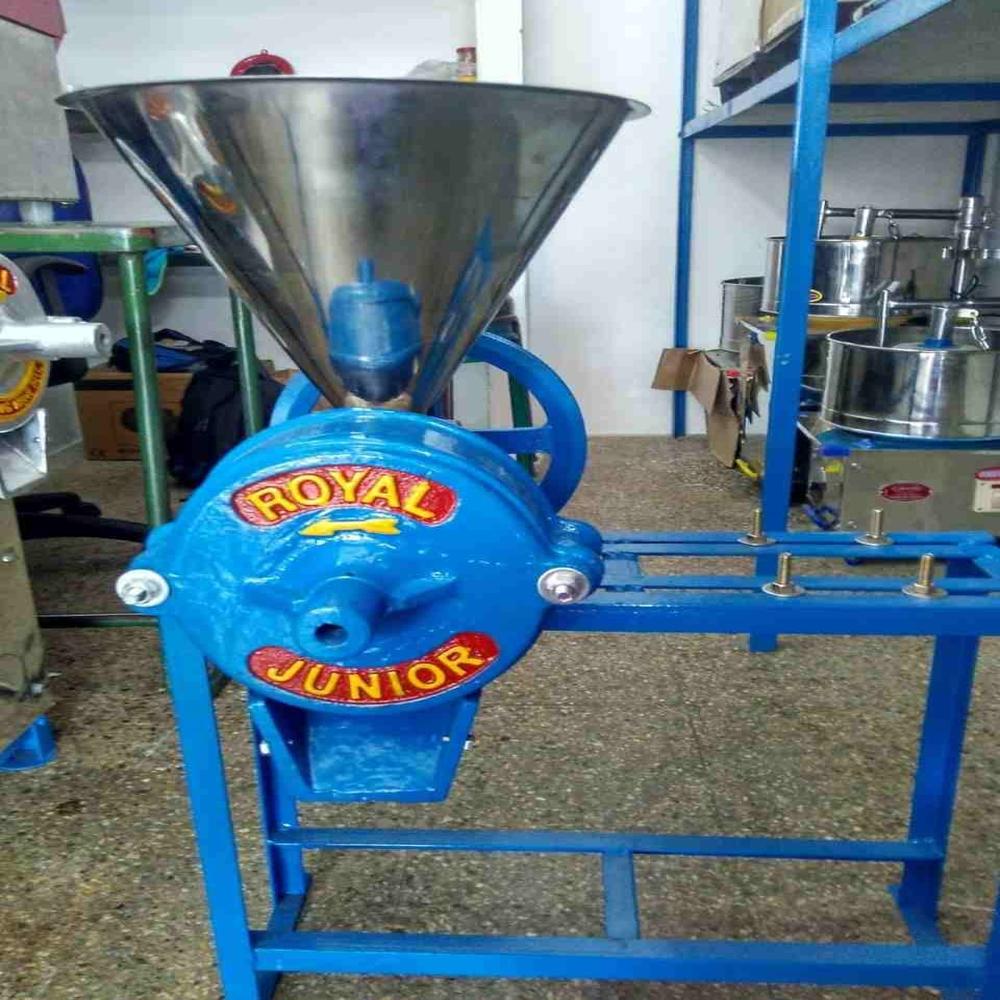
Price 24000.0 INR / Number
Minimum Order Quantity : 1 Number
Automatic : Yes
Product Type : INSTANT WET GRINDER
Material : Stainless Steel
Feeding System : MANUAL
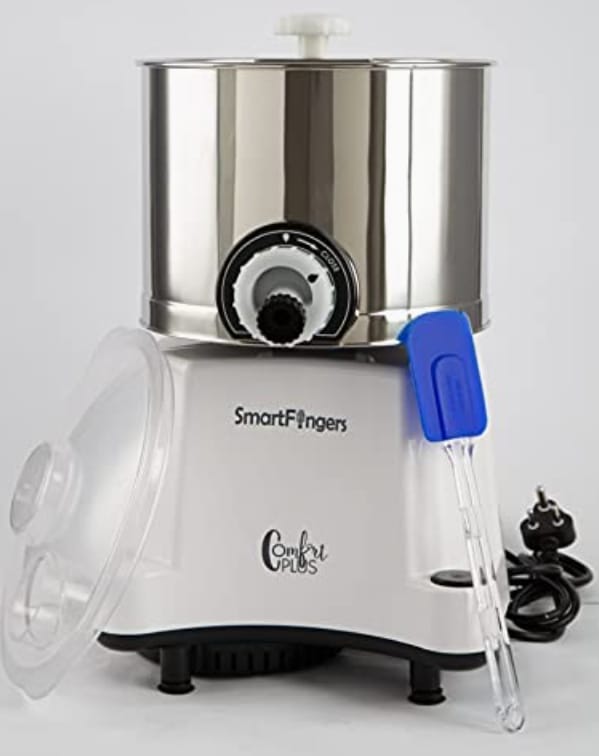
Price 9500.0 INR / Piece
Minimum Order Quantity : 1 Piece
Automatic : Yes
Product Type : SMARTFINGER WET GRINDER
Material : Stainless Steel
Feeding System : MANUAL

 Send Inquiry

 Send Inquiry