


Talk to us
08071791510
Talk to us
08071791510
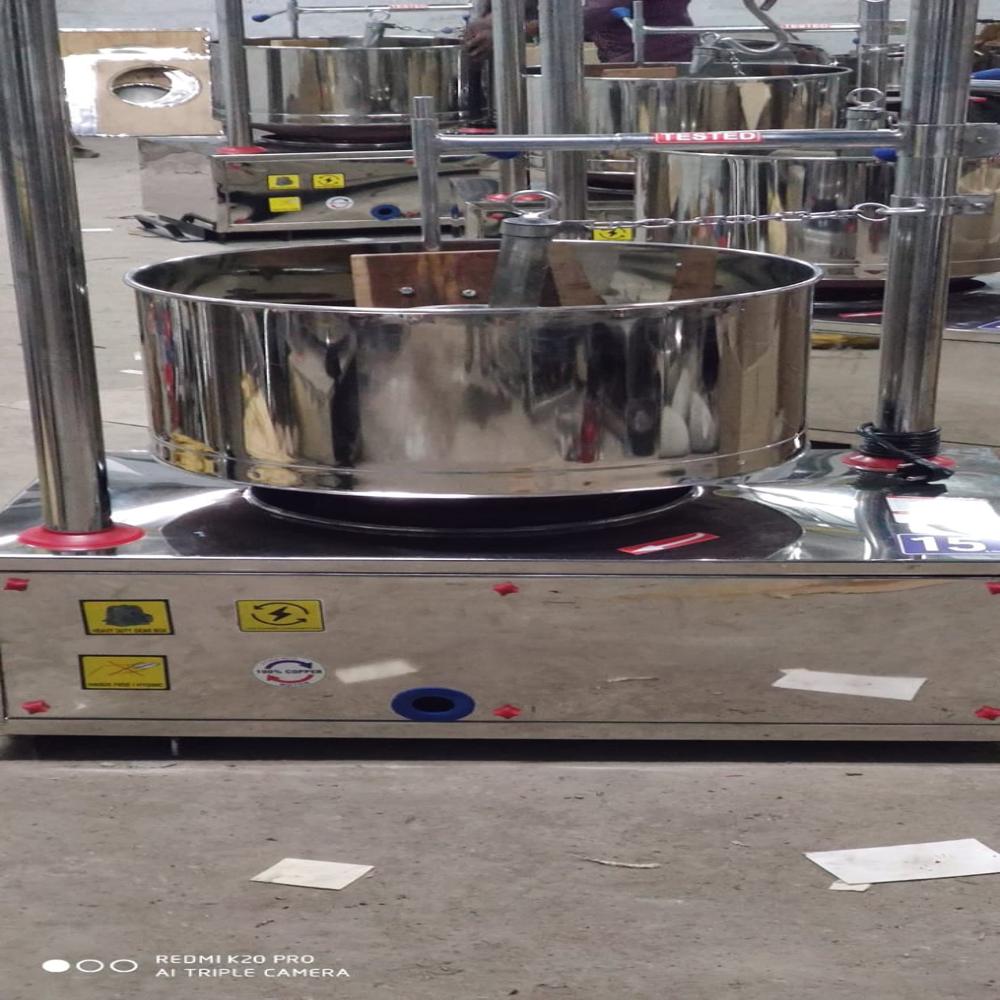
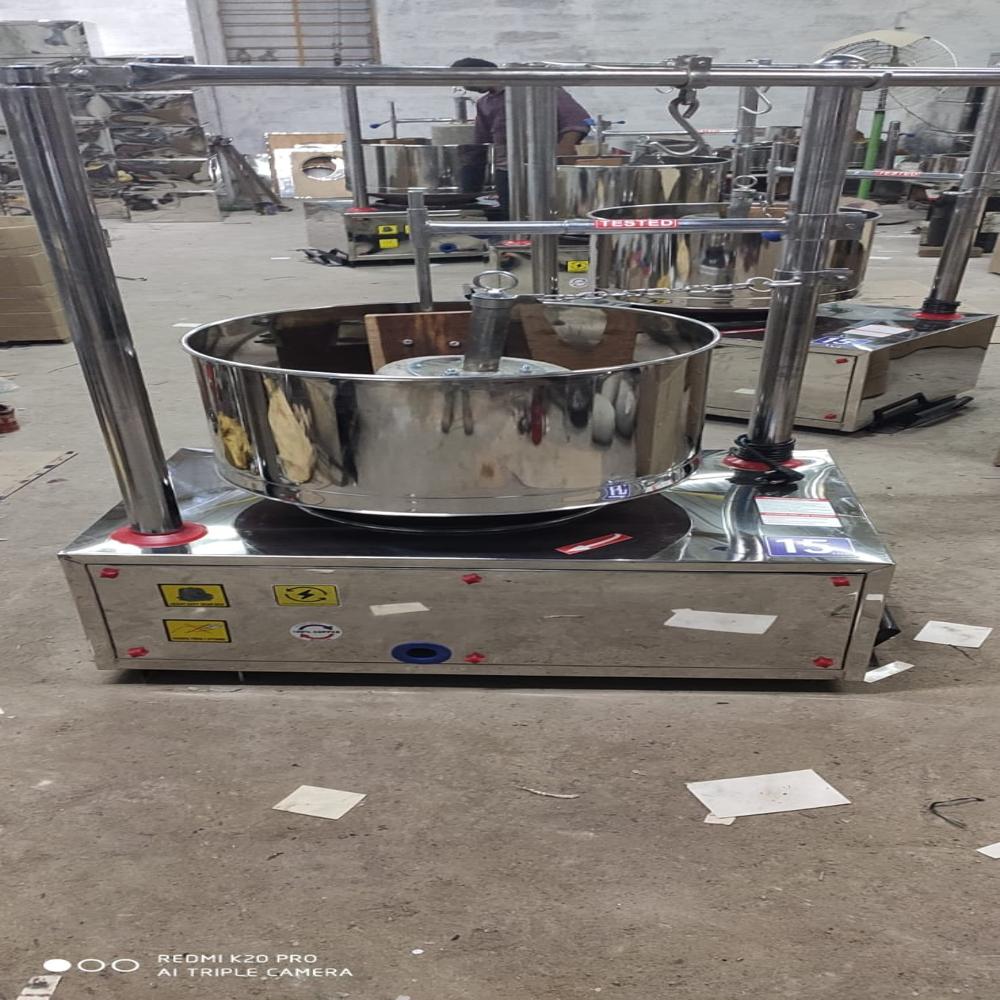
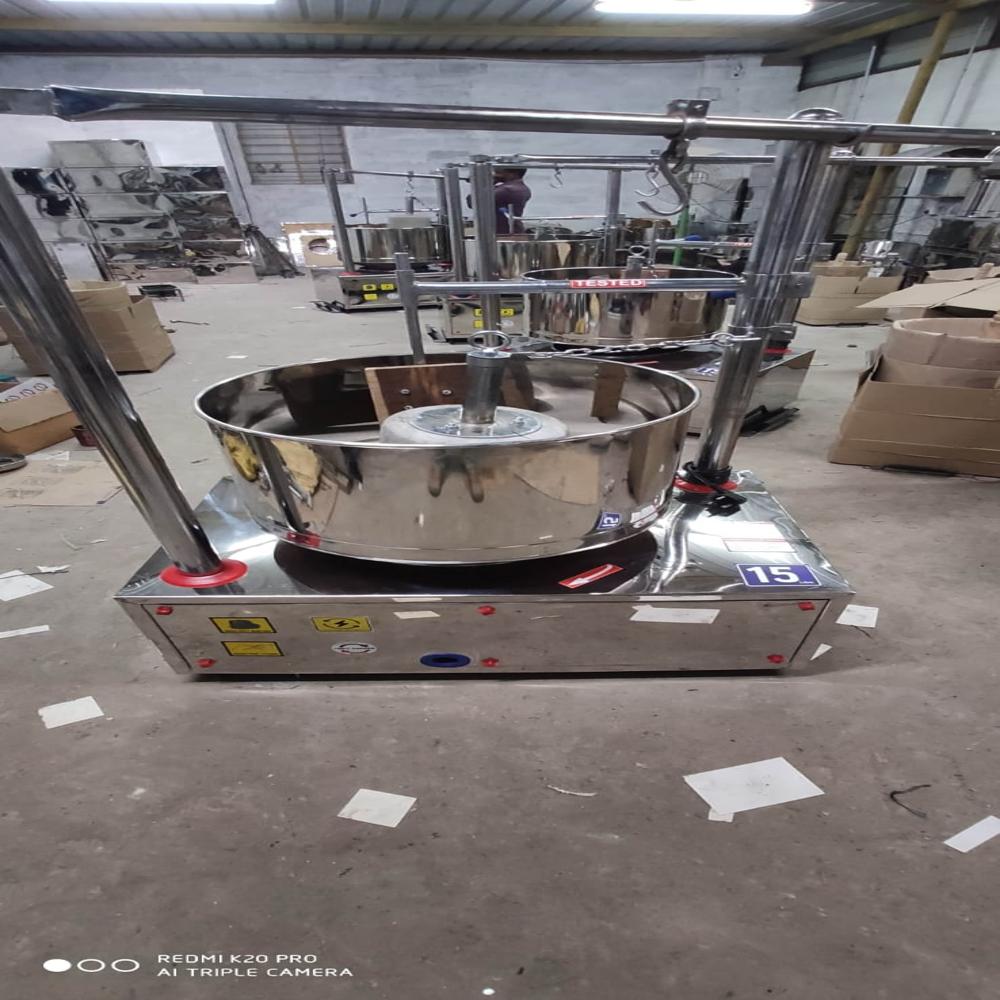
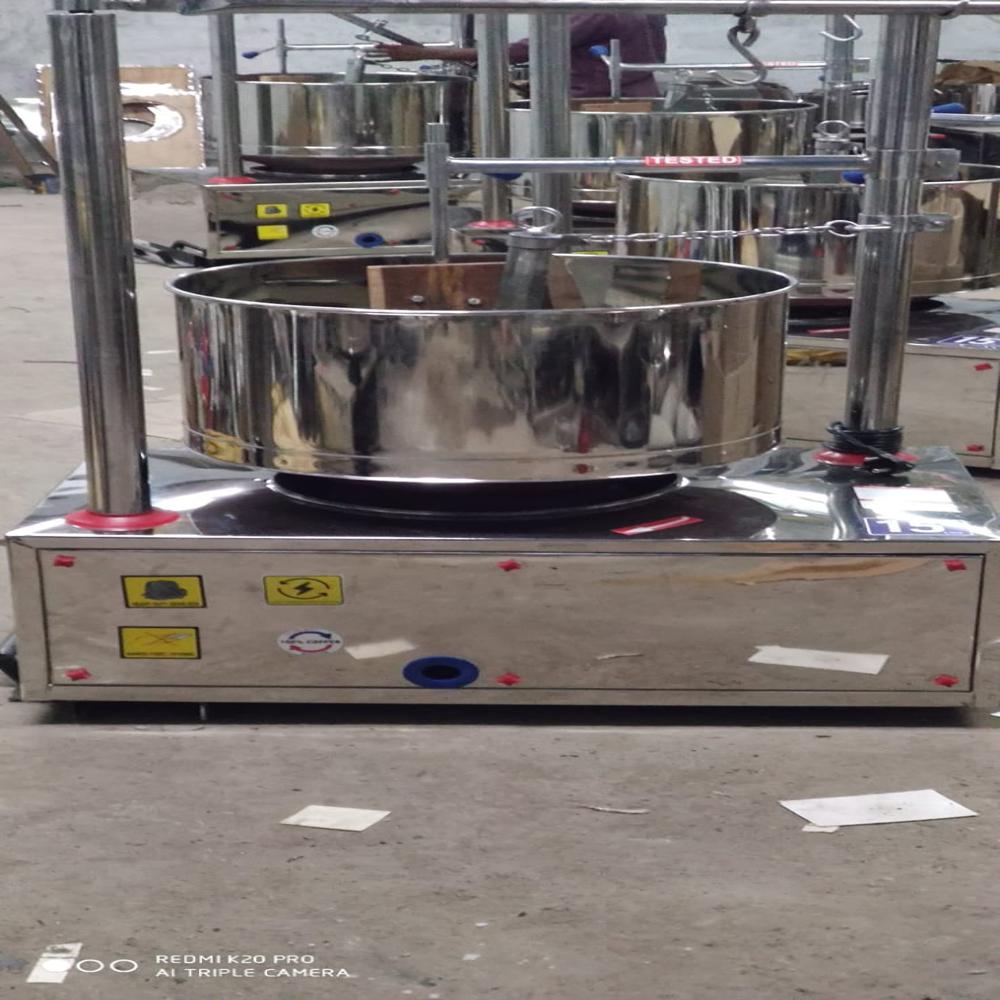
The 20-Litre Conventional Lifting-Type Wet Grinder represents a pinnacle of heavy-duty food processing machinery, engineered specifically to bridge the gap between commercial efficiency and traditional grinding textures. Designed for high-volume commercial kitchens, catering units, restaurants, and industrial food production facilities, this machine is the ultimate workhorse for processing large batches of rice batter, urad dal batter, masalas, ginger-garlic paste, and cocoa beans.
At its core, the machine utilizes a conventional vertical grinding layout paired with a specialized mechanical lifting mechanism. This engineering approach eliminates the manual strain typically associated with handling heavy granite stones and tilting massive stainless steel drums. With a 20-litre operating capacity, it provides an optimal yield per batch, ensuring uniform texture, minimal heat build-up, and superior aerationcritical factors for the perfect fermentation of batter.
Optimal Batch Capacity: 20 Litres (Volumetric wet mass)
Grinding Mechanism: Dual high-density cylindrical granite rollers
Material of Construction: Food-grade AISI 304 Stainless Steel for contact parts; Stainless Steel for the structural frame
Target Applications: Idli/Dosa batter production, large-scale catering, ready-to-eat food manufacturing, and industrial spice grinding
The structural integrity of a 20-litre wet grinder determines its longevity, operational vibration levels, and safety under continuous load conditions. The architectural design of this machine is divided into three distinct zones: the foundation frame, the grinding vessel, and the overhead lifting superstructure.
The entire unit is erected on a robust, rigid chassis fabricated from high-grade AISI 304 Stainless Steel square tubes, depending on sanitary requirements.
Vibration Dampening: The base is outfitted with heavy-duty anti-vibration rubber mounts that absorb structural harmonics generated by the high-torque motor and shifting stone mass.
Enclosure: The motor and drive assembly are completely enclosed within a ventilated sheet metal shroud (1.2 mm thickness) to protect internal electricals from water splashes and batter overflow.
The drum is the primary containment vessel for the ingredients and must withstand intense centrifugal forces and abrasive friction.
Material: Fabricated from AISI 304 food-grade stainless steel, ensuring complete resistance to corrosion, organic acids, and moisture. The bottom of the drum features a seamlessly bonded, ultra-hard granite baseplate perfectly leveled to match the profile of the roller stones.
Dimensions: Engineered with a diameter-to-depth ratio optimized to prevent batter from climbing the walls or spilling during high-speed rotation.
Wall Thickness: The drum wall features a minimum thickness of 1.6 mm to 2.0 mm to prevent structural warping over years of continuous mechanical stress.
The grinding action relies on two high-density, naturally seasoned black granite roller stones.
Stone Geometry: Circular cylindrical stones with precision-bored center axes for the insertion of food-grade gunmetal or bronze bushings.
Surface Texture: The grinding surfaces are systematically grooved (dressed) to facilitate the cutting and shearing of grain particles against the granite baseplate.
The defining feature of this conventional wet grinder is its overhead lifting system. In standard non-tilting grinders, removing the heavy roller stones (weighing upwards of 2540 kg combined) for cleaning and batter extraction is an ergonomic nightmare and a major workplace safety hazard.
The lifting apparatus consists of a vertical gantry frame mounted directly to the rear of the machine chassis. It employs either a manual counter-balanced lever system, a hand-cranked worm gear mechanism, or a pneumatic/hydraulic assist cylinder.
Locking Arm: During operation, a heavy-duty bridge arm locks securely over the central shaft of the roller stones, applying the necessary downward force required for crushing.
Disengagement: Once the grinding cycle is complete, the operator unlocks the primary bridge clamps.
Vertical Ascent: By engaging the hand crank or lifting lever, the entire roller stone assembly is raised vertically out of the drum along machined guide tracks.
Suspension and Clearance: The stones are held suspended at a designated height above the drum rim. This provides a full clear access space to the drum, allowing the operator to scoop out the finished batter or wash the vessel without removing the stones from the machine frame.
The lifting mechanism is geared at a ratio that reduces human effort by over 75%. If the stone assembly weighs 35 kg, the mechanical advantage provided by the worm gear or lever system ensures the operator feels an effective lifting weight of less than 8 kg. This drastically minimizes operator fatigue and eliminates the risk of dropped stones, which can shatter the granite base or injure hands.
To spin a heavy granite base loaded with 20 litres of dense, viscous rice batter from a dead stop requires exceptional torque management and electrical resilience.
The machine is powered by a high-torque, continuous-duty commercial motor.
Power Rating: Typically 1.5 HP to 2.0 HP (Horsepower), depending on the specific density of the target material.
Phase Configuration: Available in Single-Phase for commercial establishments without industrial power lines, or Three-Phase for heavy industrial factories requiring maximum energy efficiency and motor balance.
Insulation Class: Class F or Class H insulation, rated to withstand internal temperatures , preventing motor burnout during 24/7 peak-season operations.
Ingress Protection: IP55 rated enclosure, ensuring the motor is completely protected against dust and low-pressure water jets from any direction during kitchen washdowns.
The drive layout utilizes a dual-reduction system to convert high-speed motor rotation into high-torque, low-RPM drum rotation.
The use of V-belts (typically A or B section belts) provides a critical safety buffer: if an indestructible foreign object (like a steel bolt) accidentally falls into the drum, the belts will slip, preventing the motor shaft from snapping or stripping the gearbox teeth.
The electrical interface is safely housed in a waterproof digital or analog control box:
DOL Starter / VFD: Equipped with a Direct-On-Line (DOL) starter featuring thermal overload protection (OLR) to cut power instantly if the current spikes. Premium models include a Variable Frequency Drive (VFD) for soft-starting the heavy drum, eliminating harsh mechanical jerks.
Emergency Stop: A prominent, red mushroom-head emergency stop switch is positioned within arm's reach of the operator.
Grinding batter for traditional South Indian cuisine or international confectionery is not merely a physical reduction of particle size; it is a delicate balancing act of thermodynamics and fluid mechanics.
Unlike high-speed impact blades found in industrial pulverizers or blenders that chop and shear food through brute velocity, the conventional wet grinder relies on crushing, mashing, and friction.
Shear Force: As the stainless steel drum rotates at 130 RPM, it forces the ingredients underneath the heavy, free-spinning granite rollers. The weight of the stone exerts massive compressive stress, while the relative differential speed between the rotating drum floor and the stone edge creates intense shearing forces.
Starch Splitting: This combined action splits starch molecules without damaging their cellular structural walls entirely. For idli and dosa batter, this precise mechanical action releases the optimal amount of natural starches required to feed wild yeast and lactobacilli during fermentation.
High heat is the ultimate enemy of batter quality. If batter temperature exceeds 38C during the grinding process, the natural yeasts are killed, starch gelatinization begins prematurely, and the batter turns sour, resulting in flat, dense, and unpalatable idlis.
Natural Heat Sinks: Granite possesses an exceptionally high specific heat capacity. It absorbs the thermal energy generated by friction and dissipates it slowly.
Ventilation Clearance: The open-drum design of the conventional lifting grinder allows constant air exposure, promoting evaporative cooling of the batter as it circulates. This keeps the batch temperature safely between 28C and 32C throughout a full 45-minute cycle.
As the cylindrical stones roll through the viscous liquid mix, they act as mechanical air-injectors. The continuous folding action traps microscopic air bubbles inside the protein-starch matrix of the urad dal paste. This results in a volume expansion of up to 2.5 to 3 times the initial dry ingredient volume, producing an incredibly light, fluffy texture that cannot be replicated by any blade-based mixer.
To ensure consistent output and extend the operating lifespan of the machine to its engineered limit (often exceeding 1520 years), strict operational and preventative maintenance schedules must be enforced.
Pre-Operational Inspection: Verify that the drum is empty, completely clean, and free of dry crust. Ensure the anti-vibration feet are firmly grounded.
Lowering and Locking: Lower the roller stone assembly using the lifting arm until the stones sit flush on the granite base plate. Securely engage the overhead bridge lock bolts.
Initial Water Charge: Always add a small volume of water (approx. 500 ml) to the drum before switching on the motor. Running granite stones completely dry will cause immediate frictional scoring and damage the dressed surfaces.
Power On and Loading: Start the machine. Gradually introduce the soaked ingredients (rice or lentils) uniformly around the rotating drum along with regulated increments of water. Loading the entire 20 litres of dry grain all at once will jam the rollers and trip the motor overload switch.
Monitoring Cycle: Allow the machine to run for 30 to 45 minutes depending on the desired particle micron size. Periodically check water levels to maintain correct batter viscosity.
Extraction: Once processing is complete, turn off the machine, disengage the overhead bridge lock, and use the mechanical lifting system to hoist the stones out of the drum. Cleanly scoop out the aerated batter.
Due to the perishable nature of food batters, strict hygiene management is mandatory to prevent bacterial outbreaks like Salmonella or E. coli.
Post-Batch Washdown: Immediately after batter extraction, swing the lifted stones slightly or wash them in their raised position using a low-pressure water hose and a stiff nylon brush.
Drainage: The clean water collects in the bottom of the drum. In conventional models, this can be evacuated via a dedicated heavy-duty stainless steel drain valve or scooped out seamlessly since the center of the drum is entirely clear of stone obstructions.
Stone Dressing (Periodic Maintenance): Over months of grinding hard rice grains, the granite surfaces will smooth out, reducing grinding efficiency. Every 3 to 6 months, an experienced technician must "dress" the stones by manually chipping small grooves back onto the stone face using a pointed cold chisel.
Gearbox: Check the oil level in the reduction gearbox every month. Completely replace the gear oil (typically SAE 90 or EP 140 industrial grade) after every 1,000 operating hours.
Main Shaft Bearings: Lubricate the primary drive shaft bearings and the lifting mechanism screw jacks every week using food-grade grease to protect against moisture contamination.
Belt Tension: Inspect V-belt tension quarterly. Deflection should not exceed 1012 mm under thumb pressure. Loose belts cause slippage and power loss, while overtightened belts will destroy motor bearings.
Operating heavy rotating machinery in wet, high-traffic commercial kitchen environments presents significant inherent risks. The 20-Litre Conventional Lifting Wet Grinder integrates several active and passive safety features to safeguard operators.
Dual Insulation & Grounding: The machine features a comprehensive double-earthing system. A dedicated copper grounding lug is welded directly to the main chassis to safely dissipate any stray electrical leakage instantly, preventing operator shocks in wet environments.
Moisture Isolation: All wiring runs through heavy-wall flexible PVC conduits or liquid-tight armored cables. The control switches are protected by transparent silicone waterproof caps.
Fail-Safe Lifting Lock: The vertical lifting mechanism includes an automatic mechanical safety pin or counter-locking pawl. When the heavy stones are lifted to their maximum height, this mechanical lock clicks into place. Even if a hydraulic cylinder leaks or a cable snaps, the stones cannot drop down accidentally onto an operators hands.
Limit Switches: Advanced models are integrated with an interlocking safety limit switch on the overhead bridge arm. If an operator attempts to loosen the locking bridge while the motor is running, the electrical circuit breaks instantly, bringing the spinning drum to a dead stop within seconds.
By utilizing a conventional lifting mechanism rather than a tilting mechanism or requiring manual stone removal, this machine mitigates long-term workplace injuries.
Spine Protection: Operators are completely spared from lifting heavy stones at awkward angles, virtually eliminating lumbar spinal strains and workplace insurance liabilities.
Noise Mitigation: Precision-machined gears running in an oil bath combined with balanced granite rotation keep operating noise levels below 70 dB at a one-meter distance, ensuring compliance with standard industrial noise regulation limits.
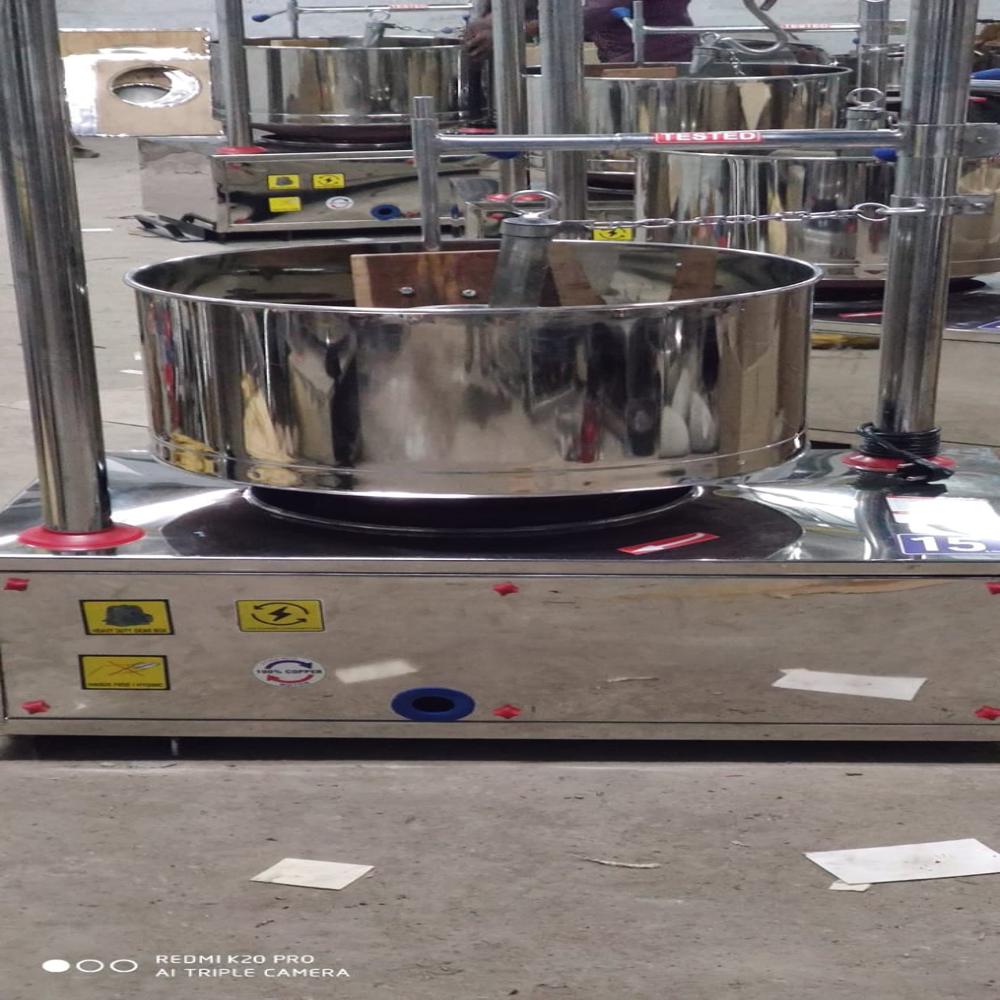
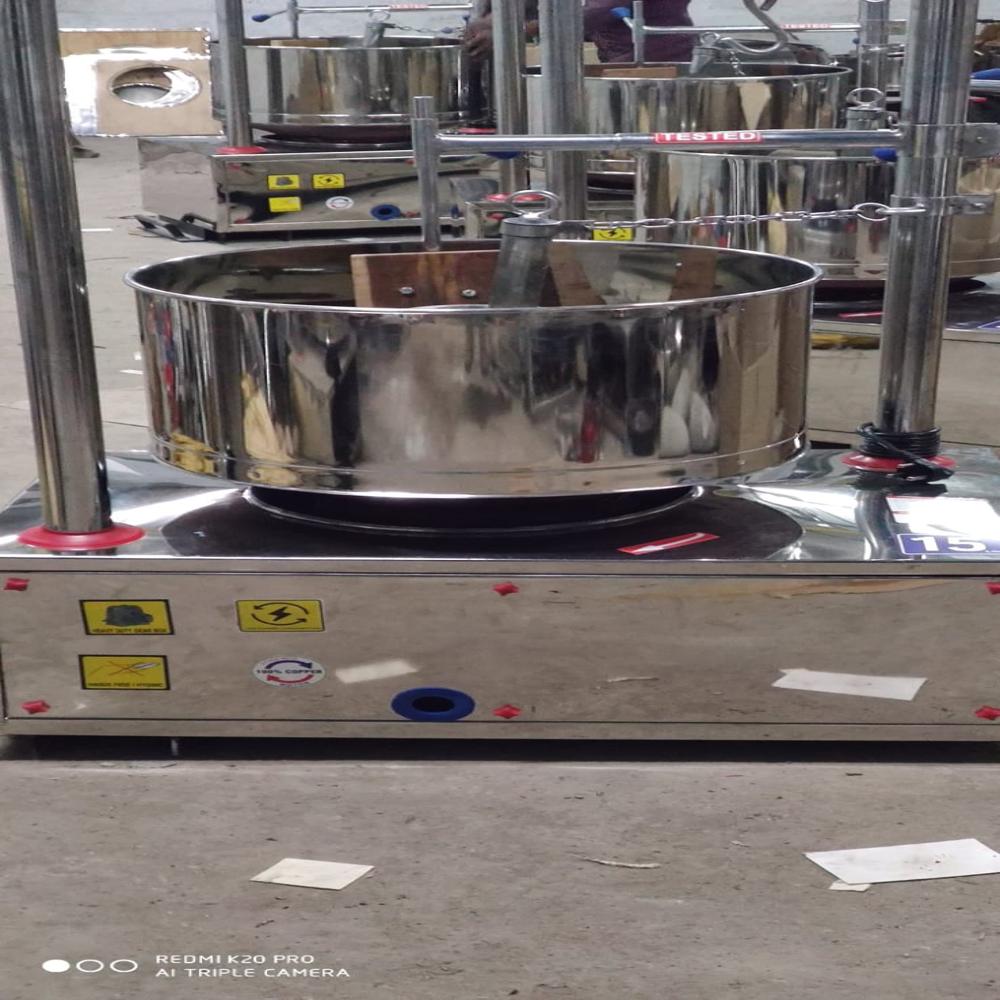

Price:
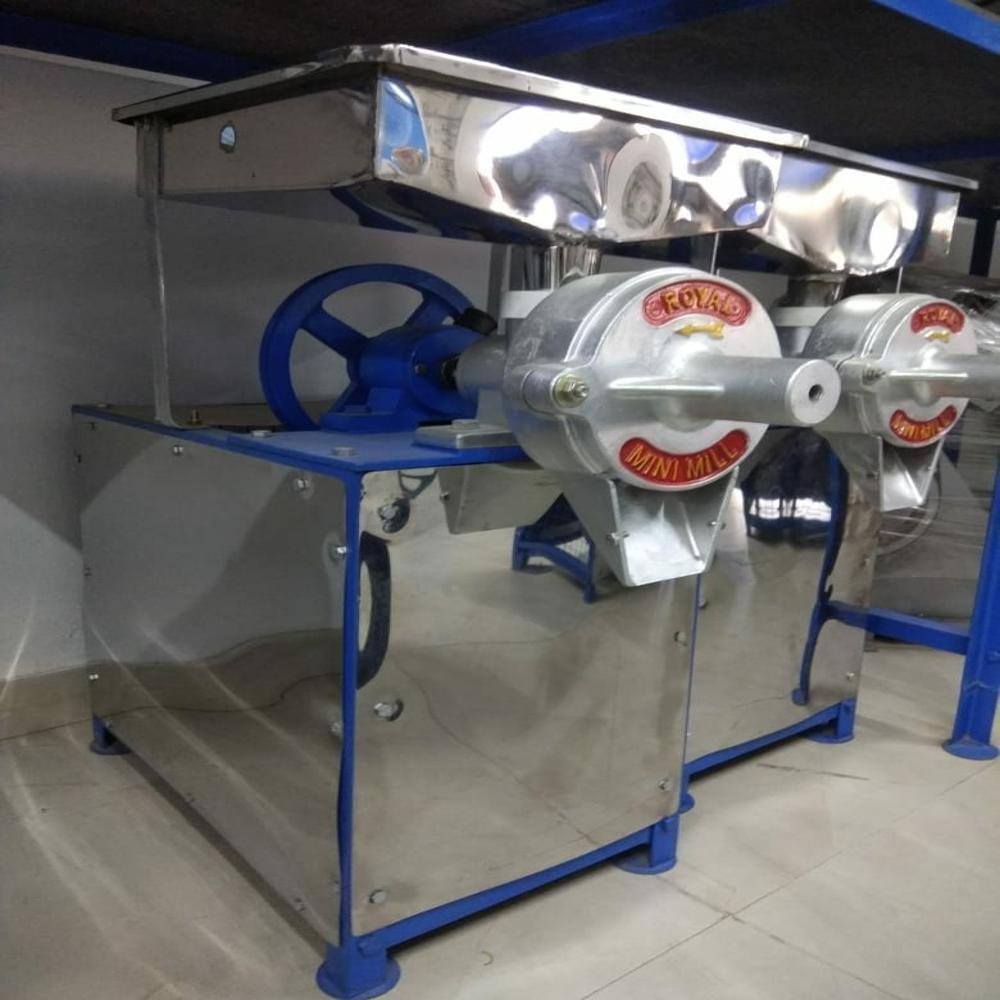
Price 31000.0 INR / Number
Minimum Order Quantity : 1 Number
Material : Stainless Steel
Phase : SINGLE
Control System : Manual
Operating Temperature : 60 (approx) Celsius (oC)
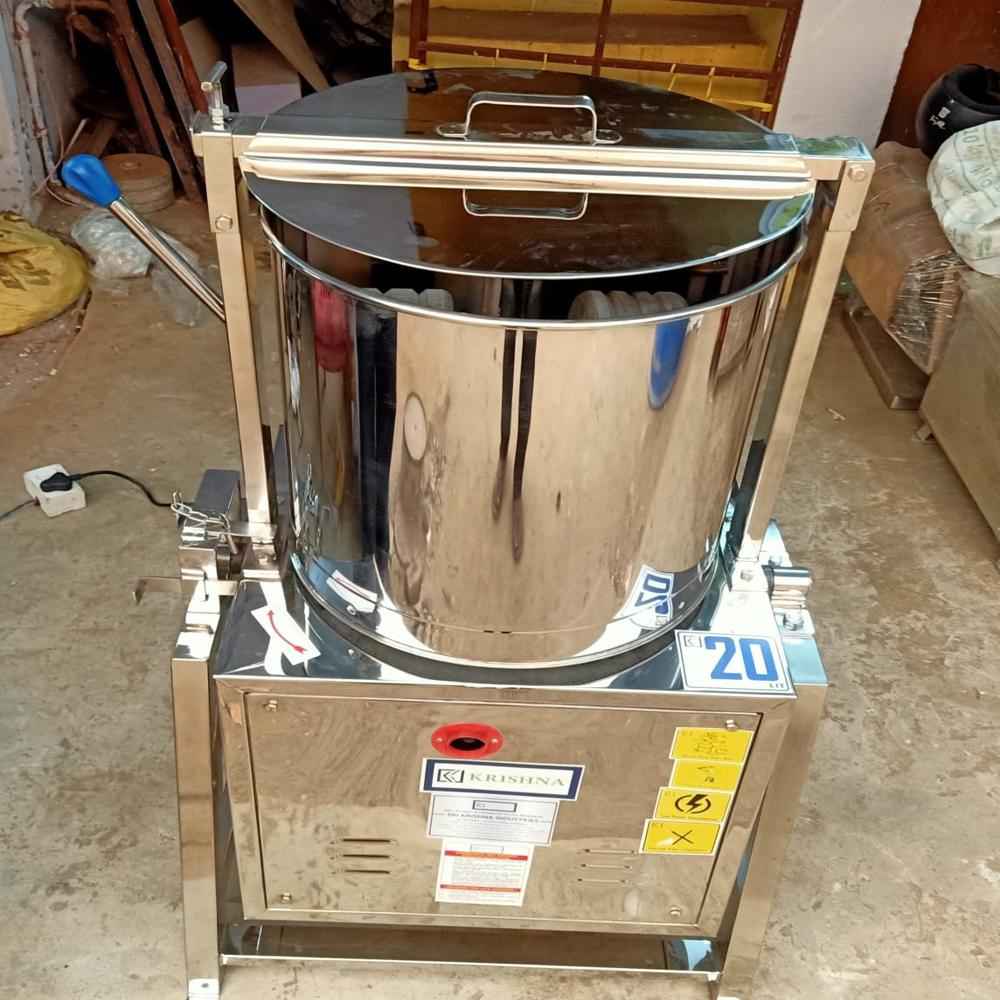
Price 40000.0 INR / Number
Minimum Order Quantity : 1 Number
Material : Stainless Steel
Phase : SINGLE
Control System : Manual
Operating Temperature : 40 (approx) Celsius (oC)
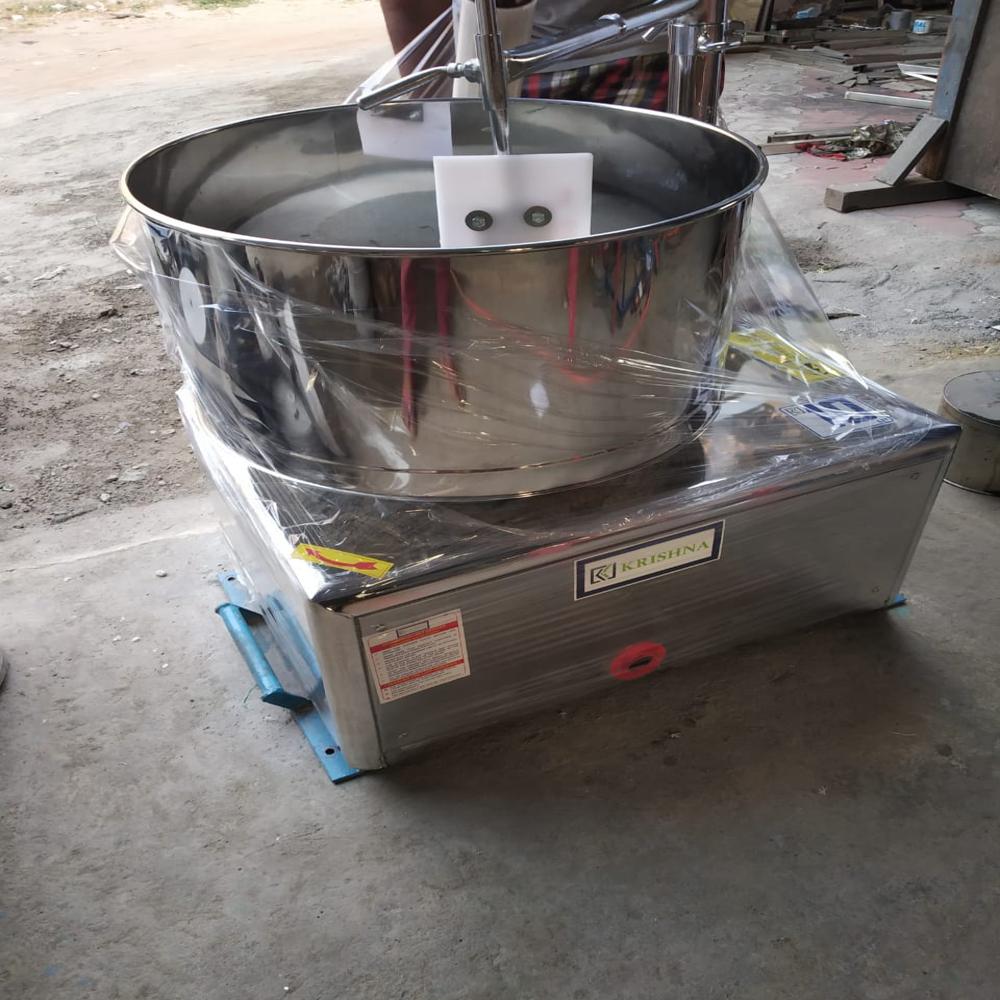
Price 26000.0 INR / Piece
Minimum Order Quantity : 1 Piece
Material : Stainless Steel
Phase : SINGLE
Control System : Manual
Operating Temperature : 30 (approx) Celsius (oC)
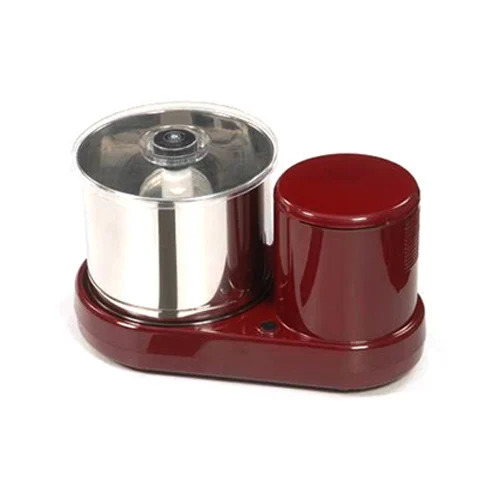
Price 2500.0 INR / Number
Minimum Order Quantity : 1 Number
Material : Stainless Steel
Phase : SINGLE
Control System : Manual
Operating Temperature : 40 (approx) Celsius (oC)

 Send Inquiry

 Send Inquiry