


Talk to us
08071791510
Talk to us
08071791510
Industrial onion peeling is one of the most demanding automation challenges in the commercial food processing sector. Unlike potatoes, which are uniform root vegetables peeled through raw surface abrasion, onions possess a complex, delicate anatomy consisting of concentric, high-friction layers wrapped in a paper-dry outer skin (tunic).
Furthermore, onions exude highly volatile, sulfur-based organic compounds when ruptured. These compounds form lacrimatory agents (tear-inducing chemicals) that make manual peeling at scale a significant occupational hazard.
Automated onion peeling machinery replaces manual labor with advanced fluid dynamics, compressed air mechanics, precise micro-blade positioning, and high-throughput mechanical handling. This technical guide breaks down the engineering, operational science, and design architecture of commercial onion peeling systems into seven core pillars.
Industrial onion processing requires an entirely different structural approach than standard root vegetable peeling. Onions cannot withstand the chaotic, high-impact environment of a tumbling abrasive drum without suffering catastrophic bruising, flesh loss, and structural crushing. Therefore, automated onion peelers are built as continuous, linear processing tracks or precise indexing rotaries.
Because onions contain high concentrations of amino acid sulfoxides, their juices convert into mild sulfuric acids when exposed to moisture and air. This environment rapidly corrodes low-grade metals. Consequently, industrial onion peeling machinery must be fabricated using premium SUS304 or SUS316 food-grade stainless steel.
All frame components are constructed using heavy-wall hollow sections with a minimal surface area design. To prevent liquid accumulation and bacterial growth, structural planes are tilted, ensuring self-draining performance during operation and washdown cycles.
The process begins with an intake hopper equipped with a flighted elevator belt that delivers a bulk stream of onions onto a singulation bed. The bed uses parallel, counter-rotating V-shaped rollers or alignment belts.
This layout forces randomly oriented onions into a single-file line. As they move forward, the onions are picked up by specialized mechanical grippersoften made of food-safe, high-grip polyurethane elastomerswhich secure them along their horizontal axis (root-to-top orientation).
All sheet metal plates within the processing zone undergo specialized surface treatments, such as bead-blasting or pickling and passivation. This treatment creates a fine satin or matte finish, reducing the surface friction coefficient.
A lower friction coefficient prevents the sticky, sugary juices of topped onions from adhering to the machine walls, ensuring a continuous product flow and preventing structural jams.
Industrial onion peeling machines use mechanical, pneumatic, and chemical techniques to loosen and remove skins without damaging the underlying flesh. The choice of technology depends on the target capacity, onion variety, and end-product specifications (e.g., dicing, slicing, or whole preservation).
This is the gold standard for fresh-market processing. The onion is firmly gripped, its ends are cleanly sliced off, and a micro-blade lightly scores the outer skin layer from top to bottom. The onion then enters an enclosed peeling cell where an array of high-velocity, directional air nozzles sweep compressed air across the scored surface.
The air penetrates beneath the dry skin layer, ballooning it outward until it shears off instantly at the root and top cuts. Because no mechanical scraping occurs, the outer flesh layer remains smooth, undamaged, and free of flat spots.
Mechanical peelers are used in environments where access to high-volume compressed air is restricted or when processing unevenly shaped varieties. The onion rotates on a dynamic spindle while flexible, spring-loaded armatures equipped with micro-knives trace its outer contour.
These knives shave off the skin in spiral ribbons. While highly effective, mechanical blade peeling results in slightly higher flesh loss compared to pneumatic systems, particularly if the onions deviate from a true spherical shape.
In massive industrial dehydration lines processing several tons per hour, flame peeling is highly efficient. The onions pass through a high-temperature rotary kiln exposed to direct gas flames .
The intense heat chars the paper-dry tunic skin instantly without raising the internal core temperature of the bulb. The charred onions exit into a high-pressure water-wash drum where rotating rubber brushes strip away the carbonized skins, leaving a perfectly clean bulb ready for processing.
The critical stage of automated onion peeling is topping and tailing: removing the root cluster and the top green stem neck. If a machine cuts too deep, it wastes valuable product; if it cuts too shallow, the skin cannot detach during the subsequent peeling stage.
As onions advance on the conveyor, they must be aligned so their root-to-top axis is perpendicular to the cutting blades. Modern, high-capacity machines achieve this using integrated computer vision systems.
High-speed cameras capture multi-angle images of each onion. Image processing algorithms analyze the geometric profiles to identify the fibrous root structure and the tapered top neck. The system then triggers mechanical alignment fingers to rotate the onion into the correct orientation before it reaches the cutting station.
Once oriented, the onion passes through a dual-blade cutting station. This station features two parallel circular knives. To maximize yield, the distance between these blades must adjust in real time based on the size of each onion.
This real-time adjustment is managed by a mechanical tracking arm or a servo-driven positioning system. As the onion enters the cutting zone, floating touch-rollers gauge its diameter.
If a large onion is detected, the knives expand outward; for a small onion , they contract inward. This ensures the cut depth is consistently proportional to onion size, keeping total crop waste below 8%.
Immediately following the root and top cuts, the onion passes beneath a floating, gravity-weighted or spring-loaded scoring blade. This blade must perform a delicate mechanical action: slice through the dry outer paper skin and the first underlying leather layer without piercing the juicy, usable second scale.
The blade features an adjustable depth-stop collar that limits maximum penetration, depending on the batch settings. This score line creates an edge for the compressed air to catch and lift during the peeling stage.
Pneumatic peeling machines rely on high-pressure air containment and precise fluid dynamics. The air system must deliver focused, high-impact force exactly where needed while conserving energy.
To peel onions effectively using air jets, the system requires a stable, high-volume compressed air supply. A dedicated industrial screw compressor is typically paired with an air receiver tank to smooth out pressure drops during nozzle cycling.
The compressed air must be completely free of moisture and oil contaminants to prevent oil vapors from contacting food surfaces. The air delivery system requires an integrated refrigerant air dryer and a multi-stage coalescing filtration array to meet international food safety standards.
The design of the air nozzles directly impacts the peeling efficiency. Standard open pipe tips create chaotic, turbulent air patterns that waste energy and generate excessive noise. Professional onion peelers utilize specialized Venturi or supersonic air-knife nozzles.
These nozzles use a converging-diverging internal profile to accelerate the air stream to supersonic velocities at the exit point. This design produces a focused, laminar blade of air that shears the onion skin away efficiently with minimal air consumption.
Once the air jet detaches the skin, the loose, papery waste must be cleared from the peeling chamber instantly. If left inside, the skins will block the optical sensors and wrap around moving shafts.
To manage this, the peeling chamber is connected to a heavy-duty cyclone extraction system operating under negative pressure. A high-volume exhaust fan draws air downward through the bottom of the chamber, pulling the light skins into a duct network.
The skins are conveyed pneumatically to a separation cyclone outside the production room, where they spin out into bulk waste containers for easy disposal.
Modern onion peeling machines operate at high cycles per minute, requiring fast sensor integration, rapid actuator responses, and an intelligent control architecture.
To process onions continuously at speeds of up to 60120 bulbs per minute on a single lane, the control system tracks each onion's precise position as it moves through the machine. This tracking is managed by an incremental shaft encoder mounted on the main conveyor drive motor, paired with high-speed photoelectric sensors at the intake.
When an onion passes the initial photoelectric sensor, the PLC registers its entry and counts encoder pulses to track its location down the line. This approach enables precise, millisecond-level coordination of the following actions:
Clamping jaw actuation.
Adjusting the positioning of the topping/tailing blades.
Firing the air-pulse peeling solenoids exactly as the onion enters the air-jet zone.
The air jets do not blow continuously; doing so would waste significant amounts of compressed air. Instead, they deliver high-frequency, targeted pulses. The air line is controlled by ultra-fast, direct-acting coaxial solenoid valves capable of opening and closing.
When the PLC determines that an onion is perfectly aligned with the nozzle array, it fires the solenoid for a brief duration . This pulse delivers a high-impact shockwave that strips the skin away instantly while minimizing air consumption.
Onion processing machinery introduces unique environmental challenges, particularly regarding the eyes and respiratory systems of operators, alongside standard mechanical hazards.
When an onion's cells are ruptured by cutting blades, an enzyme called alliinase reacts with amino acid sulfoxides to produce syn-propanethial-S-oxide. This volatile liquid evaporates quickly, irritating the eyes and respiratory tracts of nearby workers.
To maintain a safe workspace, industrial onion peelers feature fully sealed, plexiglass or stainless steel enclosure hoods. The air within these hoods is continuously drawn upward through a dedicated ventilation plenum connected to an emission scrubber.
Additionally, low-volume misting nozzles inside the machine spray a fine water aerosol. This mist knocks the airborne sulfur compounds out of suspension, washing them down into a drainage channel before they can escape into the factory room.
The cutting zone houses high-speed, sharp circular blades that pose severe safety risks if exposed. The machine's access panels are equipped with dual-channel safety magnetic switches linked to a safety relay circuit.
If an operator opens an inspection door while the machine is running:
Power to the main motor and blade spindles cuts out immediately.
An active electronic motor brake stops the high-inertia circular knives.
The pneumatic supply dumps its stored pressure through an automated safety dump valve, preventing accidental air blasts.
To ensure consistent operation, minimize product waste, and protect high-grade components from acidic onion juices, facilities must implement a strict maintenance and sanitation routine.
Onion juices leave behind sticky sugar residues and organic acids that can harbor bacteria if not cleaned daily. The machine requires a structured teardown and cleaning process:
Every Shift: Inspect and empty the pneumatic air filter bowls to prevent moisture from entering the fast-acting solenoid valves. Check the sharpness of the topping and tailing knives.
Weekly: Inspect the drive chain and polyurethane transport belts for proper tension. Lubricate all external pivot points using food-grade H1-certified grease.
Monthly: Verify the calibration of the photoelectric alignment sensors and encoder tracking module. Check the fast-acting pneumatic solenoid valves for signs of internal seal wear.
Quarterly: Replace the circular cutting blades and the longitudinal scoring knives. Dull blades cause tearing and bruising, which increases total product waste.
| Symptoms | Potential Causes | Corrective Maintenance Action |
| High percentage of unpeeled skins remaining on onions. | Air supply pressure has dropped below the minimum threshold ($6\text{ bar}$). | Check the main compressor line; ensure the air receiver tank is holding steady pressure. |
| The longitudinal scoring blade is too shallow or dull. | Sharpen or replace the scoring knife; adjust the depth collar for deeper skin penetration. | |
| Fast-acting solenoid valve timing is misaligned. | Clean or recalibrate the photoelectric tracking sensors; update encoder parameters via the HMI. | |
| Excessive flesh loss during topping and tailing. | Knives are not centering properly on the onion axis. | Check the intake singulation tracks; adjust the tension on the V-alignment rollers. |
| The automatic size-tracking system is jamming. | Clean and lubricate the mechanical guide rails of the floating knife arms; check for servo motor fault codes. | |
| Onions show signs of bruising or surface crushing. | Clamping jaw pressure is set too high for the onion variety. | Adjust the pneumatic regulator valve downward to reduce the holding force of the gripper arms. |
| Conveyor transport speed is misaligned with the cutting cycle. | Recalibrate the VFD speed profile via the master control panel. | |
| The machine stops unexpectedly with an E-stop error. | Safety door sensor is misaligned due to vibration. | Realign the magnetic proximity switches on the access hoods; tighten mounting hardware. |
| Main motor is drawing excessive current (overload trip). | Check for physical mechanical jams in the blade spindles or conveyor links. |
By pairing robust stainless steel construction with optical positioning automation, precise mechanical topping knives, and fast-acting pneumatic systems, modern onion peeling machines convert a challenging, eye-irritating manual job into an efficient, high-yield industrial process. Consistent preventive maintenance, proper sanitation, and correct recipe configurations ensure these systems deliver reliable performance and high product quality for years to come.
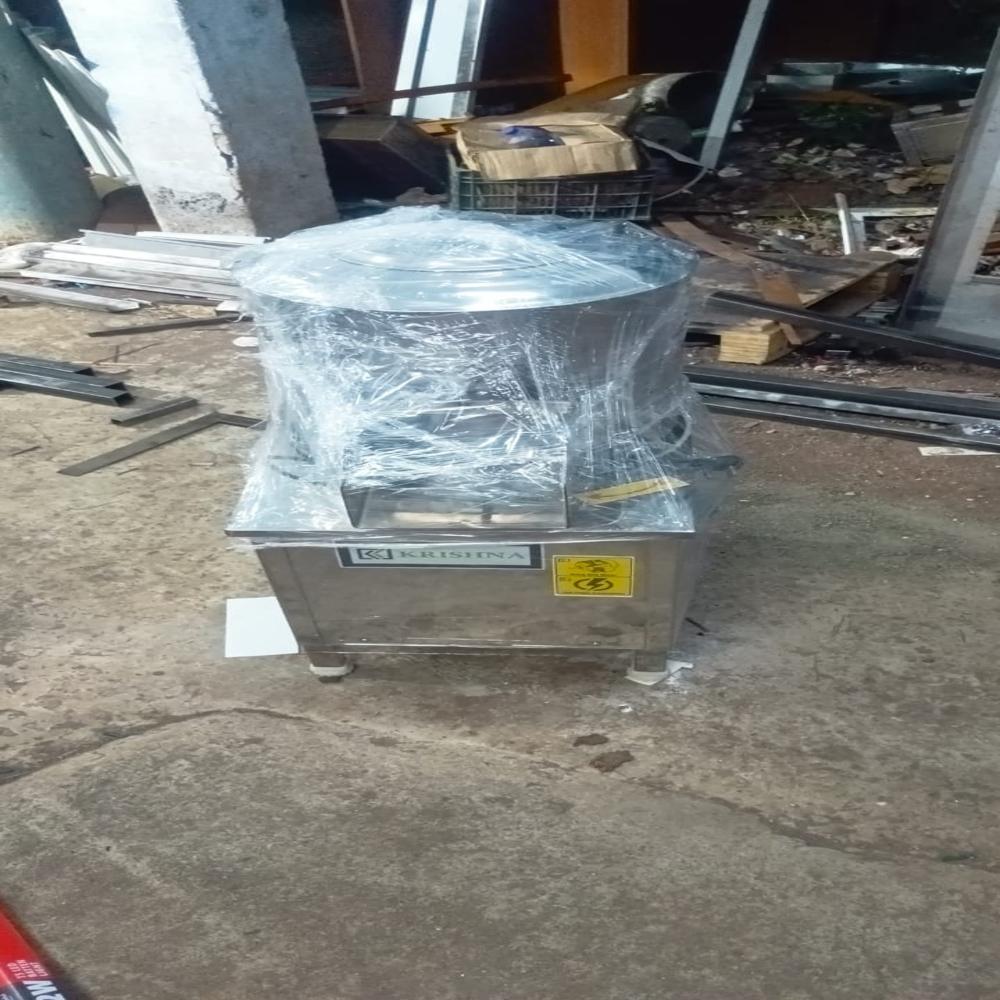
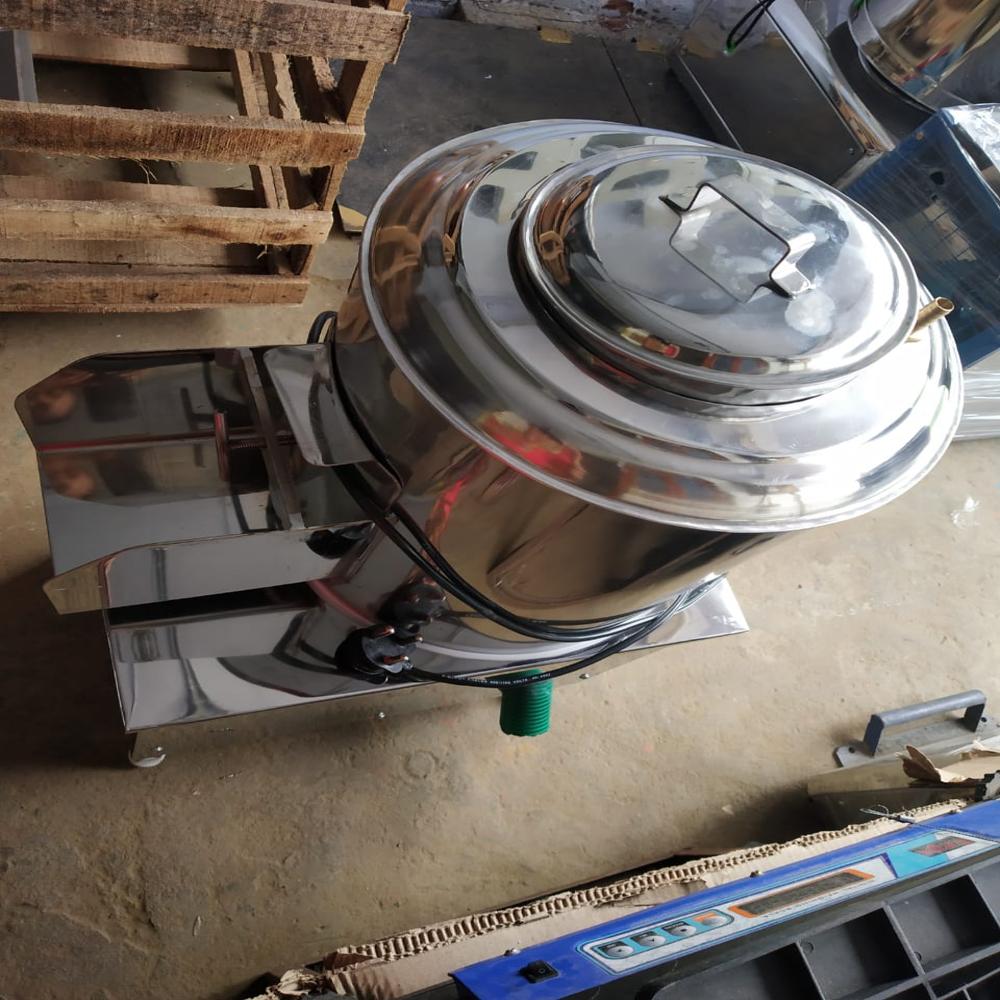

Price:
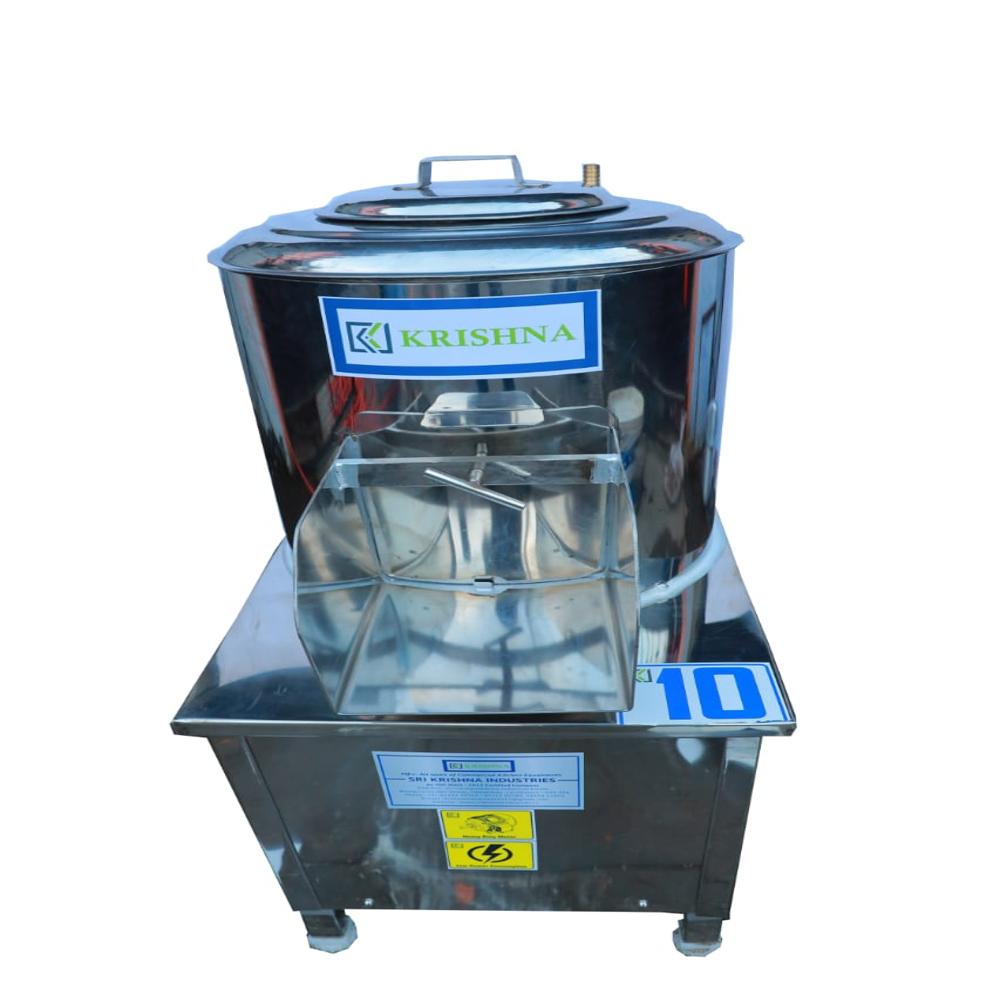
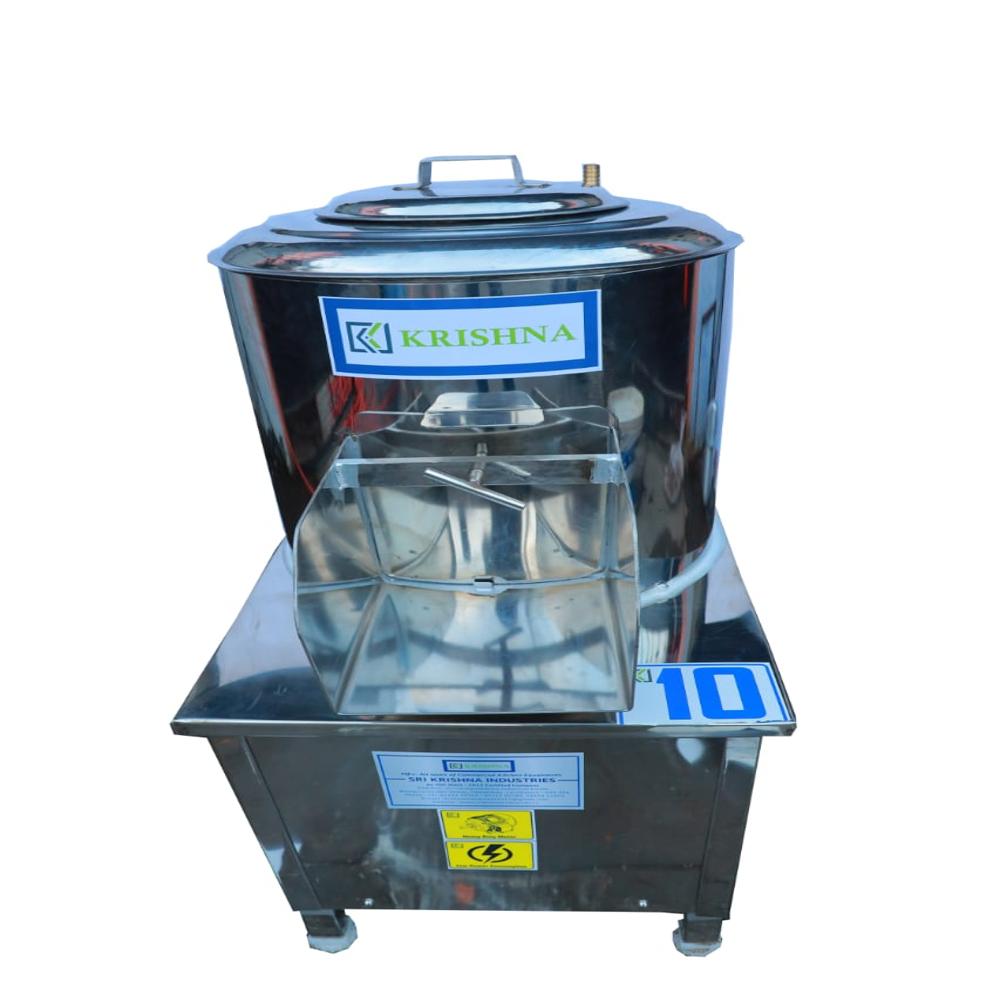
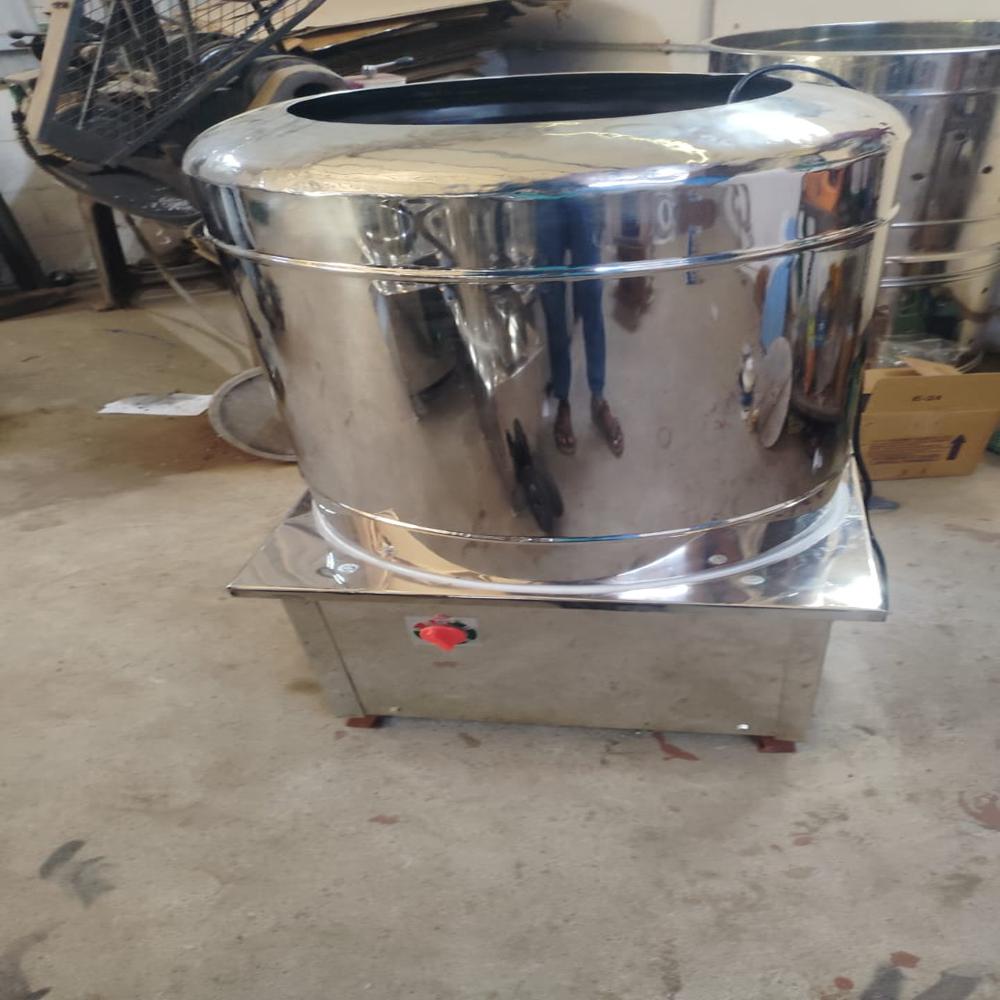
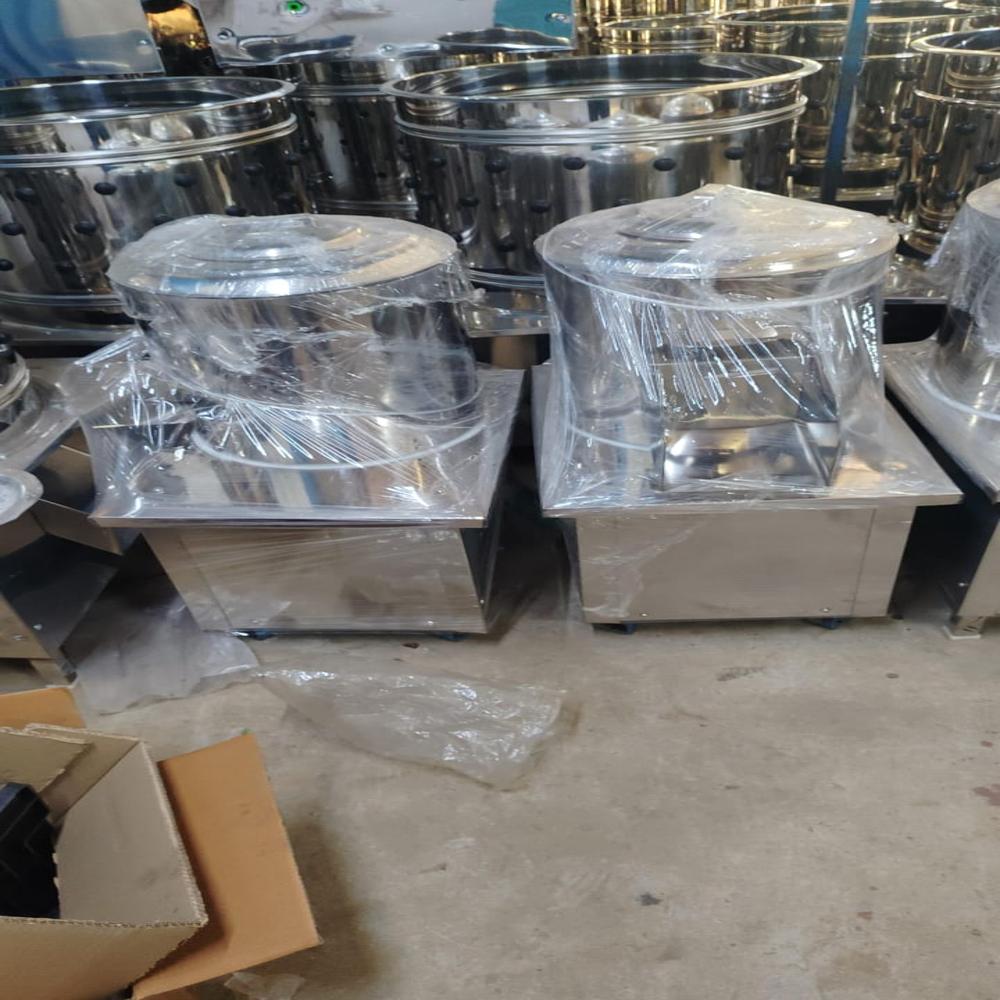
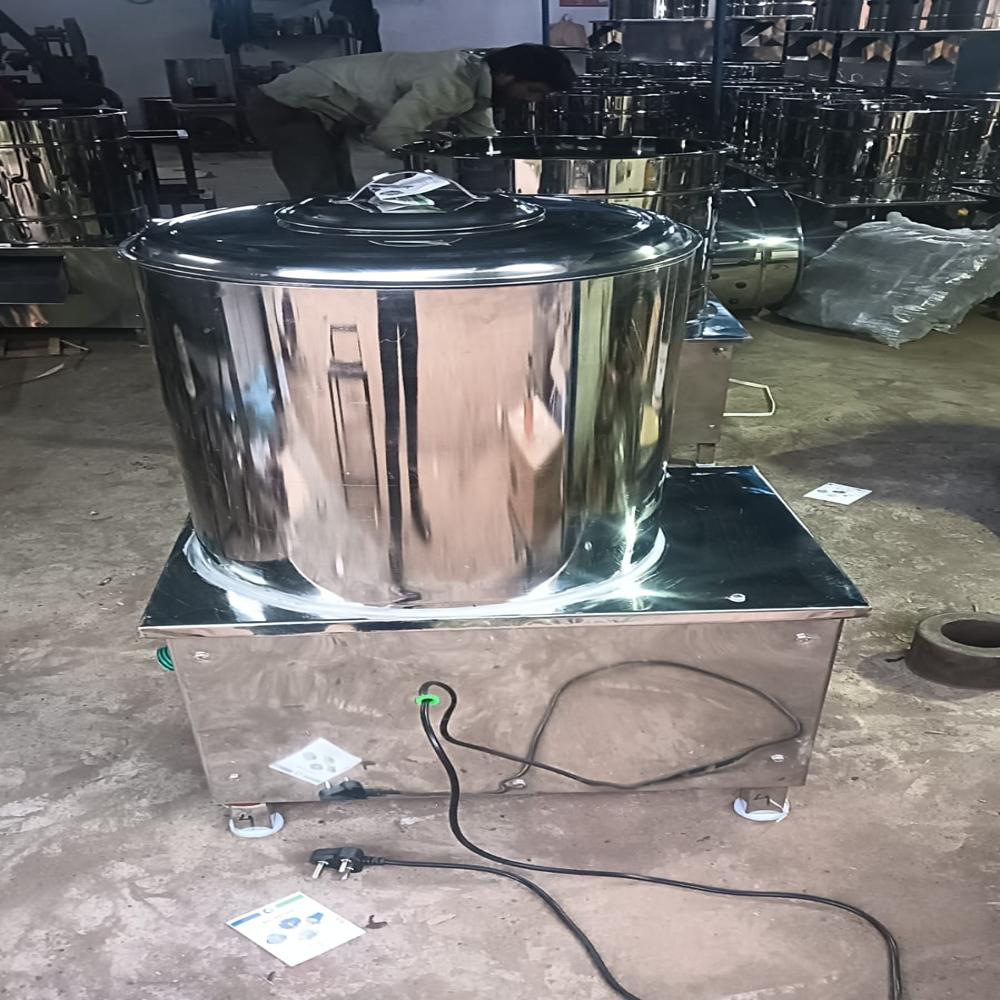
Price 25000.0 INR / Number
Minimum Order Quantity : 1 Number
Warranty : 1 YEAR FOR MOTOR
Power : 220 Volt (v)
Feature : Compact Structure, Lower Energy Consumption, High Efficiency, ECO Friendly, Low Noice
Voltage : 220
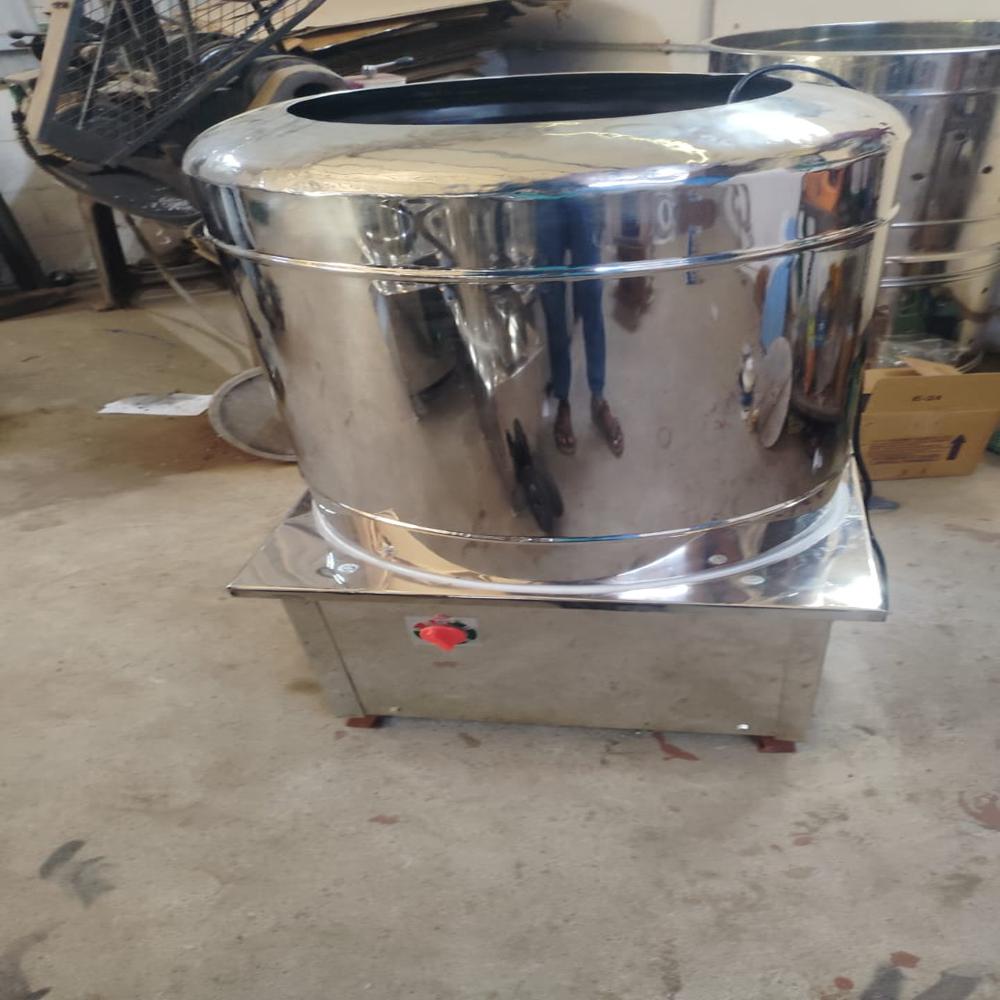
Price 25000.0 INR
Minimum Order Quantity : 1 Number
Warranty : 1 YEAR FOR MOTOR
Power : 220 Volt (v)
Feature : Low Noice, ECO Friendly, Lower Energy Consumption, Compact Structure, High Efficiency
Voltage : 220 Volt (v)

 Send Inquiry

 Send Inquiry