


Talk to us
08071791510
Talk to us
08071791510
Commercial and industrial potato peeling machines are the unsung heroes of modern food processing. Whether you are running a high-volume catering service, a commercial kitchen, or an industrial snack manufacturing facility, transforming a raw, dirt-covered root vegetable into a pristine, skinless ingredient efficiently is a foundational challenge.
Manually peeling potatoes is labor-intensive, creates immense organic waste, and introduces significant consistency variables. Automated peeling machinery solves these bottlenecks by leveraging mechanical abrasion, centrifugal force, fluid dynamics, and robust structural engineering.
This comprehensive technical manual breaks down the design, operation, science, and maintenance of industrial potato peeling machines into seven core areas.
At its core, an industrial potato peeling machine is a specialized mechanical processor engineered to remove the outer periderm (the skin) of potatoes while minimizing damage to the underlying cortex (the usable flesh).
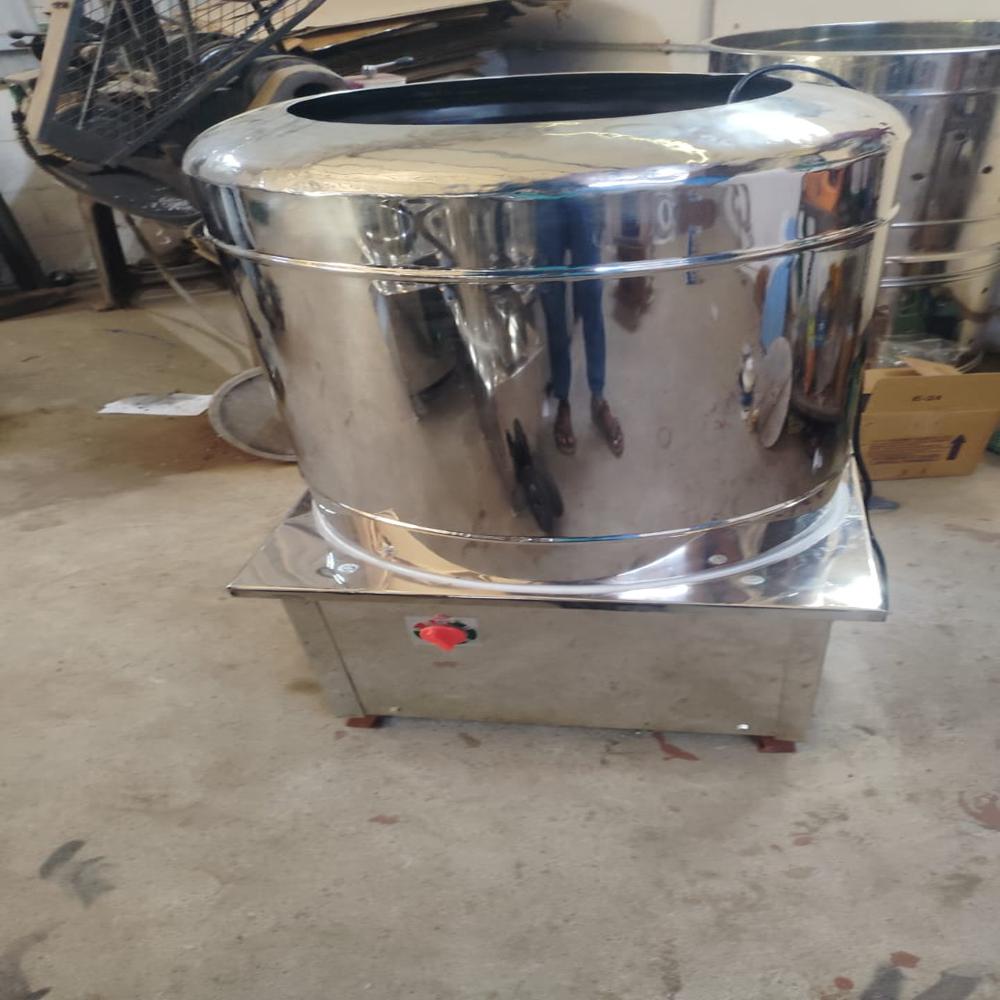
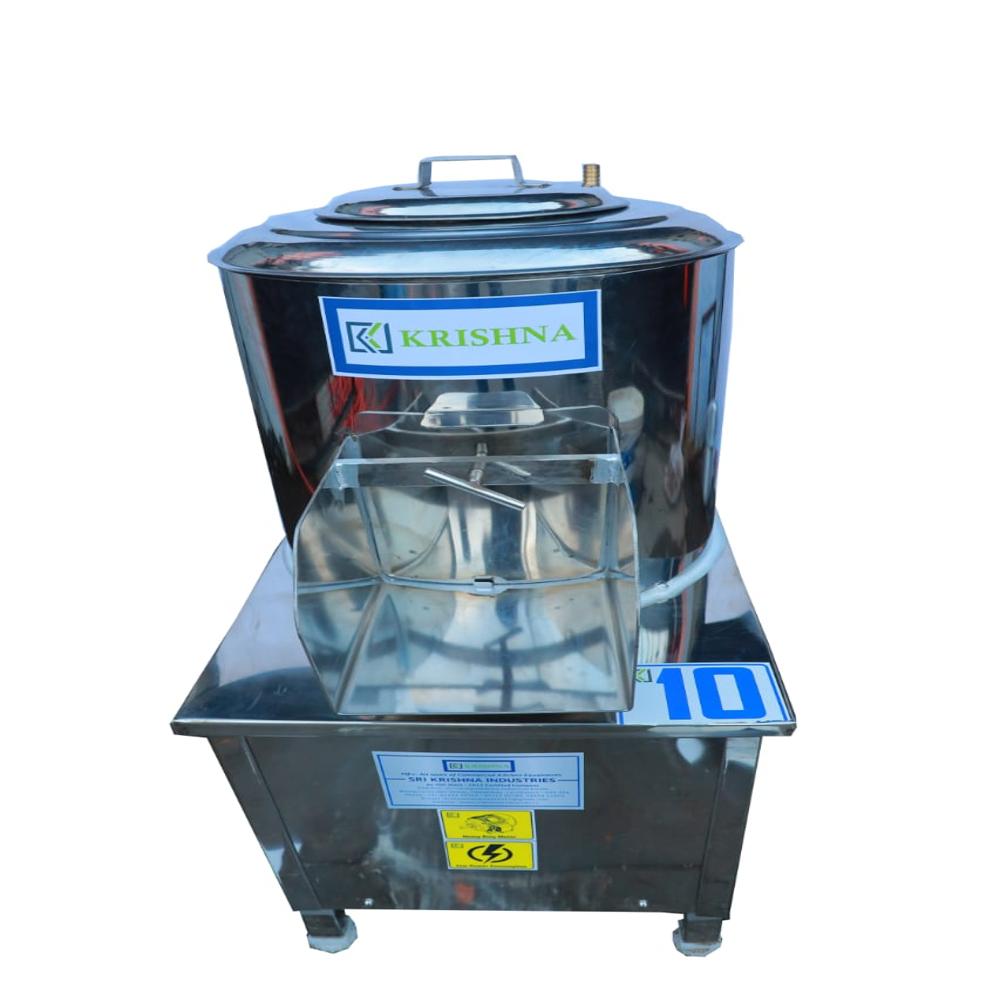
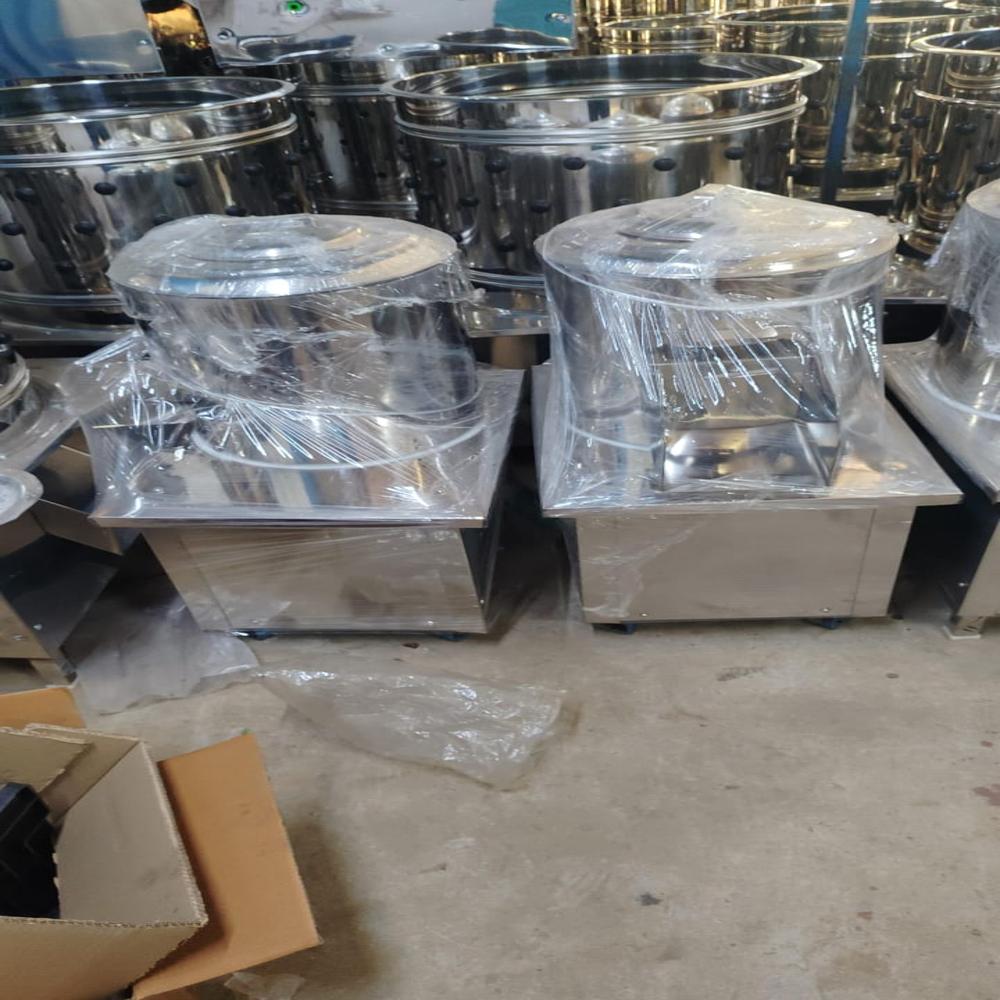
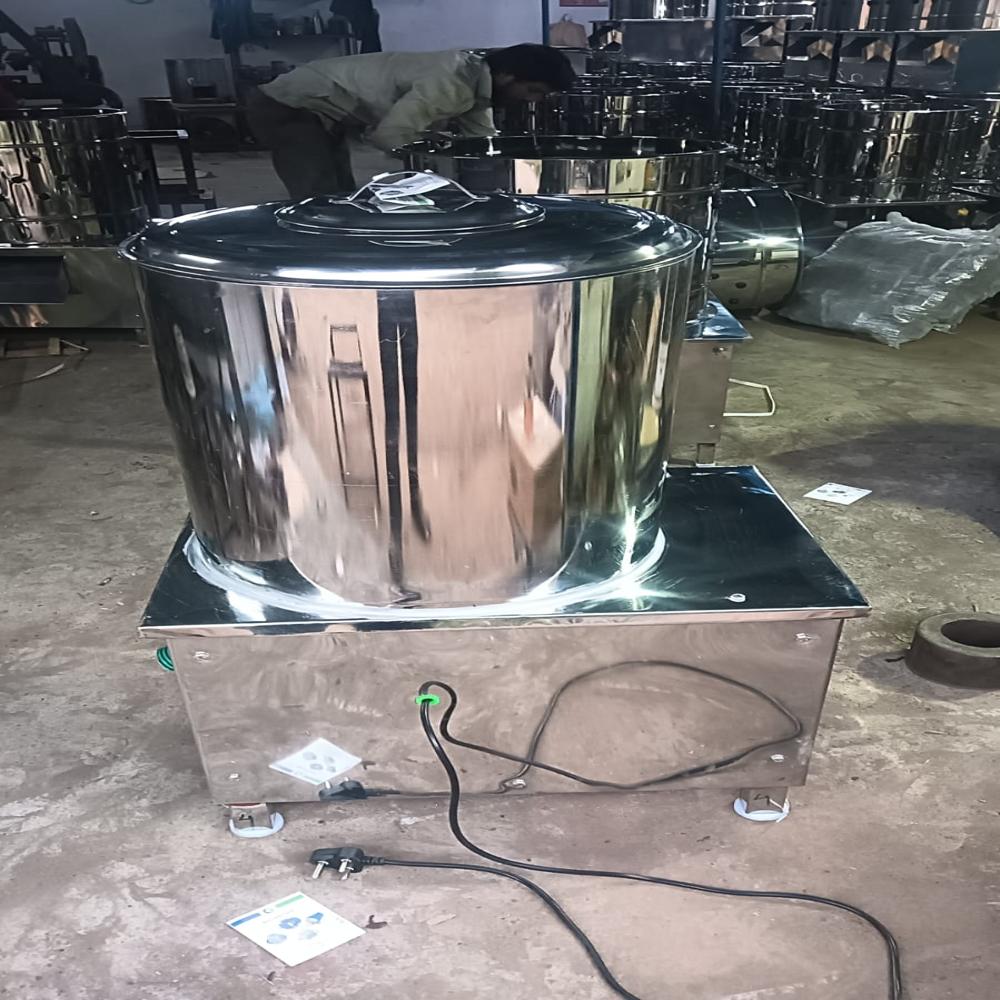
Industrial environments are notoriously harsh. They are constantly exposed to moisture, organic acids, abrasive soils, and rigorous chemical washdown procedures. Because of this, the structural backbone of a professional peeling machine must be built entirely from heavy-gauge stainless steel.Stainless steel provides exceptional corrosion resistance, high structural yield strength, and a non-porous surface that resists bacterial colonization. The frame is usually constructed using heavy square tubes or reinforced sheet metal panels to eliminate gaps where organic debris could accumulate.
The heart of the machine is a vertical or horizontal cylindrical drum. This chamber houses the potatoes during the peeling cycle. The interior wall of the drum can either be smooth or lined with replaceable abrasive panels.
The volume of this chamber directly dictates the batch capacity of the unit, which commonly ranges from small commercial sizes up to massive industrial variants.
Inside the bottom of a vertical drum sits a heavy-duty, dynamically balanced rotating disc. Driven by an electric motor underneath, this disc spins at optimized speeds.
The disc features a wavy, contoured, or ribbed surface. These contours prevent the potatoes from simply spinning in a flat plane. Instead, they force the tubers to flip, roll, and tumble three-dimensionally, ensuring every square millimeter of the potato surface contacts the peeling elements.
The mechanical energy required to spin a dense, water-logged batch of potatoes is considerable. The power source is almost always a heavy-duty, high-torque induction motor.
Power transmission from the motor shaft to the rotating disc assembly is achieved through two primary methods:
V-Belt Drive Systems: Use premium rubber belts running on machined pulleys. Belts offer excellent shock absorption; if a foreign object like a large rock enters the chamber and jams the disc, the belt will slip, protecting the electric motor from catastrophic burnout.
Direct Gearbox Drives: Utilize oil-bath helical gear reduction boxes. This configuration eliminates belt wear, minimizes mechanical efficiency losses, and delivers maximum torque directly to the flywheel, making it ideal for continuous, high-capacity industrial lines.
Not all potatoes are destined for the same culinary or industrial end-use. A potato bound for potato chip (crisp) manufacturing requires a different peeling profile than one headed for canning or instant mash production. Therefore, different peeling mechanisms exist across industrial designs.
This is the most common mechanical peeling method used worldwide. The interior surfaces of both the chamber walls and the rotating bottom disc are coated with a highly durable, coarse crystalline compound .
This material behaves exactly like industrial-grade sandpaper. As the bottom disc spins, centrifugal force flings the potatoes outward against the abrasive cylinder walls. The friction between the rough carborundum grit and the moving potato gently rasps away the thin epidermal layer of the skin.
The thickness of the peel removed is governed entirely by two variables: the coarseness of the grit (coarser grit peels faster but rougher) and the duration of the cycle.
For applications where a perfectly smooth, hand-peeled look is required, knife peeling machines are used. Instead of an abrasive lining, the interior of the drum or specialized peeling rollers are populated with hundreds of micro-precision, razor-sharp stainless steel blades.
As the potatoes tumble over these surfaces, the blades shave off thin ribbons of skin. This method yields a beautifully smooth surface finish and reduces "flesh loss" significantly compared to coarse abrasion. However, blade peeling machines feature higher initial capital costs and require scheduled downtime to sharpen or replace the blade modules.
While small and mid-sized commercial lines rely on abrasion, massive industrial lines often utilize steam peeling. In these setups, potatoes enter a pressurized vessel exposed to high-pressure saturated steam .
The extreme heat rapidly cooks the moisture directly beneath the skin layer, converting it to steam. When the pressure vessel suddenly vents and depressurizes, the trapped steam beneath the skin expands violently, causing the skin to burst and separate from the cold core of the potato. The loosened skins are then easily washed away inside a rotating brush drum.
The efficiency of a potato peeling machine relies heavily on physics and fluid mechanics. Without precise control of motion and water flow, the machine would quickly clog with thick organic mud, rendering it useless.
When a batch of potatoes is dropped into the peeling chamber and the disc begins to rotate, the potatoes are subjected to intense centrifugal force. This force accelerates the potatoes radially outward from the center of rotation toward the perimeter of the drum.
Once the potatoes hit the stationary, abrasive outer wall, their rotational momentum is converted into vertical lift because of the curved transitions and the waves built into the spinning flywheel. The potatoes travel up the wall, lose kinetic energy, fall back inward toward the center of the spinning disc, and are immediately thrown outward again.
This continuous torus-shaped flow path ensures that the potatoes do not flat-spin, which would cause flat spots or uneven peeling.
Mechanical peeling creates an immediate byproduct: a fine, sticky paste made of pulverized skin, dirt, and raw potato starch. If left dry, this paste would instantly coat the carborundum grit, smoothing it over and stopping the peeling process entirely.
To prevent this, every modern peeling machine features an integrated water system. A water inlet valve connects to a multi-jet spray manifold located at the top rim of the peeling chamber. During the entire operating cycle, clean water is continuously sprayed into the chamber.
This water serves three critical functions:
Lubrication: It reduces friction heat, preventing the potato surface from discoloration or starch gelatinization.
Continuous Cleaning: It washes the sheared skin particles off the abrasive walls, keeping the grit sharp and exposed.
Transport: It acts as a hydraulic conveyor, washing the skin waste downward through the gap between the spinning disc and the outer drum wall.
The water discharging from the bottom of the peeling machine is heavily loaded with suspended solids (dirt and skin) and dissolved starches. Direct discharge of this effluent into standard municipal sewage systems can cause severe plumbing blockages and environmental compliance fines due to high biochemical oxygen demand (BOD) levels.
Professional setups incorporate a waste separation system beneath the machine's drain outlet:
Perforated Filter Baskets: A stainless steel mesh basket catches the large pieces of skin while letting the water pass through. The basket can be slipped out and emptied directly into organic waste bins.
Starch Settling Tanks: For high-volume factories, wastewater flows into a series of settling weirs. Because potato starch is denser than water, it settles out to the bottom of these tanks as a thick white sludge, which can be harvested for industrial starch applications, while clarified water is skimmed from the top.
Operating an industrial machine safely and repeatably requires a well-engineered electrical architecture. Control systems range from simple electro-mechanical timers to advanced PLC-driven automation networks.
Given that potato peeling machines operate in wet environments, the electrical control box must feature a high rating for ingress protection. This means the enclosure is completely dust-tight and can withstand high-pressure water jets from any direction during kitchen cleaning.
The enclosure is fabricated from stainless steel and features oil-resistant neoprene or silicone gaskets around the door seams.
Basic peeling machines run their induction motors at a fixed speed. However, premium industrial models utilize a Variable Frequency Drive (VFD) within the control circuit. The VFD allows operators to adjust the electrical frequency (Hz) delivered to the motor, safely modifying the rotational speed of the bottom disc.
Why is variable speed necessary? Different potato varieties possess different structural properties:
New or Thin-Skinned Potatoes: Require lower rotational speeds and a gentle cycle to prevent the machine from grinding away the delicate flesh.
Stored, Thick-Skinned, or Deformed Tubers: Require higher rotational speeds to generate enough impact force against the abrasive walls to clear deep eyes and tough skins.
Electro-Mechanical Manual Controls: These entry-level systems use a robust, rotary mechanical countdown timer paired with industrial start/stop pushbuttons. They are highly reliable, simple to troubleshoot, and immune to electronic voltage surges.
Digital Microprocessor Panels: Feature clear LED/LCD interfaces where operators can program specific cycle recipes based on potato type, batch size, and desired finish.
PLC Integration (Programmable Logic Controllers): In fully automated food processing lines, the potato peeler interfaces directly with a master PLC via protocols like Modbus or Profinet. The peeler automatically communicates with upstream conveyor scales and downstream inspection tables, opening and closing its pneumatic loading and discharge doors without requiring human intervention.
To maximize the lifespan of a peeling machine and maintain consistent food quality, operators must adhere to strict processing procedures.
For a standard batch-type abrasive peeling machine, the processing workflow follows a highly structured sequence:
Machine capacity is quantified using two metrics: Batch Capacity (measured in kilograms per cycle) and Hourly Throughout (measured in kilograms or tons per hour).
An operator might assume that running the machine for a longer cycle time yields a better-peeled potato. However, over-peeling introduces a massive financial penalty known as Yield Loss.
Industrial designs prioritize operator health and physical safety. Loading heavy bags of potatoes into a high-walled machine introduces back strain risks.
To mitigate this, large peeling installations are paired with vertical bucket elevators or inclined belt conveyors that feed raw potatoes into the top hopper at a controlled rate. Discharge chutes are positioned at ergonomic heights, allowing standard tote bins or inspection tables to slide directly beneath them without requiring operators to bend down.
Because potato peeling machines combine high-speed rotational energy, heavy electrical loads, and continuous water usage, they present clear operational hazards if not properly engineered. Modern peeling machines incorporate multiple redundant safety systems to meet international standards such as CE, NSF, and OSHA.
The primary physical hazard is operator contact with the high-speed spinning bottom disc or tumbling potatoes. To prevent this, machines feature automated safety interlocks:
Top Lid Safety Sensor: A magnetic proximity sensor or mechanical limit switch is embedded into the top lid hinge assembly. If an operator opens the lid while the machine is running, the electrical control circuit breaks instantly, shutting off power to the motor.
Discharge Door Safety Switch: A specialized switch monitors the front discharge gate. If the gate is opened while the machine is not in discharge mode, or if it is tampered with during operations, the machine halts immediately.
When an interlock is tripped or the stop button is pressed, a heavy, high-inertia flywheel loaded with potatoes will naturally continue spinning for several seconds due to momentum.
To eliminate this coasting hazard, industrial peelers use electronic braking systems.
Emergency Stop (E-Stop): A prominent, red, mushroom-head button is mounted on the exterior of the control panel. Pressing this button physically cuts power to the motor contactor, stopping the machine immediately. It requires a manual twist-to-release action to reset.
Overload Protection: Thermal overload relays monitor the current draw (amperage) of the motor. If a foreign object jams the peeling disc, causing the motor to draw excessive current, the thermal relay trips, opening the circuit before the motor windings overheat and catch fire.
No-Volt Release (NVR): If a facility experiences a sudden power outage while the machine is running, the NVR circuit ensures that when power returns, the machine does not automatically restart. The operator must physically press the start button again.
A high-quality potato peeling machine represents a major capital investment. Maximizing its operational lifespan requires a disciplined preventive maintenance program, strict sanitation protocols, and rapid troubleshooting processes.
Because raw potatoes carry soil, mold spores, and organic starches, the peeling machine must be thoroughly sanitized at the end of every operational shift to prevent bacterial growth and cross-contamination.
De-energize: Isolate the machine from the electrical supply by turning off the main wall-mounted circuit breaker (Lockout/Tagout protocol).
Debris Flush: Remove the top lid and lift out the discharge door gasket. Use a low-pressure water hose to flush out all loose skin fragments and starch residue from the drum interior.
Disc Extraction: Lift the bottom rotating disc straight up off its drive shaft. Clean the area underneath the disc, as starch accumulation here can jam the shaft seals.
Chemical Sanitization: Spray all food-contact surfaces with an approved food-safe sanitizing solution (e.g., a diluted chlorine-based or peracetic acid sanitizer). Allow it to sit for the recommended contact time, then rinse thoroughly with clean water.
Air Dry: Leave the top lid and front discharge door wide open to allow the interior components to air dry completely, preventing stale odors and rust.
To prevent unexpected breakdowns during production peaks, maintenance technicians should stick to a structured inspection calendar:
Daily: Check that the wastewater drain runs free and clear. Verify the top lid safety interlock shuts off the motor instantly when opened.
Weekly: Inspect the drive belt tension. A loose belt slips and reduces peeling efficiency, while an over-tight belt puts excessive load on the motor bearings, causing early failure.
Monthly: Check the main drive shaft oil seals located beneath the peeling chamber. If water begins weeping past these seals, it will wash away the grease inside the main bearings, causing loud grinding noises and mechanical failure. Replace worn seals immediately.
Annually: Inspect the condition of the internal abrasive carborundum coating. Over time, processing millions of abrasive potatoes will flatten the sharp silicon carbide grit. When the peeling cycle times start creeping past two minutes for a standard batch, the disc and drum liners need to be removed and resurfaced or replaced.
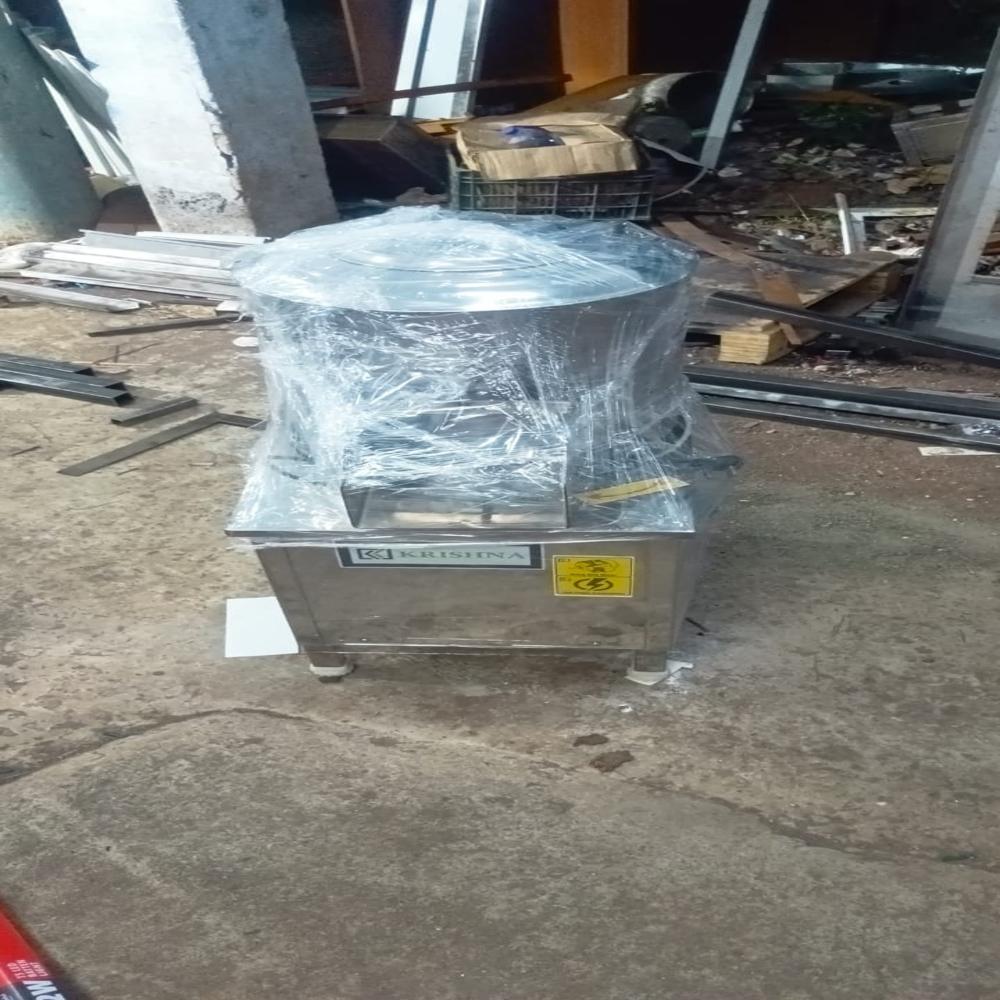
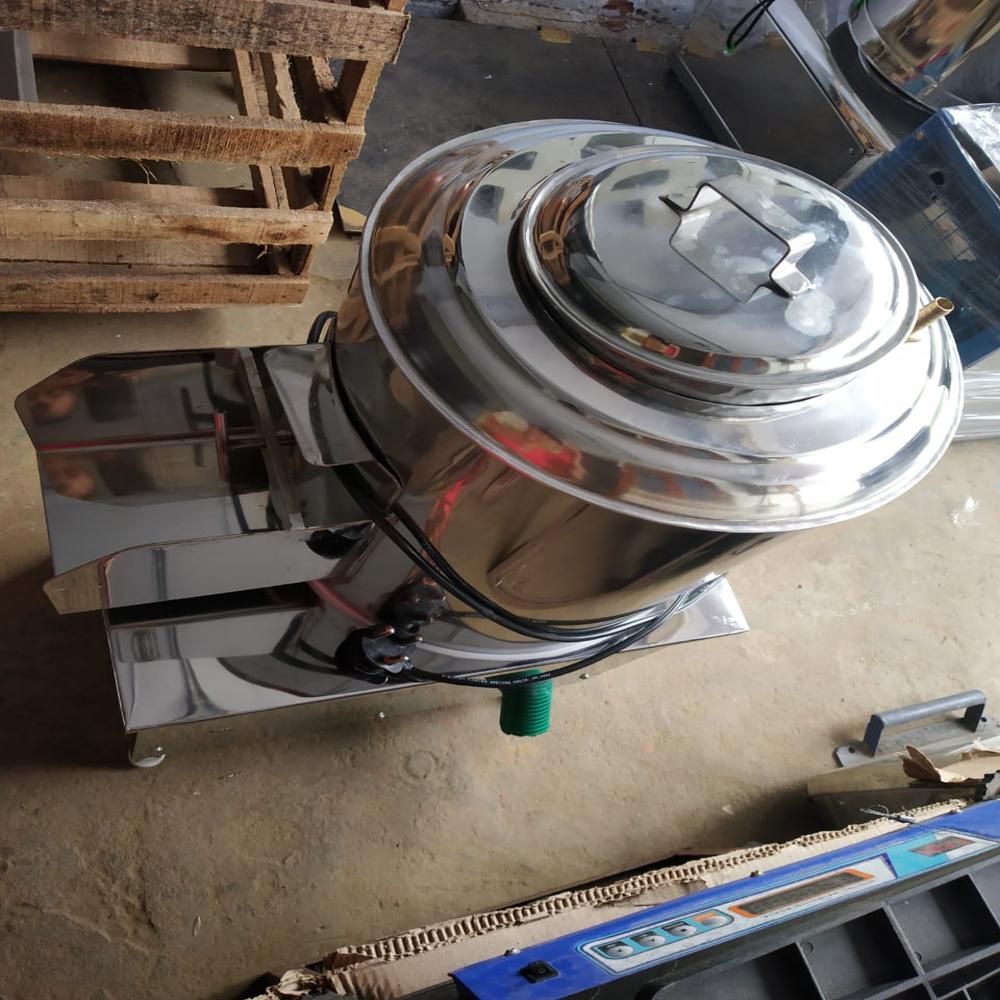

Price:
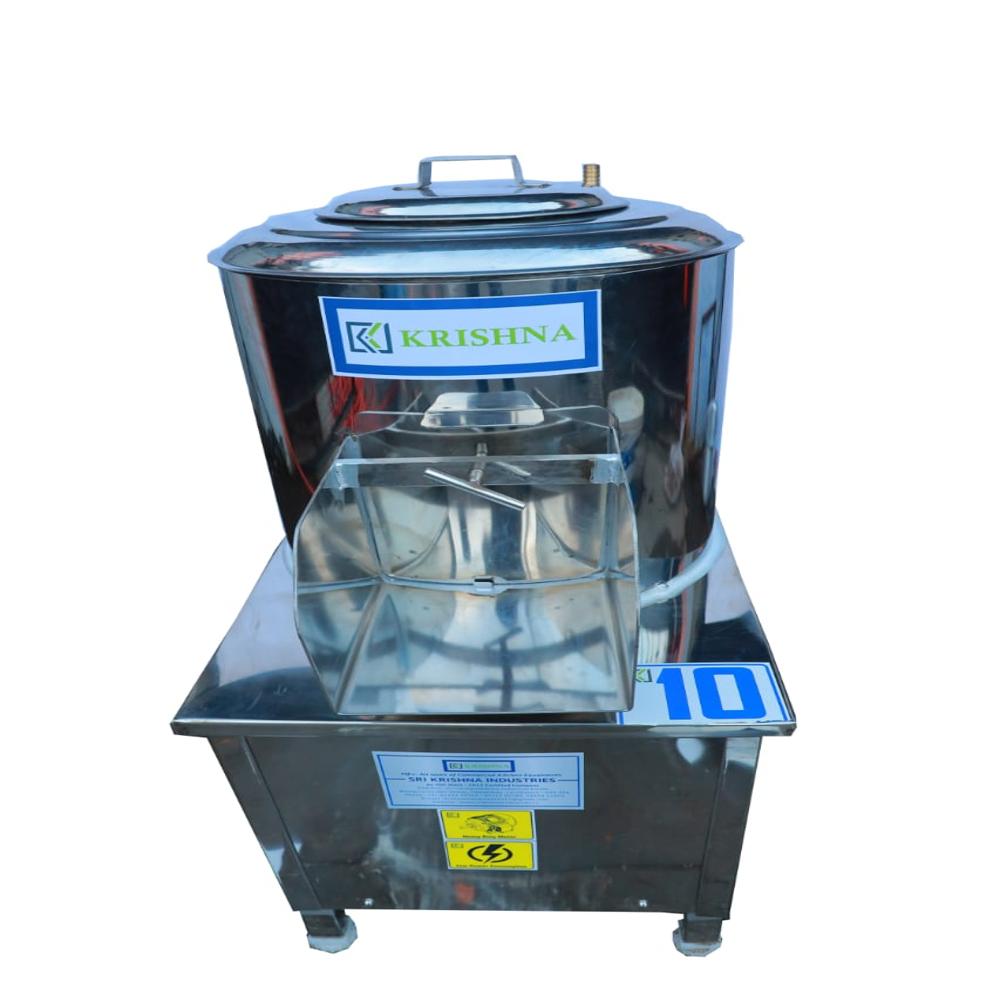
Price 25000.0 INR / Number
Minimum Order Quantity : 1 Number
Computerized : No
Product Shape : Other
Automatic : Yes
Installation Type : Table Top
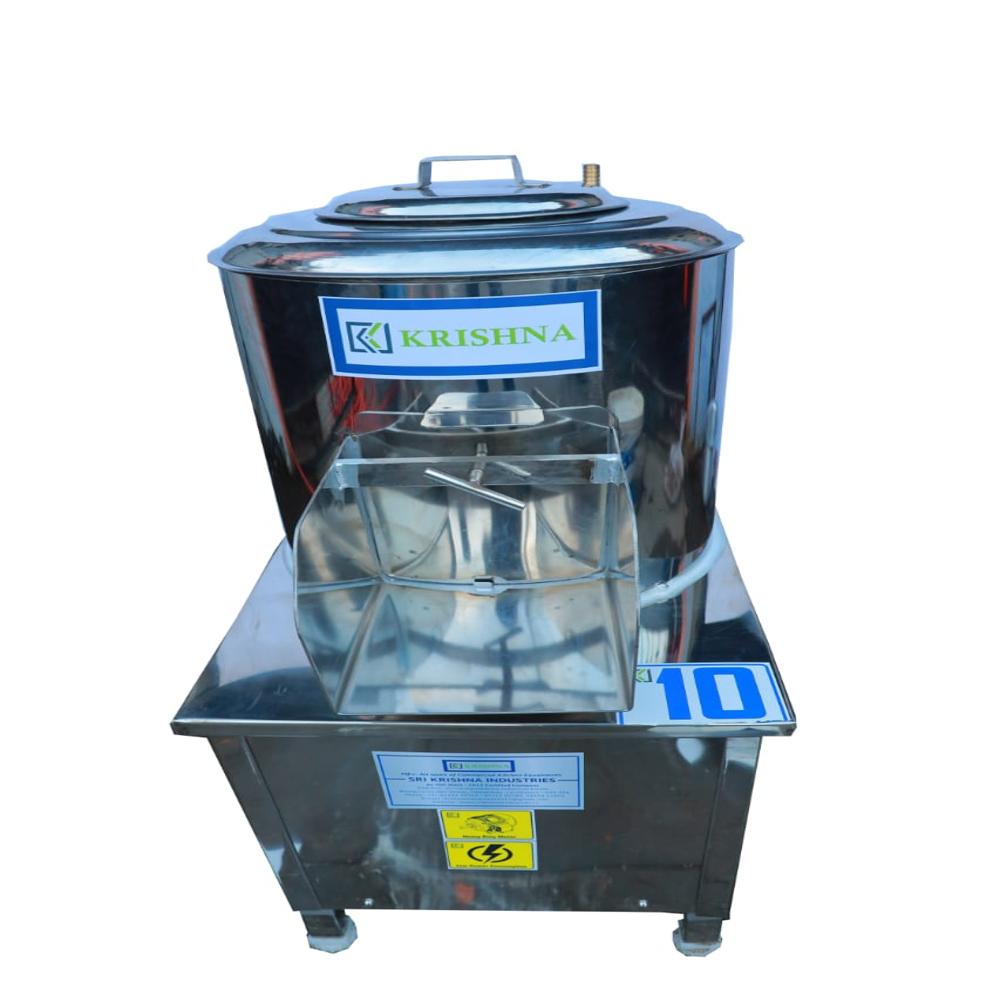
Price 25000.0 INR / Number
Minimum Order Quantity : 1 Number
Computerized : No
Product Shape : Other
Automatic : Yes
Installation Type : Free Stand

 Send Inquiry

 Send Inquiry