


Talk to us
08071791510
Talk to us
08071791510
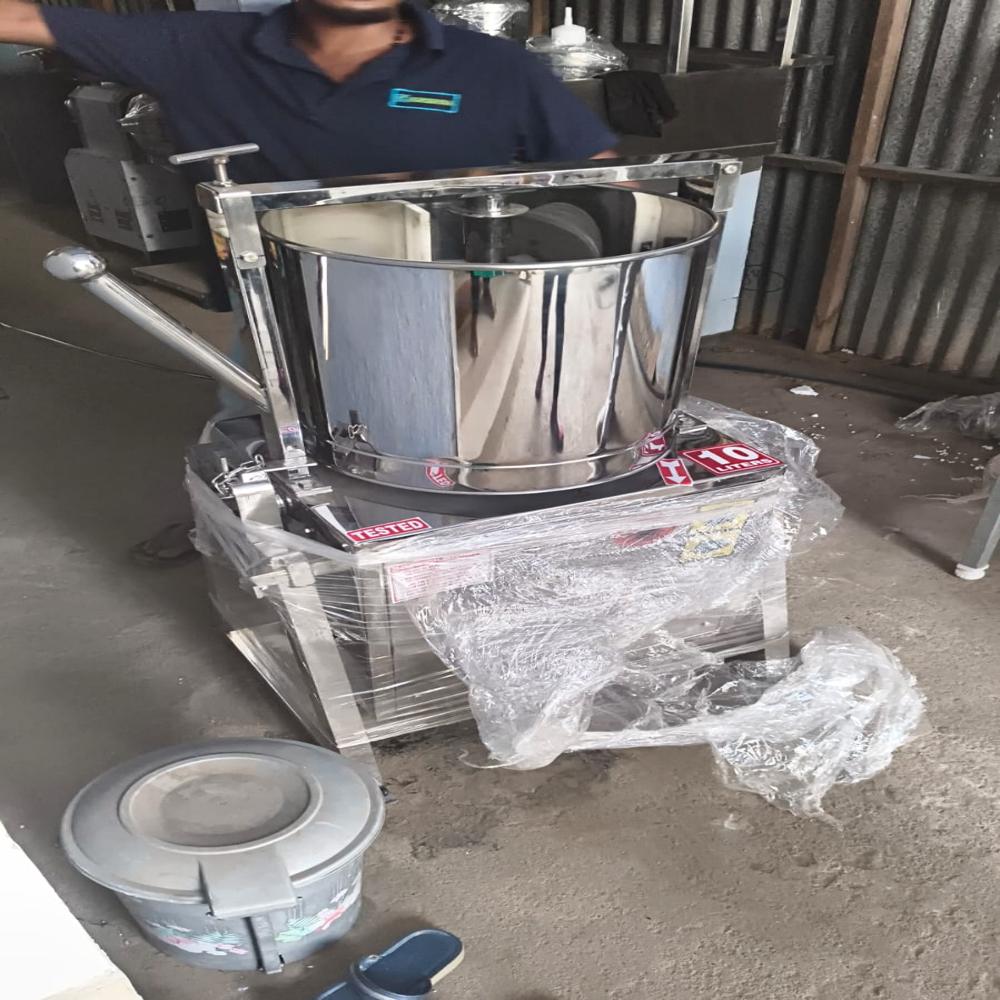
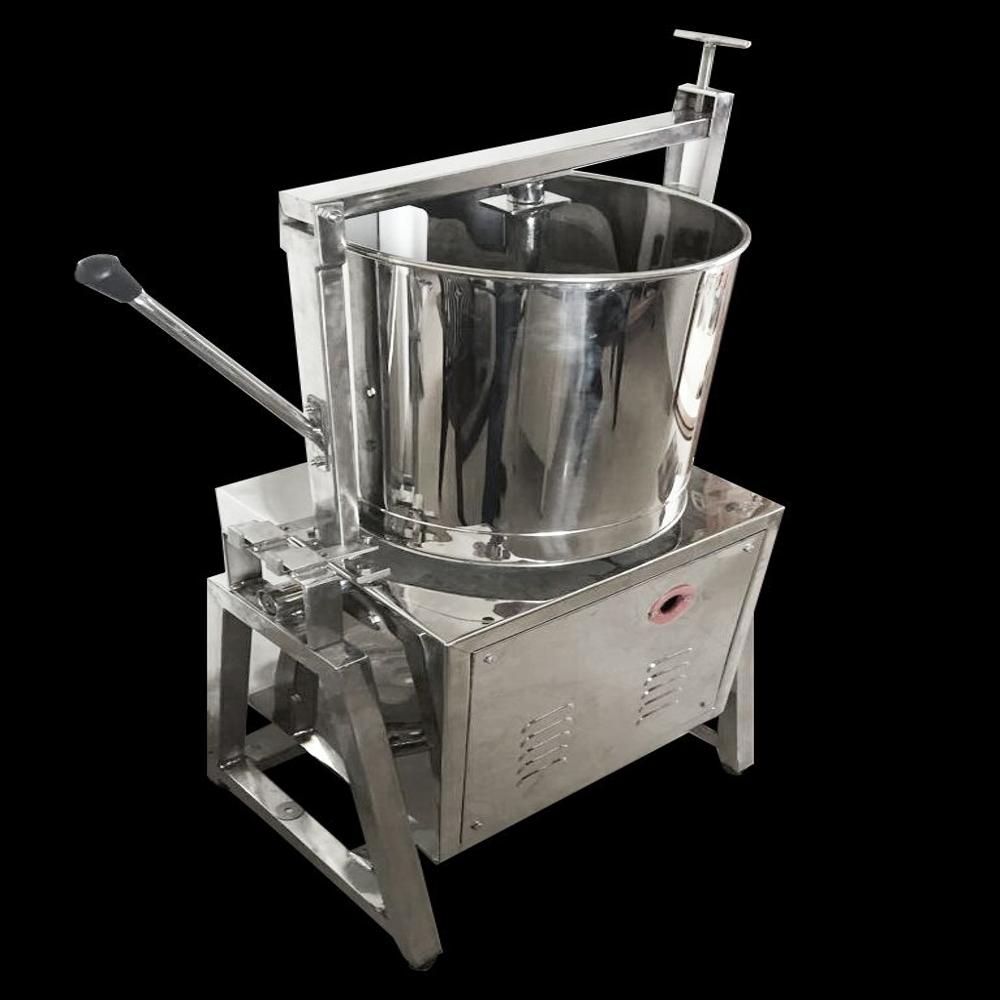
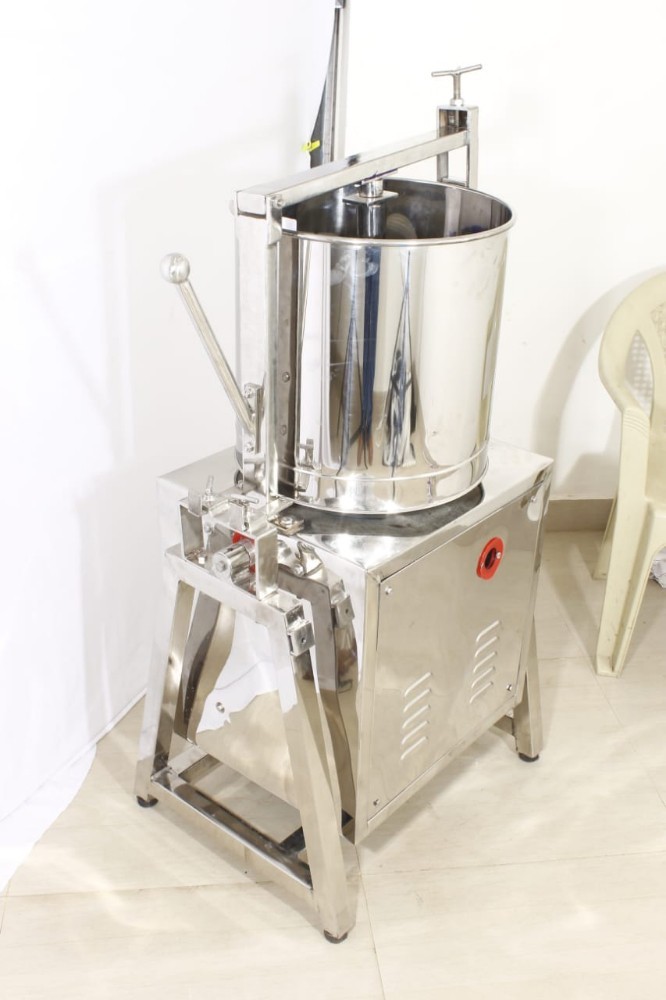
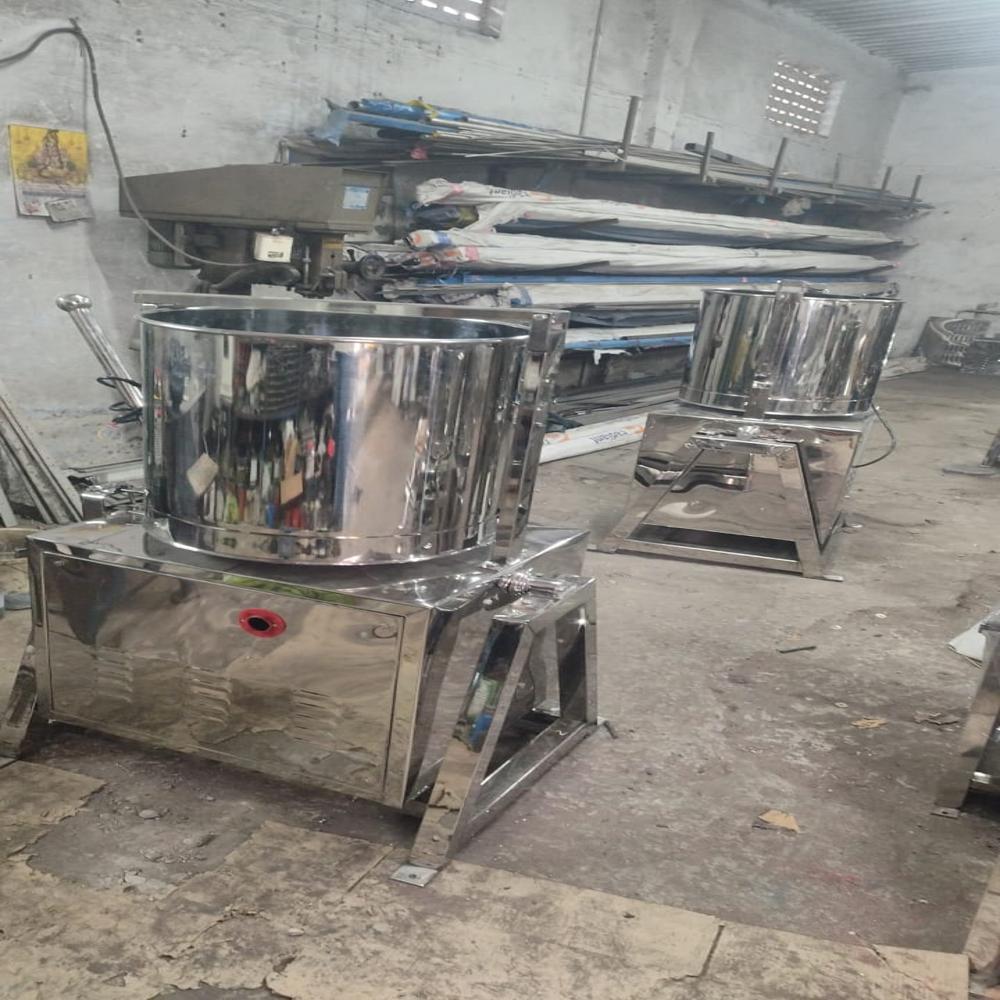
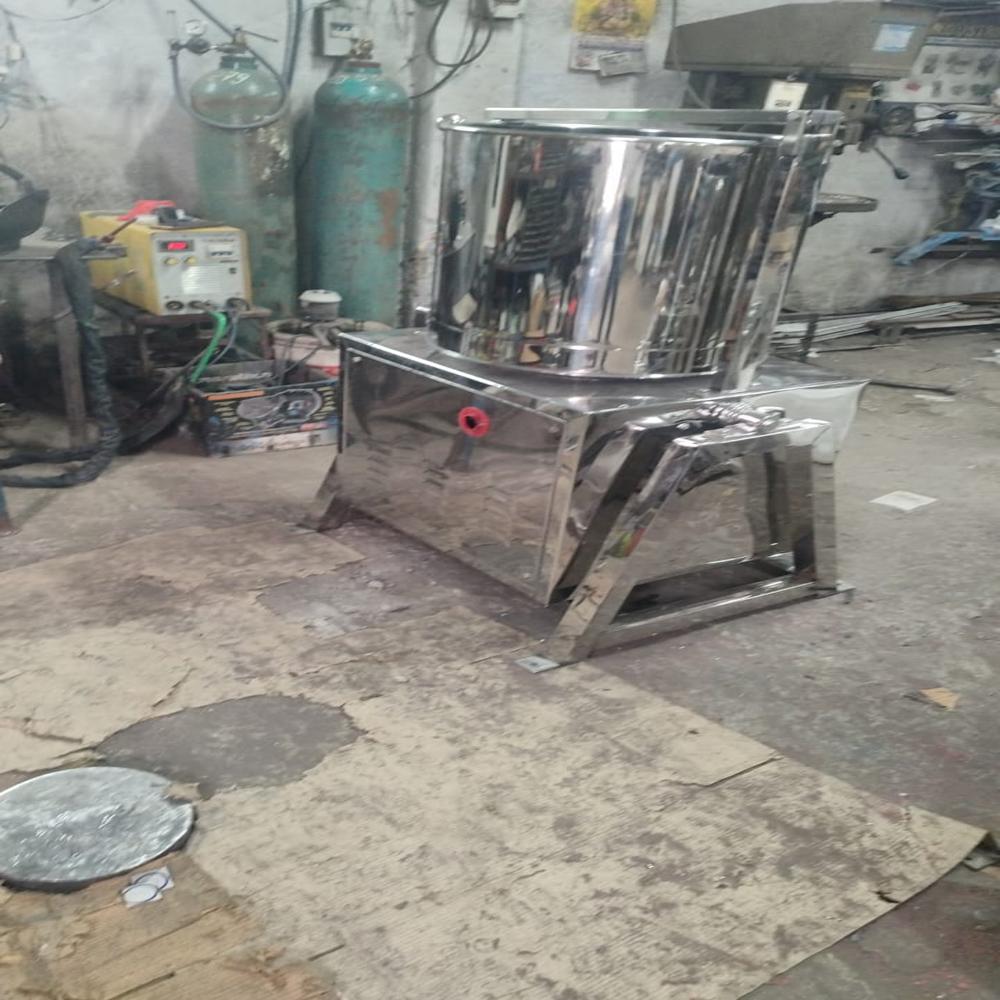
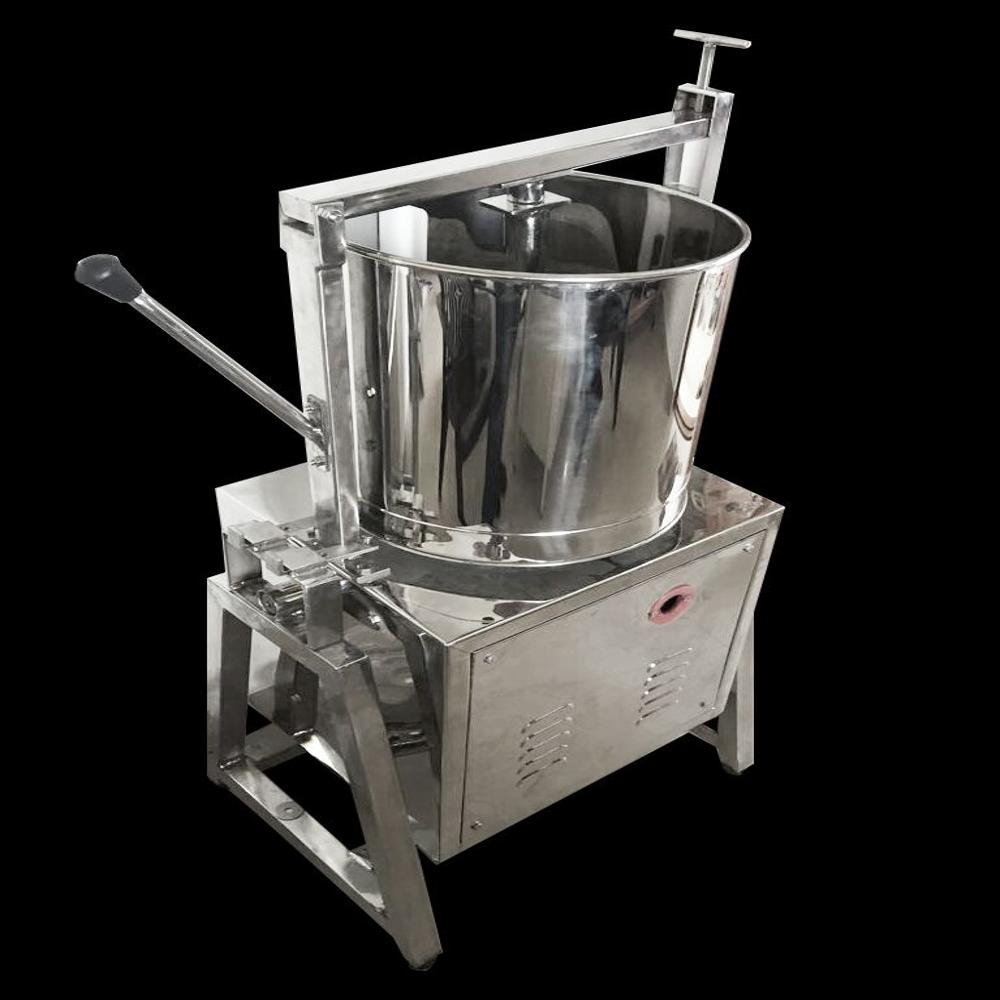
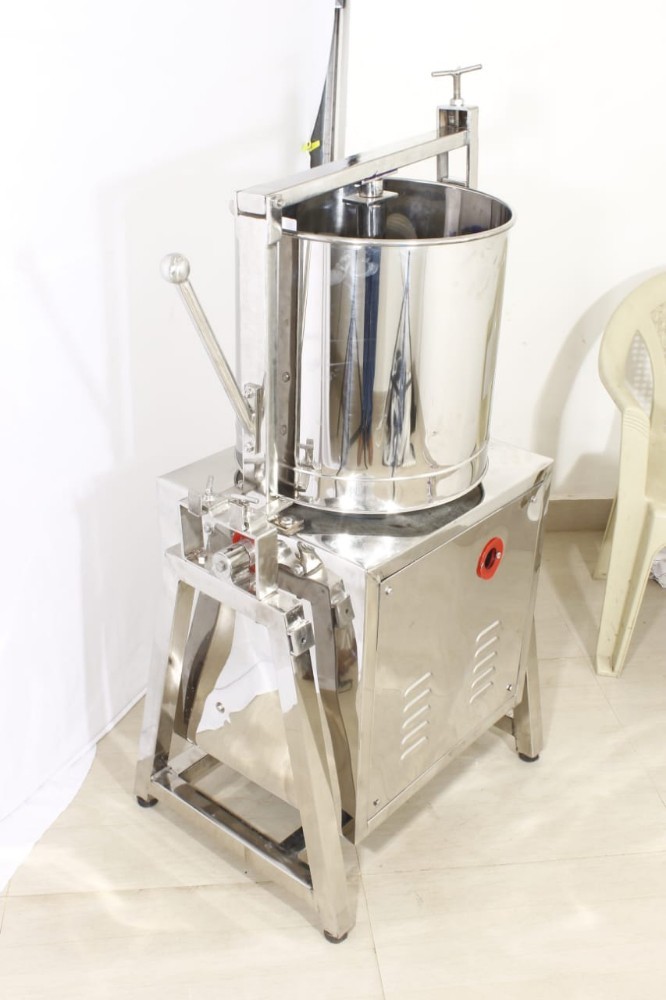
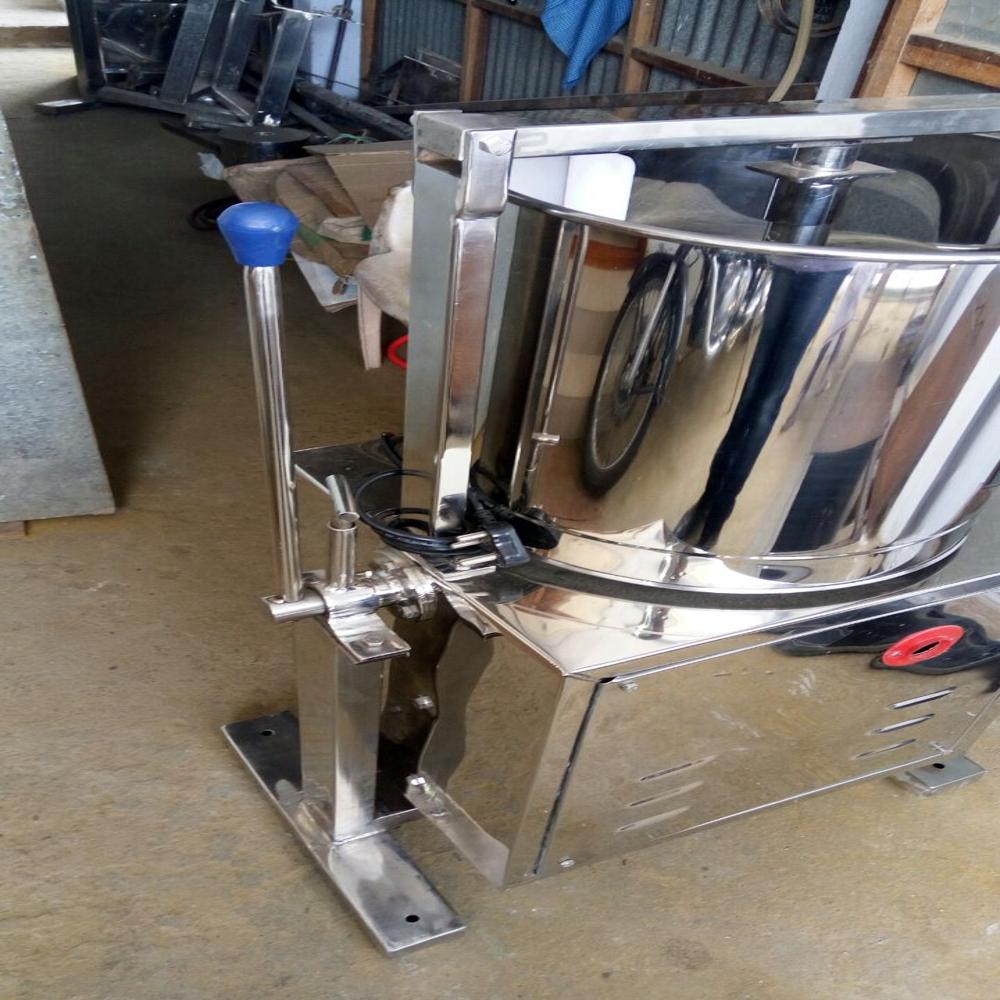
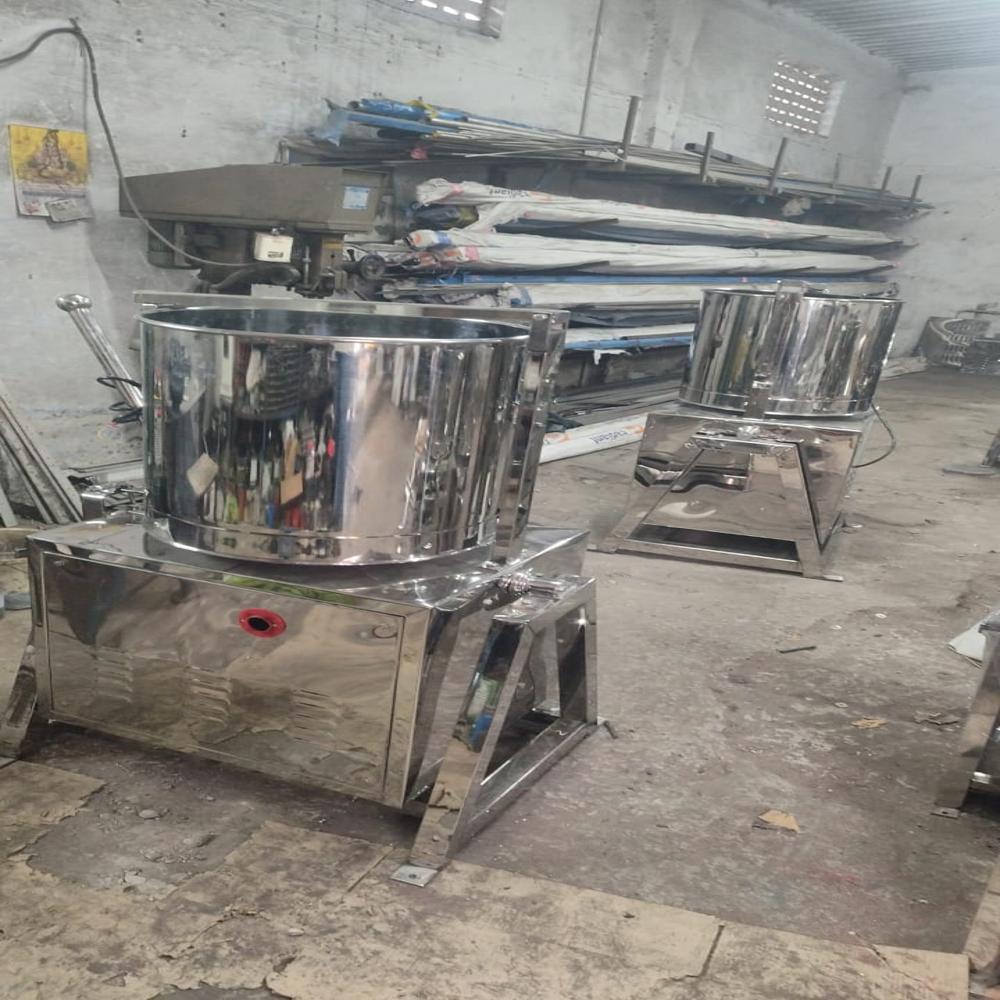
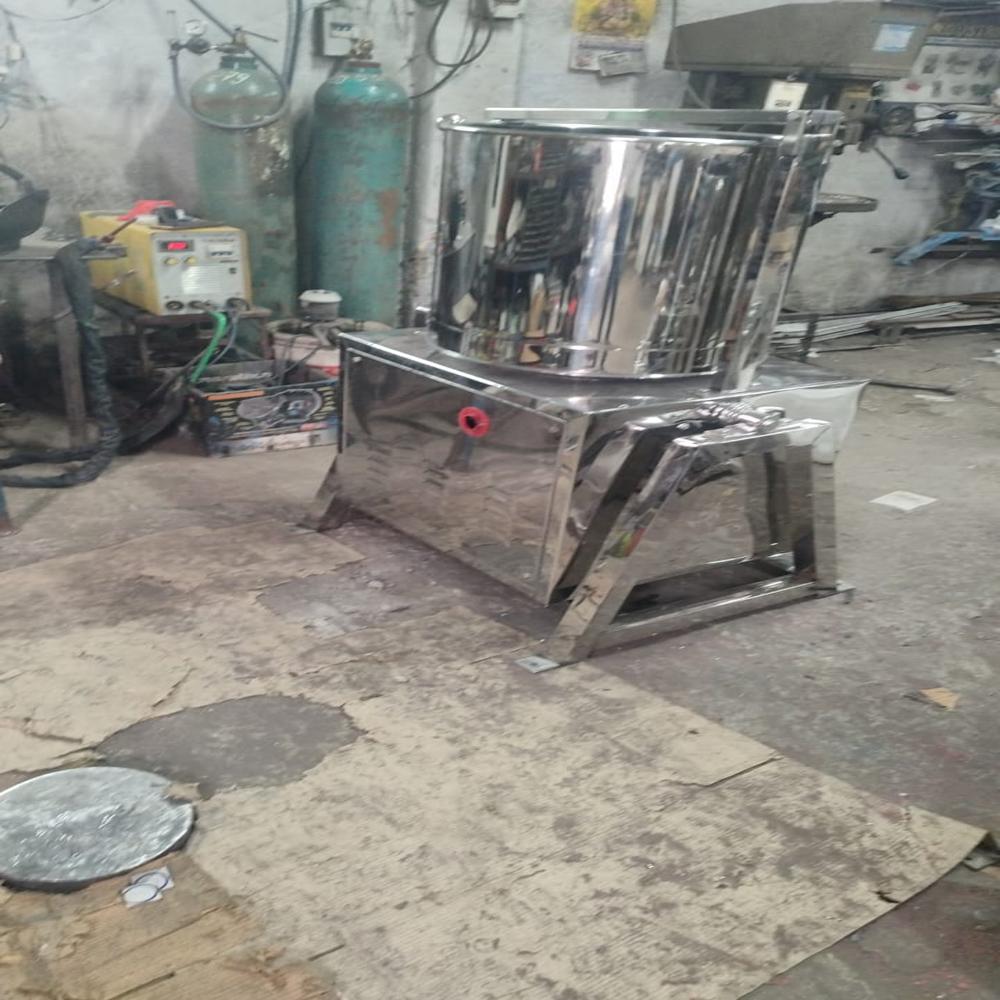
The structural architecture of a 10-liter tilting wet grinder is engineered to bridge the gap between high-capacity domestic appliances and massive industrial food processing machinery. At this capacity, the weight of the raw ingredients, water, and internal granite grinding stones creates substantial static and dynamic loads. To withstand these operational stresses, the entire chassis is constructed around a heavy-duty, commercial-grade structural framework.
The foundational skeleton of the machine is typically fabricated from structural AISI 304 Stainless Steel square tubes formed into an "A-frame" configuration. This triangular geometry provides a highly stable footprint that distributes the weight evenly across the shop floor.
The frame is treated with multi-coat anti-corrosion primers and industrial-grade epoxy coatings to shield it from water, ambient moisture, and the acidic runoff common in food production environments.
The main advantage of a tilting wet grinder over a fixed-drum model is its ease of product evacuation.
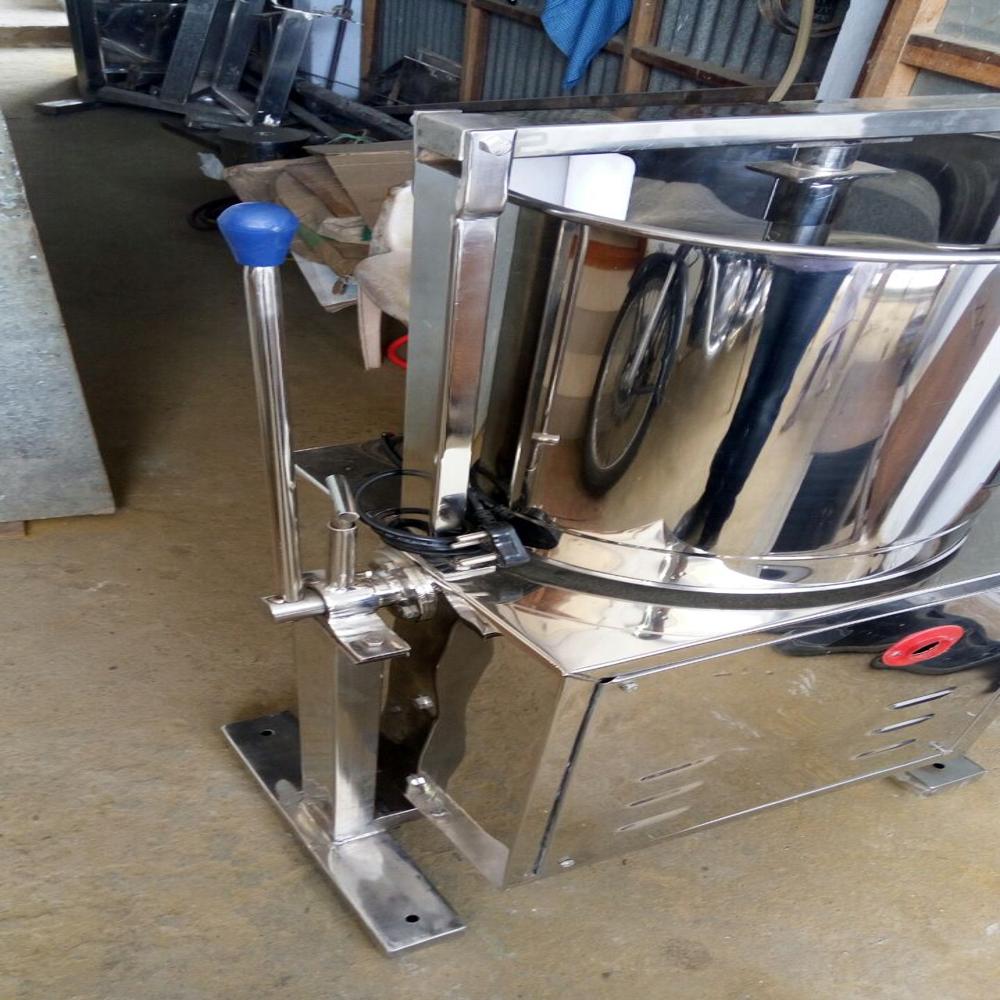
The Pivot Assembly: The grinding drum is mounted on a central horizontal axis supported by heavy-duty pillow block bearings. This allows the drum to tilt forward smoothly up to an angle of 90 to 115 degrees.
Locking Mechanism: During operation, the drum is secured upright by a rugged mechanical locking pin or a heavy-duty threaded hand wheel.
Ergonomic Leverage: Because a fully loaded 10-liter drum (containing batter, stones, and water) can exceed 40 kg, the tilt axis is precisely positioned near the assembly's center of gravity. This counterbalanced design reduces the physical effort required by operators to tilt the machine, protecting workers from strain and speeding up batch turnaround times in busy commercial kitchens.
When processing food at a commercial scale, choosing the right contact materials is critical. The 10-liter tilting wet grinder uses materials chosen for their mechanical durability, resistance to chemical wear, and compliance with global food safety standards.
The cylindrical drum walls are formed from high-gauge, deep-drawn AISI 304 food-grade stainless steel. This austenitic alloy contains high concentrations of chromium and nickel, making it highly resistant to pitting and stress corrosion cracking from organic acids and sanitizing chemicals.
The interior surface undergoes automated mechanical polishing to achieve a mirror finish. This ultra-smooth surface prevents food residues from sticking, reduces drag forces during grinding, and eliminates microscopic pits where bacterial biofilms could grow.
Unlike smaller domestic grinders that may use synthetic composite bases, a commercial 10-liter machine features a thick, single-piece natural granite stone base embedded into the bottom of the stainless steel drum.
| Material Component | Role in Commercial Grinding |
| Natural Granite Core | Offers a zero-bore, non-porous surface that resists flaking under continuous friction. |
| AISI 304 Shell | Encases the stone base completely to eliminate gaps where batter could stagnate. |
| Food-Grade Sealants | High-temperature, chemical-resistant elastomers seal all interfaces to pass strict sanitation inspections. |
Driving a 10-liter grinding load requires a robust powertrain capable of delivering high starting torque and maintaining consistent rotational kinetics over hours of continuous operation.
The powertrain centers around a heavy-duty industrial induction motor, . Depending on the workshop's power infrastructure, these motors are configured for either a three-phase industrial supply or a single-phase domestic/commercial line.
The motor windings feature Class F or Class H insulation, which are rated to withstand internal temperatures up to 155C and 180C respectively. This high thermal ceiling prevents the insulation from breaking down during extended back-to-back production cycles.
Because standard induction motors run at high native speeds (typically 1440 RPM) and wet grinding requires a much slower, high-torque rotation, a mechanical reduction system is essential.
V-Belt Drive System: Power is transferred from the motor shaft via a dual V-belt pulley system. The dual-belt setup provides a built-in safety cushion; if one belt slips or breaks under a sudden heavy load, the second belt prevents a total system shutdown.
Rotational Optimization: The pulley ratios step down the speed to a stable drum rotation . This speed range provides the ideal balance of centrifugal force, mechanical shearing, and temperature control, preventing friction heat from overheating the batter.
The core grinding action relies on three-dimensional kinematics between the rotating drum floor and the independent rotation of heavy granite roller stones.
A 10-liter wet grinder typically employs a dual-stone or triple-stone configuration. These cylindrical or conical granite rollers are mounted on independent shafts linked to a rigid top arm assembly. As the motor turns the drum floor, the friction between the stone surfaces and the grain mixture drives the rollers around their own axes.
This creates a combination of compressive forces that crush the grains against the floor, and differential shearing forces that shred the fibers. This dual-action process efficiently reduces particle size while aerating the mixture to produce light, fluffy batter.
To keep the stones grinding efficiently, consistent downward pressure must be maintained across the entire contact surface.
Commercial grinders feature an adjustable spring-loaded or weighted pressure lock on the top arm. This allows operators to adjust the downward force based on what they are grindingwhether it's tough, fibrous grains or delicate lentils.
Additionally, adjustable food-grade Teflon or Delrin scraper wipers are positioned along the inner walls and center shaft of the drum. These wipers continuously redirect escaping grains back under the stones, ensuring a uniform grind across the entire batch.
Operating an industrial 10-liter wet grinder requires careful management of fluid dynamics to optimize both batter texture and production throughput.
The "10-liter" designation refers to the maximum volume of finished, aerated batter the machine can safely hold without spilling over the rim during operation. To achieve this output, operators typically load about 6 to 7 kg of dry ingredients (such as parboiled rice and black gram) along with 3 to 4 liters of water, depending on the desired hydration level.
During the grinding cycle, the intense aeration expands the volume of the mixture, bringing the final batch yield right up to the 10-liter mark.
The mechanical efficiency of the motor, combined with the weight of the granite stones, allows for rapid size reduction:
Processing Times: Standard rice batter batches wrap up in 25 to 35 minutes, while lighter lentil batters take just 15 to 20 minutes.
Micro-Particle Target: The machine consistently reduces grains to a micro-particle size .
Starch Protection: This uniform reduction is achieved without overheating the mixture. Keeping temperatures low prevents starch damage, ensuring optimal yeast activation during fermentation for a perfect rise.
In commercial food processing, operating heavy machinery presents risks of electrical faults, mechanical injuries, and bacterial contamination. A professional-grade 10-liter tilting wet grinder incorporates robust safety systems to protect operators and maintain high sanitary standards.
Given that wet grinders operate in environments with constant water usage, the electrical systems must be completely isolated. The motor and switchgear are housed in enclosures rated at IP55 or higher, shielding them from low-pressure water jets and airborne dust.
The main control panel features a prominent, red mushroom-head Emergency Stop Switch for instant power cut-off. Additionally, No-Volt Release (NVR) switches and Miniature Circuit Breakers (MCBs) protect the motor from automatic restarts after power outages and prevent damage from over-current faults or phase imbalances.
To keep operators safe from heavy rotating components, the belt drive assembly is fully enclosed in a rigid sheet metal guard. The grinding drum can also be fitted with an optional stainless steel mesh lid equipped with an safety interlock switch; if the lid is lifted during operation, the motor stops instantly.
From a sanitation standpoint, the tilting frame serves as a foundational Clean-in-Place (CIP) feature.
Once a batch is emptied, operators can tilt the drum forward to flush the interior with water and cleaning solutions, allowing waste to drain directly into floor channels without tedious disassembly.
While primarily used in South Asian commercial kitchens for idli and dosa batter, the heavy-duty design of the 10-liter tilting wet grinder makes it highly adaptable for a variety of food processing tasks.
The high-pressure crushing and shearing actions of the granite stones enable the machine to handle a wide range of dense, challenging ingredients:
Artisan Chocolate Production: Used as a small-batch conche and refiner, running continuously for 24 to 48 hours to grind raw cacao nibs down to smooth, sub-20-micron chocolate paste.
Commercial Nut Butters: Emulsifies massive batches of roasted peanuts, almonds, or cashews into smooth, uniform nut butters.
Mass Spice and Paste Prep: Crushes fibrous roots and spices into aromatic ginger-garlic pastes and curry bases for industrial catering, preserving volatile oils by avoiding heat damage.
To keep a commercial 10-liter wet grinder running reliably year after year, kitchen staff should follow a simple preventive maintenance routine:
Bearing Lubrication: Grease the main tilt-axis pillow block bearings every three to six months using food-grade lubricants to prevent friction wear.
Belt Tensioning: Check drive belt tension monthly. Adjusting the motor mount position prevents belt slippage, ensuring efficient power transfer and extending belt life.
Stone Dressing: Periodically re-groove or "dress" the granite rollers as they wear smooth over time. Keeping the surface texture sharp maintains fast grinding speeds and high energy efficiency.
By combining heavy-duty construction with user-friendly tilting mechanics, reliable safety features, and multi-use versatility, the 10-liter tilting wet grinder is an essential, high-performance workhorse for commercial food manufacturing and large-scale catering operations.

Price:
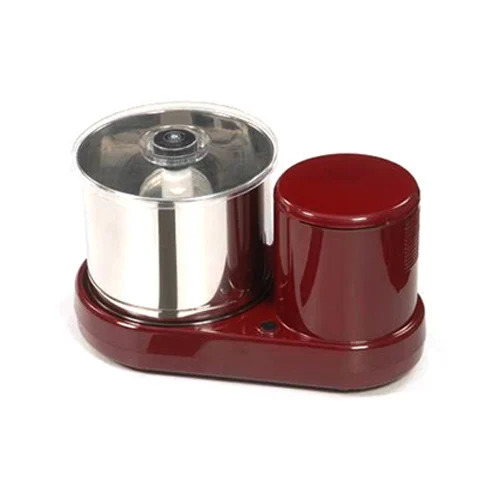
Price 2500.0 INR / Number
Minimum Order Quantity : 1 Number
Speed Mode : Fixed
Machine Type : ELECTRICAL
Capacity : 2 Ltr
Warranty : 1 YEAR FOR MOTOR
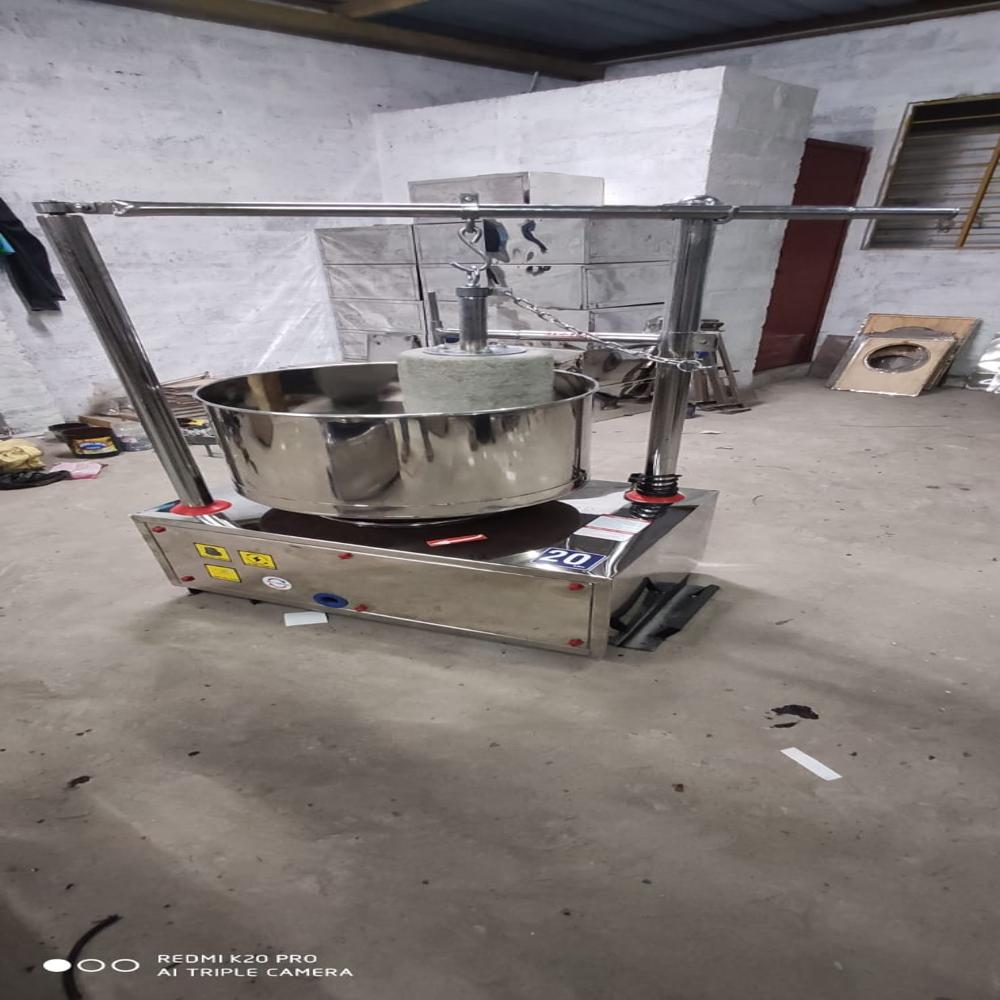
Price 45500.0 INR / Number
Minimum Order Quantity : 1 Number
Speed Mode : Fixed
Machine Type : ELECTRICAL
Capacity : 20 Ltr
Warranty : 1 YEAR FOR MOTOR
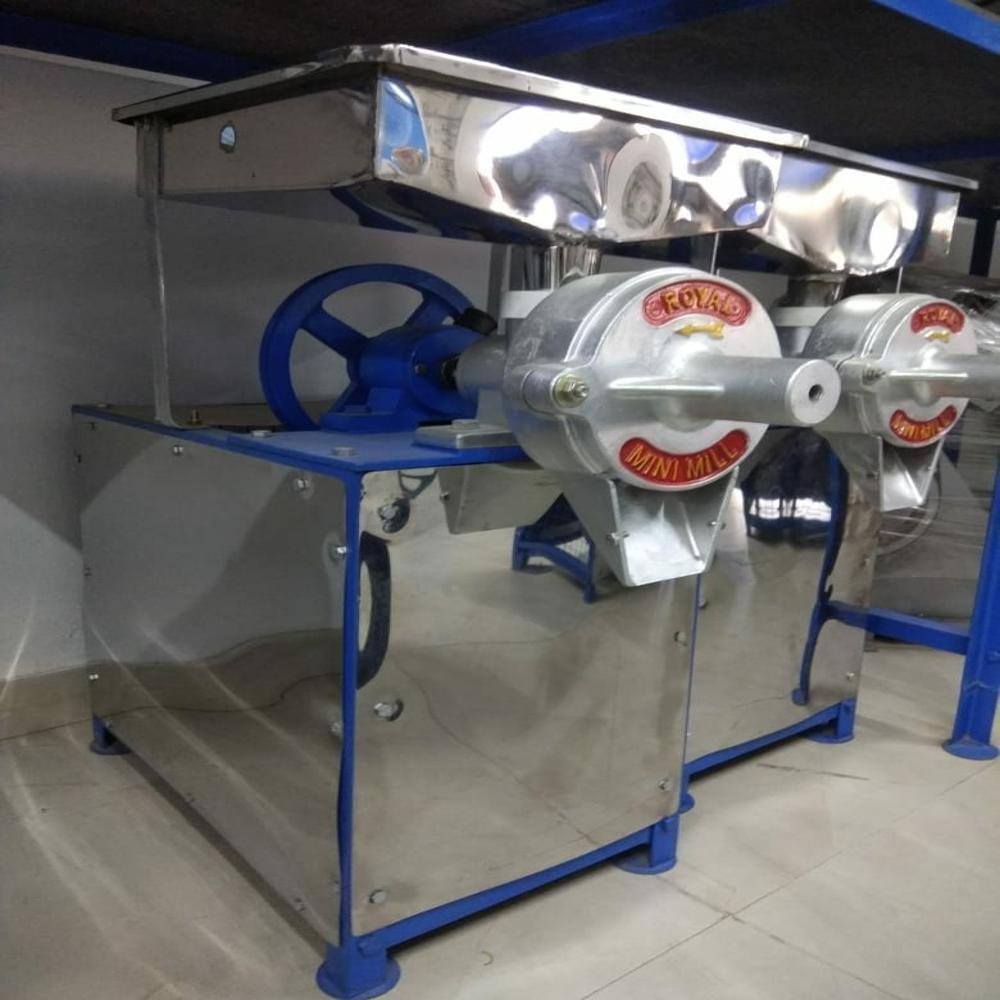
Price 31000.0 INR / Number
Minimum Order Quantity : 1 Number
Speed Mode : Fixed
Machine Type : ELECTRIC
Capacity : 40 Kg/hr
Warranty : 1 YEAR FOR MOTOR
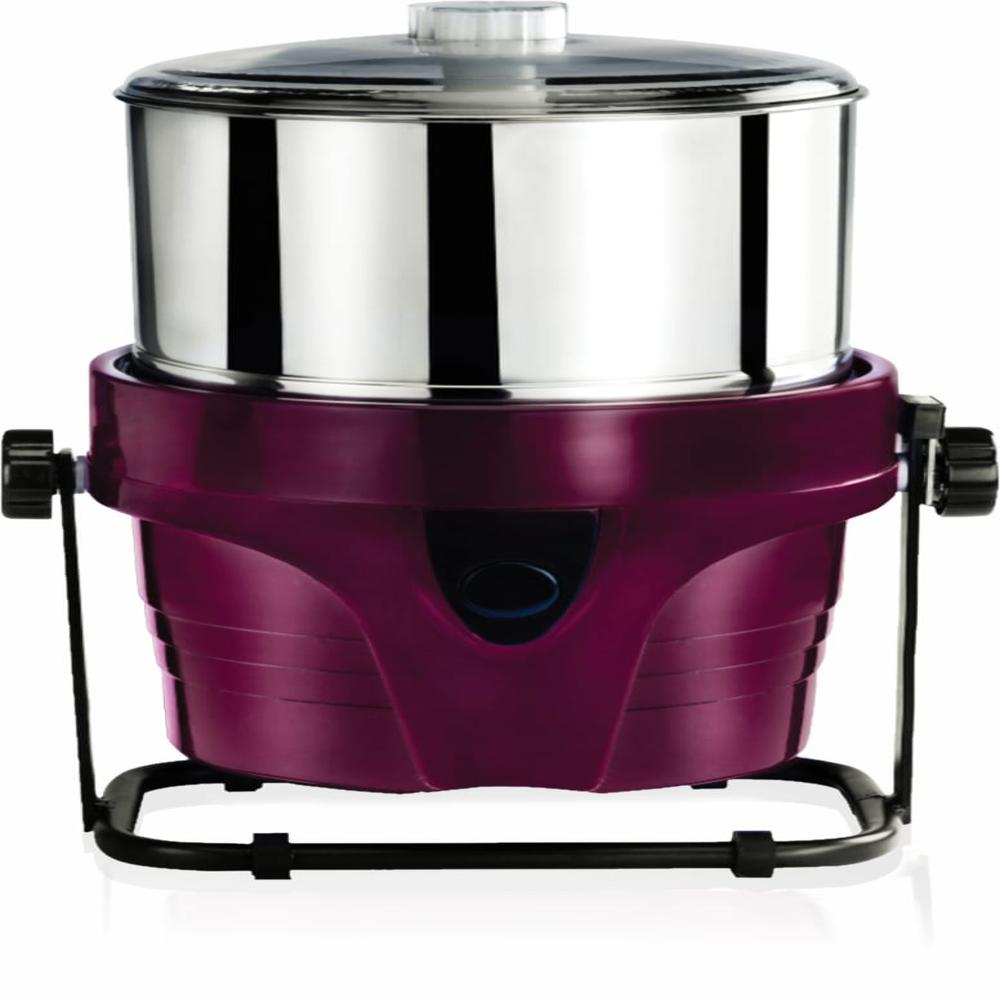
Price 6500.0 INR / Number
Minimum Order Quantity : 1 Number
Speed Mode : Fixed
Machine Type : ELECTRICAL
Capacity : 2 Ltr
Warranty : 1 YEAR FOR MOTOR

 Send Inquiry

 Send Inquiry