


Talk to us
08071280101
Talk to us
08071280101
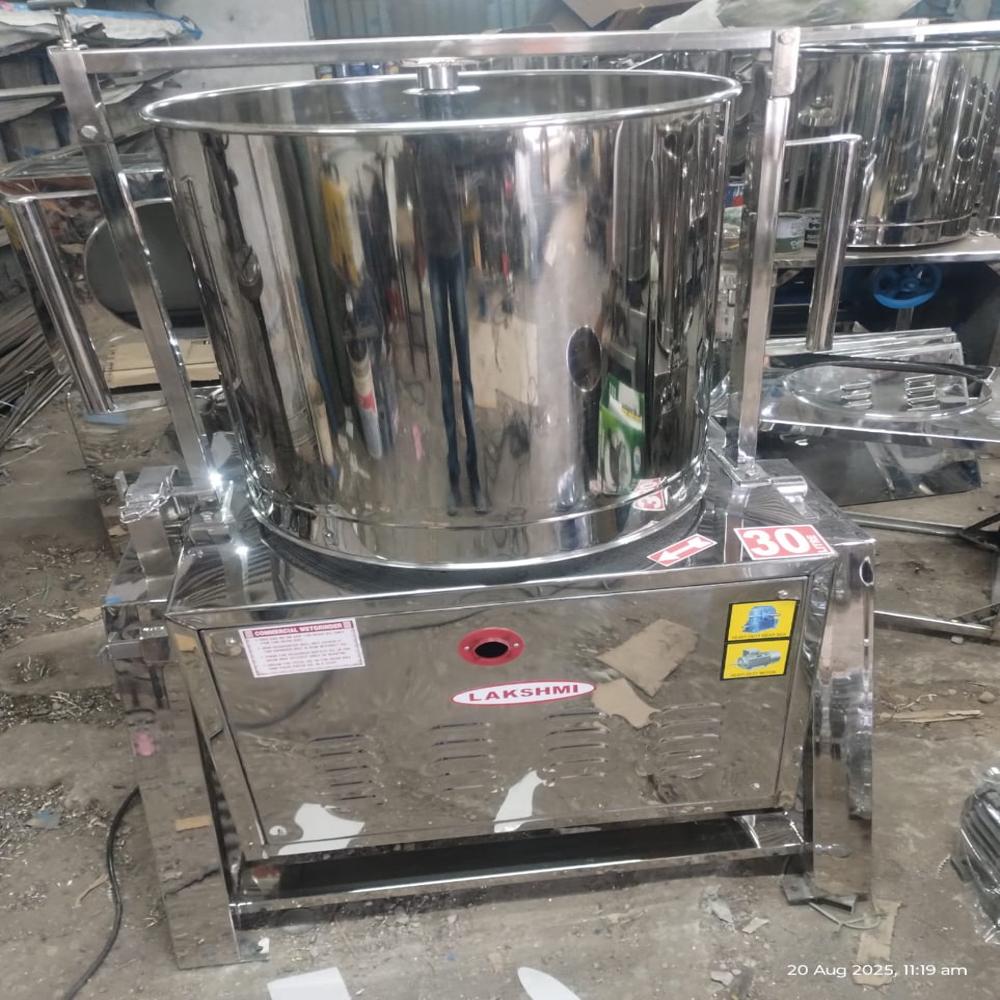
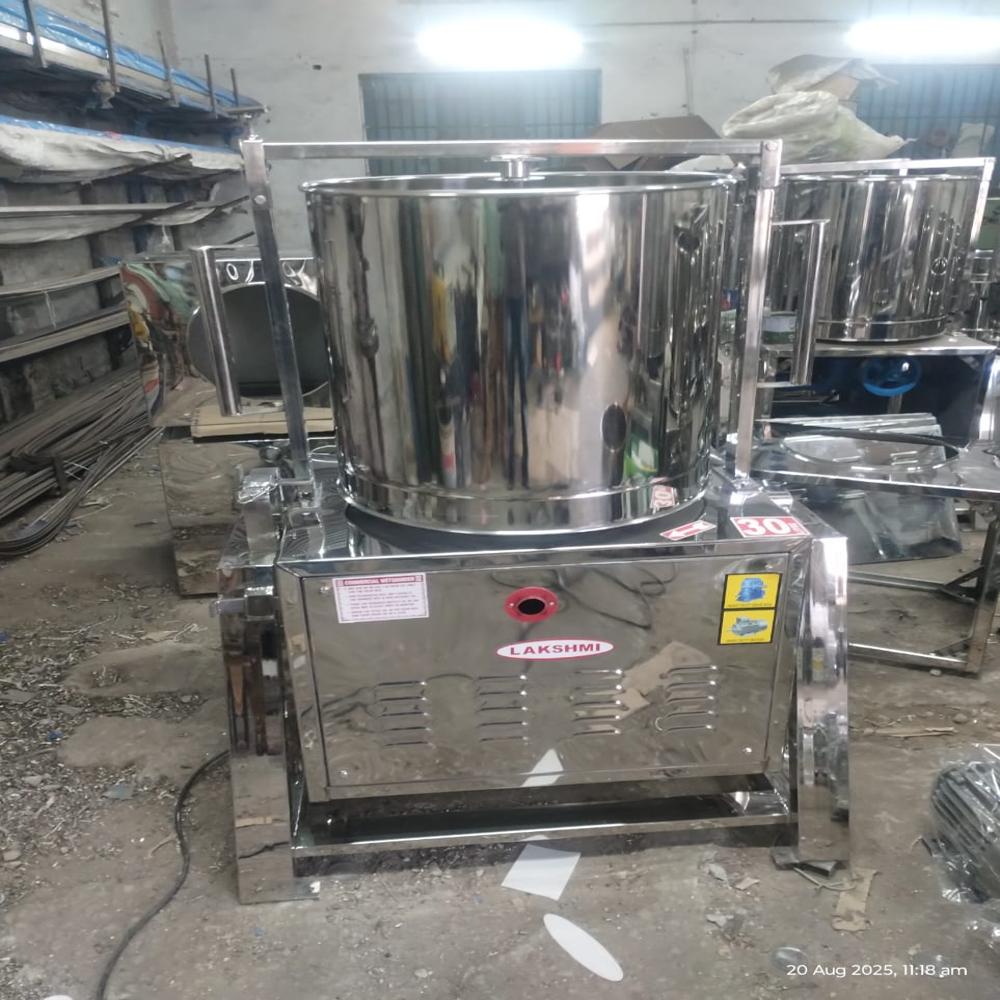
The commercial tilting wet grinder represents a definitive pinnacle in food processing engineering, bridging the gap between traditional food preparation techniques and modern industrial efficiency. Developed extensively in manufacturing hubs like Coimbatore, Tamil Nadu, these machines have revolutionized how high-viscosity food emulsionssuch as rice, lentil batters, nut butters, and chocolate pastesare processed at scale.
Historically, wet grinding required immense manual labor, heavy physical lifting of stone elements, and tedious cleanup cycles that caused significant downtime in commercial kitchens. The modern tilting wet grinder solves these constraints through advanced mechanical leverage, durable metallurgy, and optimized industrial powertrains.
The comprehensive engineering and operational analysis below details the structural and mechanical framework of industrial tilting wet grinders, organized into seven primary technical dimensions.
The foundational architecture of a commercial tilting wet grinder is engineered to handle massive static and dynamic loads. When scaling from small domestic operations to large commercial batches, the weight of the raw ingredients, added water, internal granite grinding stones, and the stainless steel drum creates a high-mass system that puts immense structural stress on the appliance's frame.
The skeleton of a professional tilting grinder is constructed from heavy-duty, thick-walled Mild Steel (MS) channels or structural AISI 304 Stainless Steel square hollow tubes. This framework is typically assembled into a rigid "A-frame" or rectangular base geometry using full-penetration structural welding. This geometric layout distributes the operational weight evenly across the shop floor and prevents the frame from twisting or flexing when the motor delivers high starting torque to a fully packed drum.
To withstand the damp, high-humidity conditions of commercial washdown zones, mild steel frames are treated with multi-coat anti-corrosion primers and finished with industrial-grade epoxy coatings. Stainless steel variants undergo automated surface passivation to ensure absolute resistance to organic food acids and chlorinated sanitizers.
The definitive operational advantage of a tilting wet grinder over a fixed-drum model is its ergonomic, high-efficiency product evacuation system.
The Pillow Block Pivot Assembly: The grinding drum is suspended on a solid, high-tensile steel horizontal shaft supported on both sides by heavy-duty pillow block ball bearings. These bearings allow the drum to pivot forward smoothly to an angle of 90 to 115 degrees.
Ergonomic Leverage: Because a fully loaded commercial drum can weigh anywhere from 40 kg to over 90 kg, the tilt axis is mathematically positioned directly in line with the assembly's center of gravity. This counterbalanced design minimizes the physical effort required by operators to tip the machine.
Locking Mechanisms: During a live grinding run, the drum is secured completely upright by a dual-locking system consisting of a spring-loaded primary indexing pin and a heavy-duty, threaded mechanical hand-wheel that clamps the tilt shaft rigid to eliminate swaying.
When processing food at a commercial scale, choosing the right contact materials is critical. The structural components of a tilting wet grinder are selected to ensure maximum mechanical durability, resistance to chemical wear, and strict compliance with global food safety standards.
The cylindrical walls of the grinding drum are formed from high-gauge, deep-drawn AISI 304 food-grade stainless steel. This austenitic alloy contains high concentrations of chromium and nickel, making it immune to pitting, rusting, and stress corrosion cracking caused by water and the natural lactic acids produced during extended batter fermentation.
The interior surface of the drum undergoes automated mechanical polishing to achieve a mirror finish. This ultra-smooth finish minimizes product adhesion during discharge, reduces drag forces, and completely eliminates microscopic pits where bacterial biofilms could find lodging.
The floor of the drum features a thick, single piece of premium-grade, deep-quarried natural granite stone embedded directly into the stainless steel housing.
| Material Component | Engineering Specification | Role in Commercial Grinding |
| Natural Granite Core | Zero-bore, high-density stone | Provides an ultra-hard grinding floor that resists chipping, flaking, or shedding mineral dust under immense friction. |
| Stainless Steel Outer Shell | Heavy-gauge AISI 304 jacket | Encases the stone base completely to prevent liquid from seeping underneath the granite. |
| Interfacing Gaskets | High-density Teflon or Viton | Seals the boundary between the stone floor and steel walls, eliminating dead zones where batter could stagnate and spoil. |
Driving a heavy, dense commercial grinding load requires a robust powertrain capable of delivering high starting torque and maintaining consistent rotational kinetics over hours of continuous operation.
The powertrain centers around a heavy-duty industrial induction motor, typically rated from 1.0 HP up to 3.0 HP depending on the specific volumetric capacity of the machine. For commercial setups, these motors are ideally configured for a 415V three-phase industrial supply to provide superior starting torque and balanced electrical loads, though single-phase 220V options are widely manufactured for standard commercial lines.
The motor windings feature Class F or Class H insulation, which are rated to withstand internal temperatures. This preventing the insulation from breaking down during extended back-to-back production cycles. The motor housing uses a Totally Enclosed Fan Cooled (TEFC) design, forcing ambient air over exterior cooling fins to dissipate heat efficiently.
Because standard induction motors run at high native speeds and wet grinding requires a much slower, high-torque rotation, a mechanical reduction system is essential.
Multi-V-Belt Drive System: Power is transferred from the motor shaft to the main drum pulley via a dual or triple V-belt system . Using multiple belts ensures that if one belt slips or breaks mid-cycle, the remaining belts can carry the load, preventing an expensive breakdown during a live production run.
Rotational Speed Optimization: The pulley ratios step down the speed to a stable drum rotation . This speed range provides the ideal balance of centrifugal force: it keeps the ingredients moving across the stone paths without spinning them so fast that they fly out of the drum or overheat from excessive friction.
The core grinding action relies on complex three-dimensional kinematics between the rotating drum floor and the independent rotation of heavy granite roller stones.
Commercial tilting wet grinders employ either a heavy-duty dual-stone or a high-efficiency triple-stone configuration. These granite rollers are carved into precise conical or cylindrical profiles and mounted onto a rigid central top bridge arm assembly. As the motor turns the drum floor, the friction generated between the stone surfaces and the ingredients forces each roller to rotate independently on its own axis.
This configuration creates a dual mechanical action: a compressive crushing force directly beneath the massive weight of the stones, and a differential shearing action across the stone faces. The crushing action pulverizes hard grains, while the shearing action shreds fiber structures and smooths the emulsion.
To manage a wide variety of food ingredients, the downward pressure applied by the stones must be carefully controlled.
Commercial grinders feature an adjustable, spring-loaded or heavily weighted pressure lock on the top arm bridge. This allows operators to manually tighten or loosen the assembly to adjust the downward force based on what they are grindingwhether it's high pressure for hard parboiled rice or lighter pressure for delicate lentils.
Additionally, adjustable food-grade Teflon (PTFE) or Delrin scraper wipers are positioned along the inner walls and center hub of the drum. These wipers continuously redirect escaping grains back under the rollers, ensuring a fast, highly uniform grind across the entire batch.
Operating an industrial tilting wet grinder requires careful management of mass balances and fluid behavior to optimize both batter texture and daily production throughput.
The volumetric designation of a tilting grinder refers to the maximum volume of finished, fully aerated batter the machine can safely hold without spilling over the rim during operation. To achieve this output, operators load dry ingredients and water at a highly regulated ratio.
During the grinding cycle, the intense mechanical rotation and rolling stones continuously trap microscopic air bubbles within the mixture. This high aeration causes the volume of the batter to expand significantly, ensuring the final batch yield reaches the maximum rated capacity of the drum while remaining light, fluffy, and perfectly structured for natural fermentation.
The high mechanical efficiency of the motor, combined with the immense weight of the granite stones, allows for rapid size reduction:
Processing Times: Standard rice batter batches wrap up in 25 to 35 minutes, while lighter lentil batches take just 15 to 20 minutes.
Micro-Particle Target: The machine consistently narrows down the particle size distribution , providing a smooth texture completely free of grit.
Thermal Management: Because hot batter can kill wild yeasts and ruin the fermentation process, the low-RPM transmission is designed to keep batch temperatures safely below 38C (100F) throughout the entire cycle. This protective thermal ceiling preserves natural starches and enzymes for an optimal rise.
Operating a heavy-duty electrical appliance in wet commercial kitchens requires strict, multi-layered safety protocols to protect workers from injury and maintain high sanitary standards.
[ Given that wet grinders operate in environments with constant water usage, the electrical systems must be completely isolated. The motor and switchgear are housed in enclosures rated at IP55 or higher, shielding them from low-pressure water jets and airborne dust.
The main control panel features a prominent, red mushroom-head Emergency Stop Switch for instant power cut-off. Additionally, No-Volt Release (NVR) switches and Miniature Circuit Breakers (MCBs) protect the motor from automatic restarts after power outages and prevent damage from over-current faults or phase imbalances.
To keep operators safe from heavy rotating components, the belt drive assembly is fully enclosed in a rigid sheet metal guard. The grinding drum can also be fitted with an optional stainless steel mesh lid equipped with a safety interlock switch; if the lid is lifted during operation, the motor stops instantly.
From a sanitation standpoint, the tilting frame serves as a foundational Clean-in-Place (CIP) feature.
Once a batch is emptied, operators can tilt the drum forward to flush the interior with water and cleaning solutions, allowing waste to drain directly into floor channels without tedious disassembly.
While primarily used in South Asian commercial kitchens for idli and dosa batter, the heavy-duty design of the tilting wet grinder makes it highly adaptable for a variety of food processing tasks across multiple industries.
The high-pressure crushing and shearing actions of the granite stones enable the machine to handle a wide range of dense, challenging ingredients:
Artisan Chocolate Production: Functions as a commercial chocolate melanger and refiner, running continuously for 24 to 48 hours to grind raw cacao nibs and sugar crystals down to an ultra-smooth, sub-20-micron chocolate paste.
Commercial Nut Butters: Emulsifies massive batches of roasted peanuts, almonds, or cashews into smooth, pourable nut butters, using the heavy stone rollers to quickly release natural oils.
Mass Spice and Paste Prep: Crushes fibrous roots and spices into aromatic ginger-garlic pastes and curry bases for industrial catering, preserving volatile oils by avoiding heat damage.
To keep a commercial tilting wet grinder running reliably year after year, kitchen engineers should follow a structured maintenance checklist:
Bearing Lubrication: Grease the main tilt-axis pillow block bearings every three to six months using food-grade lubricants to prevent friction wear from moisture exposure.
Belt Tensioning: Check drive belt tension monthly. Adjusting the motor mount position prevents belt slippage, ensuring efficient power transfer and extending belt life.
Stone Dressing: Periodically re-groove or "dress" the granite rollers as they wear smooth over time. Keeping the surface texture sharp maintains fast grinding speeds and high energy efficiency.
By combining heavy-duty construction with user-friendly tilting mechanics, reliable safety features, and multi-use versatility, the tilting wet grinder stands out as an essential, high-performance workhorse built to deliver top-tier performance for high-volume commercial food production.
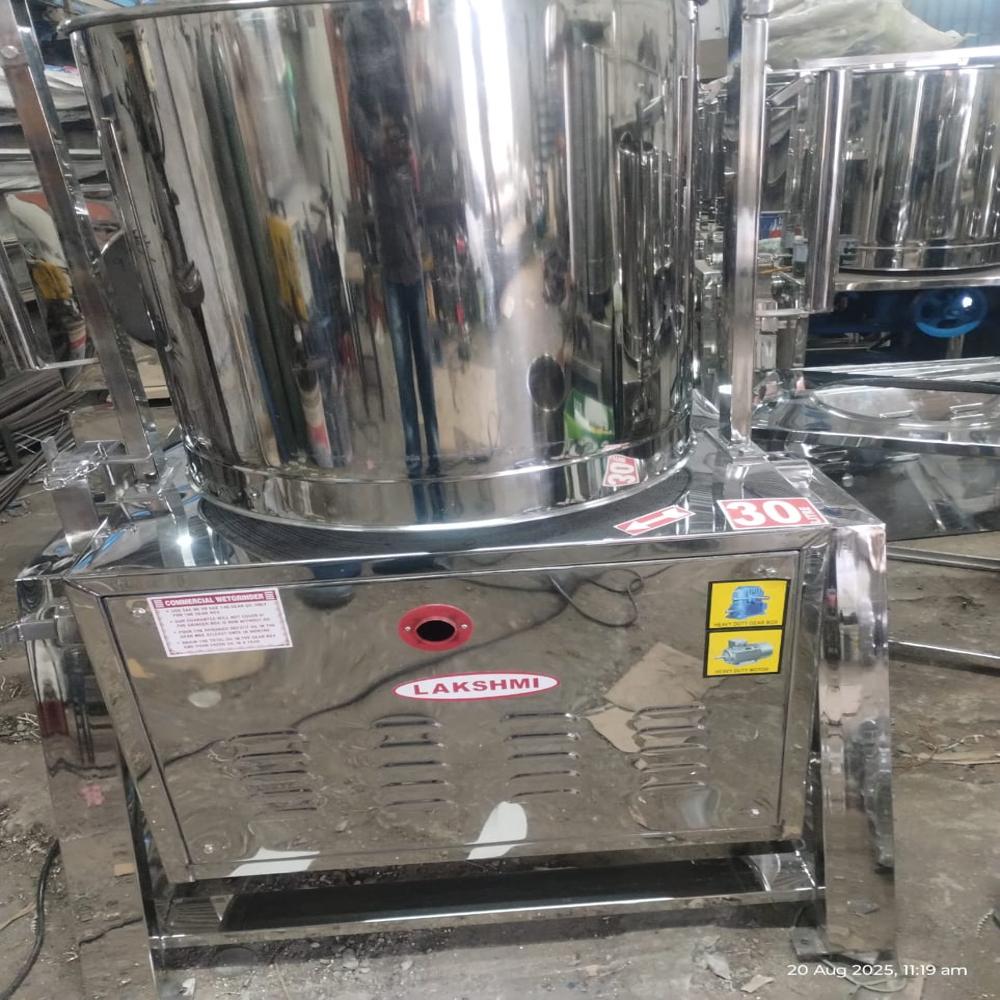
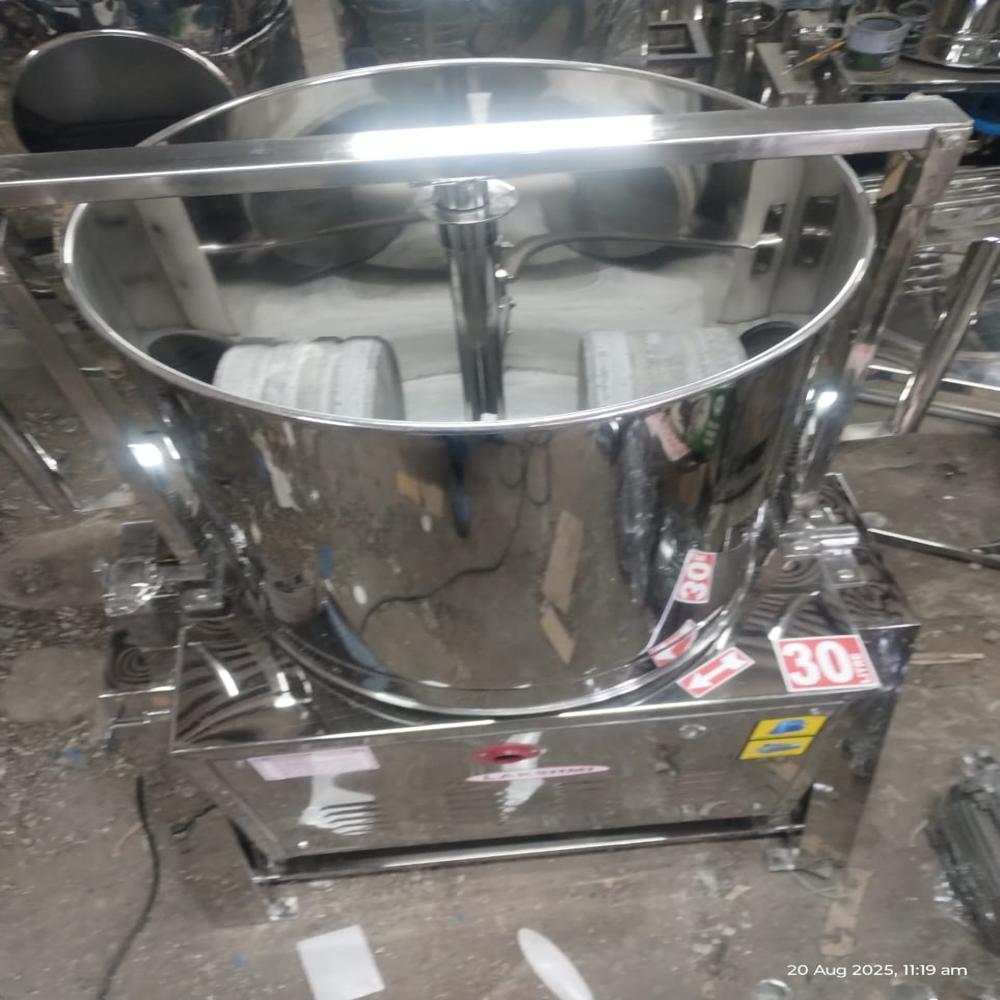

Price:
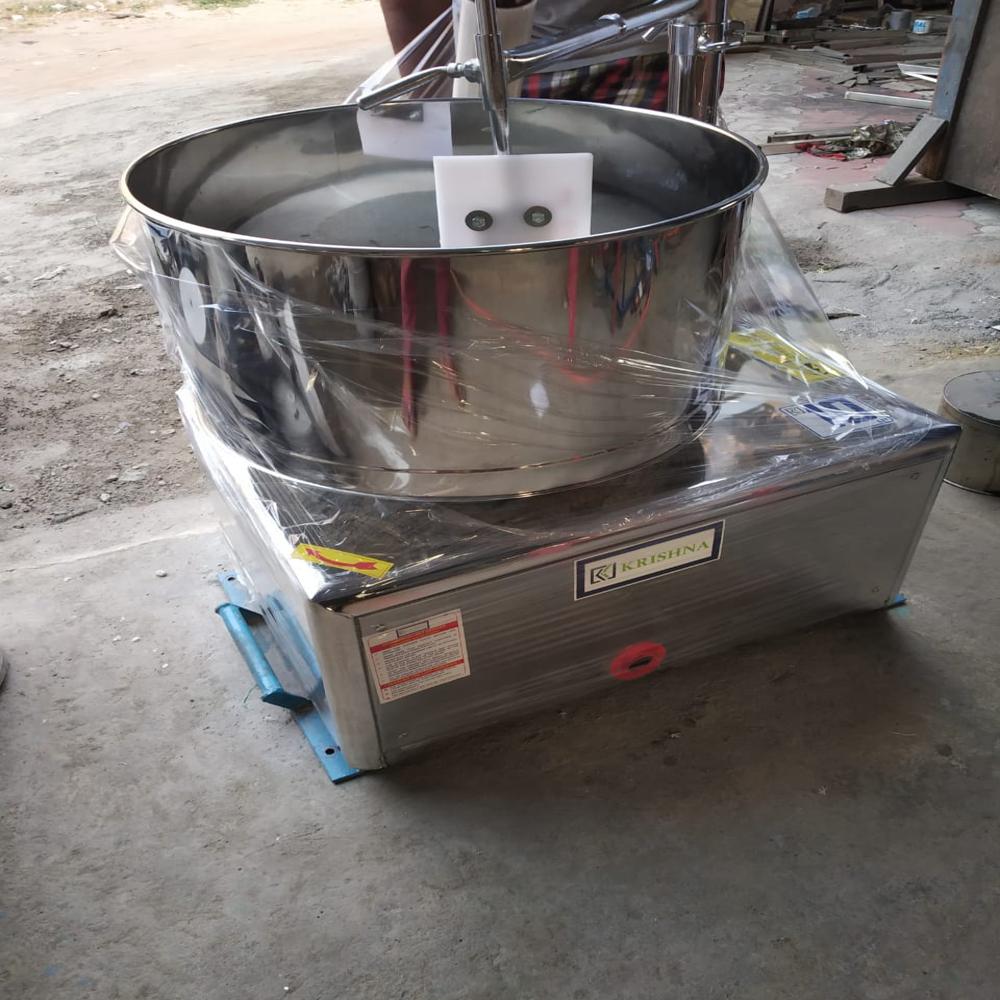
Price 26000.0 INR / Piece
Minimum Order Quantity : 1 Piece
Capacity : 10 Ltr
Speed Mode : Fixed
Dimension (L*W*H) : 38*25*42 (approx) Inch (in)
Raw Material : Rice
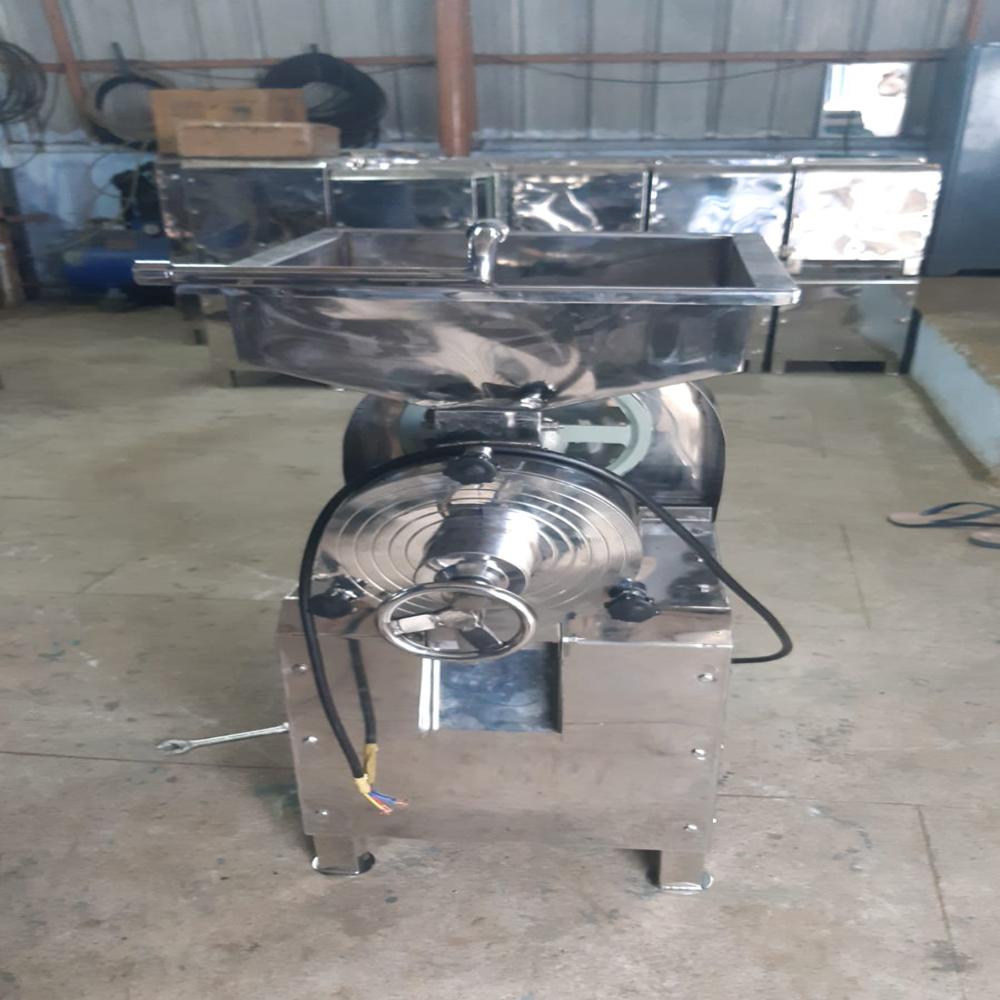
Price 41700.0 INR / Number
Minimum Order Quantity : 1 Number
Capacity : 6080 Kg/hr
Speed Mode : Fixed
Dimension (L*W*H) : 28*20*40(approx) Inch (in)
Raw Material : Wheat
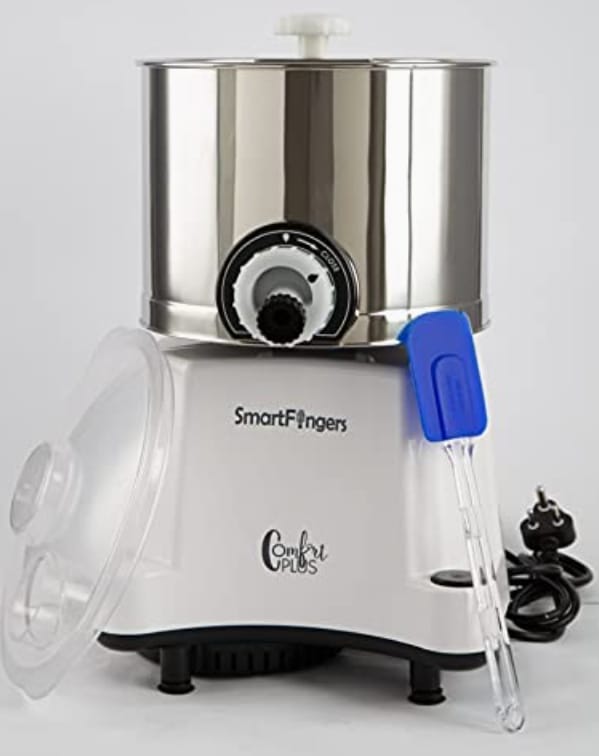
Price 9500.0 INR / Piece
Minimum Order Quantity : 1 Piece
Capacity : 2 Ltr
Speed Mode : Fixed
Dimension (L*W*H) : 11*12*19 (approx) Inch (in)
Raw Material : Rice
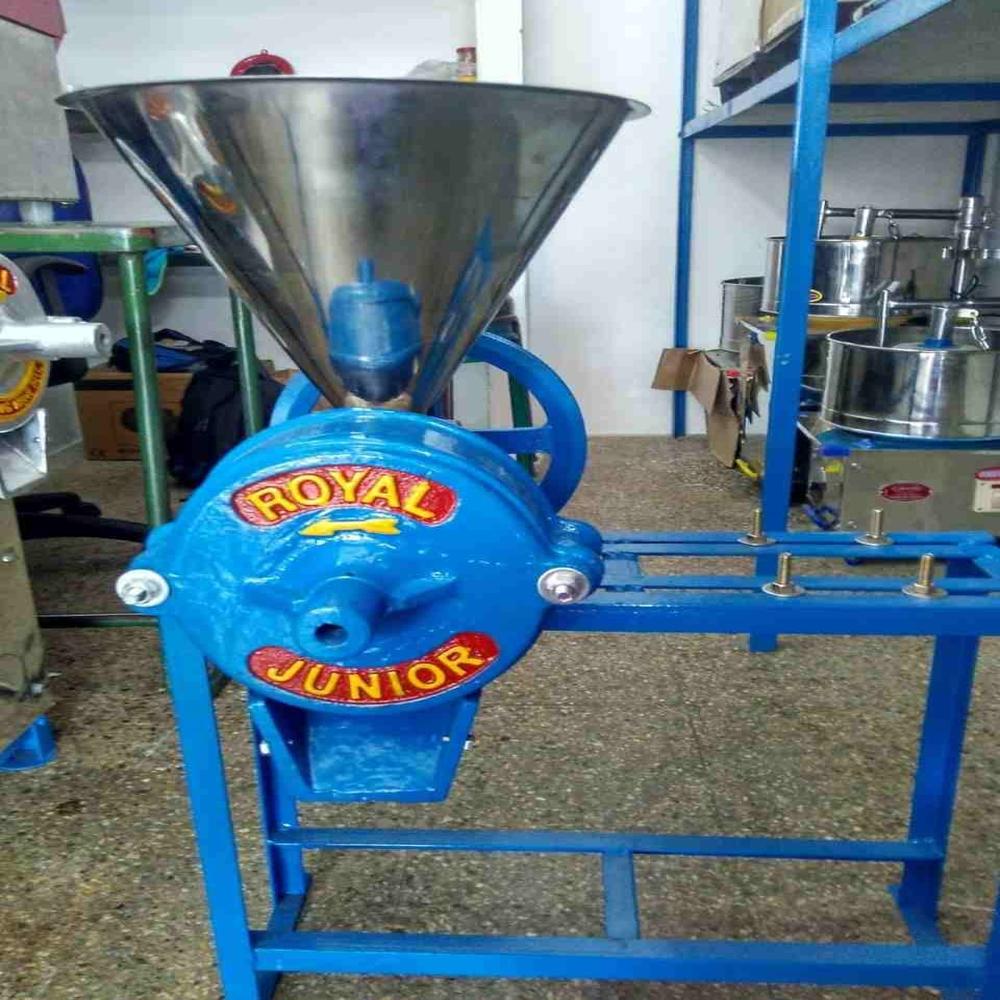
Price 24000.0 INR / Number
Minimum Order Quantity : 1 Number
Capacity : 2030 Kg/hr
Speed Mode : Fixed
Dimension (L*W*H) : 22*28*35 (approx) Inch (in)
Raw Material : Wheat

 Send Inquiry

 Send Inquiry