


Talk to us
08071791510
Talk to us
08071791510
The global poultry processing sector relies heavily on speed, hygiene, and meat quality. Small-to-medium-scale poultry enterprises, specialized organic farms, and regional processing facilities operate in a throughput zone that falls squarely between manual processing and massive, automated inline industrial complexes. The 20-bird capacity chicken feather cleaning machine (known across the industry as a commercial tub plucker, barrel plucker, or batch defeathering unit) is the optimized mechanical pinnacle for this specific tier.
This machine is a high-throughput, centrifugal-mechanical batch processor engineered to completely strip the feathers from up to 20 broilers, layers, or ducks in a single operational cycle lasting between 3 to 5 minutes. By replacing labor-intensive manual plucking, machinery achieves an exponential increase in processing speed while maintaining skin integrity and minimizing carcass contamination risks.
At its core, the 20-bird capacity plucker utilizes a precisely balanced combination of centrifugal force, mechanical abrasion via specialized food-grade rubber or elastomer "fingers," and a continuous water flush. The equipment is manufactured exclusively from high-grade stainless steel to survive the corrosive, wet, and chemically intensive environments of modern food processing plants. This comprehensive document provides an end-to-end breakdown of its design architecture, engineering specifications, mechanical principles, operational protocols, maintenance, and economic impact.
The durability and performance of a 20-bird defeathering machine depend heavily on its structural engineering. Because the machine handles an aggregated dynamic weight of 40 to 60 kilograms of livestock per batch under high rotational speeds, structural rigidity and vibration dampening are critical.
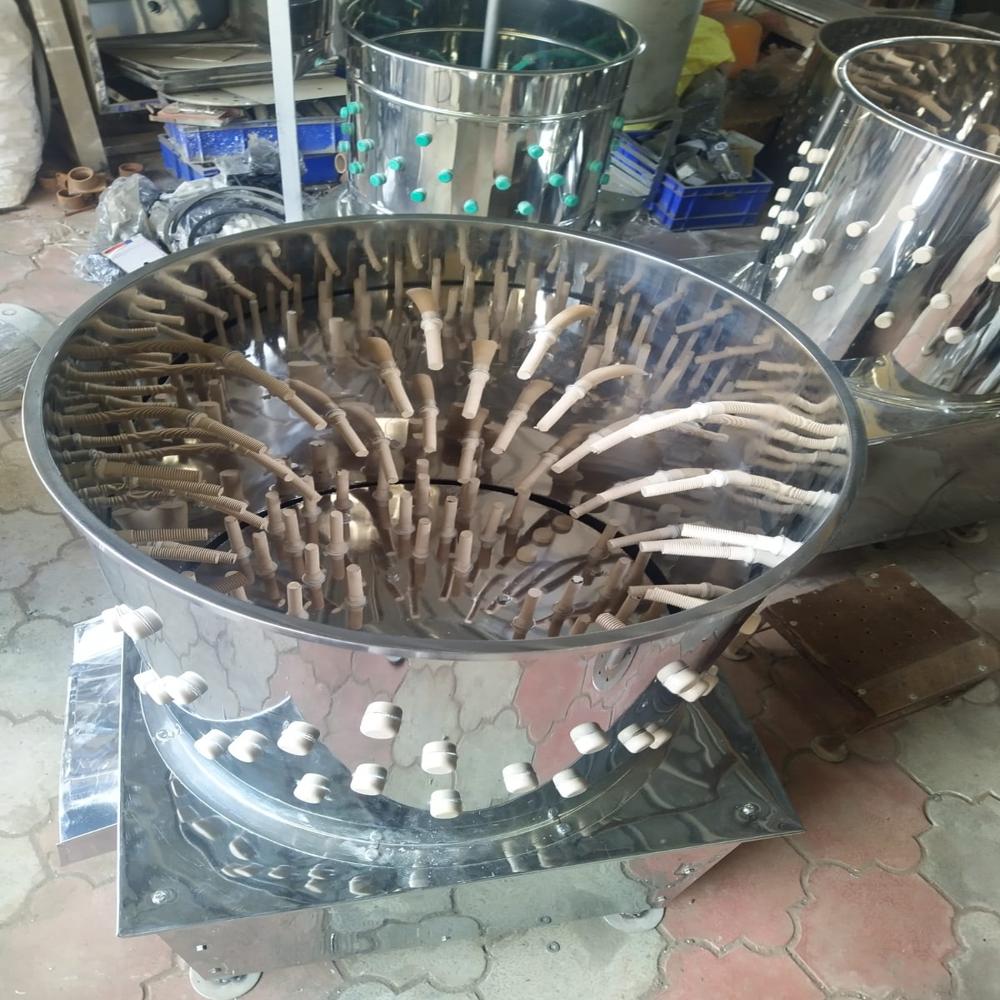
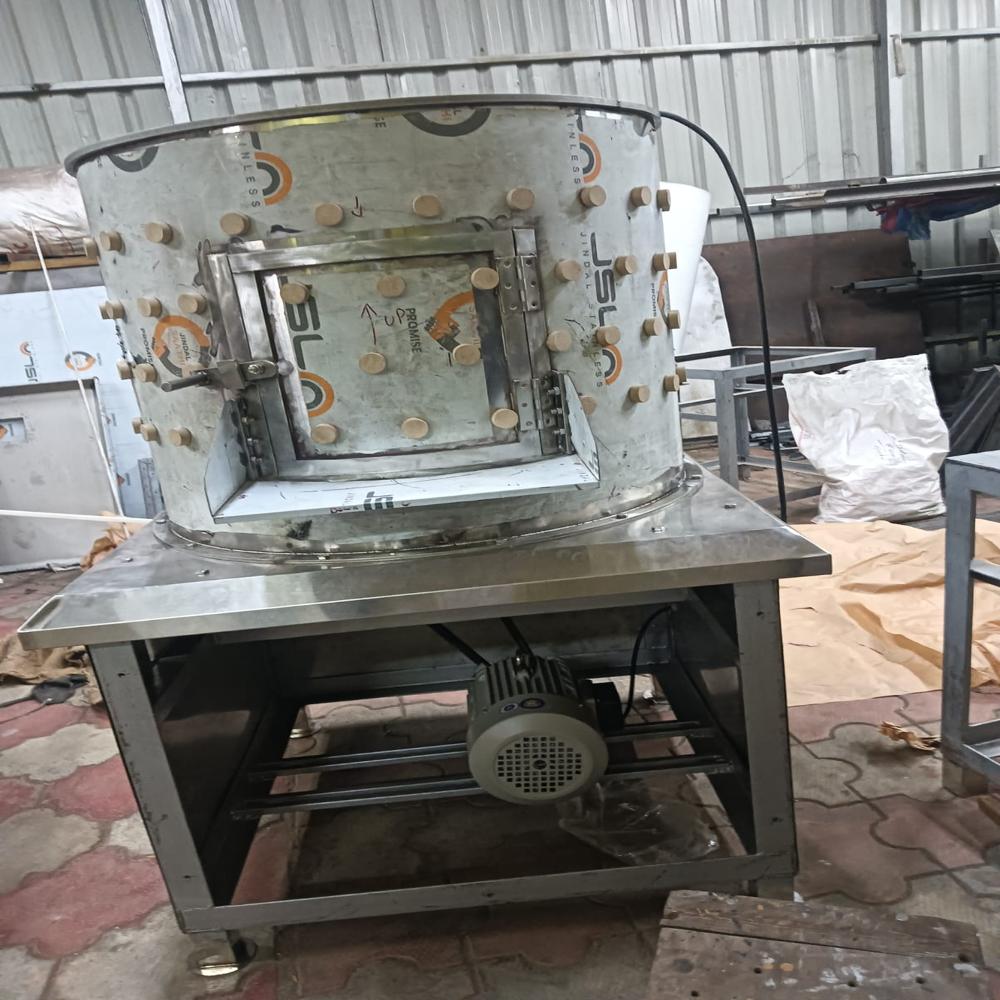
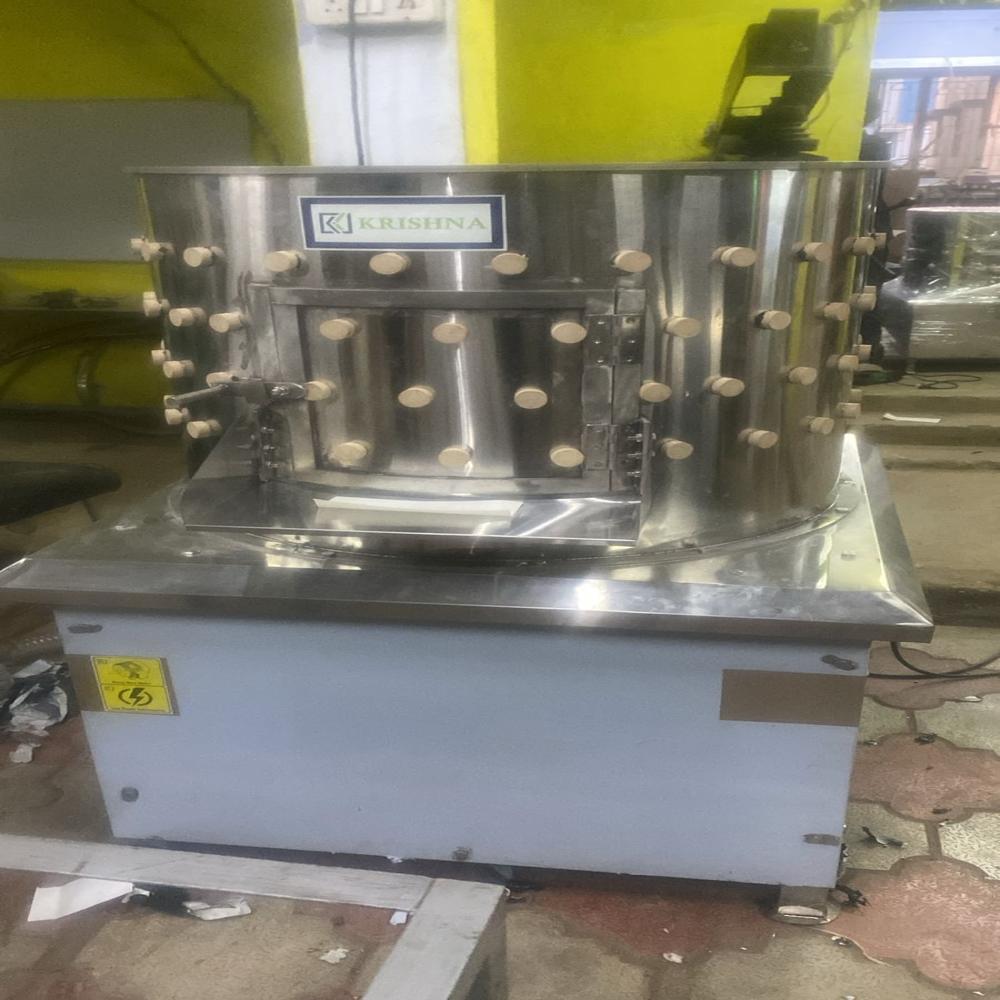
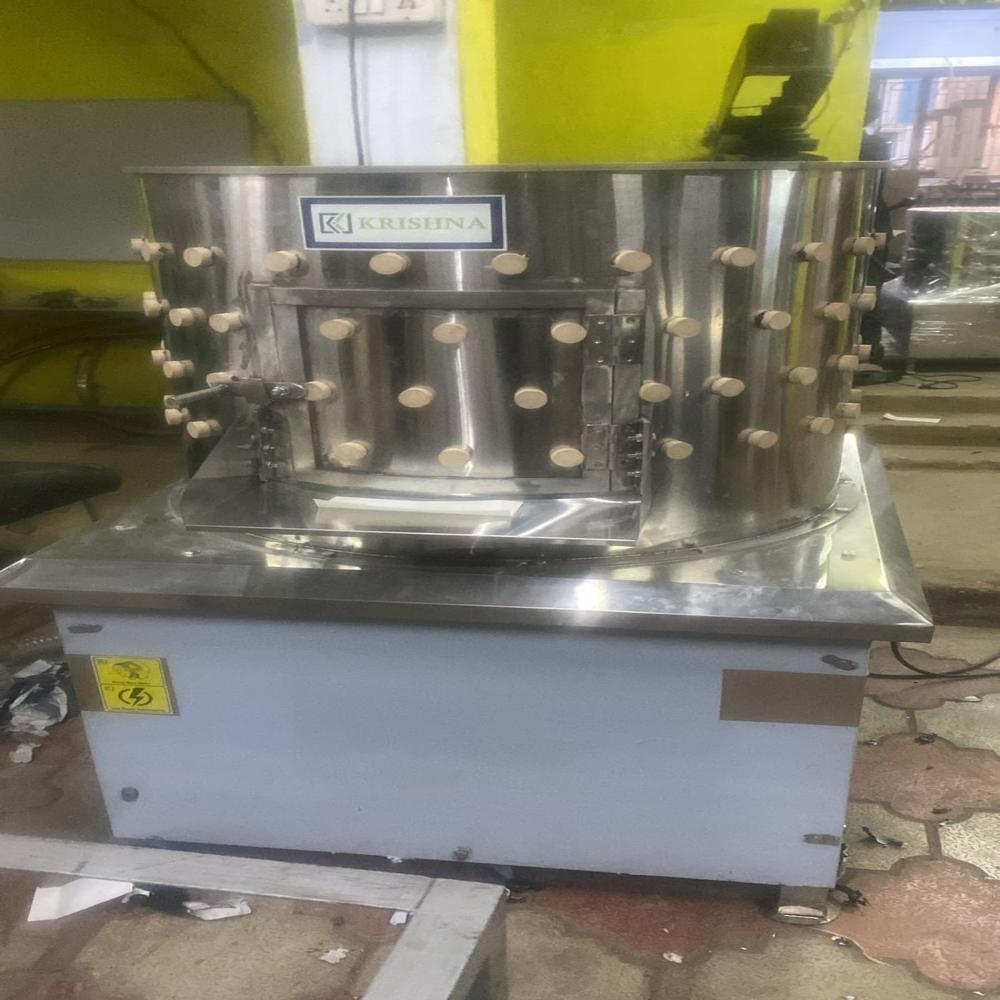
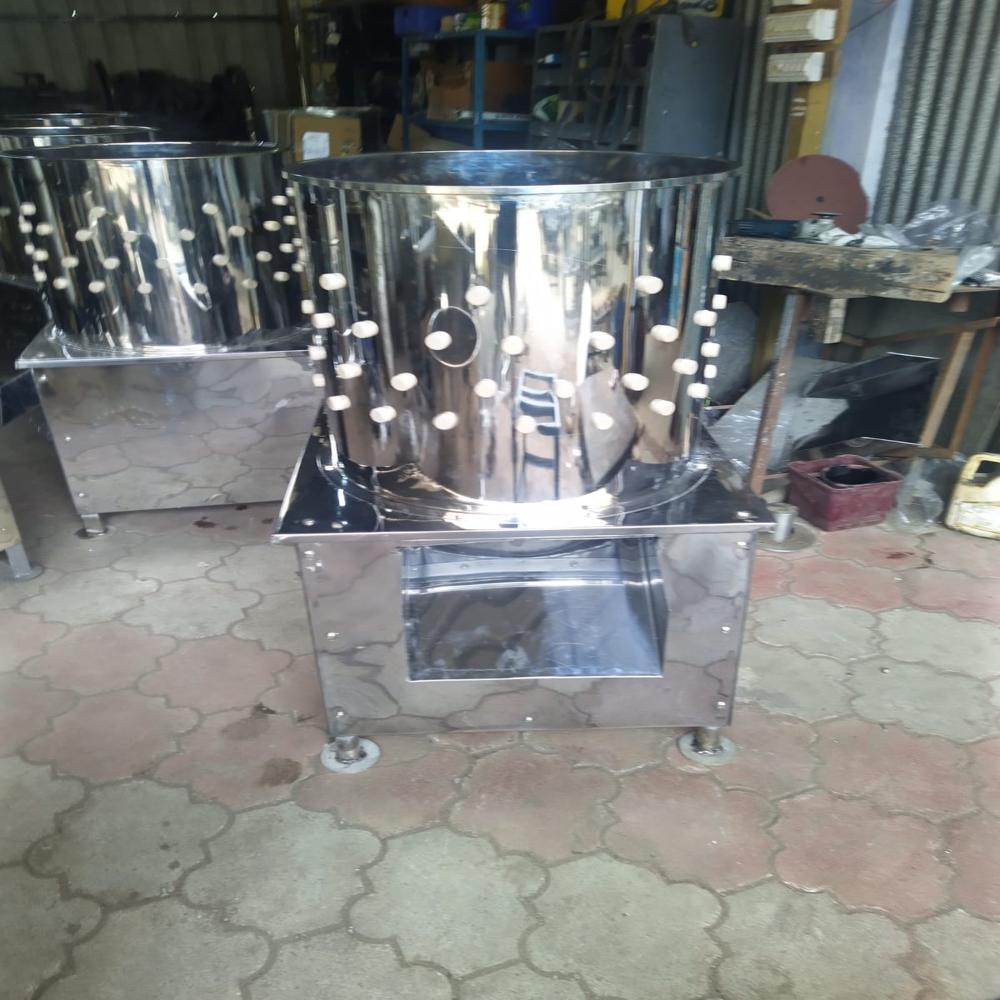
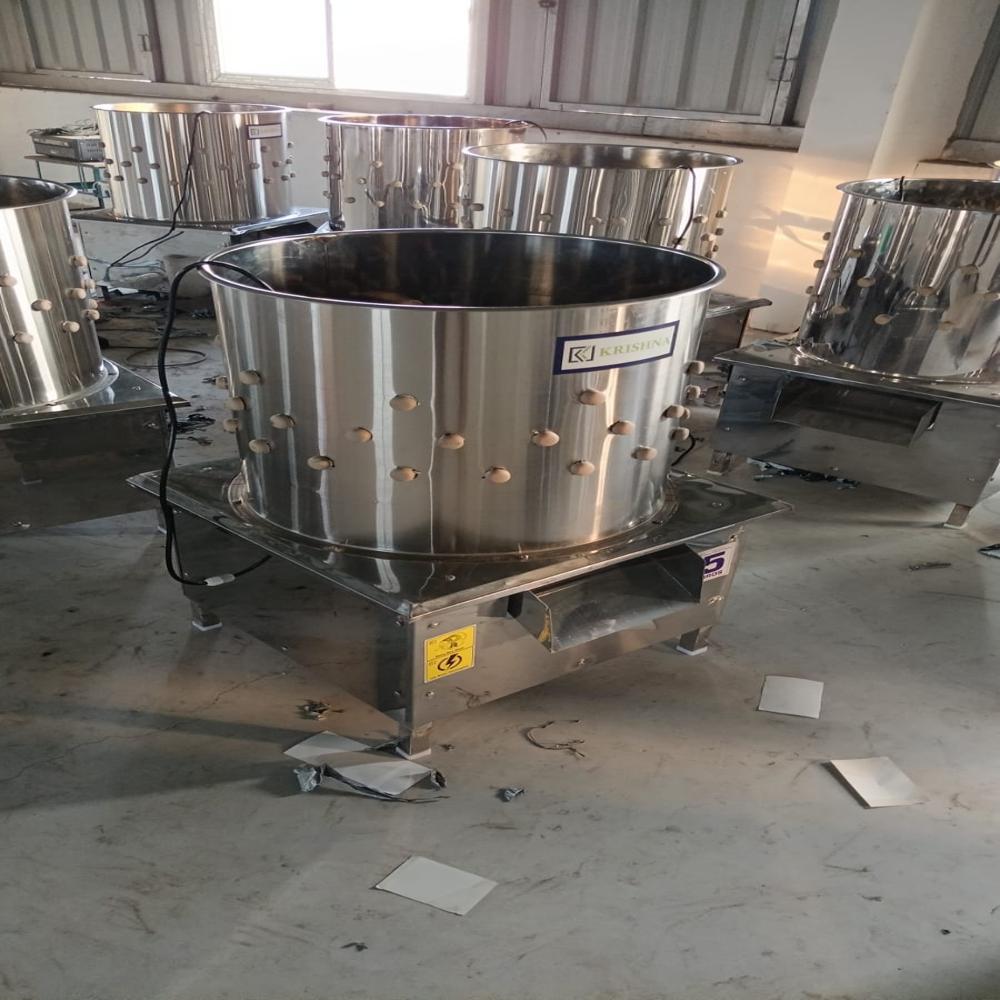
The outer structure consists of a stationary vertical cylinder, or drum, mounted upon a rigid box chassis.
Material Composition: The drum, chassis, and bottom spin plate are fabricated using Stainless Steel. This alloy provides exceptional resistance to organic acids, blood, water, and chlorinated sanitizing agents.
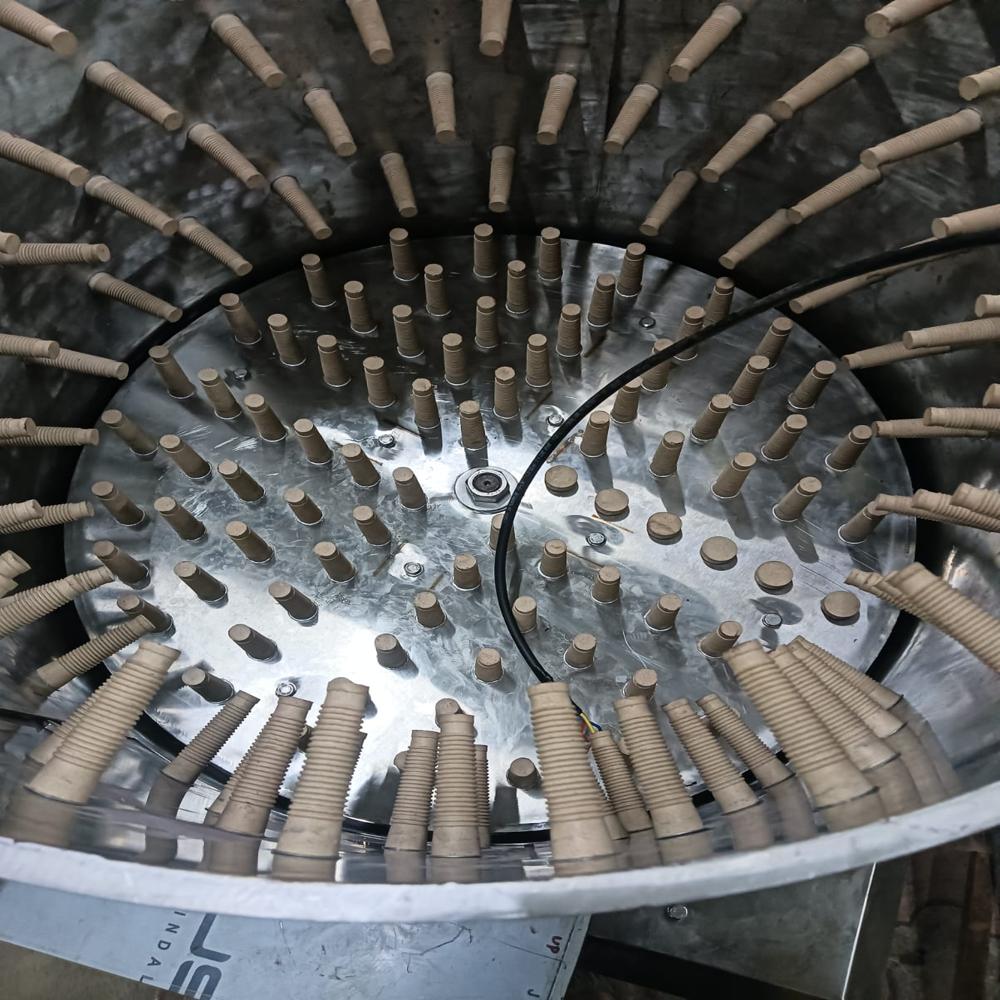
The Bottom Spin Plate (Feather Plate): At the base of the stationary drum sits a rotating disc, separated from the drum walls by a highly precise tolerance gap of 1.5 mm to 2.5 mm. If this gap is too wide, the hocks or wings of the birds can become trapped and sheared; if too narrow, structural deflection under load causes catastrophic metal-on-metal friction.
Rotating a heavy batch of birds from a dead stop requires high starting torque and robust mechanical power transmission.
The Electric Motor: The system is powered by a heavy-duty induction motor. Because the machine operates in a wet environment, the motor must carry a minimum ingress protection rating , shielding it against high-pressure water jets from all directions.
Transmission Mechanisms: Direct-drive systems are rarely used in this capacity class due to the high shock loads transmitted back to the motor shaft when birds are dropped into the drum. Instead, a dual or triple V-belt drive system combined with a heavy-duty reduction gearbox is utilized. The belt drive acts as a mechanical fuse; if a jam occurs, the belts slip rather than burning out the motor or snapping the drive shaft.
Rotational Velocity: The reduction system brings the bottom plate's speed down to an optimized range of 180 RPM to 240 RPM (Rotations Per Minute). This velocity generates sufficient centrifugal force to slide the birds along the walls without inducing blunt force trauma that fractures bones or bruises the breast meat.
The true work of the defeathering machine is performed by the rubber plucking fingers. Their material composition, geometric profile, durometer rating, and spatial distribution dictate whether a machine delivers pristine, market-ready poultry or damaged, unsellable carcasses.
Plucking fingers cannot be made of standard commercial rubber, which degrades rapidly when exposed to animal fats, blood, and warm water.
Polymer Type: High-grade fingers are manufactured from natural rubber blends, food-grade neoprene, or polyurethane elastomers. These materials are certified free of toxic plasticizers and heavy metals, meeting international food safety compliance standards (such as FDA 21 CFR 177.2600).
The Durometer Scale: Hardness is measured via the Shore A scale. For a 20-bird capacity machine processing standard broilers, the optimal hardness is 45 to 55 Shore A.
Too Hard ($\ge 65$ Shore A): The fingers lack elasticity, fracturing wings, breaking legs, and tearing the delicate skin of the breast and thighs.
Too Soft ($\le 35$ Shore A): The fingers bend completely flat under the weight of 20 birds, drastically reducing friction and leaving primary quill feathers fully intact.
Fingers are engineered with specialized surface geometries to maximize feather traction while minimizing skin abrasion.
The Ribbed Profile: The length of the finger features a series of concentric rings or spiral grooves. These ridges catch individual feather shafts, pulling them out by their roots through shear friction.
Tapered vs. Ball Tops: Stationary walls typically use tapered, ribbed fingers to rub against the birds body broadly. The bottom rotating plate often utilizes ball-top or heavily block-grooved fingers to lift and actively flip the carcasses over, ensuring every angle of the bird contacts the friction surfaces.
A 20-bird capacity drum requires an engineered array of anywhere from 180 to 280 fingers, distributed precisely between the stationary cylinder walls and the rotating base plate.
Interlocking Spatial Design: The placement holes are drilled in a helical or staggered matrix pattern. As the bottom plate spins, its fingers pass between the gaps of the wall-mounted fingers without colliding. This creates a matrix of high-frequency friction zones.
Density Distribution: The bottom plate features a higher density of fingers per square inch because it must overcome inertia and propel the birds upward along the walls. The lower third of the drum wall also contains dense finger arrays, while the top third has sparser placement, as birds only reach this height during peak centrifugal lift.
The removal of feathers inside a rotary plucker is a complex thermodynamic and kinematic event. It is not a chaotic thrashing, but a controlled physical process governed by centrifugal force, friction, and fluid dynamics, entirely supported by correct upstream thermal treatment.
When 20 scalded birds are placed onto the spinning base plate, they are accelerated outward by centrifugal force. The magnitude of this force is defined by the physics equation for centripetal acceleration:
where $\omega$ is the angular velocity and $r$ is the radius of the drum. This force pins the birds against the stationary vertical wall of the drum. As the spinning base plate forces the birds forward, the stationary wall creates a counter-acting frictional resistance. This causes the birds to roll, tumble, and spin along their own axes, ensuring that the head, wings, tail, and hocks all receive equal exposure to the friction patterns.
A plucker cannot function dry; it requires a continuous, pressurized water delivery system.
The Spray Ring: A semi-circular or fully circular stainless steel pipe is mounted around the top rim of the drum, pointing downward and inward at a $45\circ$ angle with a series of wide-angle spray nozzles.
Volumetric Flow Rates: The system requires a water supply flowing at a rate of 15 to 30 liters per minute at a pressure of 2 to 3 Bar.
Multi-Functional Hydrodynamics:
Lubrication: Water lubricates the contact points between the rubber fingers and the bird's skin, preventing friction-induced heat buildup that scalds or tears the meat.
Feather Evacuation: Stripped feathers are immediately heavy with water, causing them to fall downward into the tolerance gap, where the rotating plate sweeps them out the discharge chute.
Hygiene: Continuous washing removes blood, loose skin, and fecal matter, preventing surface contamination of the meat during this critical processing step.
A chicken plucker is entirely dependent on the chemical and thermal transformation that occurs during the scalding phase. If the birds are not scalded correctly, even an industrially perfect plucker will fail to remove feathers or destroy the carcass skin. Feathers are held in place by muscle fibers and protein structures within the feather follicle. To extract the quill without tearing the surrounding dermal tissue, these proteins must be thermally denatured, relaxing the follicle's grip on the feather shaft.
Because a 20-bird capacity plucker processes a massive volume simultaneously, a matching 20-bird scalding tank featuring automated digital temperature controls and air-agitation systems is mandatory. The parameters must be held within razor-thin margins:
Operating a 20-bird capacity defeathering machine requires strict adherence to a standardized sequence to maximize safety, efficiency, and meat quality. Given that this equipment combines high-voltage electricity, high-torque rotational components, and a continuously wet processing environment, safety engineering cannot be overstated.
Pre-Operational Mechanical Inspection: Before powering up the system, inspect the inner drum for any broken, cracked, or missing plucking fingers. Replace damaged fingers immediately to maintain uniform friction vectors. Manually rotate the bottom plate to ensure no foreign objects are jammed in the tolerance gap, and verify that the feather discharge chute is clear of residual waste.
System Activation and Water Flow Control: Turn on the main water supply valve to the overhead spray ring, ensuring all nozzles are clear and providing a uniform, downward curtain of water. Activate the electrical control panel and engage the motor. The bottom plate will spin up to its operating speed (200 RPM) within 2 to 3 seconds.
Loading the 20-Bird Batch: Ensure all 20 birds have finished their exact scalding cycle and have been completely drained of excess pooling scald water. Introduce the birds into the spinning drum swiftly but safely. To prevent mechanical shock or bird damage, do not dump all 20 birds in a single compacted heap; instead, slide them into the drum over a 2-second window. Close the top safety mesh guard to prevent accidental ejection.
The Plucking Cycle Management: Observe the tumbling action through the inspection viewport or safety grate. Maintain the cycle for precisely 3 to 5 minutes.
Mechanical Ejection and Collection: On models equipped with an automatic discharge door, open the side panel door while the machine is running. The centrifugal force will naturally slide the clean carcasses out of the opening onto a sanitized receiving table. On standard tub models, hit the stop button, wait for the rotating base plate to come to a complete halt, and manually lift the 20 clean birds out into clean processing crates.
Poultry processing plants are strictly regulated environments where food-borne pathogens like Salmonella enterica and Campylobacter jejuni must be aggressively managed. The defeathering machine is a primary point of cross-contamination if not designed, sanitized, and maintained correctly.
During the plucking process, the physical extraction of the feather opens up the feather follicle pore. If the water inside the drum or the surfaces of the rubber fingers are coated in organic biofilm, bacteria can penetrate deep into the skin layers, surviving downstream chilling and packaging phases. Therefore, the plucker must be designed for total teardown sanitation. At the conclusion of a production shift, the machine must undergo an intensive five-stage cleaning validation process:
Gross Removal: Disconnect the electrical power source. Use a low-pressure water hose to flush out all residual feathers, skin fragments, and blood clots through the discharge chute. Manual scrapers should clear any feathers stuck beneath the rotating plate.
Alkaline Detergent Application: Apply a chlorinated, high-foaming alkaline cleaner across all internal and external surfaces. The foam must coat every single plucking finger, as organic fats easily cling to rubber surfaces. Let the foam sit for 10 to 15 minutes to break down fats and proteins.
Mechanical Scrubbing: Using stiff-bristled nylon brushes, scrub the ribbed surfaces of the plucking fingers and the tolerance gap between the plate and the drum walls.
Rinse: Thoroughly flush the machine with clean, potable water until all chemical residues are gone

Price:
Price 17500.0 INR / Number
Minimum Order Quantity : 1 Number
Material : Stainless Steel
Warranty : 1 YEAR FOR MOTOR
Product Shape : Other
Automation Grade : MANUAL
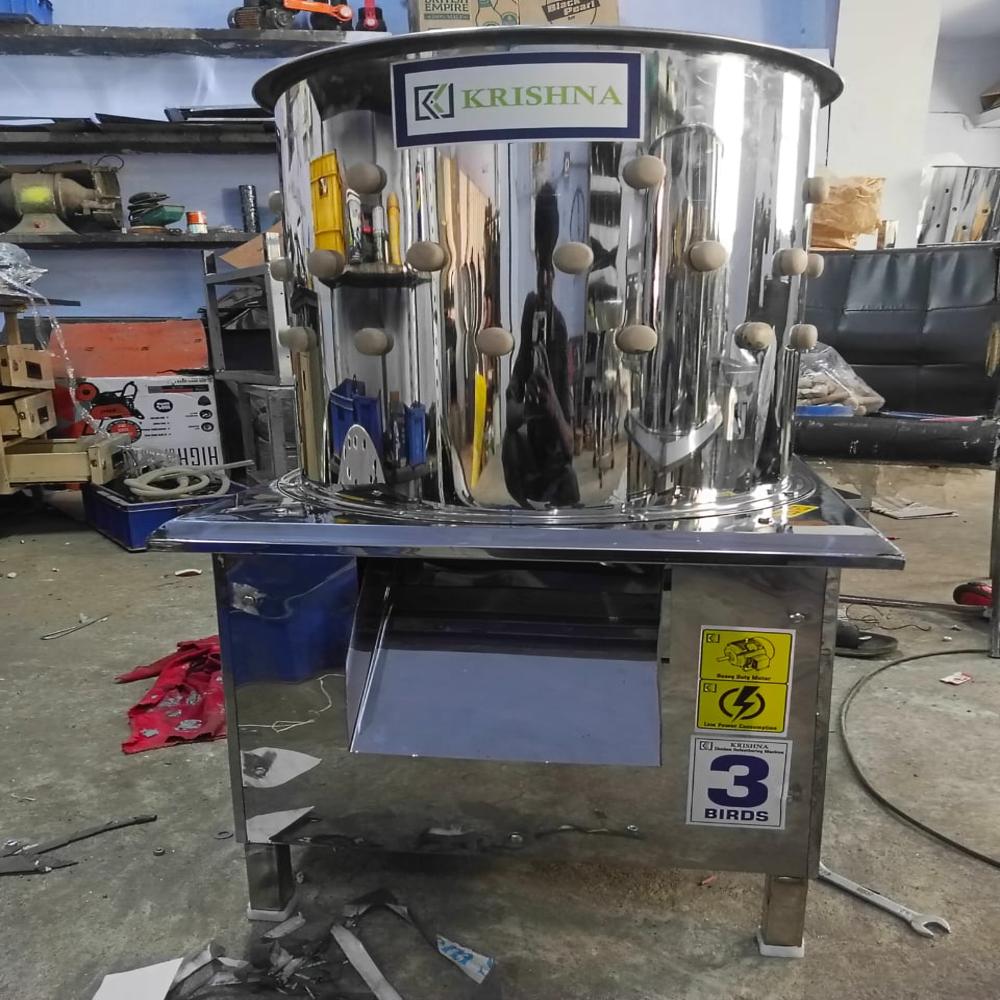
Price 13500.0 INR / Number
Minimum Order Quantity : 1 Number
Material : Stainless Steel
Warranty : 1 YEAR FOR MOTOR
Product Shape : Other
Automation Grade : MANUAL
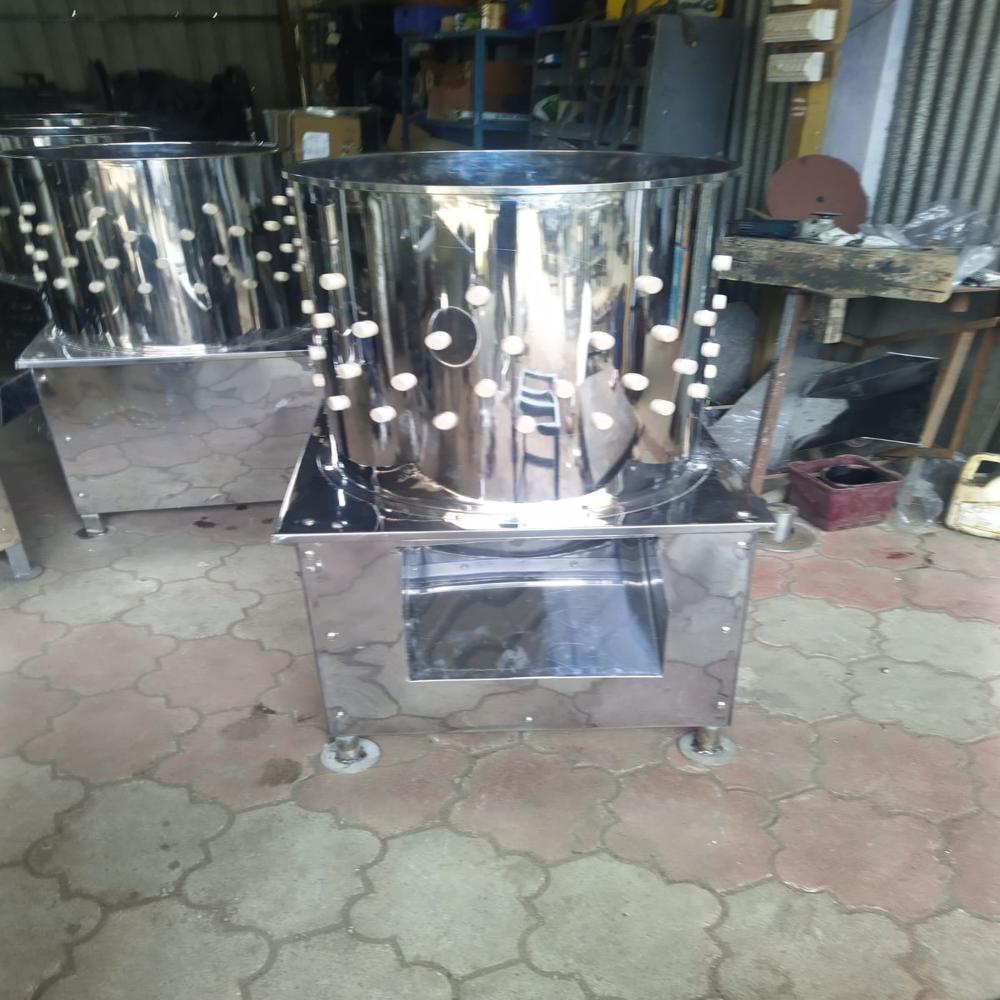
Price 36000.0 INR / Number
Minimum Order Quantity : 1 Number
Material : Stainless Steel
Warranty : 1 YEAR FOR MOTOR
Product Shape : Other
Automation Grade : MANUAL
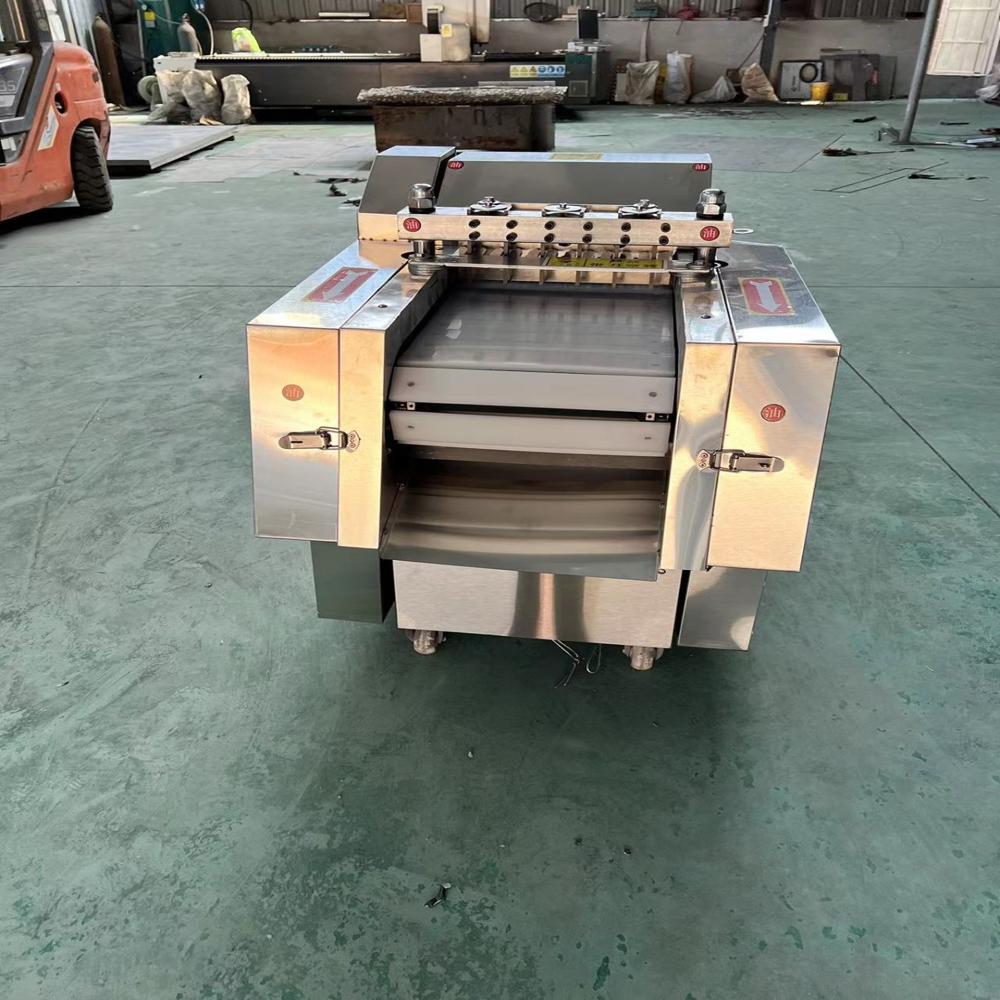
Price 390000.0 INR / Number
Minimum Order Quantity : 1 Number
Material : Stainless Steel
Warranty : NO WARRANTY
Product Shape : Other
Automation Grade : SEMIAUTOMATIC

 Send Inquiry

 Send Inquiry