


Talk to us
08071280101
Talk to us
08071280101
In the modern agricultural landscape, efficiency is the bridge between a hobbyist and a profitable enterprise. The 3-bird feather cleaning machine represents a pivotal piece of "middle-market" technology. It occupies the crucial space between manual hand-pluckingwhich is labor-intensive and inconsistentand massive industrial conveyor systems.
This machine is designed specifically for micro-processing facilities, boutique organic farms, and homesteaders. Its primary value proposition lies in its ability to process multiple carcasses simultaneously without compromising the integrity of the skin or the quality of the meat.
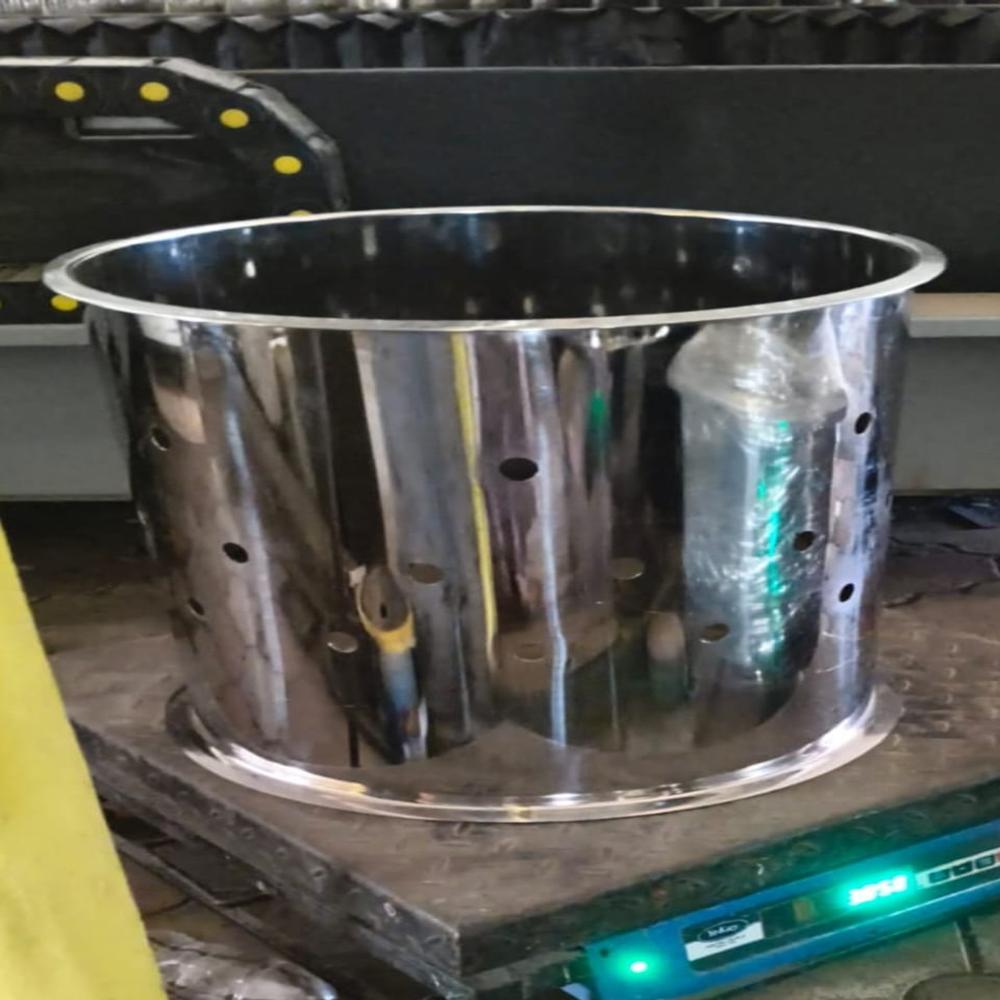
At the heart of the machine is the centrifugal tub. Unlike larger industrial models that use horizontal rollers, the 3-bird variant typically utilizes a vertical drum.
Material Composition: High-grade SUS304 Stainless Steel. This is non-negotiable for food safety, as it resists the corrosive effects of blood, feathers, and constant water exposure.
The Rotary Base: The bottom plate of the drum spins at a calculated RPM (usually between 240 to 300 RPM). This speed is the "sweet spot"fast enough to generate the centrifugal force required to fling the birds against the rubber fingers, but slow enough to prevent bone breakage.
The most critical components are the natural rubber plucking fingers.
Durometer (Hardness): These fingers are typically rated between 45 and 55 Shore A.
Ribbed Design: The surface of each finger is molded with concentric ribs. These ribs catch the wet feathers and pull them away from the follicle via friction.
Strategic Placement: In a 3-bird machine, fingers are arranged in a "staggered matrix" to ensure there are no "dead zones" in the drum.
A 3-bird machine requires significant "startup torque." When three wet, scalded birds (approximately 69 kg of total mass) are dropped into the drum, the motor must overcome that initial inertia instantly.
Wattage: Typically powered by a 1500W to 2200W motor.
IP65 Waterproofing: Given the wet environment, the motor must be housed in a waterproof enclosure with thermal overload protection to prevent burnout during long processing shifts.
Most high-end models utilize a V-belt drive system. Why?
Shock Absorption: If a birds wing gets caught, the belt can slip slightly, preventing the motor from seizing or the axle from snapping.
Maintenance: Belts are easily replaced and keep the machine running quietly compared to heavy metal gears.
The machine is only as good as the preparation. To achieve the 99% feather removal rate mentioned in the description, the biological "bond" of the feather must be broken.
The birds must be submerged in hot water for exactly 60 to 90 seconds. This relaxes the smooth muscle in the skin. If the scald is too cold, the machine will tear the skin; if its too hot, the machine will "cook" the fat layer, leading to greasy meat and skin tears.
Pre-Flight Check: Ensure the drum is clear and the water inlet is connected.
The Scald: Submerge three birds simultaneously to ensure they stay on the same processing rhythm.
Activation: Start the drum before adding the birds.
The Drop: Place the birds into the spinning drum.
Irrigation: The integrated spray ring flushes the feathers out through the discharge chute immediately. This prevents "re-feathering," where loose feathers stick back onto the carcass.
Extraction: After 2030 seconds, the birds are removed, clean and ready for evisceration.
To ensure the machine lasts for decades, a strict maintenance protocol is required:
Daily: Rinse the underside of the rotary plate to prevent blood buildup (which causes odors and bacteria).
Monthly: Check belt tension and lubricate the main drive bearing.
Annually: Inspect rubber fingers. If the "ribs" are worn smooth, friction is lost, and plucking time will double.
Industrial machinery in food processing must meet specific safety criteria:
Emergency Stop: A prominent, waterproof "mushroom" button.
GFCI Protection: Essential for any machine combining high-voltage electricity with constant water flow.
Rounded Edges: The stainless steel must be deburred to prevent operator injury during cleaning.
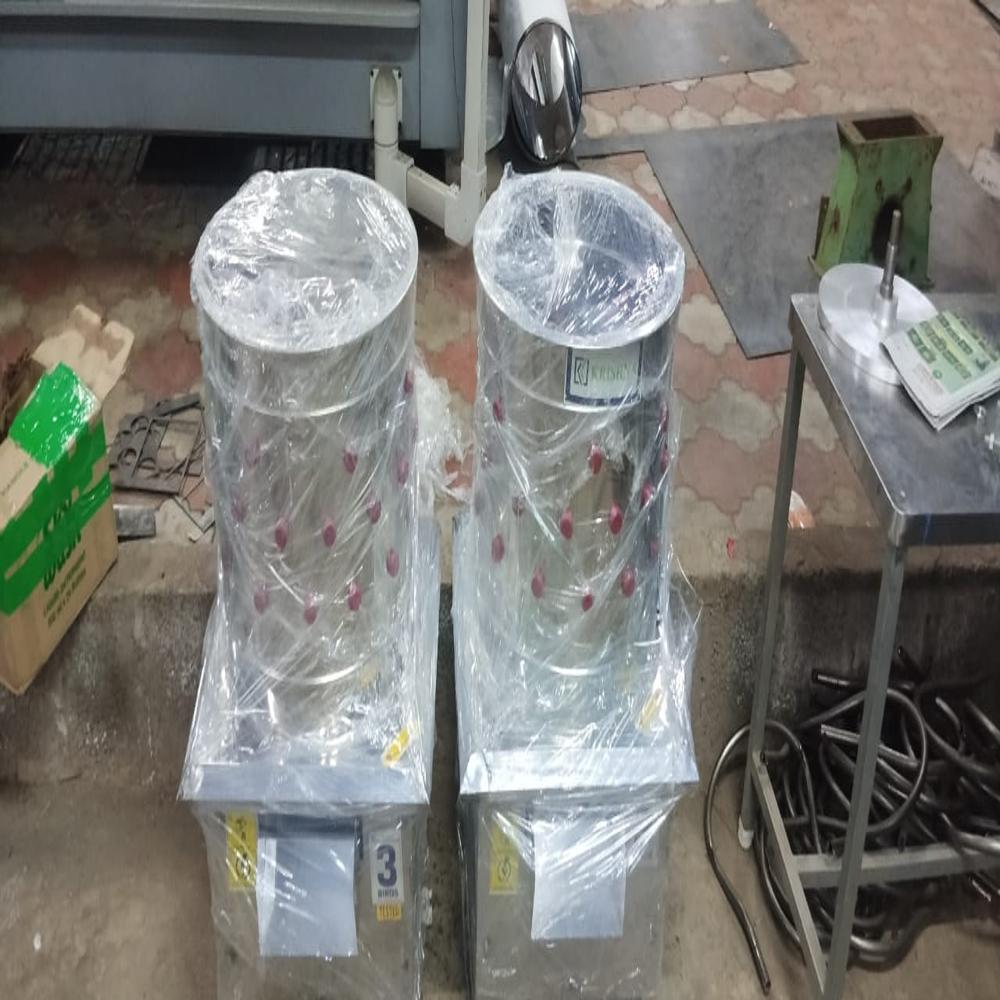
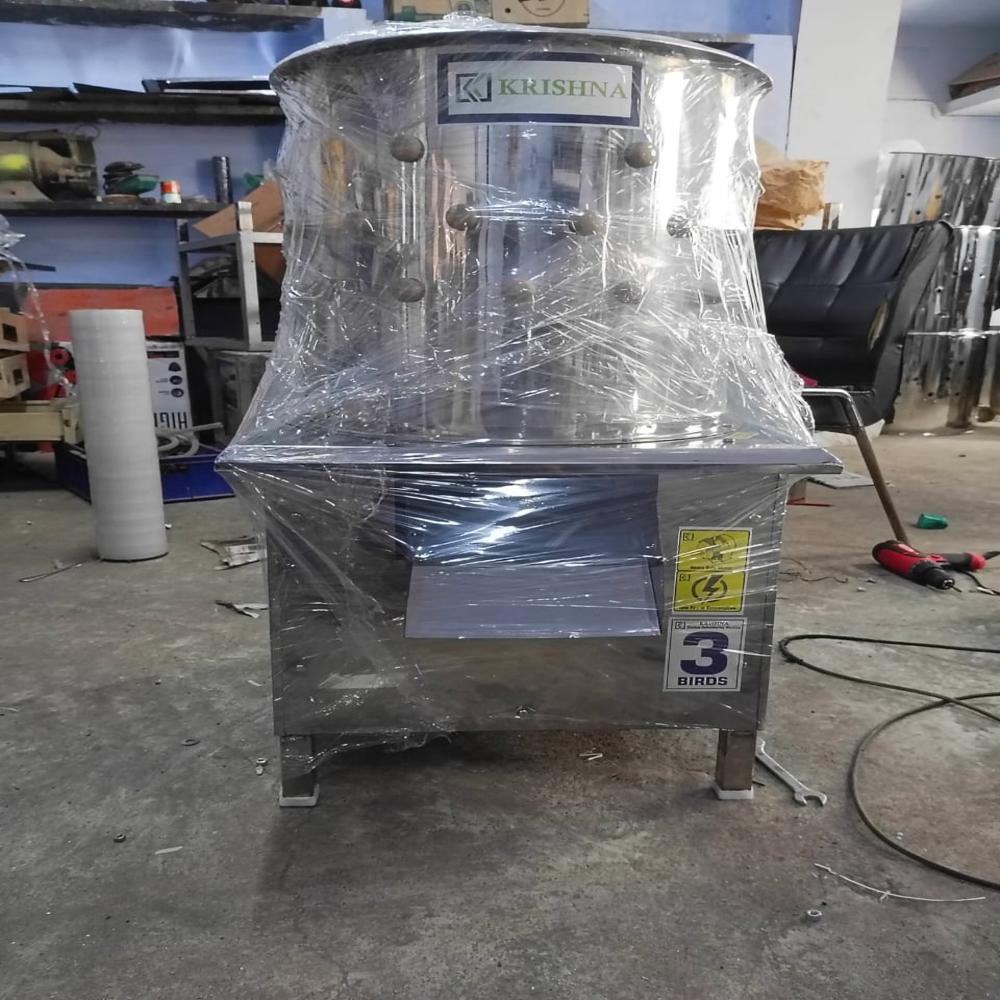
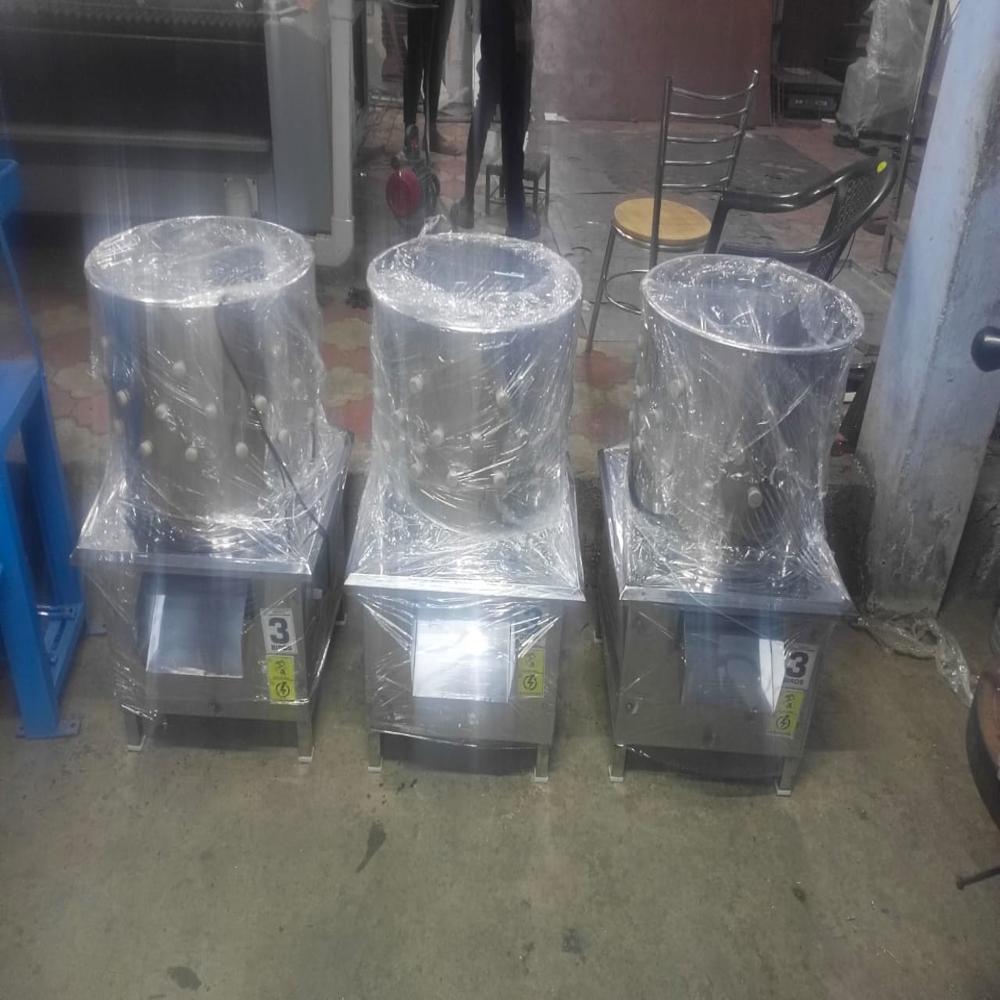
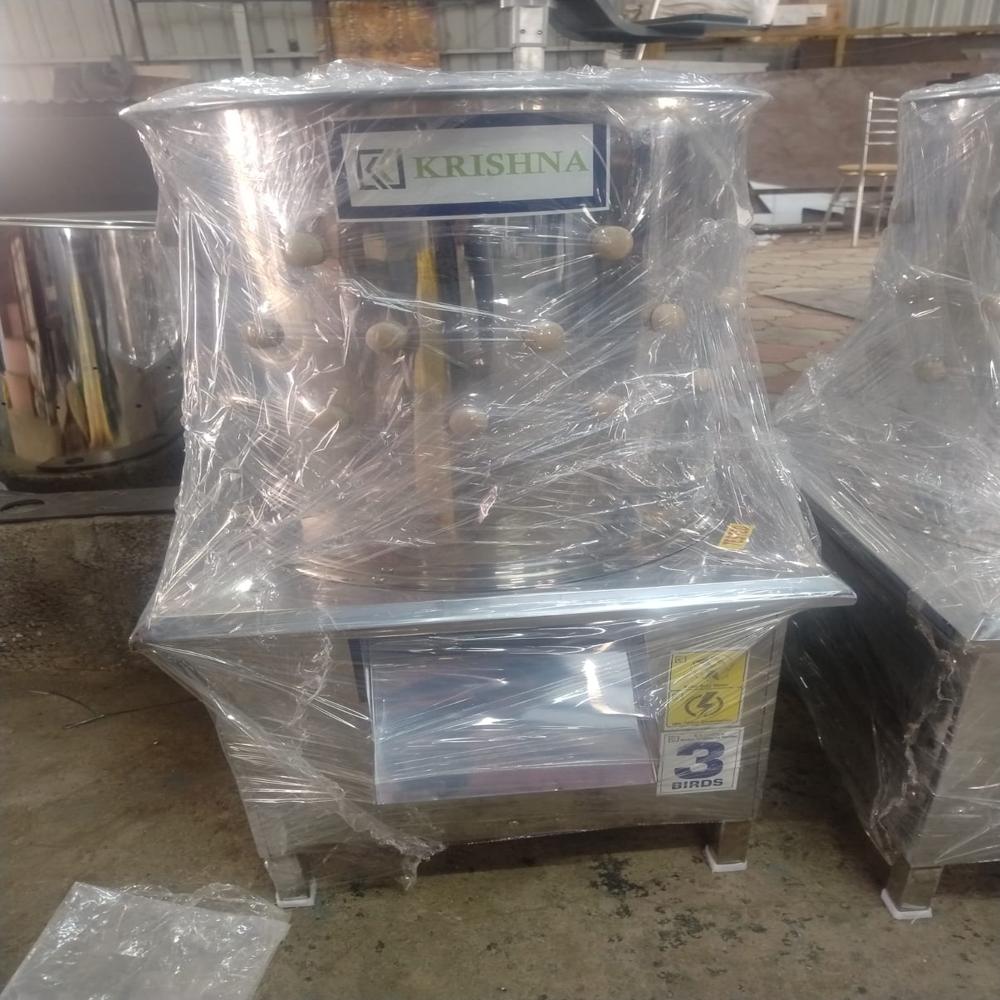
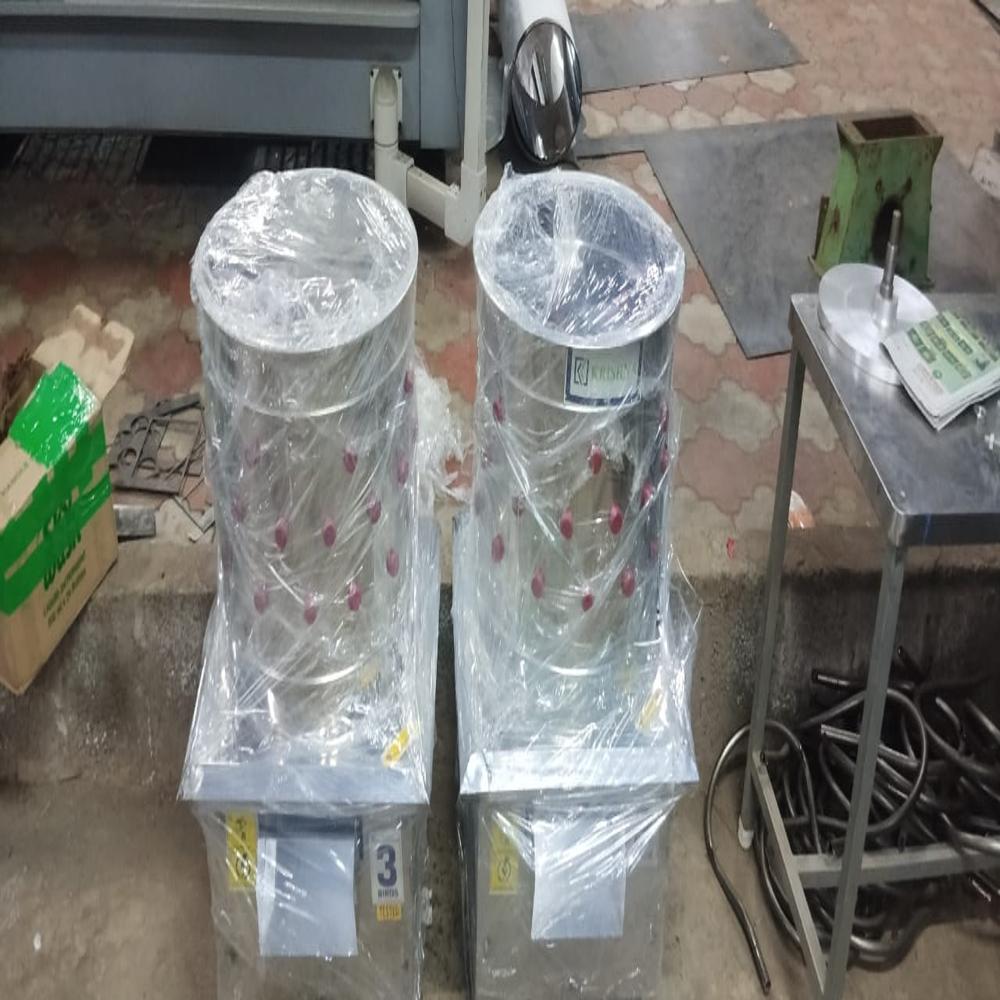

Price:
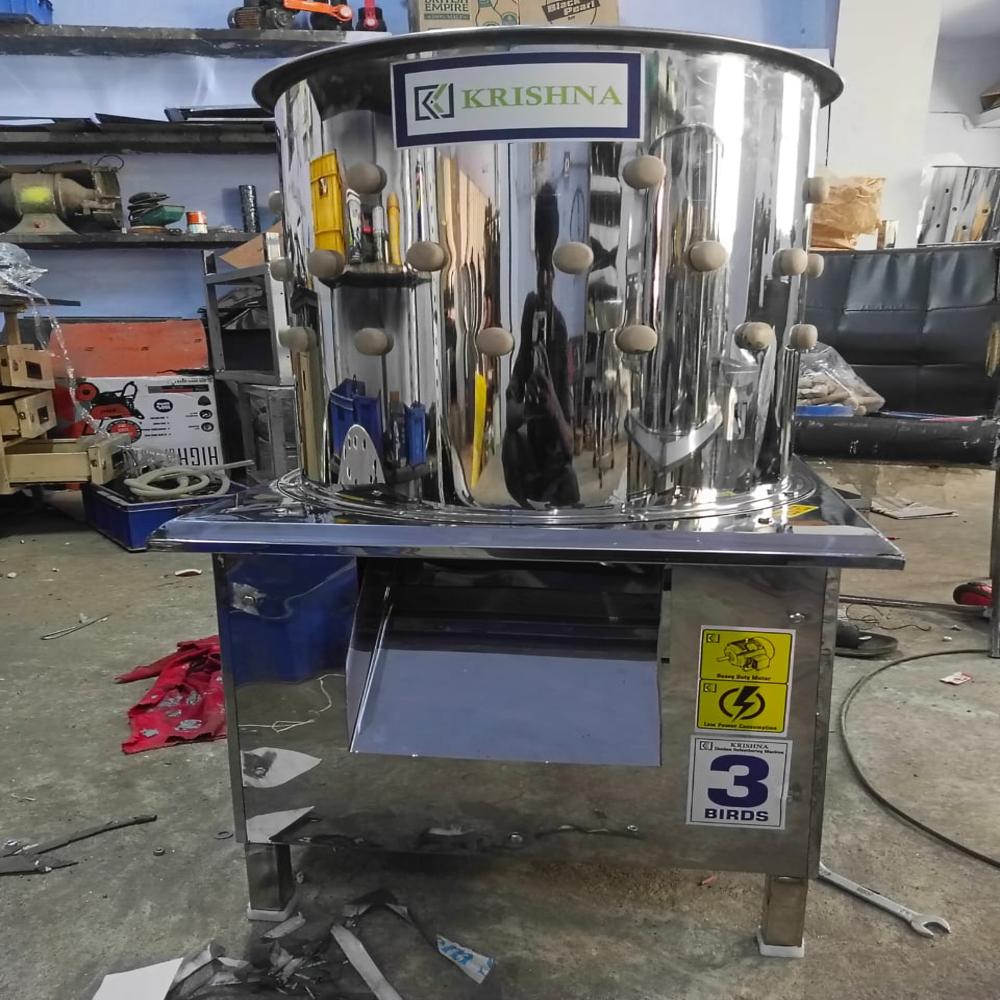
Price 13500.0 INR / NUMBER
Minimum Order Quantity : 1 NUMBER
Capacity : 3 BIRD Pcs/min
Phase : SINGLE
Automation Grade : MANUAL
Automatic : Yes
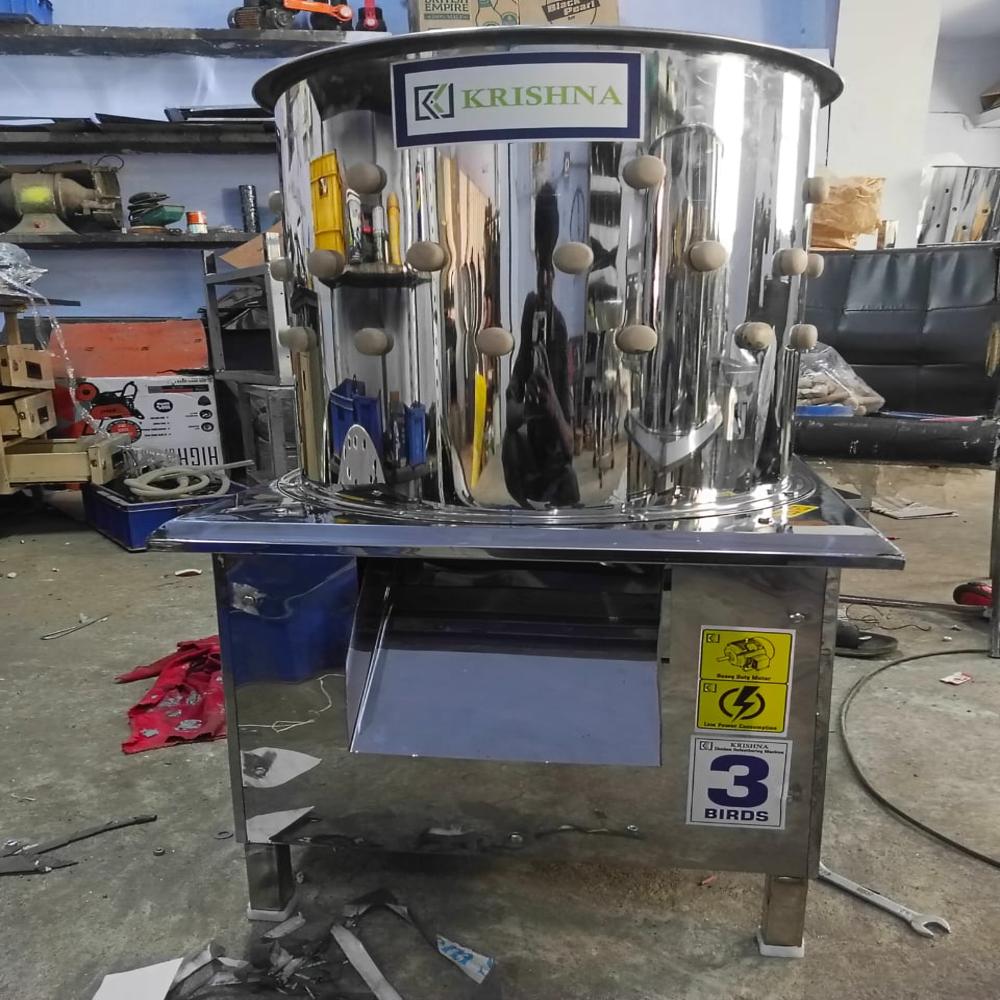
Price 13500.0 INR / Number
Minimum Order Quantity : 1 Number
Capacity : 3 BIRD Pcs/min
Phase : SINGLE
Automation Grade : MANUAL
Automatic : Yes
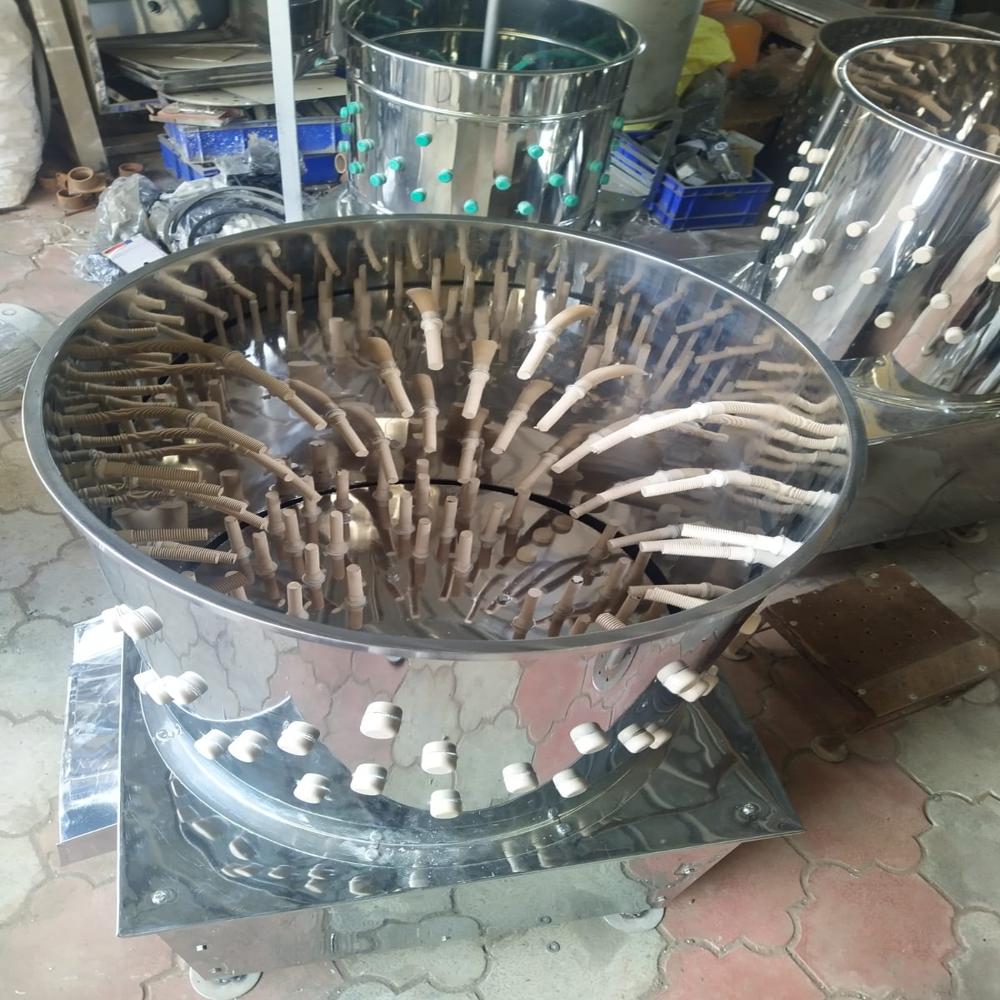
Price 72000.0 INR / Number
Minimum Order Quantity : 1 Number
Capacity : 200 Pcs/hr
Phase : SINGLE
Automation Grade : MANUAL
Automatic : Yes
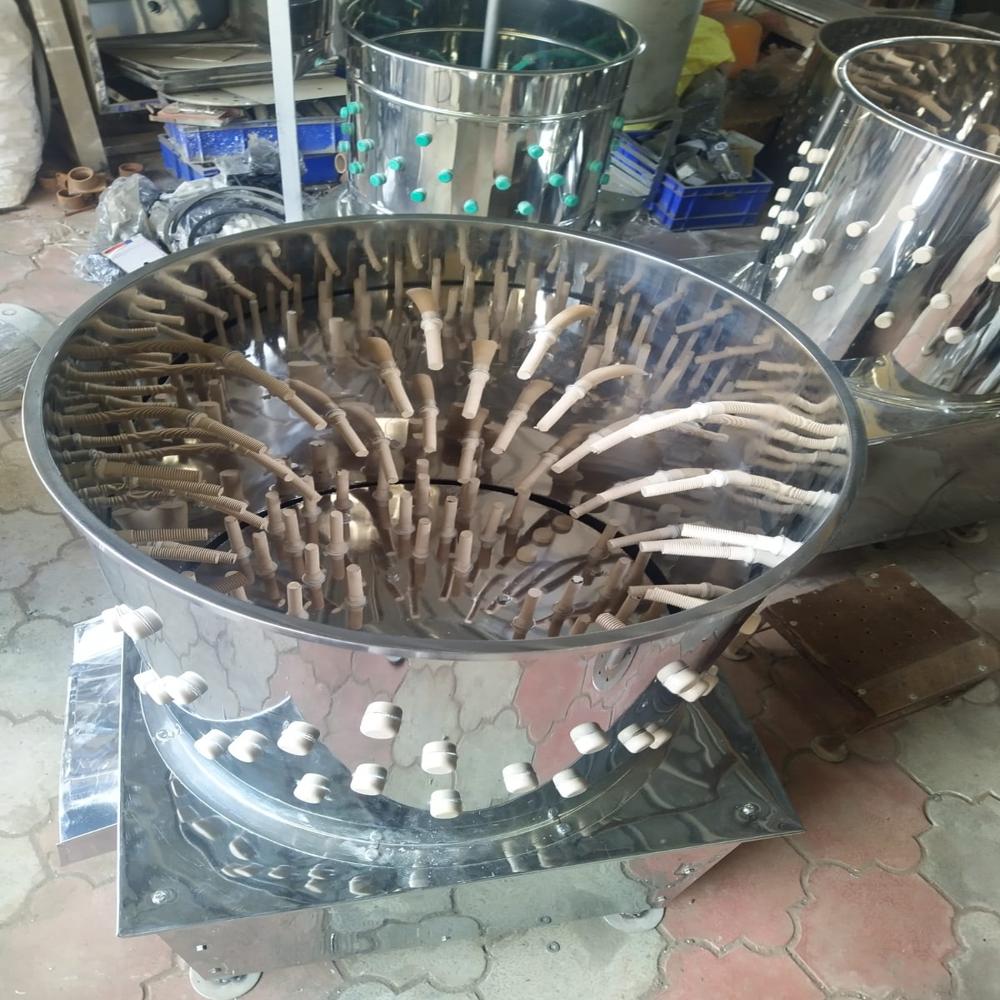
Price 72000.0 INR / Number
Minimum Order Quantity : 1 Number
Capacity : 200 Pcs/hr
Phase : SINGLE
Automation Grade : MANUAL
Automatic : Yes

 Send Inquiry

 Send Inquiry