


Talk to us
08071791510
Talk to us
08071791510
In the modern food processing sector, the transition from manual labor to high-throughput automation is essential for scaling operations, ensuring biological safety, and maintaining strict portion uniformity. While manual lever-action cutting machines serve small retail butcheries effectively, large-scale poultry processing plants, commercial mega-kitchens, ready-to-eat meal manufacturers, and industrial export houses require continuous processing systems. The Industrial Automatic Chicken Cutting Machine represents the pinnacle of automated food engineering, integrating high-speed rotary kinetics, automated conveyor intralogistics, programmable electronic control systems, and advanced safety networks.
The core philosophy of automated poultry cutting centers on the complete elimination of human error and physical contact during the slicing cycle. Manual cutting poses significant challenges at scale:
Throughput Limitations: A skilled operator cannot exceed a sustained processing rate of more than a few birds per minute without fatigue degrading accuracy and safety.
Biological Cross-Contamination: Every touch by an operator introduces potential vectors for bacterial transmission. In contrast, an automated system operates inside an enclosed, sanitized chamber.
Yield Loss via Bone Dust: Manual or improperly velocity-controlled cutting crushes bones, leading to high concentrations of bone dust and bone chips, which ruin the product texture and present consumer safety hazards.
The automatic chicken cutting machine resolves these systemic challenges through high-velocity circular or planetary blade configurations running on continuous-feed conveyor networks. By synchronizing the linear velocity of the conveyor belt with the angular velocity of hard-tempered cutting blades, the machine executes precise, effortless cuts through muscle, cartilage, and dense avian bone matrices. This process produces clean cuts with minimal waste and zero bone fragmentation.
Operating continuously under the guidance of a Programmable Logic Controller (PLC) and Variable Frequency Drives (VFD), this industrial machinery works inline with primary processing equipment, such as de-feathering lines, evisceration stations, and automated packaging systems. It features a completely enclosed cutting zone, automated cleaning systems, and precise portion monitoring, making it an essential component for high-volume, modern meat processing centers.
The structural integrity and operational precision of an automatic poultry processing system depend on its mechanical engineering and electrical components. The machine is designed to operate reliably in harsh, high-humidity environments characterized by chemical washdowns and heavy vibration.
The main structural framework, load-bearing chassis, protective outer panels, and electrical enclosures are fabricated entirely from Grade 304 and Grade 316L Stainless Steel.
Chassis Geometry: The frame is built using heavy-duty, fully-welded square tubing with radiused corners. This open-frame design eliminates hollow spaces where water can collect, preventing internal bacterial growth.
Sloped Surfaces: All structural top plates, hoods, and internal deflector panels are engineered with a minimumslope. This angle ensures that water, sanitizers, and organic fluids naturally drain away during operation and washdown cycles, preventing pooling.
Corrosion Resistance: For components in direct contact with highly corrosive organic acids or intensive sanitization chemicals (such as peracetic acid or chlorine dioxide), Grade 316L (Low Carbon) Stainless Steel is used. This grade includes molybdenum, which prevents pitting corrosion and intergranular oxidation near weld zones.
The cutting mechanism is powered by an industrial-grade, high-torque, three-phase AC induction motor.
Motor Insulation and Protection: The motor features an IP69K rating and Class F insulation, completely sealing it against dust and high-pressure water jets. It uses a totally enclosed, non-ventilated (TENV) design to eliminate cooling fans, which can harbor bacteria and atomize moisture.
Power and Torque Specs: The primary blade drive motor delivers a nominal output, drawing power from a standard industrial supply . This provides the necessary torque to maintain consistent blade speeds when cutting through dense skeletal joints.
The cutting module is the core functional element of the automatic machine. It relies on high-speed rotational mechanics and precisely calibrated kinematics to achieve clean, fragmentation-free sectioning of the poultry carcass.
To survive continuous impact with bone matrices without chipping or losing its edge, the circular cutting blade is manufactured from advanced high-carbon martensitic stainless steel alloys or specialized tool steels.
Thermal Hardening Matrix: The blades undergo vacuum heat-treatment followed by cryogenic tempering, achieving an exceptional hardness rating . This high hardness ensures the cutting edge remains sharp through millions of cycles while maintaining the structural ductility needed to absorb shock loads without fracturing.
Low-Friction Coatings: The blade faces are coated with Titanium Nitride (TiN) or Diamond-Like Carbon (DLC) via Physical Vapor Deposition (PVD). This micro-thin layer reduces the coefficient of friction against raw chicken meat, preventing fat adhesion and minimizing thermal buildup during high-speed operation.
An automated cutting machine relies on precise product positioning to ensure consistent portion sizes. The feeding mechanism handles, aligns, and transports the poultry through the cutting zone with high accuracy.
The conveyor system uses modular sorting belts driven by solid stainless steel square shafts.
Open-Hinge Cleanability: The hinges of the modular belt links open completely as they travel around the drive sprockets, exposing the pivot pins for thorough cleaning. This design prevents organic matter from becoming trapped inside the belt mechanism.
Flighted Profiles and Positioning Pockets: The belt surface features molded flights or customized cradle pockets. These contours keep the raw chicken carcasses securely positioned at fixed intervals, preventing them from shifting or sliding due to centrifugal forces when passing under the high-speed blades.
Before entering the cutting chamber, the chicken passes through an electronic sensor gate that maps its dimensions.
Laser Profile Scanners: A set of high-speed laser scanners maps the physical volume and orientation of the bird in real time. This volumetric data is sent instantly to the PLC.
Dynamic Speed Correction: If the sensor detects a larger or more misaligned bird than normal, the PLC modifies the VFD parameters, slowing down the conveyor feed rate to give the cutting blade more time to process the larger bone structure safely.
As the bird moves from the tracking gate into the active cutting zone, it is secured by an overhead pneumatic stabilization matrix.
Flexible Pressure Fingers: A set of flexible, food-grade polyurethane pressure fingers lowers from above, holding the bird firmly against the conveyor belt. This prevents any rotation or shifting when the poultry encounters the high-speed blade.
Pneumatic Control Elements: These stabilizers are actuated by high-cycle pneumatic cylinders operating on a lubricated, clean-air supply . The clamping pressure is adjustable via the digital control panel, allowing the system to secure the birds firmly without crushing delicate meat tissue.
In industrial meat processing plants, equipment must undergo intensive cleaning daily. The automatic chicken cutting machine is engineered to meet strict global food safety standards, including EHEDG and 3-A hygienic guidelines.
The machine features an integrated Clean-in-Place (CIP) internal manifold system that automates the primary cleaning stages, reducing manual sanitation labor.
Internal Spray Bar Matrix: A network of stainless steel spray pipes equipped with high-impact flat-fan nozzles is installed inside the main cutting chamber and along the return path of the conveyor belt.
Automated Cleaning Cycles: When the CIP mode is activated from the HMI, the machine hooks up to the plant's hot water and chemical distribution lines. It runs a pre-programmed cleaning sequence: a warm water pre-rinseto melt fats, followed by an alkaline chemical foam wash, and a final cold-water sanitizer rinse, cleaning the belt and blades thoroughly while they rotate slowly.
To survive daily high-pressure chemical cleanings, all external components are engineered to meet strict ingress protection standards.
Hygienic Cable Routing: Electrical cables are routed through polished stainless steel conduit pipes using blue, high-density polymer seals. This avoids the use of plastic zip-ties or flexible corrugated hoses, which can harbor deep bacterial colonies.
Hygienic Seals: Every panel joint, junction box door, and structural interface features blue silicone or Viton gaskets. The distinct blue color makes visual inspection simple, allowing operators to spot any worn or torn seal fragments against the shiny stainless steel background.
To ensure reliable operation across multiple shifts, maintenance teams should follow a structured preventive maintenance schedule:
Daily Post-Shift Check: Inspect the circular blades for micro-cracks or blunt edges. Check the conveyor belt module tracking and adjust the tension screws if the belt shows signs of drifting.
Weekly Service Window: Lubricate the main drive bearings using NSF H1 food-grade grease. Check the pneumatic lines for moisture buildup and purge the water trap filters. Inspect all safety light curtains and verify the emergency stop response times.
Monthly Overhaul Protocol: Measure the wear on the modular conveyor drive sprockets and replace them if they show signs of hooked teeth. Remove the circular blade assembly and sharpen it using an automated precision grinding machine to restore the original bevel angle. Check the VFD cooling fan filters and clean out the main control cabinet.
Upgrading an industrial processing line from manual cutting stations to an automatic machine requires a detailed financial analysis. The long-term savings in labor, improved product yields, and increased throughput provide a clear return on investment (ROI) for growing enterprises.
An automatic machine delivers processing speeds that manual operations cannot match. This allows facilities to scale up production volumes significantly without adding floor space or increasing headcount.
Precision Portion Weights: Because the machine uses precise sensor tracking and servo positioning, it sections poultry consistently to specified dimensions. This high accuracy minimizes product variance, allowing companies to meet strict packaging requirements without giving away excess product weight.
Clean Cuts with Less Waste: The high-speed circular blade slices through bone joints cleanly without shattering them. This process reduces trim loss and eliminates bone dust, keeping more usable product on the meat and maximizing total sellable weight per bird. Over a standard year of high-volume production, this reduction in waste saves thousands of kilograms of product, directly increasing net profitability.
The industrial automatic chicken cutting machine is a highly engineered solution designed for high-efficiency, modern food processing. By combining robust SS304/SS316L stainless steel construction, high-speed circular blade kinematics, automated sensor-guided transport, it provides an exceptional combination of speed, safety, and portion accuracy. For food machinery manufacturers and processing facility owners looking to scale up production, meet strict international hygiene standards, and improve profit margins, this automated machinery represents a vital step forward in industrial competitiveness and operational excellence.
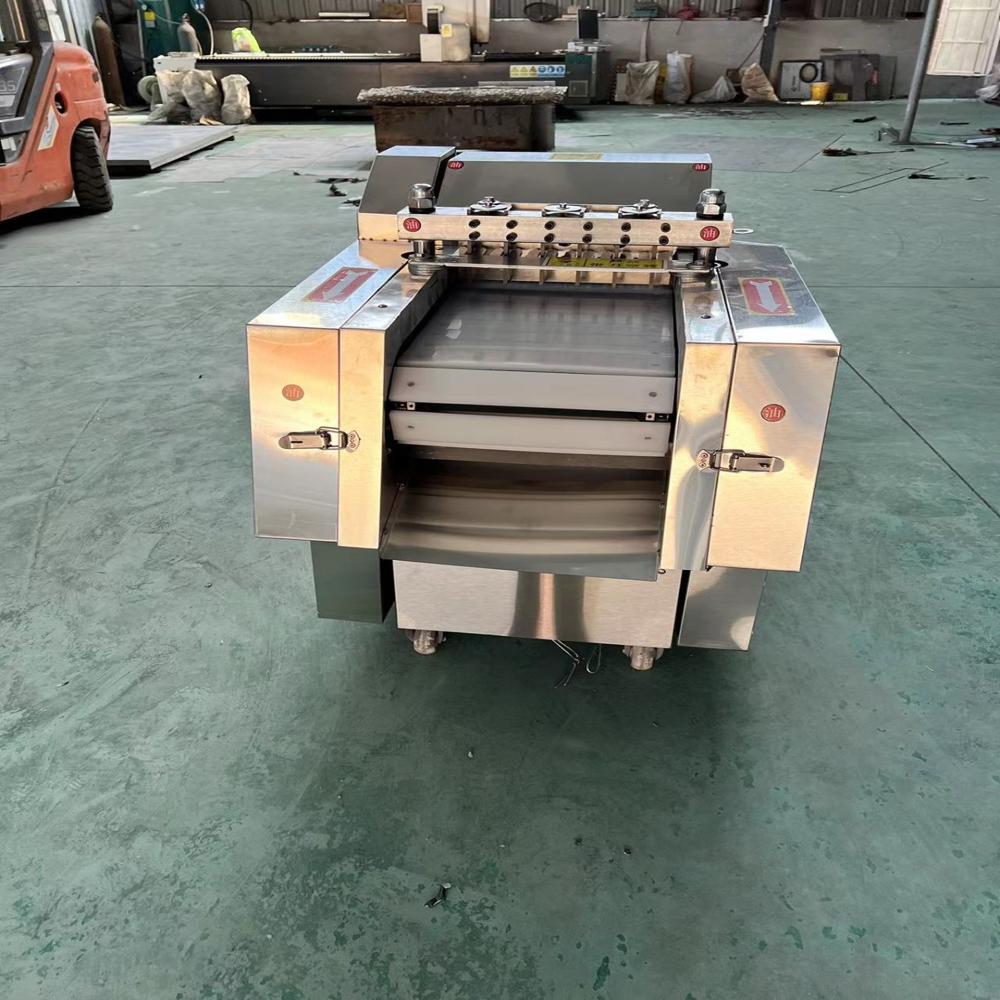
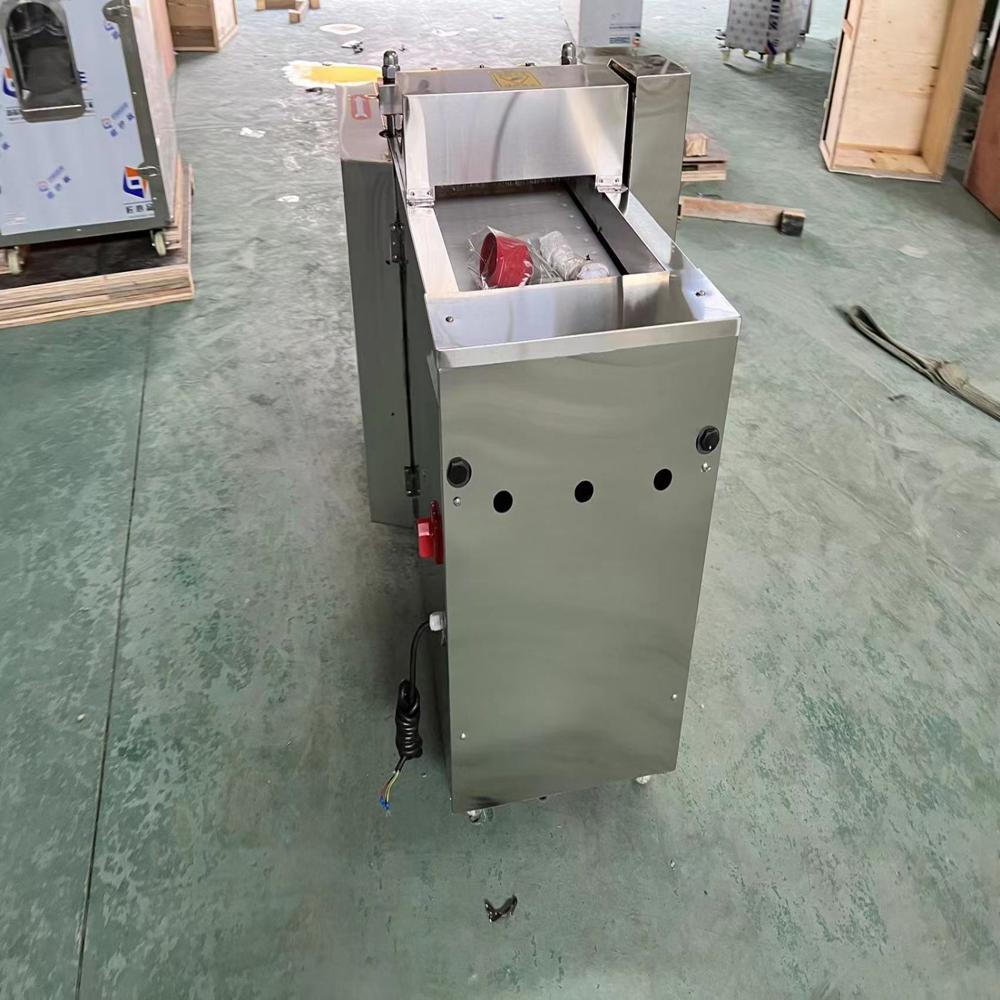
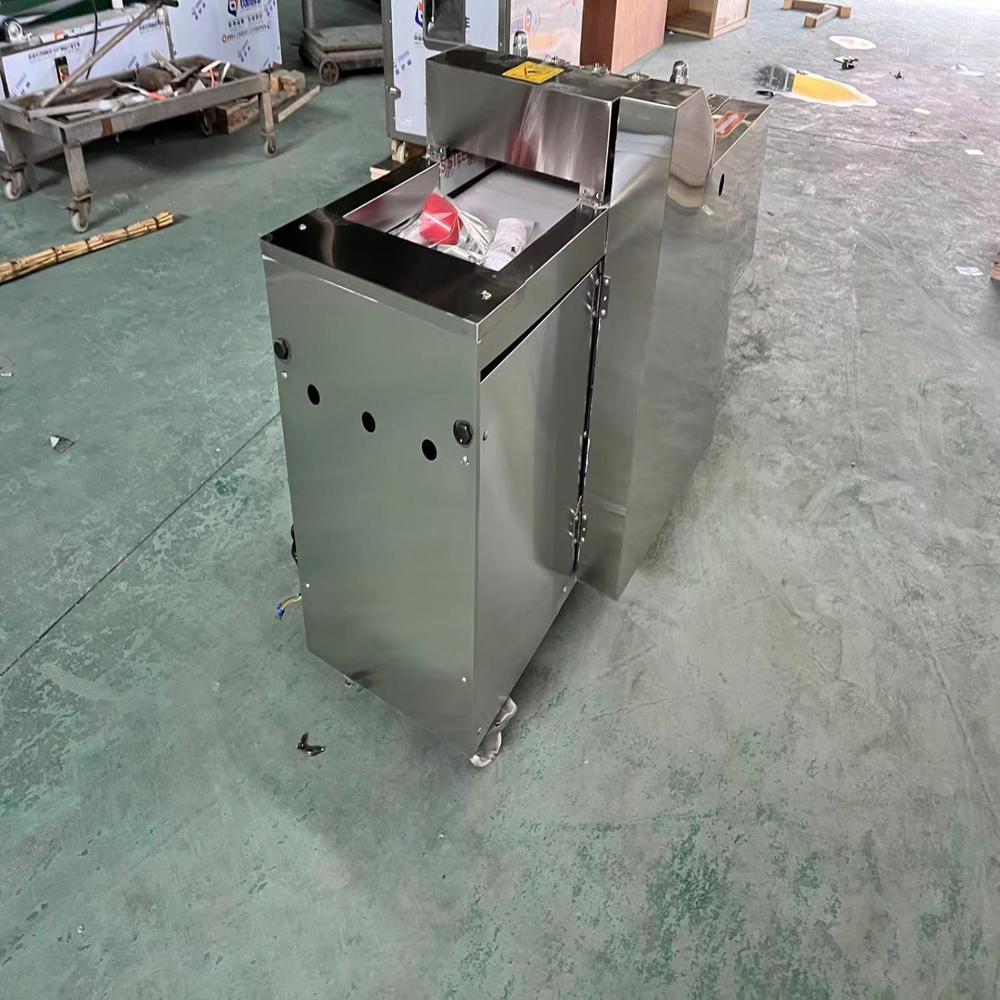
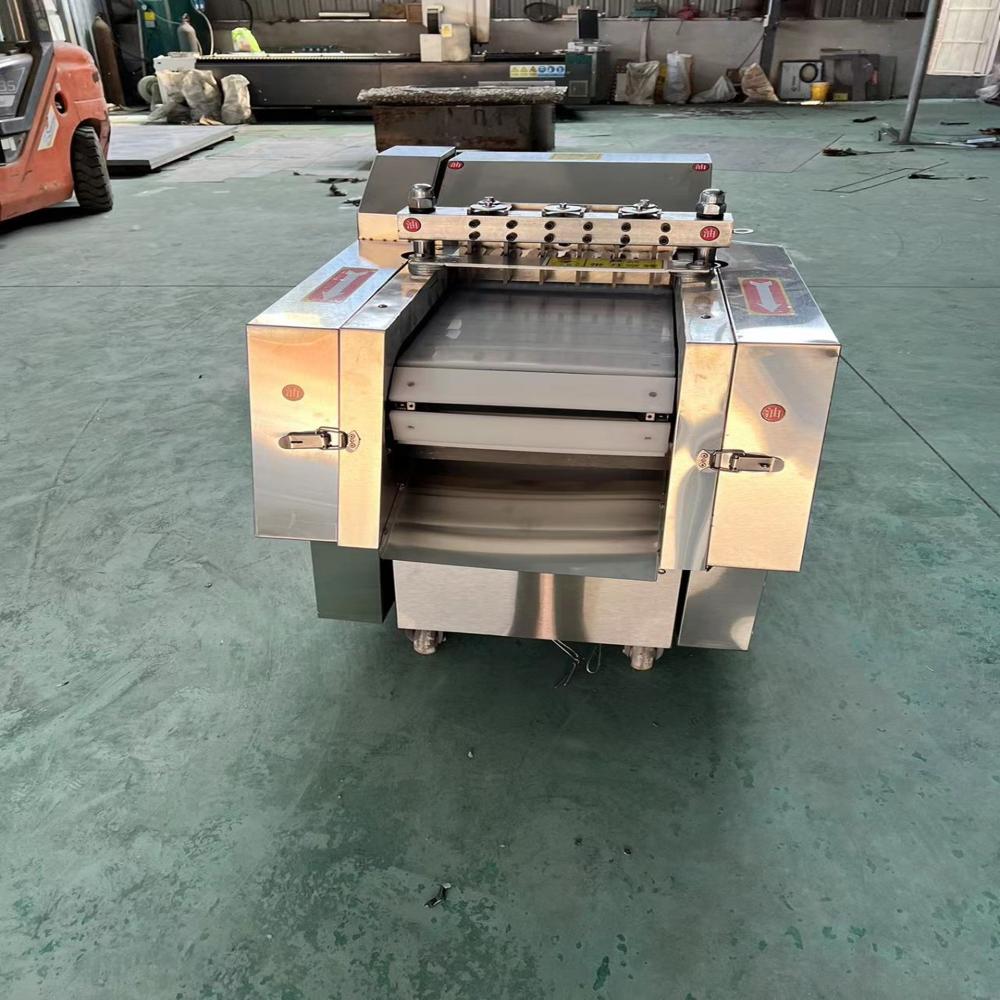
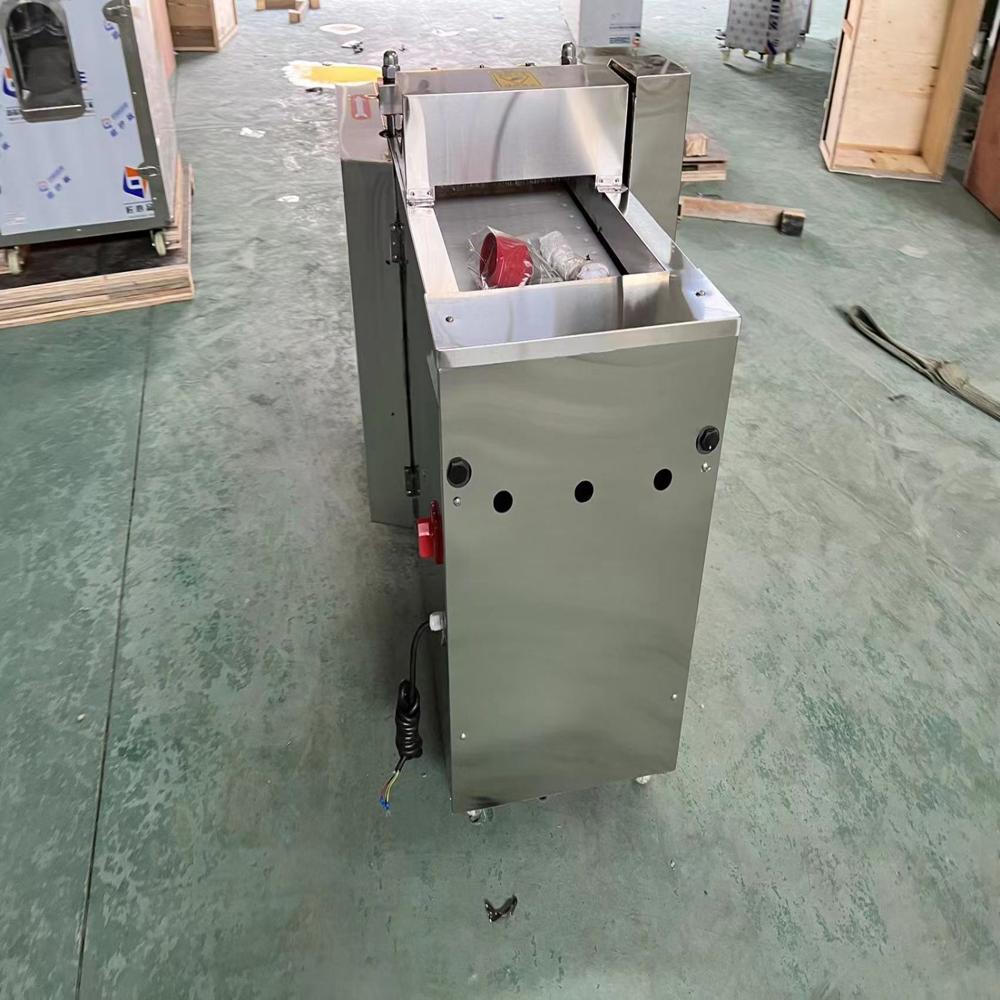
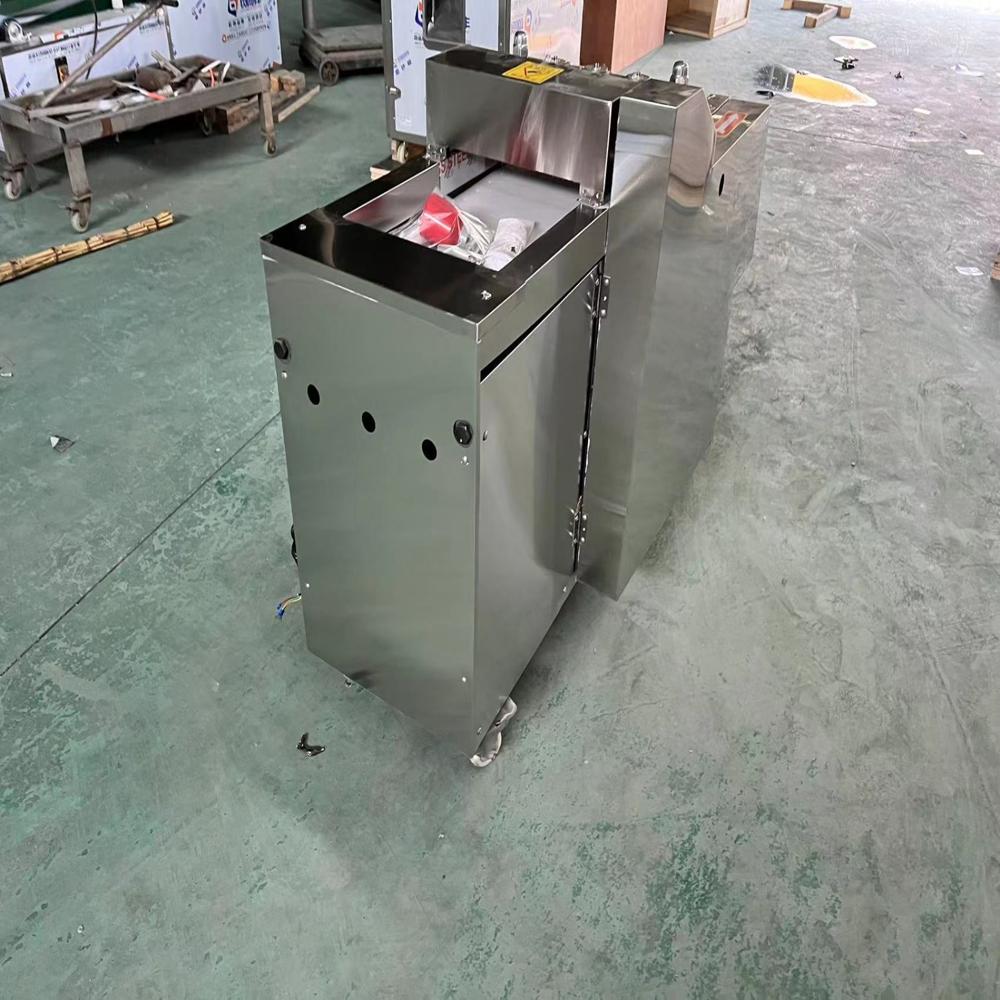

Price:
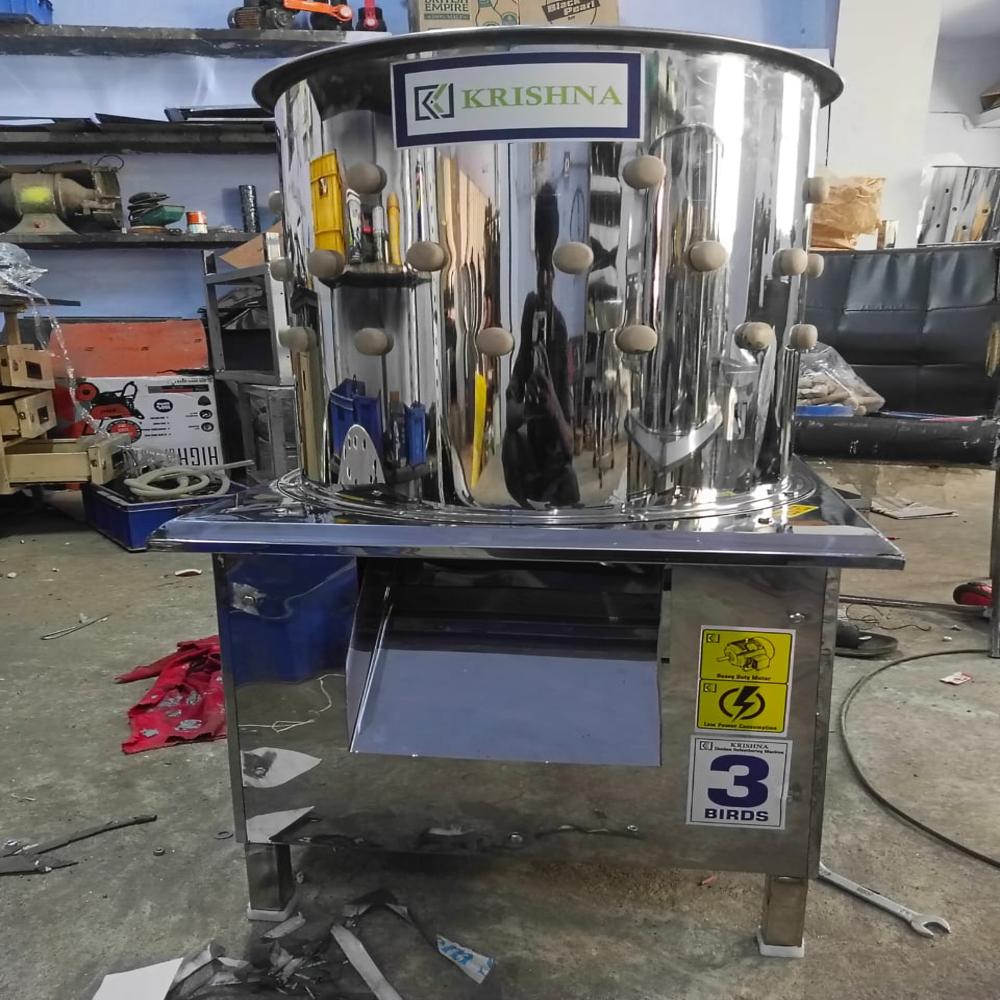
Price 13500.0 INR / NUMBER
Minimum Order Quantity : 1 NUMBER
Feeding System : OPEN TYPE
Installation Type : Free Stand
Automatic : Yes
Computerized : No
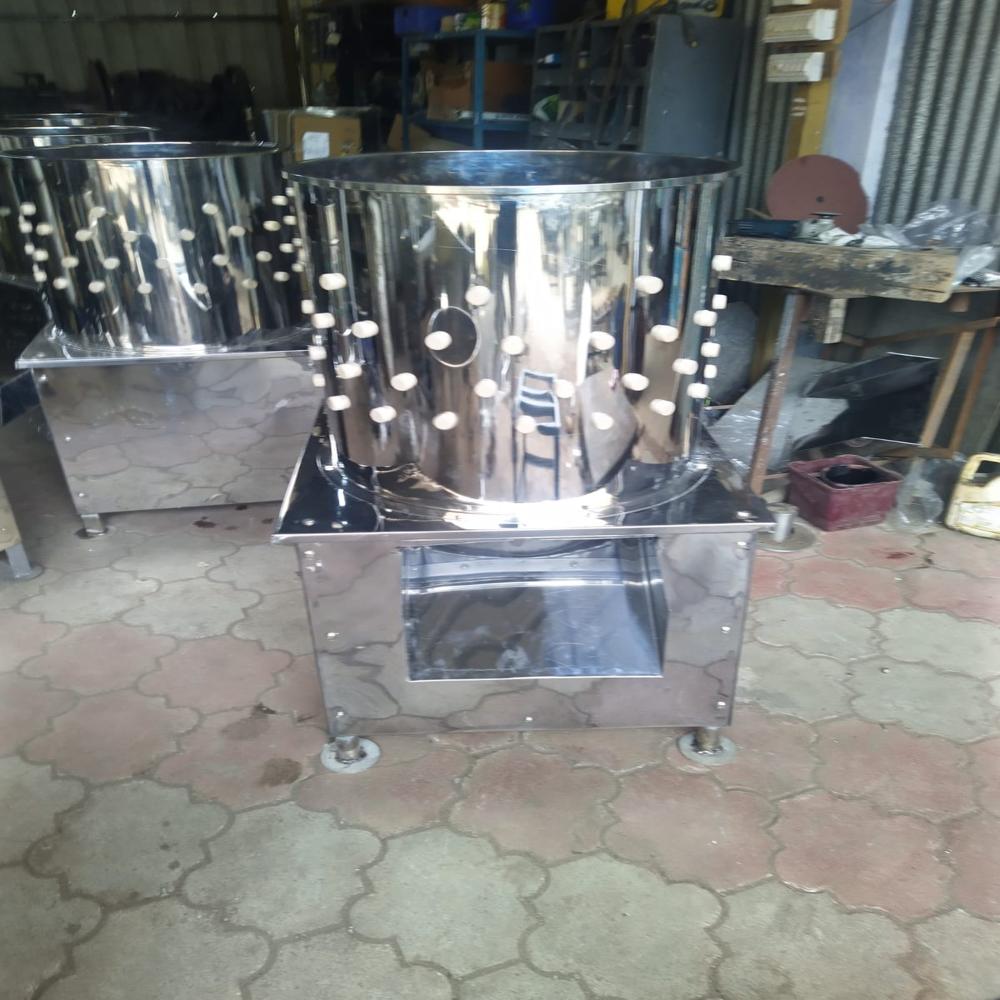
Price 36000.0 INR / Number
Minimum Order Quantity : 1 Number
Feeding System : OPEN TYPE
Installation Type : Free Stand
Automatic : Yes
Computerized : No
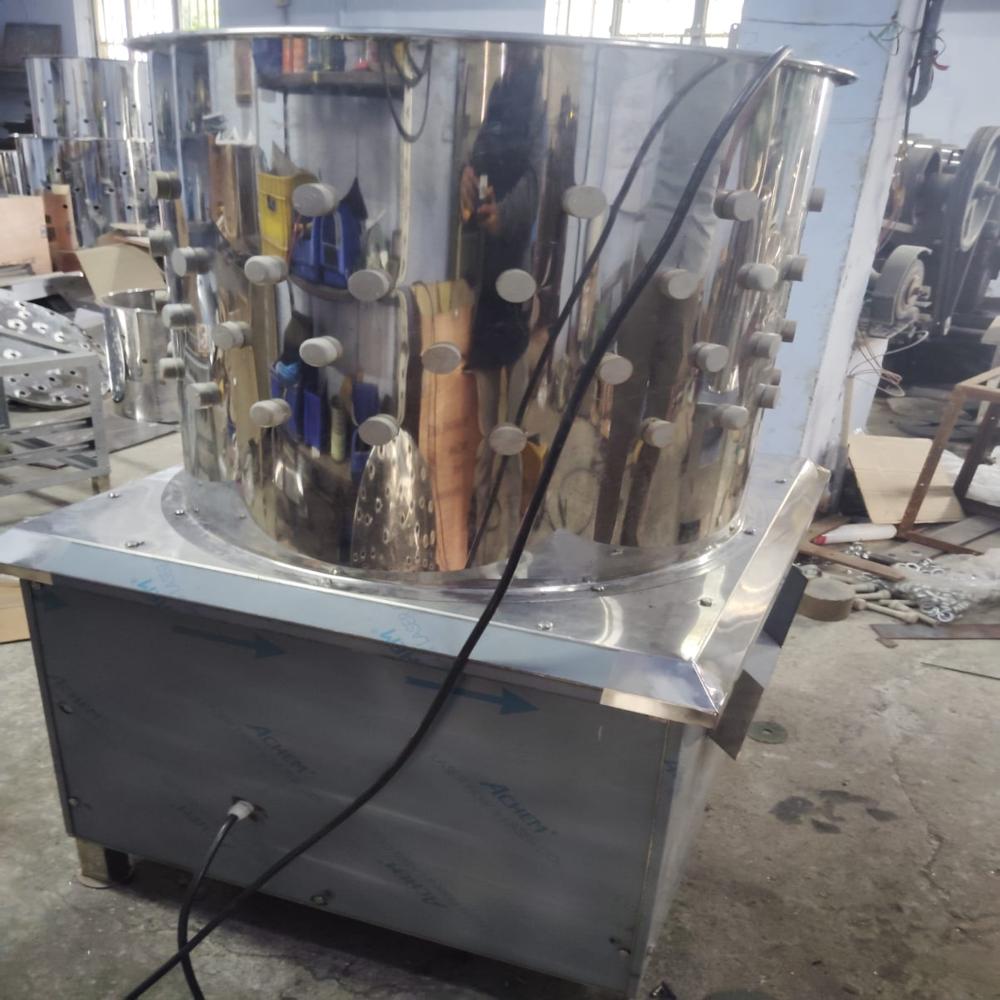
Price 36000.0 INR / Number
Minimum Order Quantity : 1 Number
Feeding System : OPEN TYPE
Installation Type : Free Stand
Automatic : Yes
Computerized : No
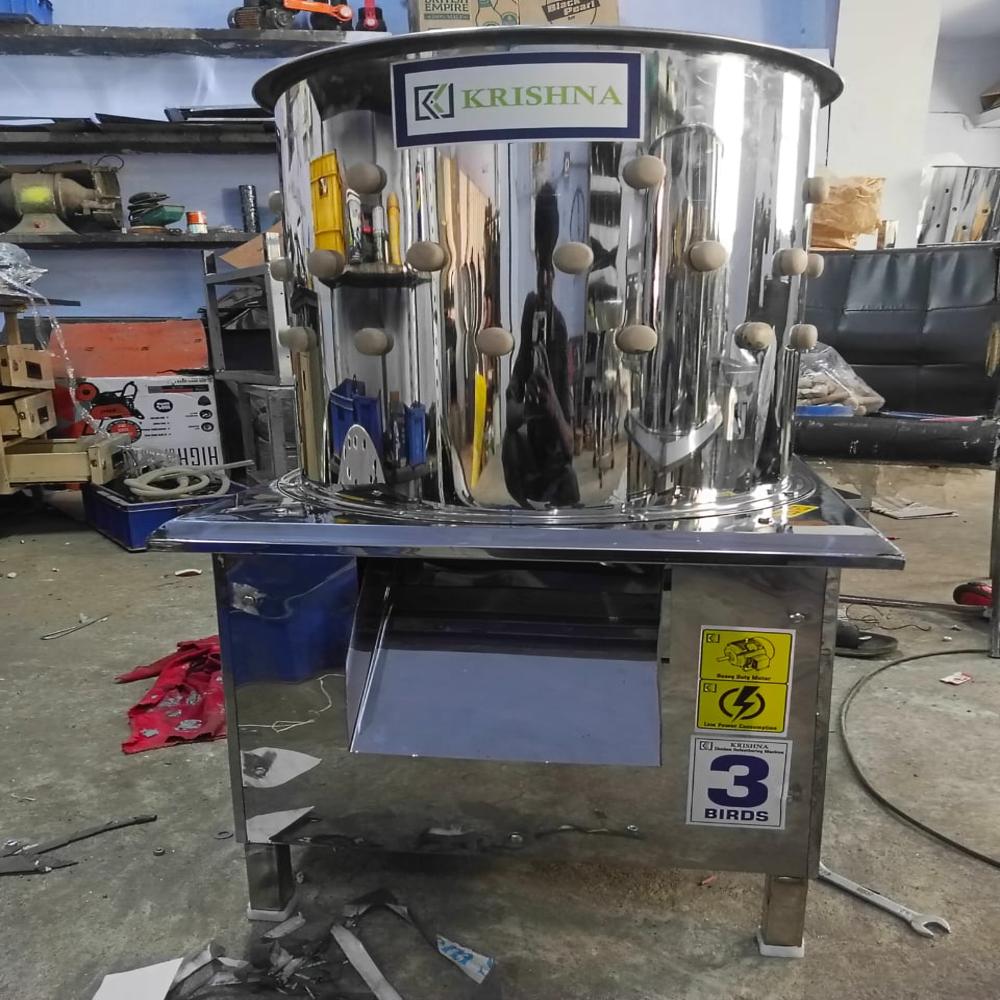
Price 13500.0 INR / Number
Minimum Order Quantity : 1 Number
Feeding System : OPEN TYPE
Installation Type : Free Stand
Automatic : Yes
Computerized : No

 Send Inquiry

 Send Inquiry