


Talk to us
08071791510
Talk to us
08071791510
The commercial poultry processing industry demands efficiency, precision, safety, and hygiene. In small to medium-scale butcher shops, commercial kitchens, catering units, and semi-industrial poultry processing hubs, the method of portioning chicken plays a vital role in determining profitability, product presentation, and labor productivity. Traditionally, poultry processing at these scales relied heavily on manual meat cleavers and wooden chopping blocks. While deeply entrenched in traditional culinary practices, this method introduces significant challenges, including high physical fatigue, inconsistent portion sizes, high risk of severe operator injury, and significant bone splintering, which compromises meat quality and consumer safety.
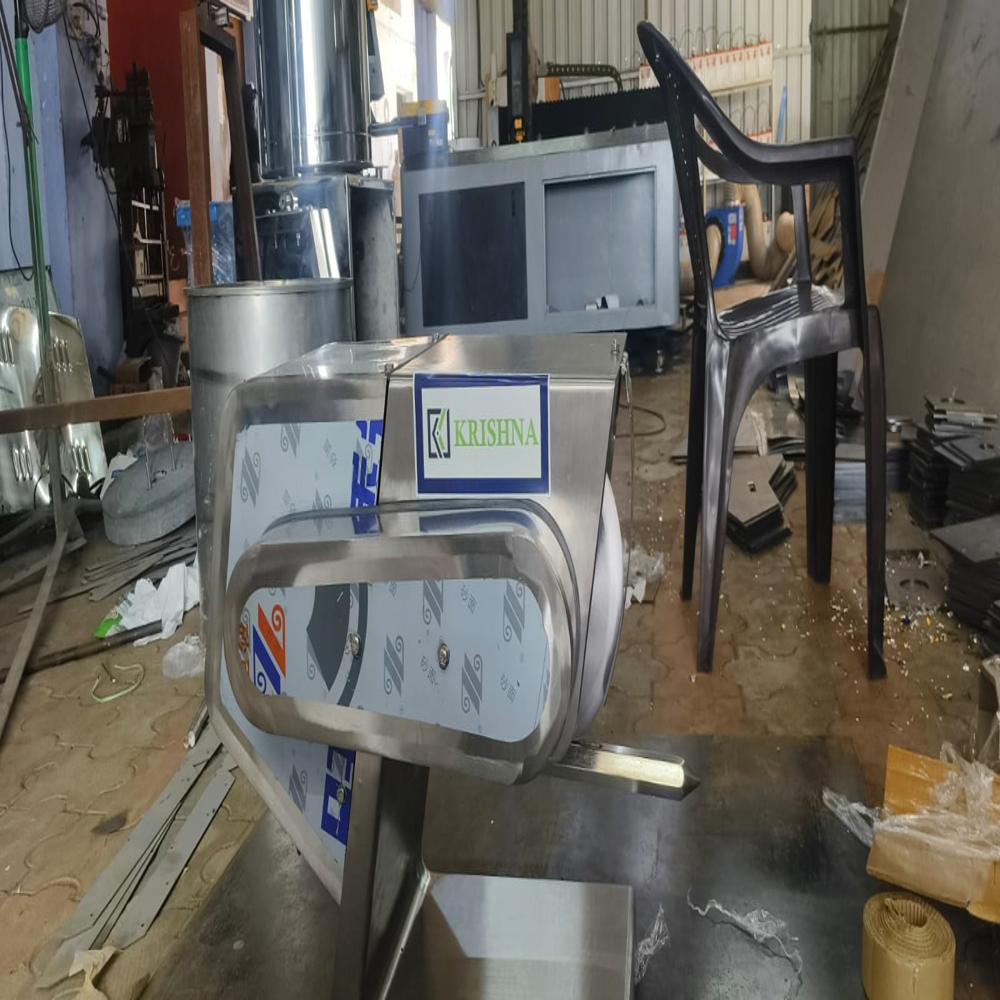
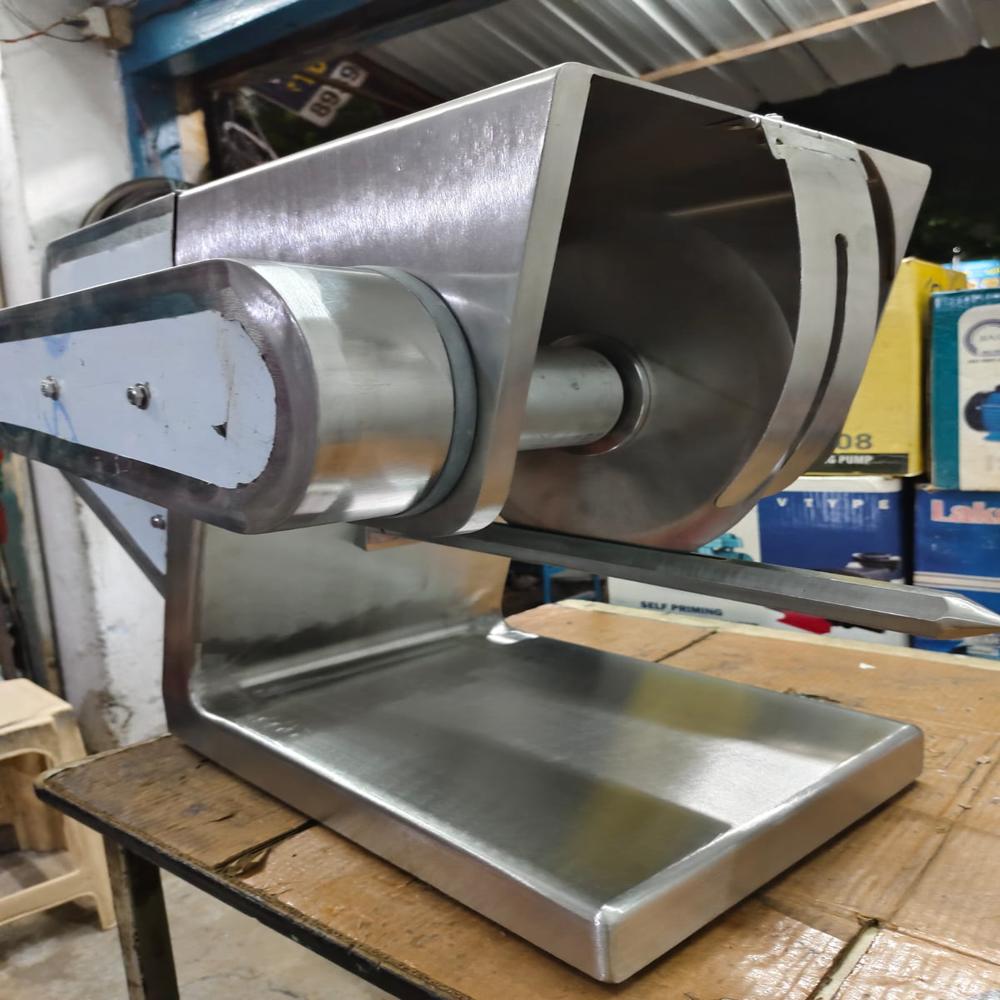
The Manual Chicken Cutting Machine represents a significant mechanical evolution, bridging the gap between traditional manual knife work and high-cost, high-maintenance automated electric bone saws. Designed as a heavy-duty, zero-electricity, lever-action mechanical system, this machine optimizes the physical forces required to section whole poultry carcasses, primal cuts, and dense bone structures. By utilizing fundamental principles of mechanical advantage, ergonomics, and food-grade material science, the manual chicken cutting machine provides a highly dependable solution for modern meat processors.
To understand the conceptual design of the manual chicken cutting machine, one must analyze the shortcomings of the traditional cleaver:
Impact Trauma and Splintering: Swinging a heavy cleaver relies on kinetic impact energy. This force shatters avian bones rather than shearing them cleanly, resulting in tiny, sharp bone fragments embedding themselves into the surrounding muscle tissue.
Labor Fatigue: An operator processing hundreds of birds per day experiences repetitive strain on the wrist, elbow, and shoulder joints, leading to a sharp drop in productivity over extended shifts.
Hygiene Risks: Traditional wooden chopping blocks absorb moisture, blood, and organic fluids, creating a breeding ground for pathogenic bacteria like Salmonella and Campylobacter.
Inconsistent Yield: Human error in alignment leads to uneven weight distribution across portions, directly impacting profit margins in commercial packaging and retail.
The manual chicken cutting machine solves these systemic issues by replacing impact force with a controlled, high-pressure linear shearing action. Operating on a heavy-duty pivot point and a calibrated lever arm, the machine allows an operator to apply minimal downward physical force, which the mechanism amplifies to slice cleanly through skin, muscle, tendons, and dense bone structures simultaneously.
The core design philosophy centers on absolute simplicity, structural rigidity, and maximum food safety compliance. Because it requires no electrical input, it can operate in any environmentfrom remote, off-grid rural markets to highly regulated urban processing facilities. It eliminates the risks of electrical failure, motor burnouts, and water-induced short circuits during intensive washdown cycles, making it an exceptionally reliable tool in wet, humid meat-packing environments.
Every component of the manual chicken cutting machine is engineered to withstand the rigorous demands of a continuous-duty commercial kitchen or processing plant. The harsh environment of meat processingcharacterized by high moisture, exposure to organic acids, blood, and aggressive chemical sanitizersrequires careful material selection and robust mechanical engineering.
The entire chassis, bed plate, lever assembly, and structural fasteners are constructed from Grade 304 Austenitic Stainless Steel (SS304). This material is chosen for its superior corrosion resistance, structural integrity, and excellent performance in food-contact zones.
Chemical Composition: SS304 contains approximately 18% Chromium and 8% Nickel. The chromium forms an microscopic, self-healing chromium oxide passive film on the surface of the steel, preventing atmospheric oxygen and moisture from oxidizing the iron underneath.
Resistance to Organic Acids and Cleaners: Poultry processing releases lipids, lactic acids, and saline solutions that rapidly corrode lower-grade steels. Furthermore, protocol-mandated sanitizers containing chlorine or quaternary ammonium compounds can cause pitting corrosion in standard steels. SS304 withstands these chemical agents, maintaining a smooth, non-porous surface over decades of use.
Mechanical Resilience: The structural components must not flex, warp, or fatigue under repeated heavy loads. The high tensile strength of SS304 ensures that the structural frame maintains true alignment between the upper cutting blade and the lower counter-blade, preventing mechanical binding.
The manual chicken cutting machine functions as an integrated mechanical ecosystem. Each component is engineered to perform a distinct role in structural support, force amplification, precise cutting, or waste management.
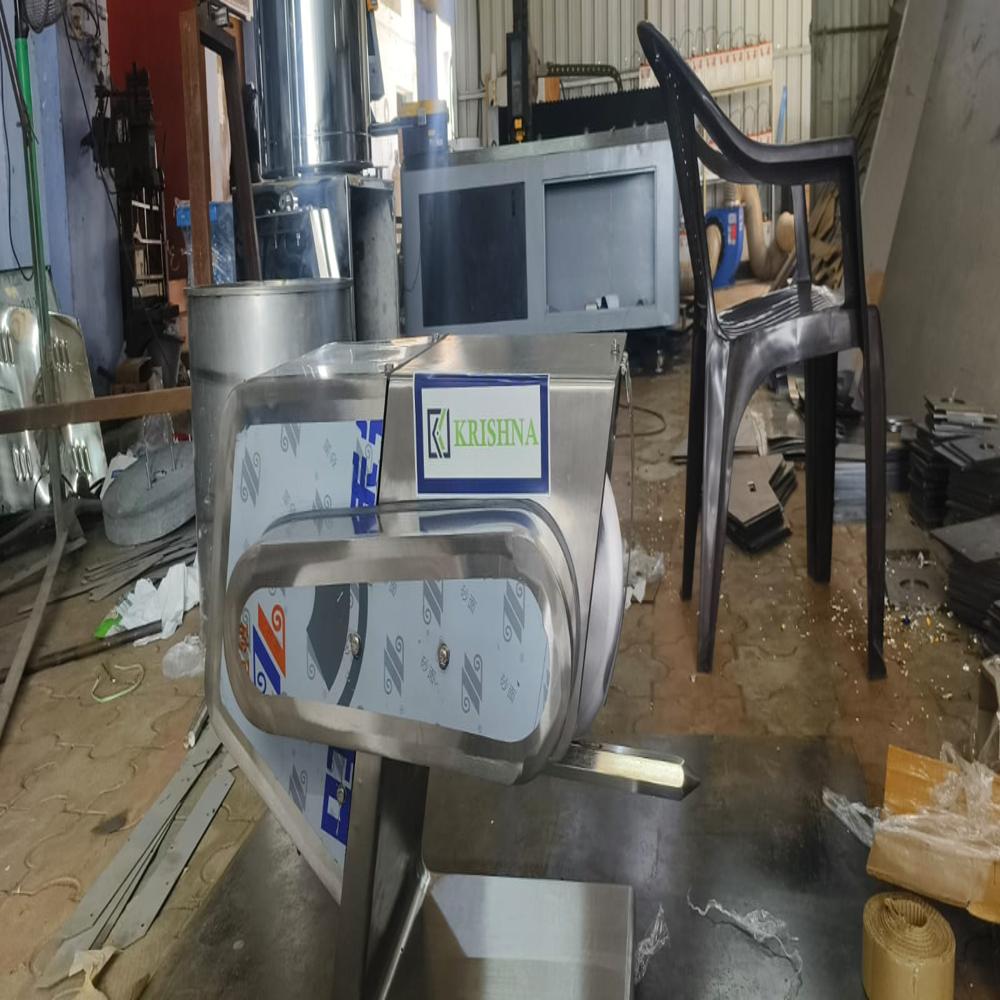
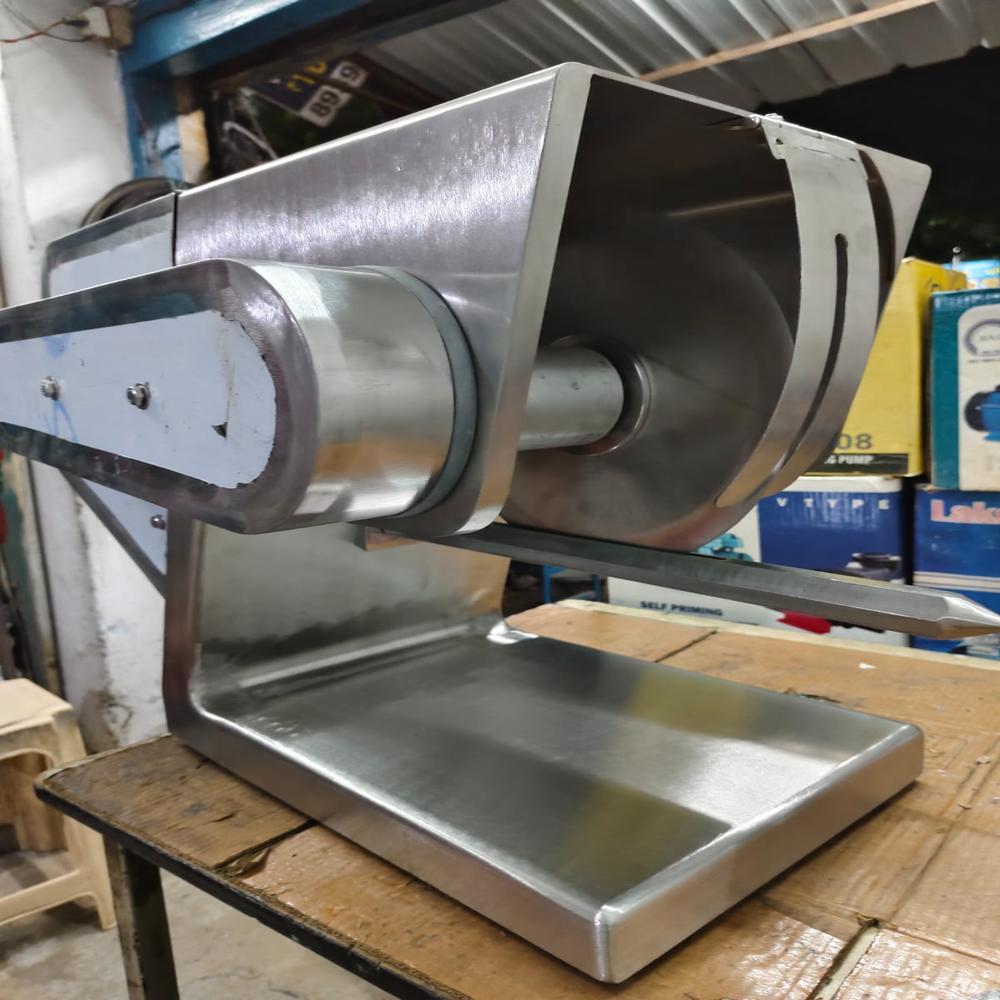
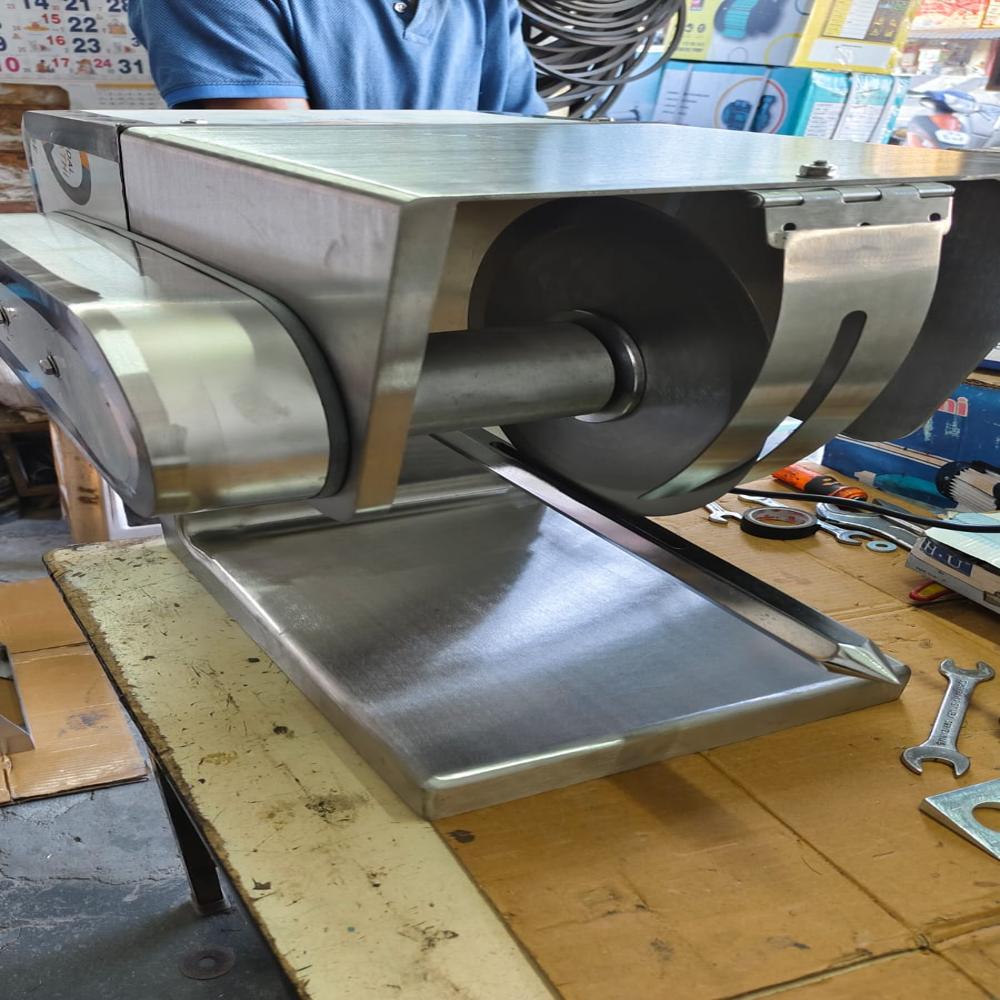
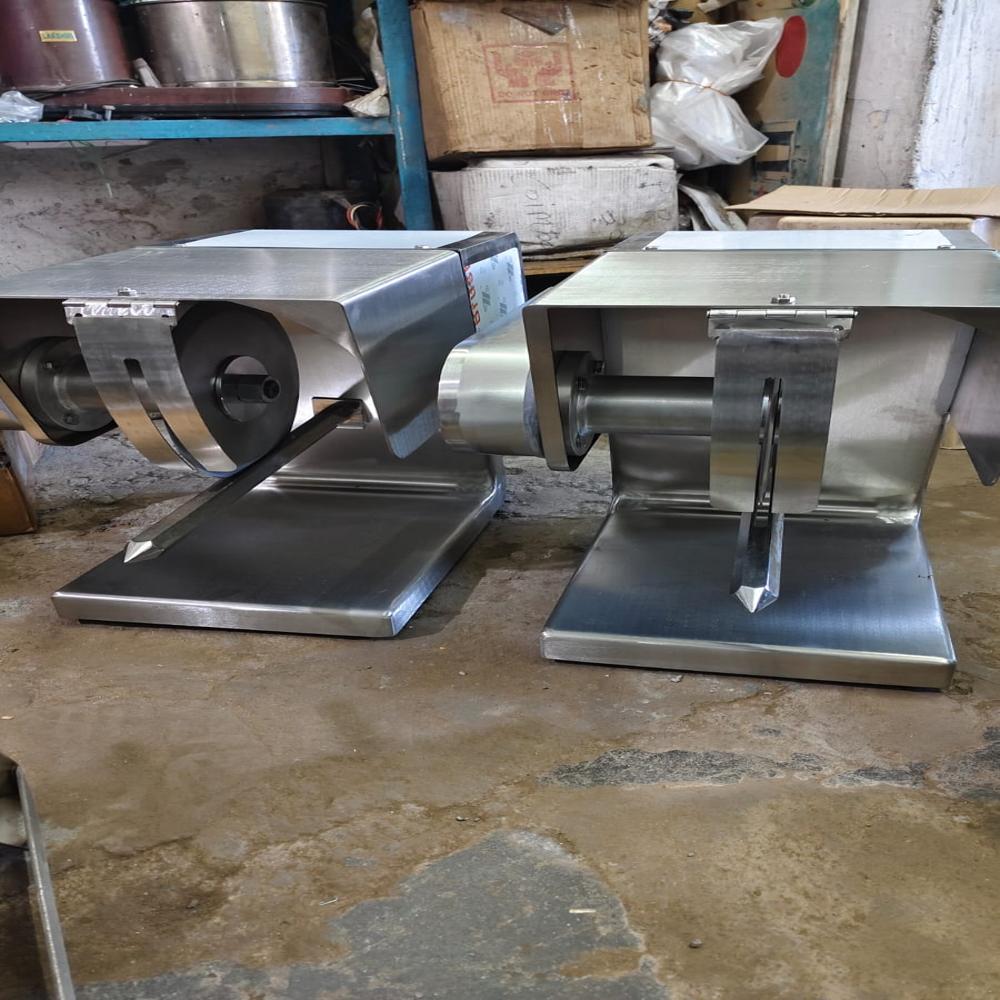
The foundation of the machine consists of a thick, heavy-gauge SS304 bed plate welded or precision-machined onto a robust sub-frame.
Surface Finish: The bed plate features a high-grade satin or brushed finish (No. 4 finish). This level of smoothness prevents organic tissues from sticking to the metal surface, facilitating smooth movement of the poultry during sectioning.
Integrated Clearing Channels: To manage the build-up of fluids, the bed plate features machined, sloped perimeter channels. These channels guide blood, water, and loose tissue away from the active cutting zone toward a collection trough or drainage point at the rear of the machine, keeping the operator's workspace clear.
The lever arm is the primary interface for the operator and must withstand continuous manual downward forces without bending.
Leverage Physics: Engineered using a Class 2 or Class 1 lever system configuration, the length of the lever arm is designed to maximize mechanical advantage. With a leverage ratio, every kilogram of downward pressure applied by the operator translates into five kilograms of force at the cutting edge. This amplification allows operators to cleanly slice through thick breastbones, spines, and leg joints with minimal physical strain.
Ergonomically Molded Grip: The handle is covered with a high-density, non-porous, slip-resistant food-grade polymer (such as textured polyurethane or vulcanized rubber). The handle profile features ergonomic finger grooves and an end-flare design to prevent the operators hand from slipping off when wet or covered in natural poultry oils.
The pivot assembly is the critical fulcrum upon which the entire mechanical system relies. It must ensure perfect alignment between the upper moving blade and the lower stationary bed edge.
Dual-Bushing Design: The pivot uses high-tensile stainless steel bolts paired with self-lubricating bronze or heavy-duty food-grade Teflon (PTFE) bushings. This assembly minimizes friction and prevents steel-on-steel galling, ensuring a smooth, fluid stroke.
Zero-Tolerance Lateral Play: The pivot assembly is calibrated to eliminate lateral (side-to-side) movement of the blade arm. Even a fraction of a millimeter of lateral play can cause the upper blade to misalign with the lower bed edge, resulting in tearing of the meat skin or crushing of the bone rather than a clean cut.
The machine utilizes a true scissor-action or anvil-action shearing interface.
The Upper Blade: Features a progressive curved profile. As the handle is pressed down, the point of contact between the blade and the meat moves smoothly from the back of the blade to the front tip. This progressive engagement ensures that the machine continuously slices through the meat at an optimal angle, rather than trying to crush the entire surface area at once.
The Stationary Counter-Blade: Mounted flush with the edge of the cutting bed, this component provides a hard, clean edge against which the upper blade shears. The clearance between the upper and lower blade is set to a precise micro-tolerance, guaranteeing clean cuts on both delicate skin and dense bone.
To facilitate uniform high-volume production, an adjustable stainless steel guide rail is mounted onto the bed plate.
Portion Control: The operator can slide this gauge to a specified distance from the blade path (e.g., $40\text{ mm}$, $60\text{ mm}$, or $80\text{ mm}$) and lock it in place using a thumb screw. By pushing the poultry carcass flat against this stop before executing the cut, the operator ensures that every single portion is cut to an identical width. This feature is invaluable for commercial packaging, where consistent unit weights are required.
Operating a manual chicken cutting machine efficiently requires a structured workflow, proper body mechanics, and an understanding of meat anatomy. When executed correctly, the operational process maximizes safety, minimizes fatigue, and yields highly uniform portions.
Before starting a production shift, the operator or supervisor must perform a brief mechanical check:
Fastener Torque: Ensure the main pivot bolt and handle fasteners are tight and secure.
Blade Sharpness: Inspect the cutting edge for any visible micro-nicks, rolls, or dull spots.
Path Clearance: Verify that the cutting bed and perimeter drainage paths are entirely free of debris or residual sanitizers from the previous cleaning cycle.
Stability Check: Ensure the unit is firmly locked onto the processing table via its mounting clamps or bolts.
The following method outlines how to break down a whole chicken carcass into standard commercial portions using the manual machine:
Halving the Carcass: Place the whole, cleaned chicken carcass flat on the bed plate, breast side up, with the tail facing the pivot point. Align the spine and breastbone directly along the blade path. Grasp the safe handling point of the bird with the left hand (well outside the safety clearance zone), and use the right hand to bring the lever down in a smooth, firm stroke. The blade will split the sternum and backbone cleanly, dividing the bird into two symmetric halves.
Quartering: Take one half of the chicken, place the outer skin facing upward against the bed plate, and position the joint between the breast and the thigh directly under the blade path. Lower the handle to instantly separate the forequarter (breast and wing) from the hindquarter (leg and thigh).
Sectioning Drumsticks and Thighs: Position the hindquarter on the bed plate, placing the natural joint alignment line under the blade. A quick downward stroke shears through the connective tissue and joint capsule, separating the drumstick from the thigh with zero bone fragmentation.
Dicing and Cubing for Curries or Stews: For operations requiring bone-in cubed chicken (e.g., commercial curry preparation), align the de-legged halves against the adjustable alignment stop. Move the meat forward in fixed increments (e.g., $30\text{ mm}$ intervals), executing rapid, rhythmic strokes to create perfectly uniform, clean-cut portions.
To maintain high throughput without physical strain, operators should follow these ergonomic guidelines:
Stance: Stand with feet shoulder-width apart, perpendicular to the machine's base plate. This provides a stable center of gravity.
Height Alignment: The processing table should be positioned at approximately waist height. This allows the operator to use their upper body weight to press the lever down, rather than relying solely on arm strength.
Fluid Motion: Avoid slamming or dropping the handle with sudden impact. The machine is designed for a smooth, continuous shear. A steady downward push ensures a cleaner cut and reduces mechanical shock to both the machine and the operator's joints.
In food manufacturing, a machines design is only as good as its capacity to be thoroughly cleaned. Poultry processing involves high biological loads, making strict sanitation protocols essential to protect public health and extend the operational life of the equipment.
The manual chicken cutting machine is designed with open profiles and minimal crevices to prevent organic matter from becoming trapped. The cleaning process should follow these steps:
Dry Purge: Manually remove any large tissue fragments or bone scraps from the bed plate and deposit them into a waste bin.
Pre-Rinse: Flush the entire machine with warm water. Avoid using boiling water initially, as extreme heat can denature proteins and cause them to bake onto the stainless steel surface.
Detergent Application: Apply a food-safe, heavy-duty alkaline foaming detergent formulated to break down proteins and fats. Using a non-scratch nylon brush, thoroughly scrub all surfaces, paying special attention to the underside of the blade arm, the pivot interface, and the fluid drainage channels. Never use steel wool or carbon steel wire brushes, as they can embed tiny carbon particles into the stainless steel, leading to surface rust.
Final Rinse: Wash away all soap residues with clean, potable water.
Sanitization: Spray all surfaces with a food-grade sanitizer, such as a chlorine-based or quaternary ammonium compound solution calibrated . Allow the sanitizer to air-dry on the machine to maintain its residual antimicrobial effect.
Drying Position: Leave the machine handle in the fully open, upright position. This allows water to drain completely off the blade edge and pivot housing, preventing moisture accumulation.
Weekly: Inspect the main pivot bolt tension. If lateral play is detected, gently tighten the locknuts until the blade arm moves smoothly without side-to-side wobble.
Monthly: Examine the base plate's rubber mounting pads. Replace any cracked or worn pads to maintain a stable, slip-resistant grip on the workstation table.
Annually: Perform a comprehensive mechanical overhaul. Disassemble the pivot assembly entirely, remove the bushings, clean out any micro-residues, inspect for internal wear, install replacement Teflon/bronze bushings if necessary, and re-torque the system to factory specifications.
Because the manual chicken cutting machine relies on a sharp, high-force shearing system, operator safety is paramount. Proper machine design combined with strict workplace safety practices minimizes the risk of accidents.
Mechanical Safety Lockout Pin: At the rear of the blade arm near the pivot, a spring-loaded stainless steel locking pin is integrated into the frame. When the machine is idle, cleaning, or undergoing maintenance, the operator inserts this pin to lock the blade arm securely in the upright position, preventing it from falling accidentally.
The Guard Rail Shield: A clear, high-impact polycarbonate or stainless steel wire-mesh safety guard can be mounted parallel to the cutting path. This shield serves as a physical barrier, allowing the poultry carcass to slide underneath while preventing the operator's fingers from entering the active cutting zone.
Every operator working with or around the manual cutting machine must wear the appropriate protective gear:
Stainless Steel Chainmail Glove: The operator must wear a properly fitted, five-finger stainless steel chainmail mesh glove on the hand used to feed and position the meat (typically the left hand). This provides reliable protection against accidental cuts if the hand slips during a stroke.
Cut-Resistant Sleeve: A high-performance polyethylene (HPPE) or Kevlar cut-resistant sleeve should be worn on the non-dominant forearm to protect against contact with the blade edge.
Non-Slip Waterproof Apron and Boots: A heavy-gauge PVC or polyurethane apron combined with steel-toed rubber boots with slip-resistant treads protects the operator from fluids and prevents slips or falls in wet processing areas.
Single-Operator Command: Only one person should operate the machine at any given time. A single operator controls both the product placement and the handle movement, ensuring perfect coordination between hand placement and blade stroke.
No Material Forcing: If the blade encounters unexpected resistance (such as an unusually dense bone structure or a foreign object), the operator must stop immediately. They should raise the blade, inspect the obstruction, and realign the cut through a natural joint space rather than attempting to force the handle down.
The "Hands-Off" Clean Zone: A safety perimeteraround the blade path must be strictly observed. Fingers should never cross this boundary; instead, operators should use push sticks or structural meat guides to feed smaller portions past the blade.

Price:
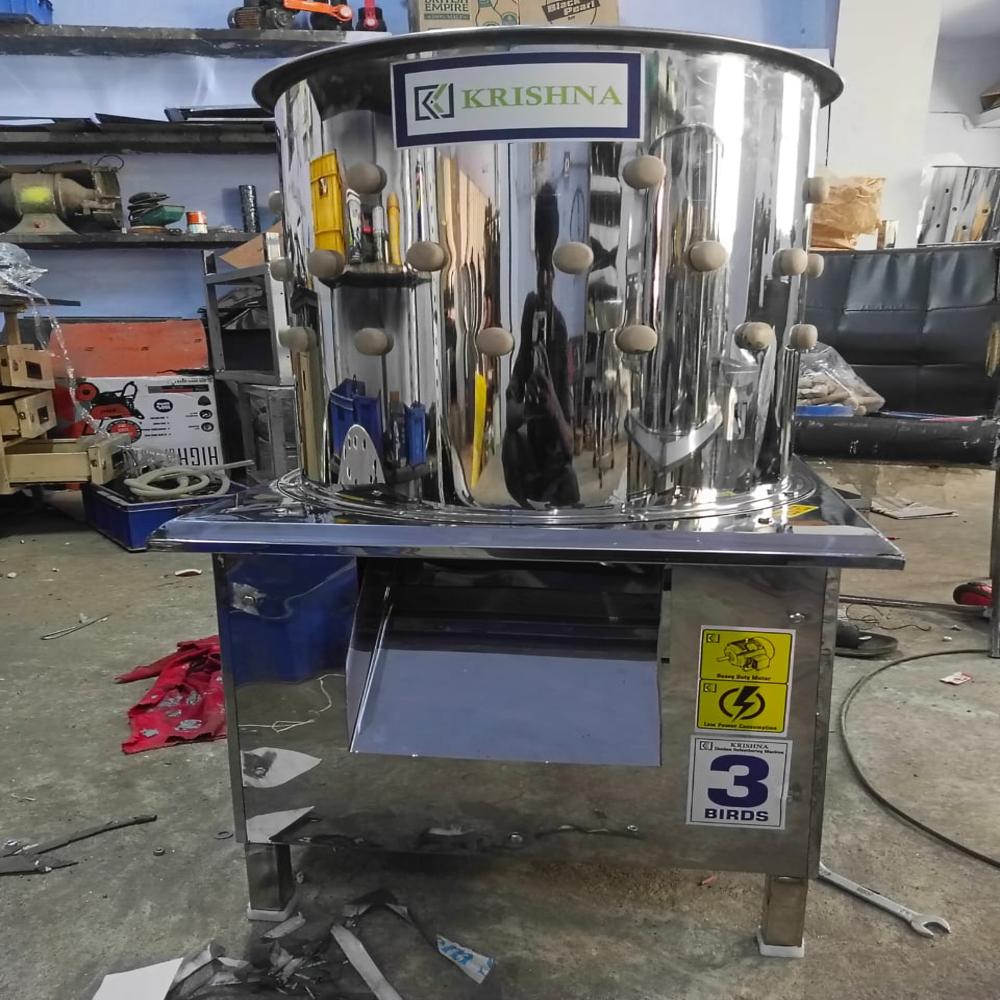
Price 13500.0 INR / NUMBER
Minimum Order Quantity : 1 NUMBER
Capacity : 3 BIRD Pcs/min
Product Type : CHCIKEN FEATHER CLEANING MACHINE
Machine Type : ELECTRICAL
Weight (kg) : 48 (approx) Kilograms (kg)
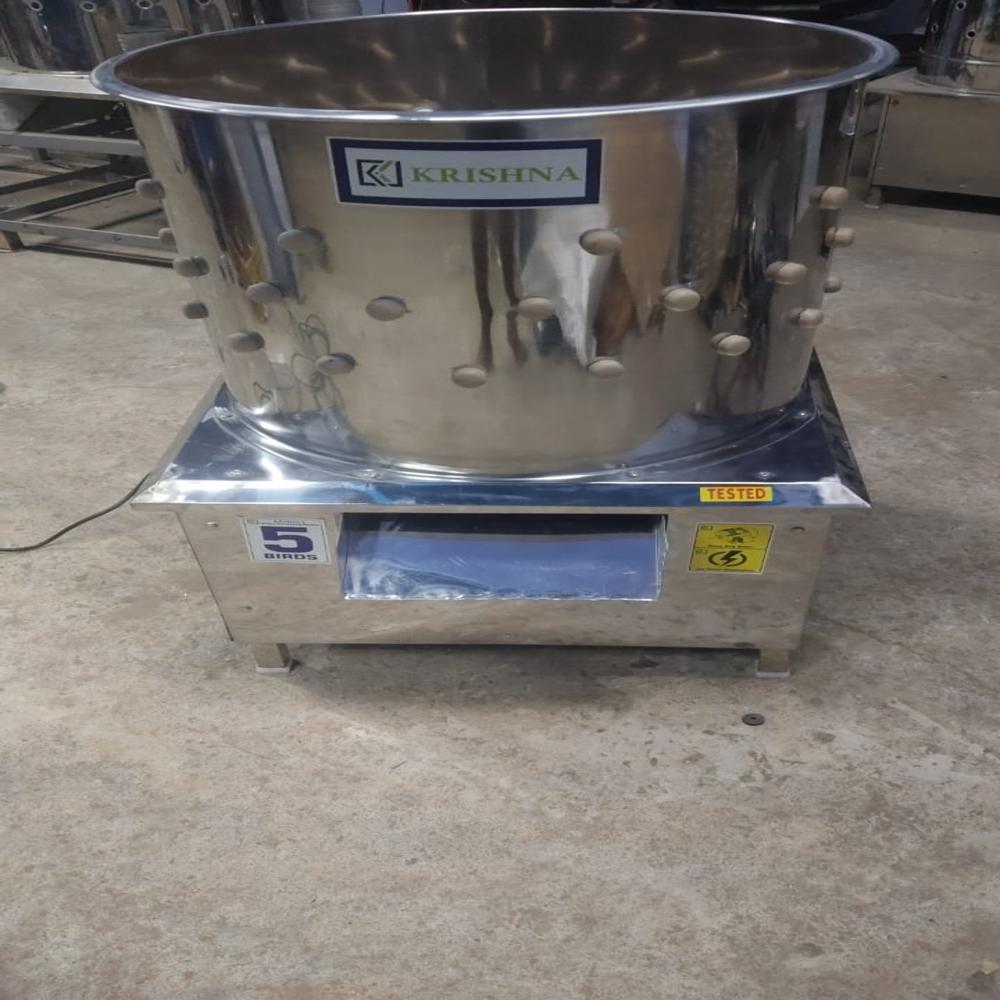
Price 17500.0 INR / Number
Minimum Order Quantity : 1 Number
Capacity : 5 BIRD Pcs/min
Product Type : POULTRY FEATHER CLEANING MACHINE
Machine Type : ELECTRICAL
Weight (kg) : 57 (approx) Kilograms (kg)
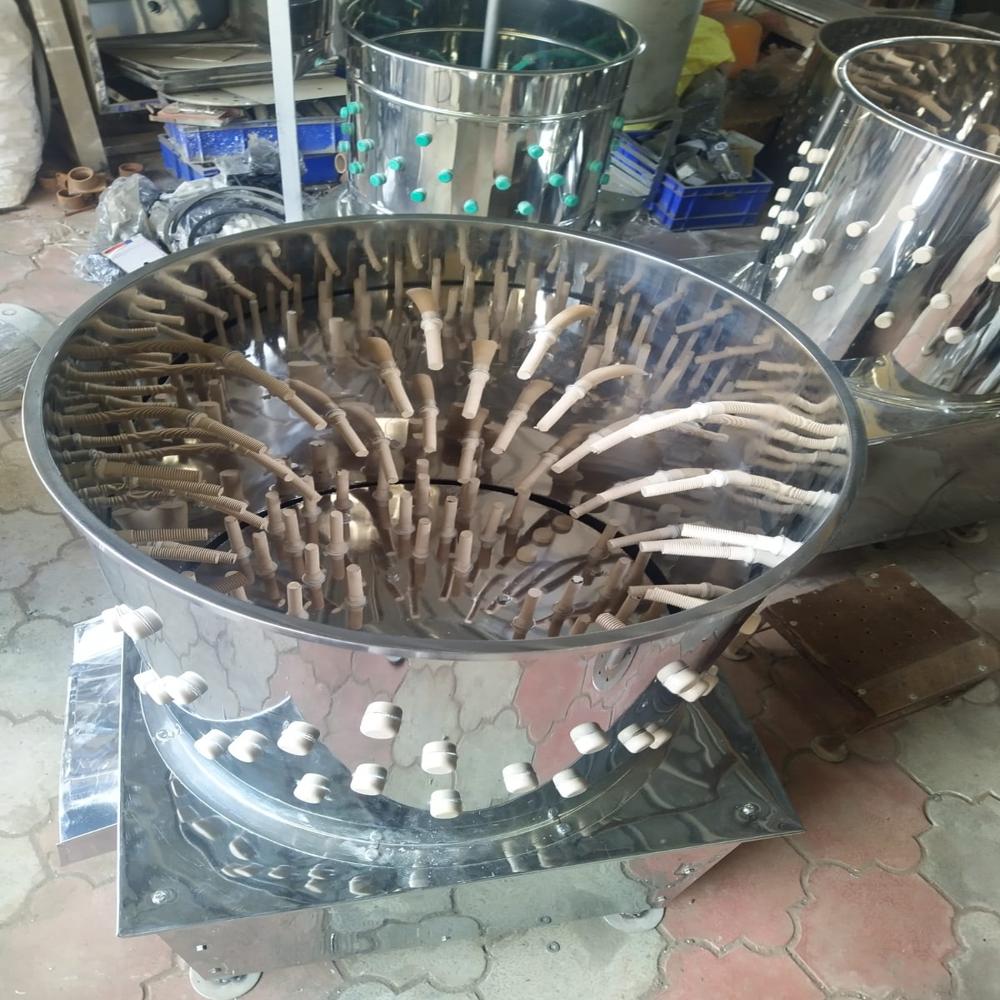
Price 72000.0 INR / Number
Minimum Order Quantity : 1 Number
Capacity : 200 Pcs/hr
Product Type : CHICKEN FEATHER CLEANING
Machine Type : ELECTRICAL
Weight (kg) : 210 (approx) Kilograms (kg)
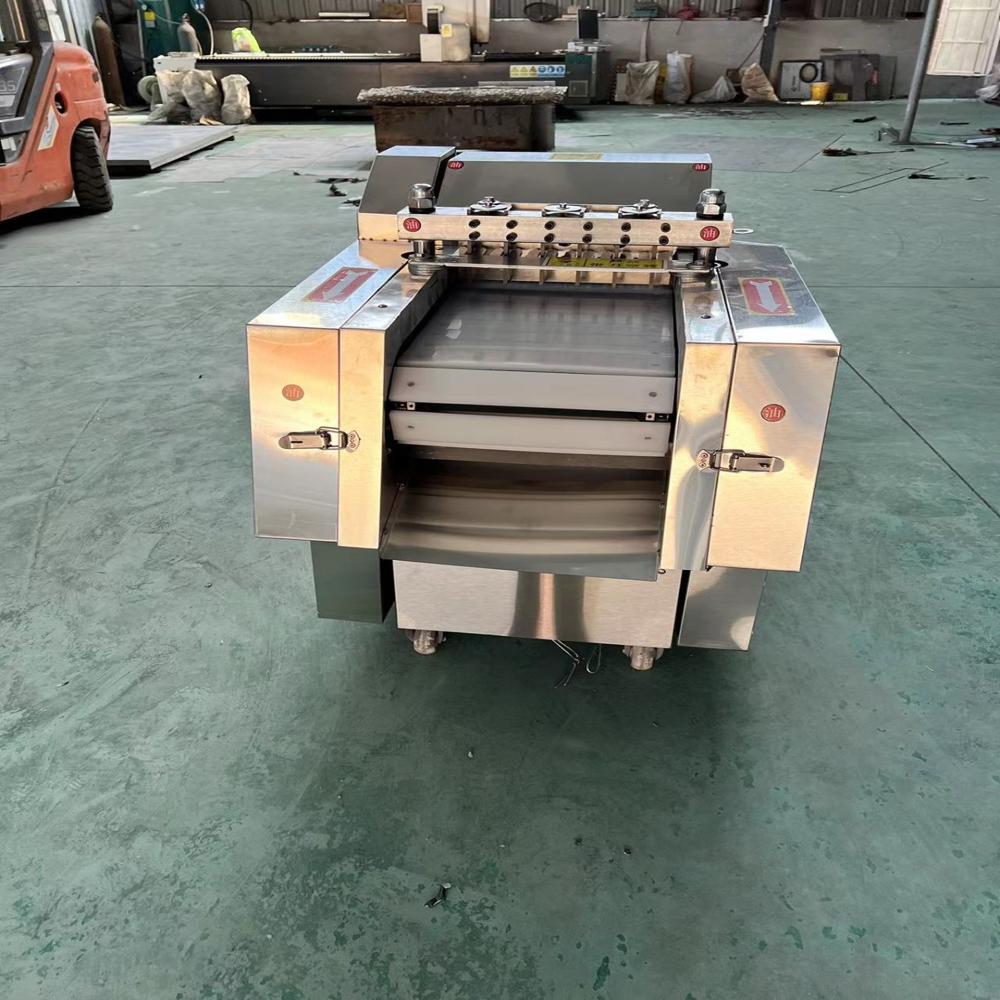
Price 390000.0 INR / Number
Minimum Order Quantity : 1 Number
Capacity : 500 600 Kg/hr
Product Type : CHICKEN CUTTING MACHINE
Machine Type : ELECTRICAL
Weight (kg) : 300 (approx) Kilograms (kg)

 Send Inquiry

 Send Inquiry